
A Philippine café can find plenty of matcha offers, yet a low kilogram price says little about the drink it can serve next month. Compare suppliers using one finished recipe, a documented import route, and a repeatable lot standard. This guide draws on Philippine FDA and Bureau of Customs guidance, then turns those requirements into practical questions for a buyer. Confirm current licensing and entry details with your importer and customs broker before placing a commercial order.
One article already ranking for this search, Matcha Wholesale in the Philippines: Shipping, Duty & FDA, frames the decision around freight and clearance. Those costs belong in the comparison, but they are only part of it. A café also needs a powder that tastes right in its own milk, survives normal storage, and arrives in the right pack before the approved stock runs out.
1. What should a Philippine buyer ask a wholesale matcha supplier first?
State the use, volume and importing party
Start with the cup. Tell each candidate whether the powder will go into an iced latte, unsweetened tea, bakery filling or retail pouch. Send the actual serving size, milk or sweetener, expected monthly cups and target price per drink. These details let a supplier recommend a testable product code instead of sending its most expensive grade by default. If both uses matter, test two products or accept a documented compromise.
Name the buyer, importer of record and final destination before anyone quotes shipping. A local distributor may already hold inventory and handle clearance. A direct overseas purchase may put import steps on your own company or an appointed partner. Ask who will arrange freight, who will lodge customs entries and who will hold the product documentation. Request a written product specification, minimum order, pack sizes, lead time and delivery term. Compare quotes only after these fields match.
| Buyer detail | Send to every supplier | Why it changes the quote |
|---|---|---|
| Finished use | Recipe and serving size | Powder profile and working dose |
| Demand | Monthly cups and forecast range | Pack size and reorder plan |
| Import route | Importer and delivery address | Freight, paperwork and responsibility |
| Claim | Pure matcha or sweetened blend | Ingredients, label and testing scope |
2. Which matcha powder fits a Philippine café menu?
Judge the finished drink, not the grade name
Let the recipe decide. “Ceremonial” and “culinary” labels do not describe how a powder performs in your cup. Brew each sample at a weighed dose, then taste it in the café’s own milk and syrup. A soft powder can disappear behind vanilla; a more assertive one may taste rough in plain tea but work well in a latte. Test after stirring and after the normal takeaway wait, when bitterness or sediment can become more obvious.
Check whether the offered material is pure milled tea or a formulated matcha latte mix. A mix can include sugar or milk-derived ingredients, so it changes both recipe math and customer information. Ask for the full ingredient statement and a stable product code. The site’s matcha powder guide for cafés covers broader grade selection; this buying test should approve the exact drink you plan to sell.
3. How should a buyer test production samples before committing?
Run a blind trial with an acceptance sheet
Make the sample earn its place. Ask for material representative of normal production, identified by lot or production date. A polished demonstration sample with no link to future stock does little for procurement. Blind-code two or three suppliers’ samples. Use the same measured powder, water, milk, ice and syrup, and have staff score the finished cup for tea flavour, astringency, colour after mixing and residue. Include a timed preparation test. A powder that looks excellent when a specialist whisks slowly can fail during an ordinary café rush.
Record the accepted dose and resulting cost per cup. If sample A needs more grams to reach the same flavour as sample B, its cheaper kilogram price may vanish. Repeat a small trial after several days of normal storage in the proposed pack; opened-pouch handling can reveal moisture problems before a full order does. Reject vague promises that a future shipment will “taste similar.” Write the sensory limits and reference sample into the purchase record, then compare the first commercial lot against both.
| Test point | Record | Decision signal |
|---|---|---|
| Dry material | Lot, pack, appearance | No unexplained mismatch |
| Finished cup | Recipe, dose, taste | Approved flavour at viable dose |
| Service trial | Time and remakes | Staff can repeat the method |
| Opened pack | Handling and changes | Fits expected stock turnover |
4. What documents should come with a matcha production lot?
Connect each claim to the shipped product
Follow the code. Request a current product specification, ingredient statement, pack specification, manufacturing or best-before details, and a certificate of analysis for the lot being shipped. Ask which tests the supplier performs and which laboratory issues the results. A general marketing sheet cannot replace a lot-linked record. If a supplier makes claims about origin, organic production or a particular testing standard, ask for the supporting certificate and check that its scope covers this product and site. Do not put an unverified claim on a Philippine menu or retail pack.
Compare product code and lot number across the sample, quotation, invoice, carton markings and certificate. For a sweetened mix, the ingredient and allergen review becomes a separate task from pure matcha. Ask the importer or local regulatory adviser which documents and label details apply to the exact product and sales format. If a supplier substitutes a grade or pack before shipment, start the approval check again rather than treating the change as an administrative edit.
5. How should the importer check Philippine clearance requirements?
Confirm the route with FDA and Customs sources
Assign an owner before shipping. Philippine FDA guidance addresses License to Operate applications for food traders and distributors, including importers and wholesalers of processed food products. Its food registration material also describes Certificate of Product Registration processes. The correct path depends on product classification, business activity and intended sale, so ask the Philippine importer or adviser to confirm the current requirements for this specific matcha or blend. Do not assume a café order is automatically exempt, or that a supplier’s foreign certificates replace local authorizations. The FDA’s LTO circular for food traders and distributors is a useful starting point.
The Bureau of Customs importation guidance explains goods declaration and clearance steps. Have your broker confirm the current tariff classification, applicable charges, documentary requirements and who pays each cost under the proposed delivery term. Customs also publishes importer accreditation guidance. Regulations, rates and administrative practice can change. Obtain the broker’s written check before paying for a large shipment, and keep the answer with the purchase order. That small step protects the schedule better than relying on a competitor’s blog estimate of duty or transit time.
| Question | Responsible party | Evidence to retain |
|---|---|---|
| Who may import? | Philippine importer | Current business authorization check |
| What product approval applies? | Importer or local adviser | Written classification and FDA check |
| How will goods clear? | Customs broker | Classification and entry plan |
| Who pays charges? | Buyer and supplier | Delivery term on signed quotation |
6. How should a buyer compare landed matcha cost?
Calculate cost per accepted cup
Price the usable drink. A quote per kilogram omits freight, insurance, customs charges, inland delivery, local handling and possible loss from damaged or stale stock. Ask each supplier to quote the same quantity, pack format, destination and delivery term. Have your broker model taxes and charges from current official data rather than copying a headline rate from an article. Currency conversion also changes the final cost if the invoice and menu prices use different currencies. Put all assumptions on one worksheet so the comparison can be updated when freight changes.
Then divide the landed powder cost by the number of accepted servings a kilogram produces at the tested dose. Add milk, syrup, cup and expected remakes to see the total ingredient cost per drink. A sample requiring four grams instead of three changes servings per kilogram from 250 to about 333 before any waste, a much larger effect than a small freight difference. Treat that example as arithmetic, not a recommended dose. Use the dose your own tasting approved. For a distributor-held stock offer, include any local delivery minimum and shelf-life risk. The best procurement decision supports both a viable margin and a consistent cup.
7. Which bulk packaging protects matcha during storage?
Size each pouch to actual turnover
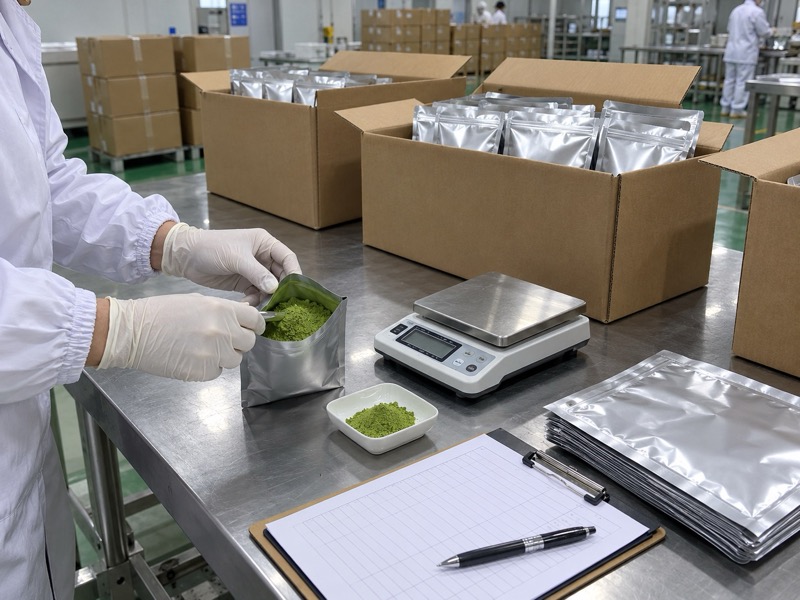
Think past the carton. Matcha is a finely milled tea powder that can absorb moisture and lose desirable aroma after a pack is opened. Ask how the supplier seals its primary pouches, what the carton protects, and how lot and best-before information appear. Several smaller sealed pouches may cost more per kilogram yet reduce loss. Choose a pack based on realistic weekly consumption, not the highest month in a forecast.
Write a receiving and storage routine before stock arrives. Record carton condition, count, lot, dates and any signs of broken seals. Keep sealed stock under the product’s specified storage conditions; once opened, close and handle it according to the supplier’s instructions and your food-safety plan. Separate new lots until the acceptance test is complete. If a retail brand will repack or private-label the product locally, ask the importer to check additional activity and label requirements. The site’s private-label matcha service page describes a different purchasing route from café bulk use; clarify which route you need before choosing packaging.
| Pack decision | Check | Likely tradeoff |
|---|---|---|
| Primary pouch | Seal and serving turnover | Smaller packs may reduce opened-stock loss |
| Outer carton | Protection and lot marking | Damaged cartons need inspection |
| Stock location | Supplier storage instructions | Poor handling can spoil a good lot |
| Retail pack | Artwork and local review | Longer approval and production time |
8. How should a Philippine café plan reorder timing?
Build a buffer from measured usage and lead time
Count days, not promises. Measure actual grams withdrawn each week after launch. Forecast demand from drink sales and the approved powder dose, then include a modest allowance for training and remakes. Ask the supplier to separate production lead time from packing, transport and the receiving window. An overseas quote that says “ships in two weeks” does not tell you when usable stock will reach the bar. Import review, customs clearance and local delivery can add time, so confirm each stage with the parties responsible for it.
Set a reorder point from daily consumption multiplied by a realistic replenishment interval, plus a buffer based on demand and transit variability. For example, a café using 0.8 kg each week needs a different reorder trigger from a chain using 8 kg. Revisit the trigger after the first few shipments. Keep the supplier’s minimum order aligned with expected turnover and the product’s remaining shelf life; ordering too much to obtain a lower unit price can create dead stock. If a promotion may double demand, discuss it before the inventory is committed elsewhere.
9. What should the supply agreement say before payment?
Define quality, substitutions and claims handling
Put the sample into the contract. Identify the approved product code, formulation, pack, lot documentation, quantity, price currency, delivery term, lead time and payment schedule. Attach or cite the accepted specification and control sample. Ask how much notice a supplier will give before changing origin, blend, production process or primary packaging. A silent substitution can invalidate your café recipe and any customer-facing claim even if the invoice still says matcha. State who approves a change and how replacement samples will be tested.
Agree on a practical inspection period after arrival. The buyer should know how to report short counts, damaged seals or an off-spec lot, which evidence is needed and whether the remedy is replacement, credit or another agreed action. Also set a contact path when shipment documents need correction before clearance. If purchase volume may grow, ask how the supplier will reserve capacity and whether unit prices change at clear quantity bands.
| Agreement field | Write down | Trigger for review |
|---|---|---|
| Approved product | Code, formula, sample | Any substitution |
| Delivery | Term, place, timing | Late production or freight change |
| Quality | Specification and lot records | Failed receiving test |
| Remedy | Evidence, contact, response | Damage or off-spec result |
10. How should the first commercial shipment be approved?
Compare the delivered lot with the accepted sample
Do one final cup test. On arrival, count cartons and pouches, record visible damage, and match product codes and lot numbers to invoice and quality records. Keep stock pending until the receiving team has checked the pack and the bar has made the approved recipe. Use the same cup, weighed dose and milk used in sampling. A slight visual difference may be normal; an unexplained change in flavour, aroma, dispersion or pack integrity needs investigation before a chain puts the stock into every branch. Record the result against the control sample.
Ask the supplier for a written explanation when documents or sensory results differ. For an accepted lot, train staff on the approved dose and storage routine, and mark the date the first pouch was opened. Keep sales, powder usage and remake notes for the first month. Those records tell you whether the quoted economics work in service and whether the reorder point needs adjustment. A wholesale matcha supplier for the Philippines earns a repeat order through consistent delivered product and clear paperwork, not through one attractive sample.
Frequently asked questions
Q1: Is the cheapest matcha per kilogram always the best buy?
No. Compare the accepted dose, landed costs, opened-pack loss and remakes. The useful figure is cost per drink you can actually serve.
Q2: Can a café use a supplier’s foreign certificates instead of Philippine checks?
Foreign documents can support product review, but the Philippine importer should confirm current local licensing, product and customs requirements for its activity and exact item.
Q3: Should a buyer test pure matcha and a sweetened mix together?
Test them as separate inputs. A sweetened blend changes ingredient declarations, sweetness, cost and the recipe needed to reach an acceptable cup.
Q4: How much matcha should a café order first?
Base the first quantity on a measured serving dose, expected sales, replenishment time and shelf life. Avoid buying beyond what can be used while the packs remain suitable.
Q5: What should happen if the first lot tastes different from the sample?
Hold that lot, repeat the approved cup test and compare its code, documents and sealed control sample. Report the evidence to the supplier before releasing stock.