
Tea bush pruning for matcha can shape the future harvest surface, but a supplier’s pruning calendar cannot by itself guarantee good tencha leaf. Buyers may see a tidy hedge and miss old wood, patchy regrowth or a delayed picking schedule. Ask how the garden renews its bushes, then connect those records with shoot condition and the leaf delivered for processing. The Tea Board of Kenya’s cultivation manual explains pruning objectives for tea; its local heights and seasonal dates should stay in their original setting. This guide applies the broader principles to a B2B field review.
On this page
- Why prune bushes supplying matcha leaf?
- What should a healthy plucking table look like?
- How do pruning and skiffing differ?
- When should a block be renewed?
- How does pruning affect shoot uniformity?
- Which field records help buyers?
- What should a buyer look for on a garden visit?
- How do pruning choices affect picking plans?
- Can pruning alone explain matcha quality?
- How should buyers specify pruning evidence?
1. Why prune bushes supplying matcha leaf?
Pruning changes the structure from which future shoots emerge. It can lower an overgrown canopy, remove dead or diseased wood and encourage renewal where old stems have become unproductive. Those are among the purposes named in the Tea Board of Kenya cultivation manual. For a tencha-bound garden, the procurement concern is practical: can pickers access an even flush of suitable leaves without pulling in old, coarse foliage? A recent cut may leave little harvestable material until regrowth has developed. Ask which blocks were pruned and whether any were excluded from the current offering. A garden can be well managed while some blocks are temporarily unavailable for matcha production.
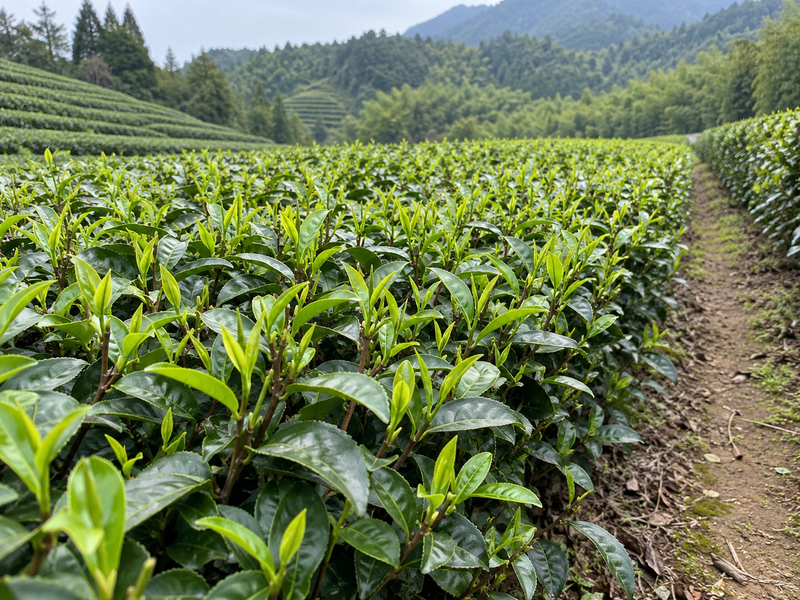
Tea bush pruning for matcha starts with plant condition
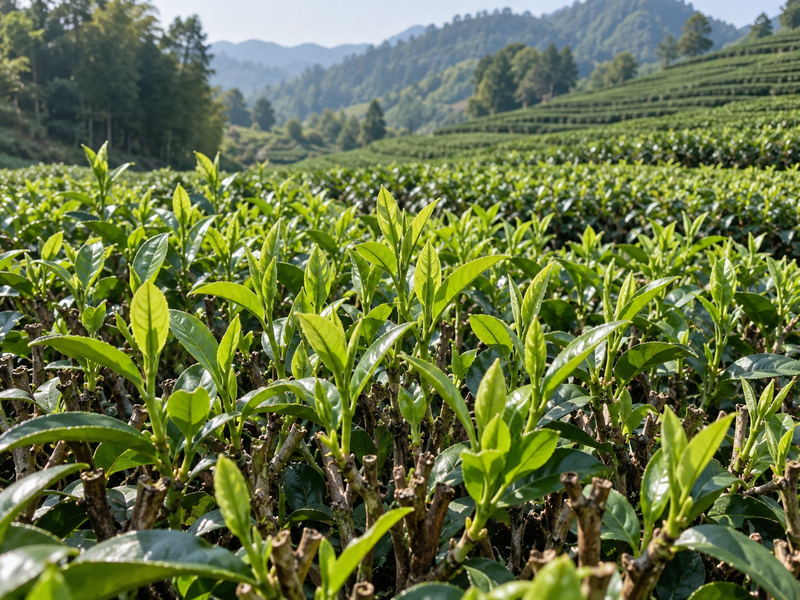
Look at the bush, then the calendar. A dated operation log tells you what workers intended; a current field inspection shows whether the canopy recovered evenly. Observe dead twigs, open gaps and vigorous but uneven regrowth. None of these signs alone proves a powder will taste a certain way. They indicate where to sample leaves or ask the grower for an explanation. Matcha Village’s matcha leaf overview gives a useful next step in tracing field material into processing.
2. What should a healthy plucking table look like?
The plucking table is the working surface formed by a tea hedge. Buyers should expect accessible young shoots across much of the intended harvest area, with no obvious dominance of woody stems or large gaps. Shape will vary by slope, cultivar and garden method. A perfectly flat top in one photograph is less persuasive than a walk along several rows. Look beneath the top foliage for retained healthy leaves that support continued growth. The Kenyan manual distinguishes light plucking, which leaves new foliage above the previous level, from hard plucking down to that level. Those terms help a buyer ask how repeated harvests affect the canopy, even when local practice differs.
Use a field checklist, not a height rule
| Field observation | Possible buyer question | Follow-up evidence |
|---|---|---|
| Even new shoots | Were rows renewed on one schedule? | Block work log |
| Open or bare patches | Are affected rows picked separately? | Harvest map |
| Dead or damaged stems | Was cause investigated? | Field inspection note |
| Very hard plucking | Is enough foliage retained for regrowth? | Recent field photos |
Check multiple points. Row ends and shaded corners can differ from the center. Photograph the location of a concern and ask whether leaf from that portion enters the same lot. A visual review guides sampling; it does not replace a leaf-quality assessment.
3. How do pruning and skiffing differ?
Pruning is a larger cut into the bush framework to manage height and renew growth. Skiffing is a lighter cut across the maintenance foliage layer. The Kenyan cultivation manual describes both, including skiffing after a domed plucking surface or certain damage. A buyer should ask which operation occurred because both may appear simply as “trimming” in a supplier summary. Their effects on regrowth and harvest scheduling differ. A block recently cut back into old wood is unlikely to produce the same immediate leaf stream as a lightly maintained block. Neither method gives buyers a universal formula for timing or depth.
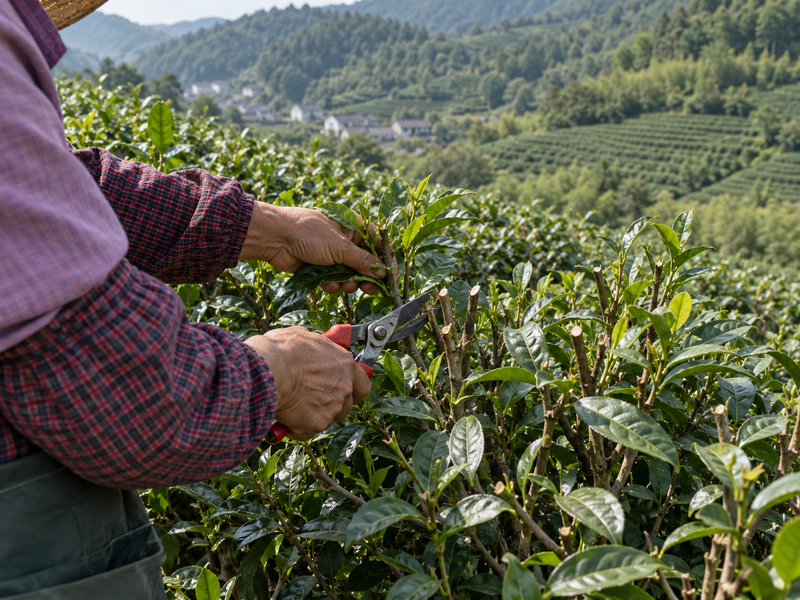
Name the intervention precisely
Ask for the work order. It should record block, date, method, crew and reason. If a supplier uses another local term, ask what tissue was cut and where the next harvestable shoots are expected. Follow-up photographs after regrowth can show whether the intended plucking surface formed. When comparing two trial lots, do not attribute every difference to pruning: shade, cultivar, harvest age and tencha processing also changed unless they were controlled.
4. When should a block be renewed?
Renewal timing belongs to the local grower and agronomist. Climate, rainfall, soil moisture, bush age, cultivar and expected harvest windows all affect the decision. The Kenyan manual gives specific cycles and cut heights for its production setting. Copying those numbers into a Chinese matcha purchase specification would ignore site and product differences. A buyer can instead ask why a block was selected, how the cut was scheduled around tea harvest and what condition must be met before leaf re-enters the tencha stream. The supplier should mark any yield interruption and identify alternate blocks for committed orders. A promise of uninterrupted supply needs a sourcing plan when renewal reduces harvestable area.
Check the renewal decision
| Question | Useful response |
|---|---|
| Why this block now? | Condition record, not only routine habit |
| What was cut? | Method and approximate canopy change |
| When can it re-enter harvest? | Regrowth inspection and planned trial |
| How is supply covered meanwhile? | Named alternative source blocks |
Keep dates local. A seasonal instruction from another tea region may be informative background, yet it cannot predict moisture or heat in the supplier’s own garden. Ask for field conditions at pruning and the observations used before resuming harvest.
5. How does pruning affect shoot uniformity?
Pruning influences where new buds can grow and how easily workers can reach them. A well renewed surface may make maturity more consistent across a row. A rough cut, patchy recovery or mixed-age bushes can leave a wider spread of shoot sizes at picking. That matters when a tencha buyer wants a defined leaf profile, because sorting a highly mixed harvest takes work and may reduce accepted yield. Still, uniform hedge shape is an upstream indicator, not a chemical certificate. Ask for a simple sampling comparison from different parts of the block, then examine tenderness, damage and mature leaf content before processing. A field photo should accompany the sampled location.
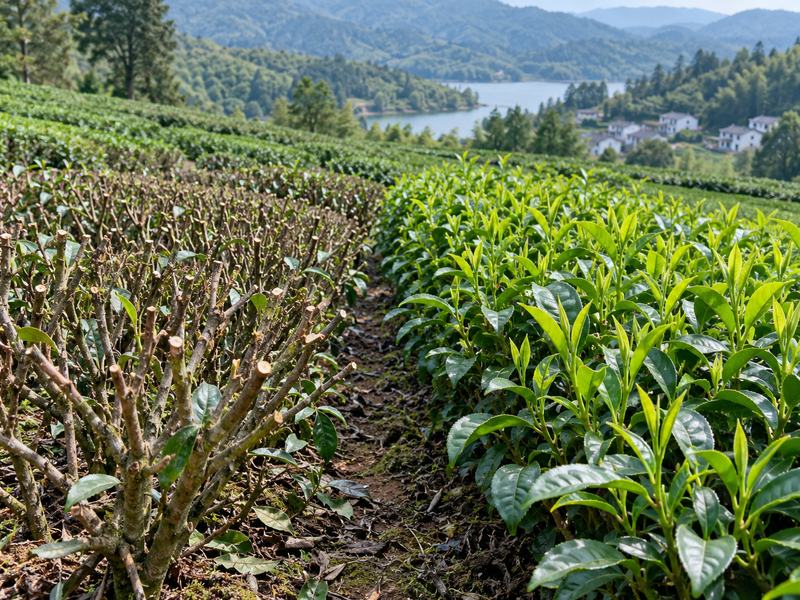
Link the canopy with picked leaf
Watch for mixed blocks. A supplier may combine leaf from a renewed plot with leaf from older hedges to meet volume. Mixing can be reasonable if the resulting lot meets agreed criteria and remains traceable. Ask for each contributing block, picking date and intake share. If differences recur, keep blocks separate for a trial run. That gives both teams a clearer answer than debating whether a pruning style looks “premium.”
6. Which field records help buyers?
A compact record should answer what happened, where and when. Identify the garden block, cultivar if known, pruning or skiffing method, date, reason, weather or soil-moisture notes, regrowth observations and next picking date. Add dated photographs from comparable viewpoints. These records let a purchasing team test whether the offered matcha lot came from the claimed source. They also make supplier explanations more useful if a later shipment differs. Washington State University’s propagation guide distinguishes mother plants managed for cuttings from bushes harvested for tea leaves; a buyer should likewise keep nursery and leaf-production records separate.
Connect garden and factory files
| Garden record | Factory link |
|---|---|
| Block and cultivar | Green-leaf delivery ticket |
| Pruning and recovery dates | Eligible harvest window |
| Harvest team and date | Intake batch |
| Field inspection | Leaf acceptance check |
| Deviation or disease note | Segregation decision |
Request a real lot example. A blank template proves little. One completed record set, with identifiers that match intake and tencha processing, shows whether the supplier can actually trace the chain. Sensitive internal notes can be summarized while preserving dates and lot relationships.
7. What should a buyer look for on a garden visit?
Walk a planned route through more than one row. View the hedge surface from above and the branch framework from the side. Ask which blocks are in harvest, which are recovering and how those statuses appear on a map. Compare recent regrowth with the latest work log. Look for cleanly managed cut material, damaged wood and open patches, then ask what caused each condition. A visit should not become an attempt by a purchasing manager to prescribe pruning technique. Growers have local agronomic responsibilities. The buyer’s job is to understand whether the garden can provide the promised leaf profile reliably and report changes before shipments.
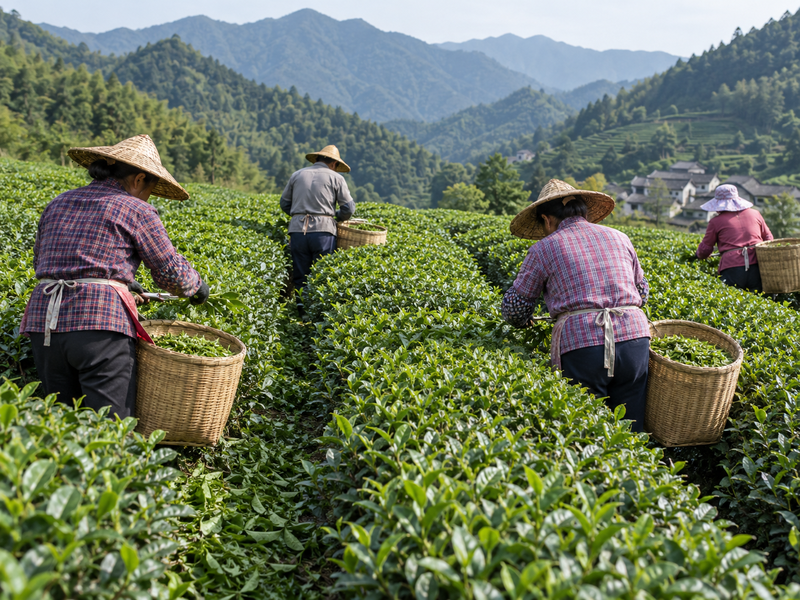
Make observations auditable
Take paired notes. For each photograph, record block, date, direction and the supplier’s explanation. Ask to see a recently picked row alongside a recovering one. Those views reveal different stages of the same management cycle. If an area looks unlike the sampled lot’s source, request a sample from that area before making a judgment about its suitability.
8. How do pruning choices affect picking plans?
The next harvest must follow actual regrowth, not only a calendar promise. Cut-back bushes may need time before shoots reach the agreed maturity; skiffed areas may return sooner, depending on field conditions. A buyer planning a launch should ask for a block-level harvest forecast and a named fallback source. Link each expected delivery to a specific garden stream. The Kenyan green-leaf quality requirements show why factories keep leaf-quality and intake records. Their legal thresholds apply in Kenya and should not be imported into a matcha contract without a separate decision.
Pair schedule with acceptance
| Planning item | Buyer check |
|---|---|
| Expected regrowth window | Has the field team inspected shoots? |
| Picking method | Can workers select the agreed maturity? |
| Alternative block | Is its shade and harvest history known? |
| Intake plan | Can leaf be kept identified and reviewed? |
Avoid calendar certainty. Weather can change the interval between pruning and picking. A revised forecast is useful if it arrives early, explains the field observation and points to a tested alternate lot.
9. Can pruning alone explain matcha quality?
No single field operation determines finished powder. Pruning affects the crop structure, while shade treatment, shoot age, sorting, transport, steaming, drying and milling influence what a buyer receives. A pruned field may deliver excellent leaf after suitable regrowth, yet a rushed picking or delayed intake can erode that advantage. Compare matched lots where only one major factor differs whenever a supplier attributes quality to pruning. In ordinary buying, such clean comparisons may be unavailable. Then ask for the whole process record and test the powder in its intended recipe. Matcha Village’s harvest guide is a useful companion to garden inspection.
Keep claims proportionate
Separate observation from cause. “This block has even new shoots” is an observation. “Pruning produced sweeter matcha” needs a controlled comparison that rules out other changes. Buyers can still choose a supplier based on a good sample and transparent process. They should not treat an attractive hedge or a precise cut height as proof of flavor, compliance or future lot consistency.
10. How should buyers specify pruning evidence?
A purchase brief should require a traceable source and a process explanation, not dictate one global cutting height. Ask the supplier to disclose source blocks, recent canopy renewal, notable repairs or disease management, regrowth status and picking eligibility. Define leaf acceptance by observable maturity and condition. Add sample approval in the product’s intended use and a process for notifying buyers if source blocks change. This keeps agronomic decisions with the grower while giving the buyer enough information to judge continuity. For a repeat supply program, review one completed field-to-intake packet before agreeing to larger volume.
A workable request
| Contract item | Plain-language expectation |
|---|---|
| Source map | Identify blocks contributing to each lot |
| Renewal history | State recent pruning or skiffing and dates |
| Change notice | Report new blocks or abnormal recovery |
| Leaf criteria | Agree on maturity, damage and sorting checks |
| Sample release | Compare with an approved reference lot |
Put the sample beside the record. Tea bush pruning for matcha deserves attention because it influences the harvest surface and future supply. Ask a prospective partner for one linked lot, inspect its field history and test the resulting matcha before locking in a recurring order.
FAQ
Q1: Does every matcha garden need the same pruning height?
No. Height depends on local plants, site and management goals; a buyer should review outcomes and records.
Q2: Is skiffing the same as major pruning?
No. Skiffing is a lighter cut through maintenance foliage, while major pruning renews more bush framework.
Q3: Does a newly pruned block supply leaf immediately?
It may need regrowth before shoots meet the agreed picking standard. Check the actual field condition.
Q4: Can a buyer judge pruning quality from one photo?
Use photos from several rows and dates, plus a field log and a linked leaf sample.
Q5: What if a supplier changes source blocks?
Request notice, block identity and a sample that represents the replacement material before approval.