
A matcha shade cloth can change light exposure across a tea plot, yet a supplier’s statement that leaves were “shade grown” tells a buyer little about what happened in the field. Uneven cover, poorly timed installation or abrupt removal may leave a lot with mixed leaf character. Ask for material details, measured light readings, dates and a representative tencha sample. Published tea research shows shading can change leaf chemistry, while its results also depend on cultivar and local conditions. This guide turns that evidence into questions a purchasing team can use.
On this page
- What does matcha shade cloth do?
- Which covering materials suit a tea garden?
- How should light reduction be measured?
- How long should a plot stay covered?
- What makes shade coverage uniform?
- How do climate and cultivar change the choice?
- When should cloth be removed?
- Which records should a buyer request?
- How can a sample test the shade claim?
- What belongs in a supplier specification?
1. What does matcha shade cloth do?
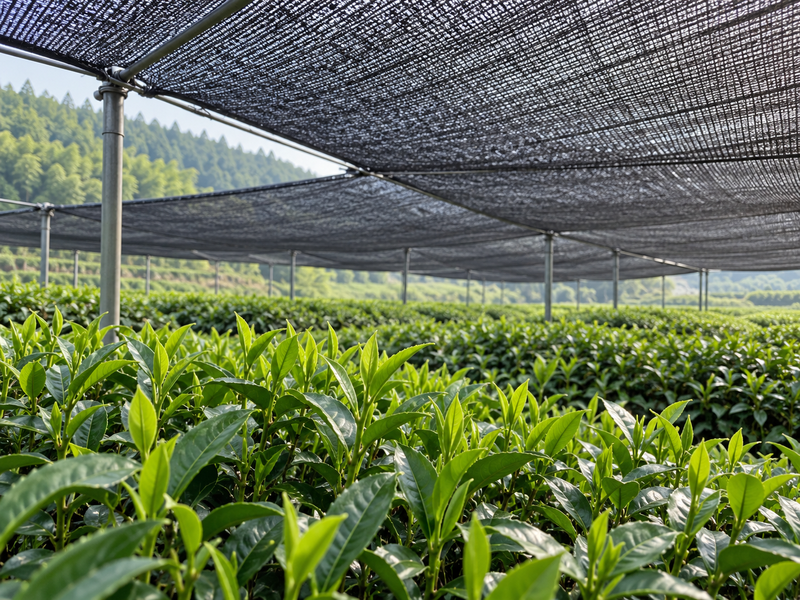
Shade cloth reduces incoming sunlight while tea shoots grow before picking. That altered light environment affects leaf development and compounds associated with color and taste. The Japanese Ministry of Agriculture, Forestry and Fisheries (MAFF) describes tencha as leaf grown under cover, steamed and dried without rolling before milling into matcha. A study of Fuding white tea plants in Guizhou compared open-air plants with two levels of shade and found changes in chlorophyll, theanine and several catechins. Those findings explain why the field treatment matters, but they do not certify any particular supplier’s powder. Matcha quality still depends on plucking, handling, tencha processing and grinding. A buyer should connect the shade record to a named garden block and finished lot.
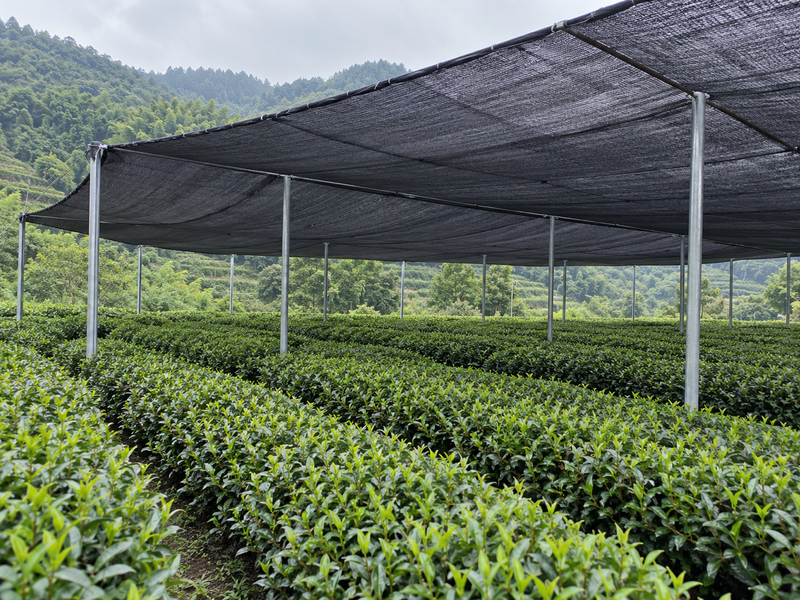
Matcha shade cloth is a field control
Ask where the number came from. A cloth’s advertised shade rating describes material under a specified test. It does not automatically equal the light reduction experienced by leaves under a sagging canopy on a cloudy afternoon. Installation height, overlapping panels, nearby trees and open sidewalls all change field exposure. Record the material specification, then measure conditions above and below the canopy at the crop. For background on cultivation, see Matcha Village’s shaded tea leaf overview.
2. Which covering materials suit a tea garden?
Garden teams may use suspended mesh, direct covers or layered systems, depending on plot layout, wind, rainfall and labor. Black woven or knitted mesh is familiar because it can span rows while allowing some airflow. A direct cover sits closer to shoots and may create a different temperature and moisture setting. A layered system can adjust exposure during a planned covering period, yet each extra layer adds installation and inspection work. Material selection should follow the garden’s actual purpose: controllable light, sound mounting, clean handling and practical access for harvest. No material name alone predicts matcha flavor. Ask how damaged panels are replaced and whether overlapping joins create dark bands or uncovered gaps.
Compare installation as well as fabric
| Choice | Operational question | Evidence worth keeping |
|---|---|---|
| Suspended mesh | Does the frame keep fabric above new shoots? | Plot photo and support inspection |
| Direct cover | Can workers avoid abrasion and trapped moisture? | Covering method and field notes |
| Layered cover | Are layer changes dated and repeatable? | Install and removal log |
The table is a purchasing checklist, not a prescription. An otherwise suitable mesh can fail when posts lean, fabric tears or edges lift in wind. Ask for photographs taken during the same harvest period as the sample. A clean image of a different season is weak evidence.
3. How should light reduction be measured?
A stated percentage needs a method. A supplier can take paired readings above and below the cover at roughly the same time, using a suitable light or photosynthetically active radiation meter. Measurements should cover several points across a plot, including edges and panel joints. Log the date, time, weather, location and instrument. Comparing readings taken hours apart can confuse changes in sunlight with changes caused by cloth. The Guizhou experiment used defined shade treatments under controlled comparison; a commercial garden needs its own observations rather than borrowing a laboratory percentage. Buyers can ask for a small set of representative measurements, not an impossibly precise daily number.
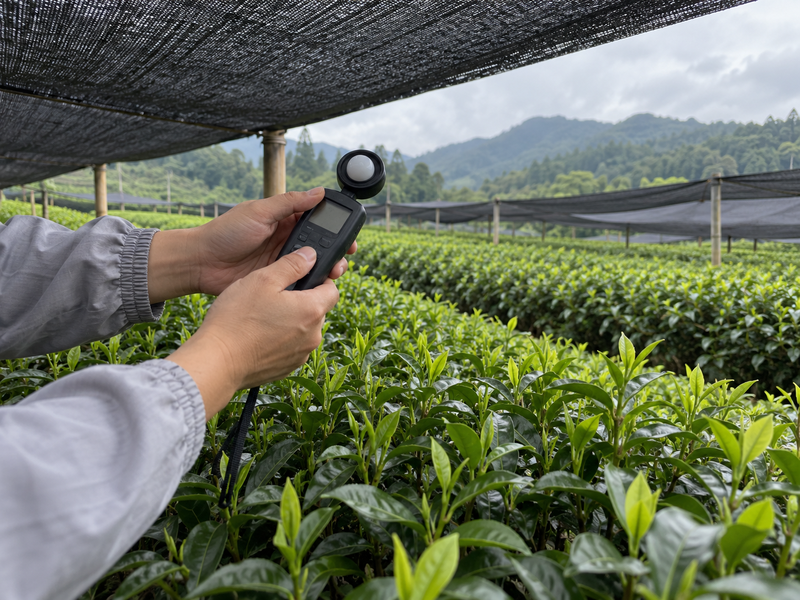
Make readings comparable
A practical check: request readings from the same block on clear and overcast days if both occurred during covering. Keep units consistent and mark whether a sensor sat at shoot height or above foliage. Photos of the meter position help more than a spreadsheet of unexplained figures. A single reading at the most heavily covered spot can overstate how evenly the crop was shaded. The goal is a record that a future buyer or garden manager can repeat.
4. How long should a plot stay covered?
Duration means the actual interval from installation until removal or harvest for a particular block. It should be reported as dates, not a vague claim such as “long shaded.” The Guizhou shading study followed plants across roughly three weeks and sampled at multiple time points. That design shows why a single final observation misses changing leaf responses. Commercial timing must account for shoot maturity, weather and the intended tea product. A planned schedule may change after a storm or delayed harvest; the revised dates should remain visible in the lot file. Ask whether neighboring blocks were covered on different dates and later combined into one delivery.
Keep one timeline per block
| Record | What it answers | Common weakness |
|---|---|---|
| Installation date | When exposure changed | Date for farm, not block |
| Layer adjustment | Whether shade changed mid-period | Change omitted from log |
| Harvest date | Actual covered interval | Harvest spread across days |
| Weather note | Why a schedule shifted | No reason recorded |
A buyer need not demand a universal number of days. The defensible question is whether the supplier can explain its chosen schedule and connect it to the sampled leaf. For a broader product view, compare shade-grown matcha powder with its underlying garden and tencha records.
5. What makes shade coverage uniform?
Even coverage starts with layout. Mesh must cover the intended row width, remain tensioned and resist gaps at corners, paths and joins. A field photograph should show the whole block, not only an attractive patch beneath the cloth. Walk the edges, inspect torn or loose areas and check whether row ends receive direct light for much of the day. A sunny gap can produce leaves with different development within a batch, especially when pickers gather all shoots into a shared container. Uniformity also concerns timing: a repaired tear should have a dated record. The practical question for buyers is whether leaf from different parts of the plot was mixed before anyone could see a difference.
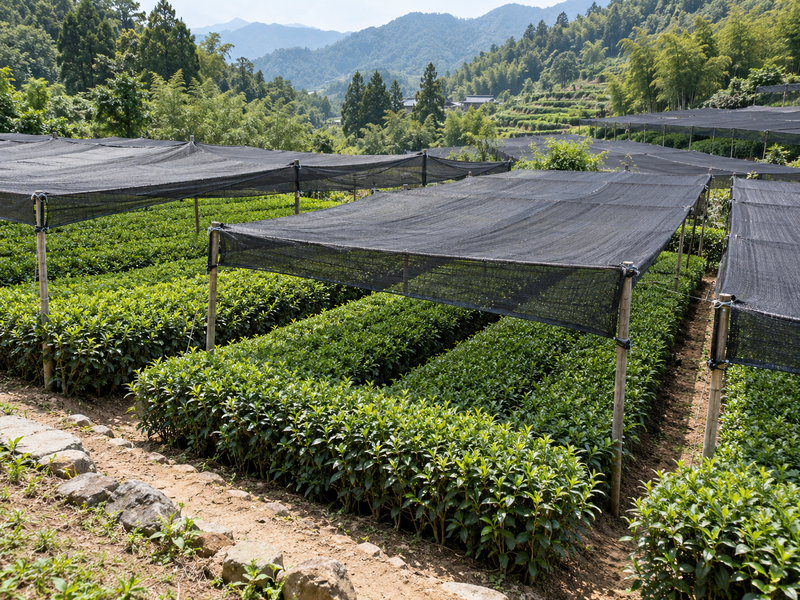
Sample across the field
Look beyond the center row. Ask the grower to take field photos and leaf samples from central, edge and repaired sections during a trial. Label each sample before processing if a difference needs investigation. This approach avoids turning a minor visual gap into an unsupported quality claim. It also helps locate a repeatable issue, such as a panel join that lifts whenever the wind comes from one direction.
6. How do climate and cultivar change the choice?
Tea plants respond to more than a nominal shade percentage. Cloud cover, elevation, temperature, rainfall and cultivar alter the starting light environment and plant response. In the Guizhou study, one shade treatment produced the highest chlorophyll reading, while a heavier treatment gave a different theanine pattern. The researchers used a particular cultivar and site. Applying those values as a universal procurement rule would mistake an experiment for a global production standard. Another tea study on repeated shade stress also examines how plants cope when shade ends. Buyers can compare outcomes, but local growers must choose field practice with local agronomic advice.
Ask for context beside the percentage
| Context item | Why it belongs in a lot review |
|---|---|
| Garden block and cultivar | Keeps a comparison tied to specific plants |
| Typical cloud and heat conditions | Explains differences in total exposure |
| Drainage and ventilation notes | Shows how cover affected field conditions |
| Previous shade cycles | Flags repeated treatment and recovery questions |
For supplier selection, request a sample from the intended season rather than relying on a generic grade label. If a seller changes cultivar or garden, repeat the sensory and application check. The old sample no longer represents the same raw material stream.
7. When should cloth be removed?
Removal timing needs as much care as installation. If workers lift the cover before the harvest team is ready, adapted leaves may face sudden strong light. The repeated-shading study reported signs of high-light stress after a shade treatment ended; its observations warrant caution, not a fixed deadline for every garden. In practice, the supplier should record when panels were opened, why they were removed and when each block was picked. Rain, wind or access needs may force changes. A buyer who receives leaf from several harvest sessions should be able to see whether all material shared the same cover history.
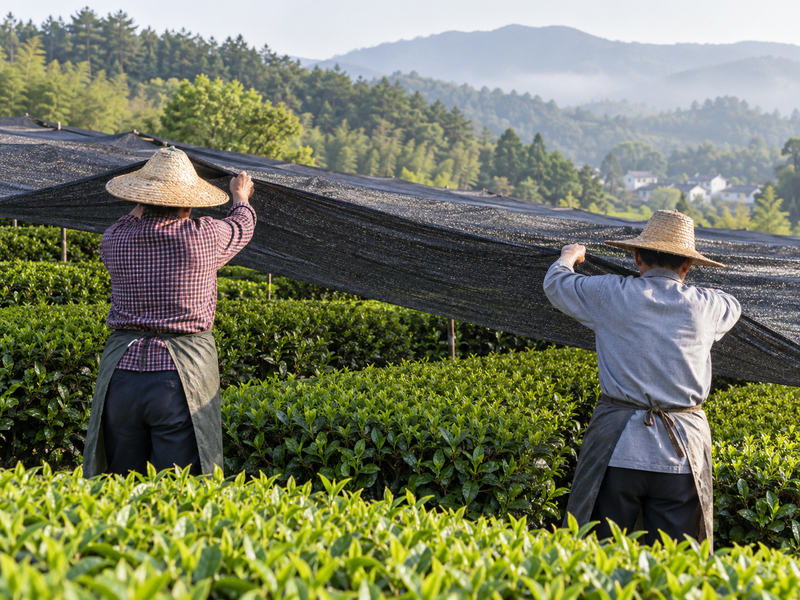
Tie removal to picking
Check the sequence. A field log should connect removal, picking and delivery with actual times where practical. Ask how growers protect leaf quality if harvest is delayed after cloth comes off. The answer may vary with weather and crew availability. What matters commercially is that a delay has a reason, a record and a decision about whether affected leaf remains in the same lot.
8. Which records should a buyer request?
A useful shade file can be short. It should identify garden block, cultivar or material stream, cover type, installation and removal dates, representative light readings, interruptions, harvest date and the resulting tencha lot. Add dated wide-field photos and a note on repairs. This set lets a buyer check whether an attractive sample belongs to the process being offered at scale. There is no need to collect endless daily paperwork if the team cannot connect it to leaf deliveries. Start with a traceable pilot lot, then decide which measurements proved useful during repeat orders. If the supplier cannot identify the block behind a sample, further shade percentages add little confidence.
A lean evidence packet
| Document | Buyer use | Link to retain |
|---|---|---|
| Block map or code | Locate source area | Harvest ticket |
| Cover specification | Identify material | Purchase or maintenance record |
| Light log | Check actual exposure | Date and meter position |
| Change log | Explain repairs and delays | Photos and crew note |
| Tencha lot record | Connect leaf with finished material | Intake and processing record |
Read for consistency. Dates should run in a plausible sequence and lot identifiers should match across files. A perfect-looking summary with no underlying tickets is less useful than a modest, complete packet.
9. How can a sample test the shade claim?
A shade record describes a method; the sample shows the delivered result. Request a tencha or matcha sample made from the named block and harvest, then test it in the intended application. A beverage team can judge color and taste after its normal mixing and holding steps. A bakery team may need a heat trial. Compare two lots where possible, because one outstanding sample does not demonstrate repeatability. Ask for leaf maturity, processing dates and storage conditions alongside shade data. A chemical comparison of matcha and powdered green teas shows that products carrying similar labels can differ; no single color observation proves their cultivation history.
Separate evidence from inference
Here is the buyer test: record what can be seen, tasted or measured in the sample, then compare it with what the supplier documented. Dark green powder alone cannot reveal cloth type, duration or even a consistent garden source. A strong procurement decision joins field records, processing records and application results. Keep a retained reference sample so future lots can be compared under the same preparation method.
10. What belongs in a supplier specification?
Write a specification around evidence and outcomes that a supplier can actually control. Identify accepted source blocks or an agreed change process, the required cover-record fields, sample approval method and lot traceability. Add application-specific color and sensory criteria that both parties can test consistently. If numeric limits are used, define the method, instrument and sampling point rather than copying a research trial’s shade percentage. Agree on how the supplier reports a torn cover, delayed harvest or blend of blocks before shipment. This makes future discussions concrete when a lot differs from an approved sample.
Put change control in writing
| Specification field | Example wording to adapt |
|---|---|
| Source identity | Declare garden block and harvest window per lot |
| Shade record | Provide material, dates and representative readings |
| Deviation | Report cover damage, repairs and schedule changes |
| Sample review | Use agreed drink or food application protocol |
| Lot release | Retain matching intake and tencha traceability |
Next step: ask a prospective supplier for one recent lot packet and a linked sample. Compare the packet with your own application test before setting recurring purchase terms. That single exercise reveals more about matcha shade cloth control than a polished photograph or a standalone percentage.
FAQ
Q1: Does darker cloth always make better matcha?
No. Fabric color alone does not show measured light at the leaf or the finished powder’s quality.
Q2: Is one shade percentage suitable for every garden?
No. Site, weather, cultivar and product target change the result. Test local practice and finished samples.
Q3: Can a supplier prove shade history with a photo?
A dated photo helps, but block records, cover dates and lot links make the claim traceable.
Q4: Should buyers request leaf or powder samples?
Request the material you intend to buy. A linked leaf or tencha sample can help investigate process questions.
Q5: What should happen after a cover tears?
The grower should record the location, repair time and any decision about affected leaf before mixing lots.