
Matcha harvest is both a farm event and a buying decision. Tea leaves picked at different times may differ in sensory profile, available volume and price, but the word “first” on a sales sheet cannot replace a lot record or tasting. Weather and regional growing conditions shift schedules, while processing and blending shape the powder that reaches a café. A buyer needs to know when the raw leaf was picked, how it was handled and whether the supplier can repeat the approved result through the selling season.
Contents: Calendar · Leaf · Shade · Picking · Processing · Quality · Blending · Claims · Supply · Specification
1. When Does a Matcha Harvest Happen?
Ask for the region and year
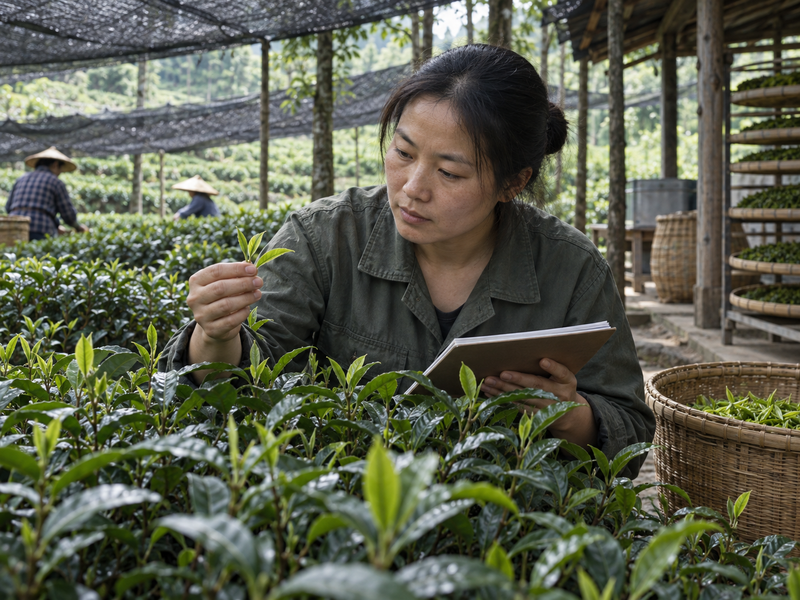
There is no single worldwide date for picking tea used in matcha. Climate, elevation, cultivar and local weather affect when shoots are ready. Spring is often associated with prized early pickings, but a calendar claim should name the producing region and crop year. A shipment arriving in autumn may contain leaves picked months earlier and milled later. Harvest date, processing date and packing date are separate facts.
Ask the supplier for the actual harvest window and lot code. If a brand markets “new season” tea, decide what that phrase means before printing it. Does it refer to fresh leaf, newly milled powder or a recently packed lot? A buyer should compare the proposed claim with the production record and stock plan. A seasonal story can be attractive, but it becomes a liability if the same artwork remains on packs filled from a later or blended picking.
| Date | What it tells you | What it does not prove |
|---|---|---|
| Harvest | Leaf picking period | Finished-powder freshness |
| Processing | Conversion to dry leaf | Pack condition |
| Milling | Powder production | Farm origin alone |
| Packing | Sealed product date | Leaf picking date |
2. What Leaf Is Chosen for Matcha?
Define the picking standard
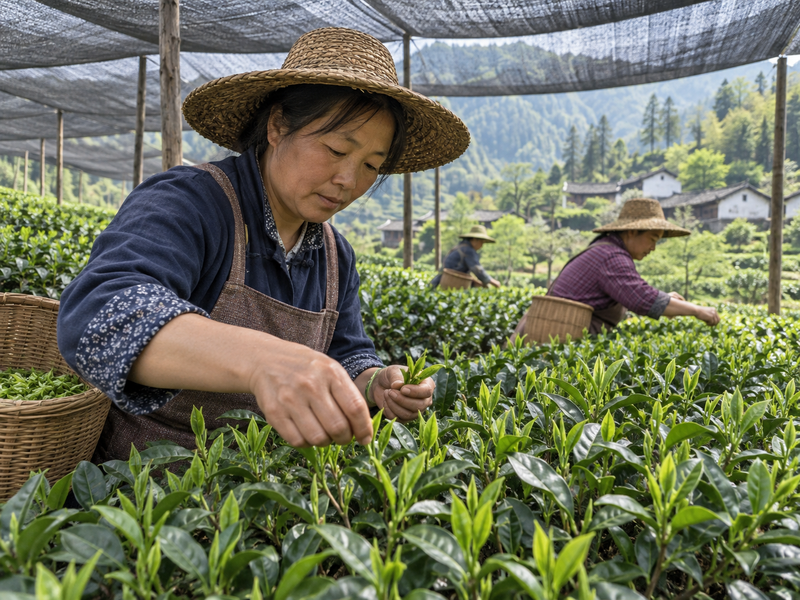
The tea plant produces shoots that change as they mature. A producer can set a picking standard for tender leaves and control how much stem or older leaf enters the process. Different standards can make sense for a delicate water-bowl powder and a food ingredient that needs a stronger tea character at a lower cost. Neither product should be approved solely by a label grade. Ask what the supplier picked and sample the finished powder.
Leaf choice is linked to cultivar and farming conditions. An early picking from one field does not automatically taste like an early picking from another. Record the raw-leaf lot and any blend components. If the product depends on a particular cultivar or origin, confirm how it is kept separate during picking and transport. Our matcha leaf guide follows this material through drying and milling.
3. How Does Preharvest Shading Fit the Calendar?
Make the shade period part of the lot record
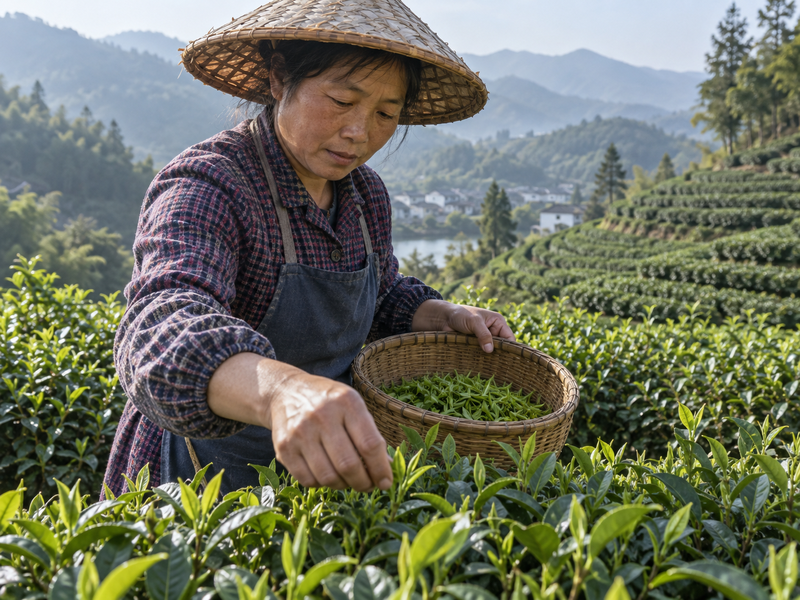
Matcha production commonly includes shading before the leaves are picked. The practice can alter leaf pigments and flavor-related compounds. A controlled study of Chinese tea plants under two shade treatments measured changes in chlorophyll and other characteristics after a defined growth period. It illustrates why the preharvest schedule matters, but it does not set one universal shade duration for every cultivar or region.
Ask when shading began for the commercial lot, how the cover was managed and which field rows were included. A producer may adjust the plan in response to weather or plant condition. Those adjustments should be recorded. Do not demand a fixed number of days copied from a competitor without checking the product outcome. The buyer should evaluate color and taste in a standard recipe and determine whether the supplier can reproduce that profile next harvest.
| Preharvest variable | Buyer question | Evidence |
|---|---|---|
| Shade method | What cover was used? | Farm practice record |
| Timing | When did shade begin? | Field log |
| Weather | Were conditions unusual? | Harvest notes |
| Lot separation | Was shaded leaf kept distinct? | Batch codes |
4. How Are Leaves Picked and Separated?
Keep identity intact during a busy day
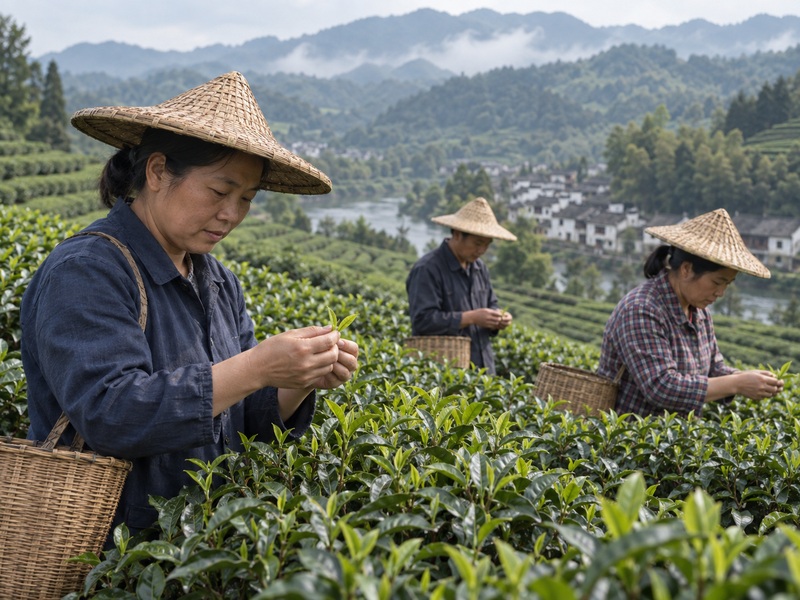
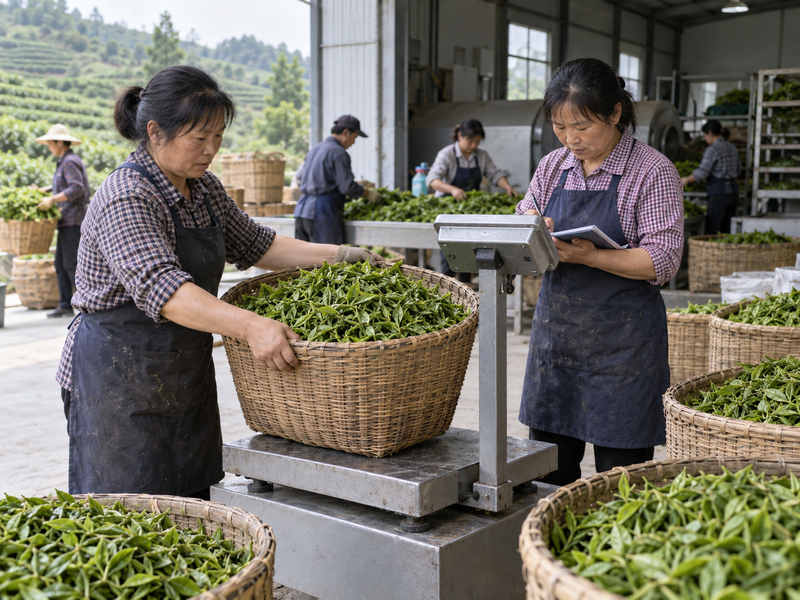
Harvest speed matters because fresh leaf must move into processing promptly. Whether a team uses hand or mechanical picking, it should control the picking standard and prevent unwanted mixing of fields or grades. Ask how leaf baskets, bins and transport loads are identified. A carefully grown plot loses traceability if its leaves are tipped into an unmarked pile at the factory gate.
Buyers making a specific harvest claim should check the mass balance between picked leaf and finished powder. Not every kilogram of leaf becomes a kilogram of matcha; processing removes water and may remove stems or other fractions. A supplier should still be able to reconcile the quantities plausibly. A clear harvest ticket with field, date, weight and receiving batch is a practical control. It supports quality investigation and origin claims later, when the powder is far from the farm.
5. What Happens After the Leaves Are Picked?
Processing protects or loses the harvest’s potential
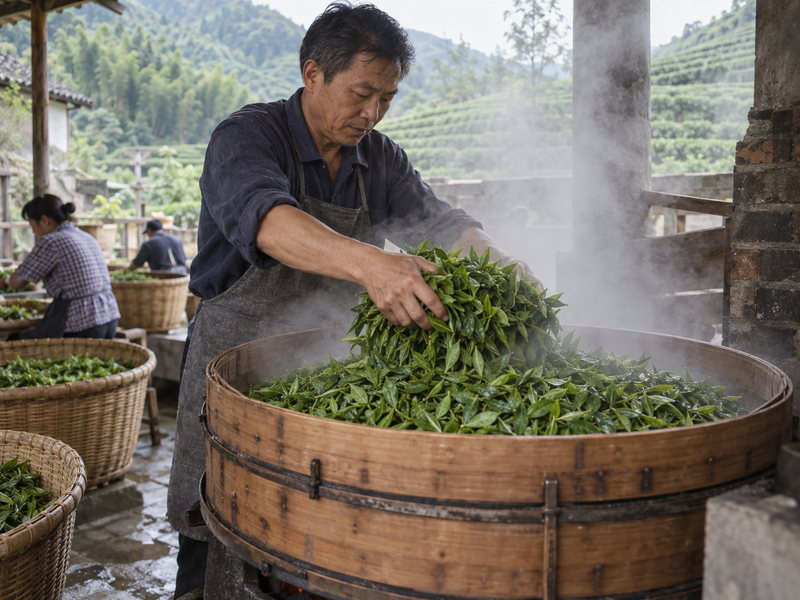
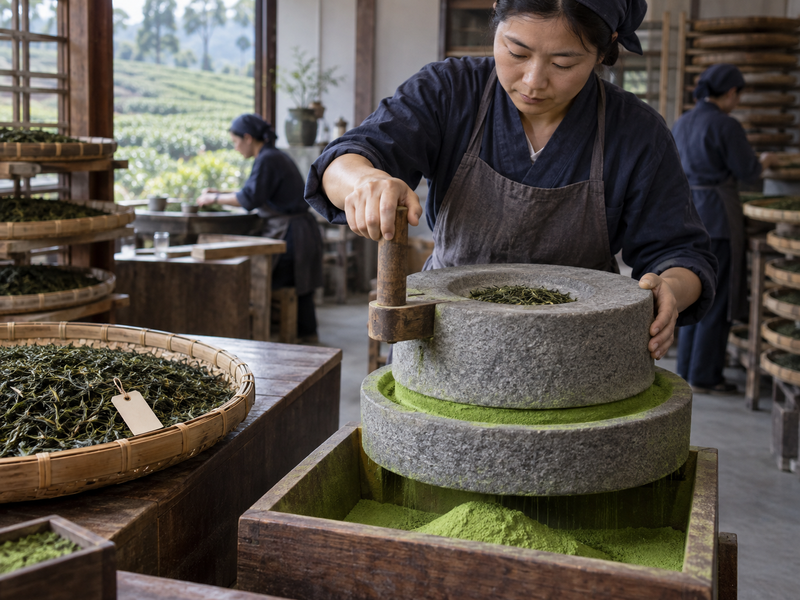
Picked leaves are only the beginning. Conventional matcha processing turns shaded leaf into tencha by steaming and drying without rolling, then mills it into powder. A research review of matcha manufacture describes that general sequence. A supplier should explain its actual process and the timing from fresh leaf receipt to stabilized material. A premium picking can be compromised by weak handling or storage after harvest.
Ask how the factory controls moisture, foreign material and batch separation. Check whether the dry intermediate material is held before milling and how it is protected. Milling and packing dates can be much later than the picking date. For a retail product, compare a fresh sample with one stored under realistic distribution conditions. The best harvest story is useful only if the sold powder retains the desired color, aroma and taste.
| Stage | Quality question | Record |
|---|---|---|
| Receiving | Which field and picking? | Leaf ticket |
| Stabilizing | Was the process timely? | Batch timeline |
| Drying | Is moisture controlled? | Release test |
| Milling | Which dry-leaf lot entered? | Mill log |
| Packing | Was powder protected? | Pack record |
6. Is First Harvest Always the Best Choice?
Decide what “best” means in the product
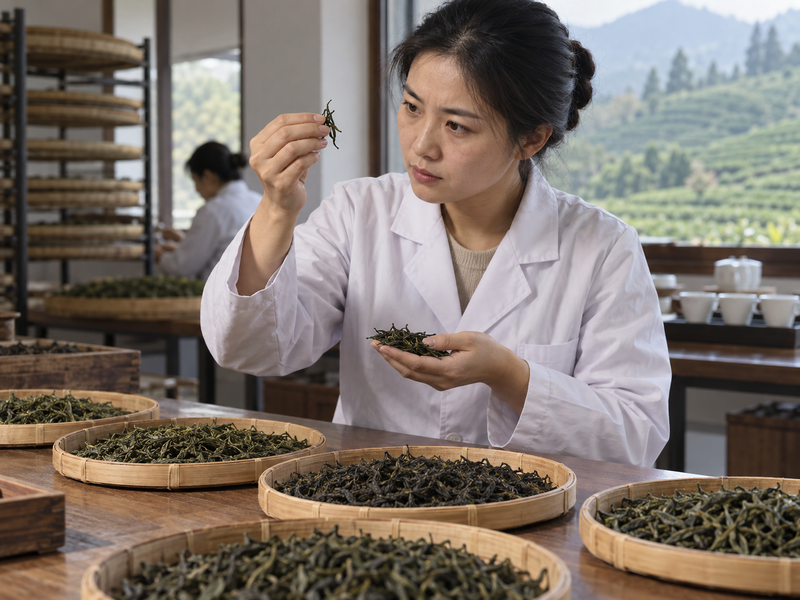
Early spring pickings are often sought for a particular sensory style and can command a higher price. That does not mean every first-harvest powder is automatically better for every recipe. A café serving straight matcha may value delicate aroma and low harshness. A bakery may need the tea flavor to remain noticeable after butter, sugar and heat. A later or blended lot could be a better commercial fit if it meets the specification at a sustainable price.
Run a blinded application trial where practical. Compare equal doses of representative commercial lots, not a premium sample against a weak substitute. Record color, aroma, bitterness, texture and cost per finished serving. If the brand promises “first harvest,” verify the lot claim and accept the sourcing constraints that come with it. If it does not make the claim, focus on repeatable sensory and quality limits. The buyer’s target should be explicit before seasonal language enters the brief.
7. Can Harvest Lots Be Blended?
Blending can support consistency if it is documented
Suppliers may blend lots to maintain a target color, flavor or price across the year. This can be a sound production method when the components are traceable and the finished blend meets the agreed specification. It becomes a problem when a blend contradicts a single-harvest or single-origin claim on the pack. Ask for the blend policy, change-control rules and records connecting each component to the final batch.
Approve blends in the final application. Two acceptable powders mixed together do not necessarily produce the exact sensory average a buyer expects. Test the finished blend at commercial scale and retain a reference sample. If the composition changes materially, require notice and a new approval. Keep any harvest wording broad enough to remain true or restrict the formula so the specific claim can be supported on every production run.
| Blend goal | Potential benefit | Required control |
|---|---|---|
| Color consistency | Stable visual profile | Lot-linked ratio and test |
| Flavor balance | Less seasonal drift | Sensory approval |
| Volume supply | Fewer stockouts | Source traceability |
| Cost control | Predictable pricing | Claim review |
8. How Should a Harvest Claim Be Proved?
Make the label traceable to leaves
Claims such as “first harvest,” “spring picked” or a named crop year should connect to leaf records. Ask for field or farm tickets, receiving logs, process and milling batches, and pack codes. If a product contains a blend, the claim should be reviewed against every component. A warehouse invoice alone may identify the supplier but not prove the leaf picking period. Keep the evidence file with the approved artwork and the formula version.
Review online descriptions, not just printed pouches. A distributor may add seasonal wording to a product listing after the manufacturer’s stock has changed. Define who can approve updates and when an old page must be revised. If the claim cannot be supported across all lots in a SKU, use a lot-specific label or remove the claim. Buyers gain more trust from a modest accurate description than from a precise-sounding seasonal promise with no records behind it.
9. How Should a Buyer Plan Around the Season?
Forecast powder, not just fresh leaf
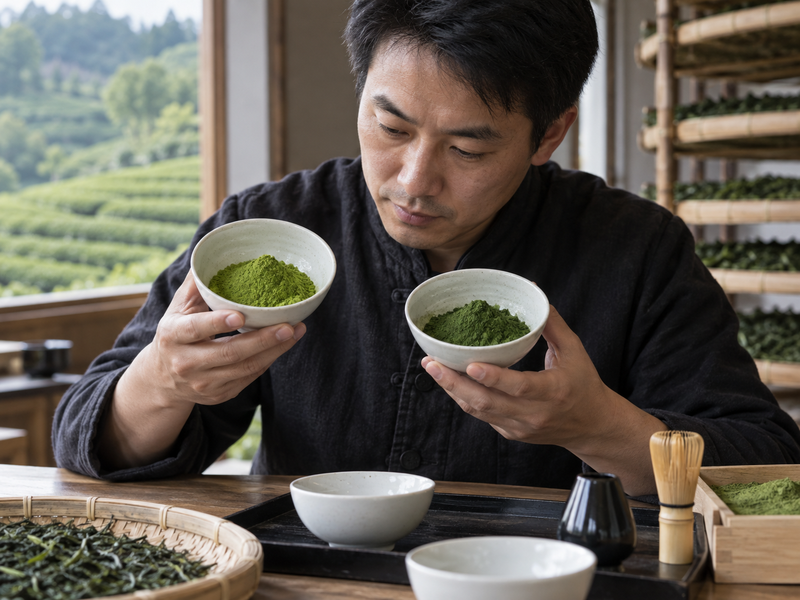
Tea is harvested seasonally, but demand may be year-round. Estimate the annual need by product line and specify how much approved material must be reserved. Ask the supplier about milling capacity, pack format, storage conditions and lead time. A sudden increase in demand can force substitution unless the contract says how alternatives are approved. Build a buffer for testing and import transit, especially for private-label launches with fixed retail dates.
Do not buy a full year’s stock solely because the early sample tastes good. Verify the proposed pack and shelf-life evidence for the period it will be held. Request pre-shipment samples from the actual lots and define remaining shelf life on arrival. A seasonal procurement plan should include how the next harvest will be compared with the current reference. That creates a controlled transition rather than an unnoticed formula drift.
Keep a calendar for artwork and sales claims too. A “new harvest” banner left online after inventory turns over can misdescribe a perfectly acceptable powder. Assign someone to retire seasonal copy when the matching lot sells out, and link that decision to the warehouse lot report.
Do the same for distributor listings.
10. What Belongs in a Harvest Specification?
State claims, acceptable variation and approvals
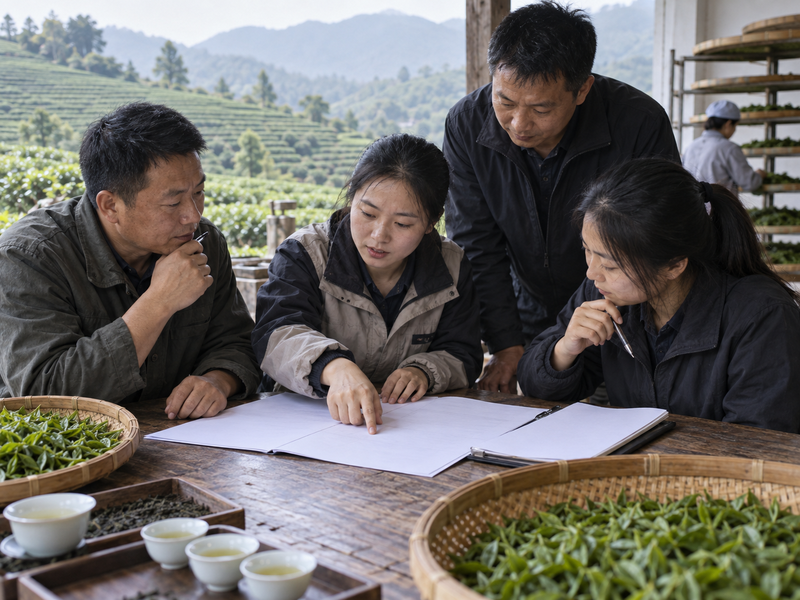
The specification should identify origin, crop year or picking when claimed, raw-leaf standard, shade documentation, process route, finished-powder tests, approved sensory reference and pack requirements. Include the lot coding and records needed to prove the claim. Define which changes require a new sample: different region, cultivar, harvest window, blend or process. Give the supplier realistic tolerances for seasonal variation that do not undermine the finished product.
Matcha Village’s materials describe manufacturing and private-label supply. A buyer should request the actual harvest and processing records for the selected powder before printing a seasonal claim. A sound specification lets the supplier plan capacity and tells the brand what it is buying. Harvest becomes a useful sourcing fact rather than a vague badge on the front of a pouch.
| Specification item | Evidence |
|---|---|
| Harvest claim | Field and picking records |
| Leaf standard | Raw material specification |
| Process | Batch flow and release data |
| Sensory | Application trial and reference |
| Continuity | Reserved volume and change notice |
Frequently Asked Questions
Q1. Is matcha harvested only once a year?
Tea harvest patterns vary by growing region and production program. Ask for the actual picking record rather than assuming one universal schedule.
Q2. Does “first harvest” guarantee the best matcha?
No. It describes timing. Quality still depends on raw material, processing, storage and performance in the intended recipe.
Q3. Can powder be milled months after the leaf was picked?
Yes. Harvest, processing, milling and packing can occur on different dates. Each should be recorded separately.
Q4. Is blending harvests dishonest?
No, if it is controlled and the finished product is described accurately. It must not contradict a specific single-harvest claim.
Q5. What should a buyer request for a spring-harvest claim?
Ask for lot-linked field, harvest, receiving, processing, milling and packing records that connect the finished pouch to the claimed picking.