
Matcha tea leaves shaded cultivation describes a field practice, not a finished-powder specification. A supplier may show covered tea rows and a vivid sample, yet a buyer still needs to know which harvest lot entered the proposed SKU. Ask how shade was applied, what was recorded and whether the resulting powder works in the target recipe. Our matcha production process guide follows the material after harvest; the checks here keep the field claim tied to the correct lot.
Contents
- 1. What does the supplier mean by shaded cultivation?
- 2. How is shade coverage described and checked?
- 3. Why does timing matter more than a slogan?
- 4. How do field conditions affect a comparison?
- 5. What can research say about leaf composition?
- 6. How does the harvest lot retain its identity?
- 7. What happens when leaves reach the processor?
- 8. Which claims require evidence beyond a field photo?
- 9. How should buyers test the resulting powder?
- 10. When should a shade-practice change trigger review?
1. What does the supplier mean by shaded cultivation?
Request an operating description
Ask what is covered, where and during which period before harvest. The supplier may use overhead structures, netting or another local method. A buyer should record the field practice claimed for its material rather than assume that every photograph of shade cloth describes the same light conditions. Matcha production traditions include shaded tea, yet commercial methods vary. The supplier’s answer should identify the crop lot, not merely a demonstration plot.
Decide why the detail matters. If a brand plans to say “shade grown,” it needs support for that label wording. If a beverage manufacturer primarily seeks a flavor and color range, field details may help explain variation but the finished powder trial remains decisive. Ask whether shaded and unshaded materials share intake or processing equipment and how they stay identified. This establishes a useful chain before a sales conversation turns field practice into a guarantee of sweetness or premium quality.
2. How is shade coverage described and checked?
Distinguish a target from a measured condition
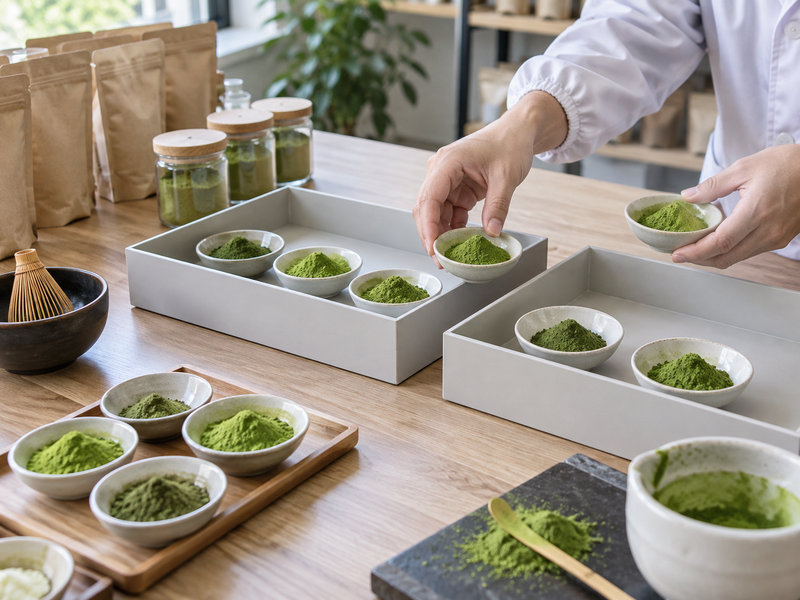
A shade net’s nominal rating does not alone establish light received by every leaf. Ask how the grower defines its target and whether it checks coverage, installation and damage during the period. Different positions within a field may receive different light. The buyer need not demand a research instrument in every row, but the supplier should explain what it monitors and how it handles uncovered sections. A field map and dated inspection record are more informative than a single attractive image.
When comparing suppliers, do not equate a quoted shade percentage with finished quality. Cultivar, season and later processing also affect the product. Ask for a coded sample and a source record for each proposal. If a supplier claims an exact treatment for the finished powder, verify that all input lots in that blend followed the described practice. If they did not, adjust the claim or the product requirement. The buying question is whether the field description can be traced and whether its output meets your needs.
| Coverage question | Practical record | Buyer interpretation |
|---|---|---|
| Which area? | Plot map | Defines claim scope |
| Was cover intact? | Dated inspection | Shows operation, not flavor |
| Which leaf left? | Harvest code | Links field to batch |
3. Why does timing matter more than a slogan?
Link dates to harvest material
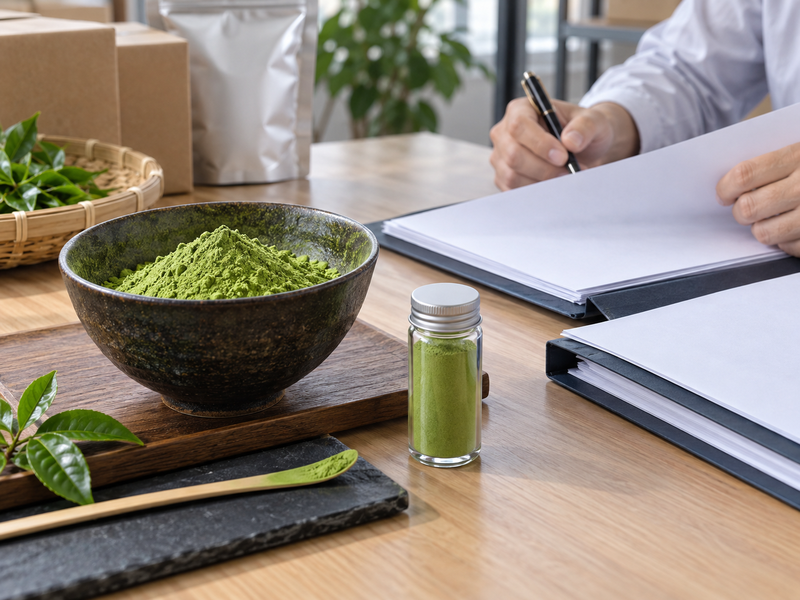
Suppliers may describe a set number of days under shade, but buyers should ask when the period began and ended for the specific harvest. A company average may not match the lot in the sample pouch. Request a record connecting plot, cover dates, picking date and intake code. If several harvests enter one powder blend, ask whether the published statement applies to every component or only part of it. This protects label wording and helps product development understand a later change.
Avoid imposing a universal day count as a shortcut for quality. The shading study on matcha tea plants examined particular light treatments and found differing responses in measured components; its findings should not be converted into a guarantee for every region or cultivar. If the target product requires a certain flavor, test that outcome directly. Keep dates as evidence of practice and samples as evidence of finished-product fit.
4. How do field conditions affect a comparison?
Compare like evidence where possible
Season, cultivar, field position and weather can differ between two supplier samples. If a buyer asks whether shading caused a flavor difference, those variables matter. Request enough context to avoid a false one-factor conclusion. A darker powder from one producer may reflect leaf source, heat treatment, milling or storage as well as field light. The buyer can still choose the better product without proving which factor produced the result.
Build the comparison around the commercial use. Ask both suppliers for the source description and the same type of coded production sample. Prepare the powders in one recipe under identical conditions. Record sensory and color results separately from field claims. If one supplier offers a shade-treated premium product and an unshaded culinary powder, compare both in the finished application rather than assuming the more elaborate practice must win. A café latte and a straight tea may yield different purchasing decisions.
| Source variable | Ask for | Keep separate from |
|---|---|---|
| Cultivar | Named or mixed input | Shade duration |
| Harvest | Picking window | Mill setting |
| Storage | Material and pack conditions | Field light |
5. What can research say about leaf composition?
Use study results with their boundaries
Controlled research can explain why shade management is worth discussing. In the cited experimental study, shade treatments changed measured chlorophyll, amino acids and catechins in the studied tea plants. The response was not a single straight line for every component. The study does not establish the composition or taste of a supplier’s current powder. That requires an identified lot and, where a chemical value matters, an appropriate product test.
Avoid translating leaf measurements into health promises. For buyers, the practical question is whether a shaded material route produces the approved color, aroma and flavor under normal commercial production. Ask for the supplier’s actual lot data if a specification names a compound or color value. Otherwise use shade records as context and rely on application trials. A field practice can be credible without being the only reason a drink tastes good. This distinction keeps procurement language honest and prevents research findings from being overstated in sales copy.
6. How does the harvest lot retain its identity?
Make the plot-to-intake link visible
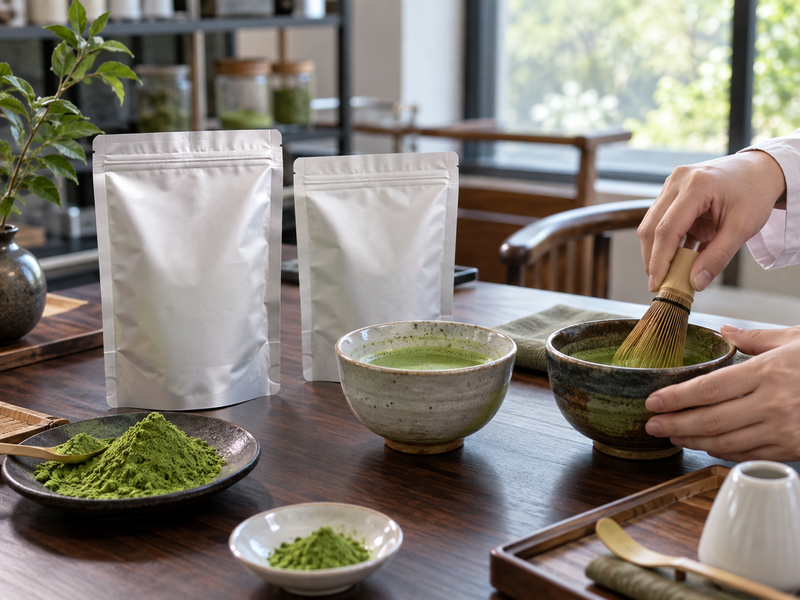
At harvest, a field record should become a material identifier that the processor can recognize. Ask how bags or containers are labeled, how quantities are recorded and who checks receipt. If material from several plots is combined, the combination should be documented before the powder is sold under a single shade claim. A buyer can request a redacted trace example without asking for every confidential farm detail. The point is to show that a crop lot does not vanish into an unidentifiable pool.
Work backward from one finished powder code to its prepared-leaf inputs and then to harvest records. Work forward from one harvest code to all finished batches containing it. If the supplier cannot complete both directions, mark the trace gap before approving a claim-bearing order. A regional story can be accurate while a particular shipment remains unverified. The trace exercise settles the latter question and gives the supplier a chance to improve records before volumes increase.
| Trace point | Identifier | Review |
|---|---|---|
| Plot harvest | Field and date code | Claimed shade period |
| Processor intake | Material lot | Quantity and status |
| Finished pack | Powder lot | Input linkage |
7. What happens when leaves reach the processor?
Follow a controlled material route
Harvested tea undergoes processing before milling. Ask where the proposed lot receives heat treatment, drying and sorting, and whether another business performs those stages. A field practice does not protect quality if leaf identity, condition or handling is lost after picking. Request an intake specification and one batch record that links the material to prepared tea. If the milling factory buys tencha, it should explain how it qualifies that input and reconciles supplier codes.
Ask how the processor handles a damaged or unclear lot and how it prevents use before review. Record where prepared tea is stored and what happens when lots are blended. The buyer does not need to reproduce the factory’s operating manual; it needs a route that supports a specific powder. A supplier can show excellent shade records while its downstream sample performs poorly. That outcome calls for a product review, not a blanket verdict about the field method.
8. Which claims require evidence beyond a field photo?
Separate practice, origin and certification
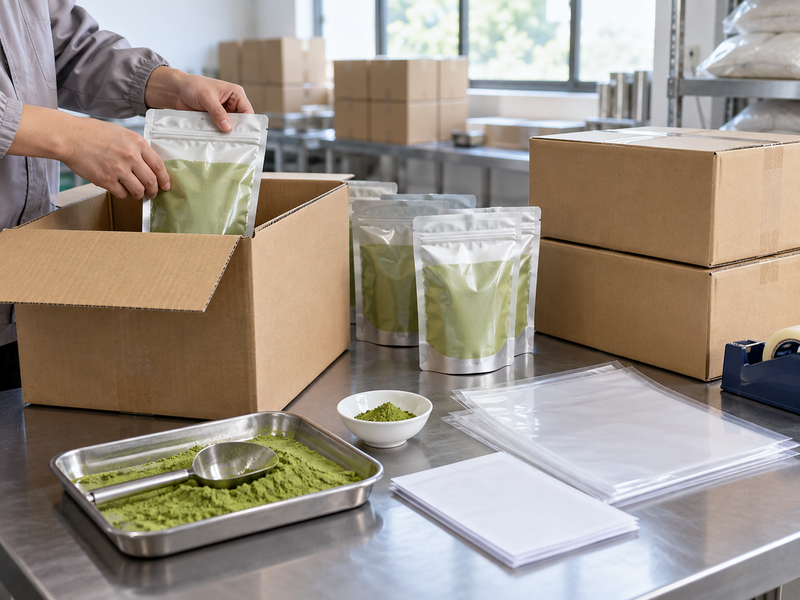
“Shade grown,” a named origin and “organic” are different claims. Shade grown needs a field-practice link for the material used. Origin needs source and batch records. Organic requires current certification scope and a controlled chain through processing and shipment where applicable. An image of covered tea rows does not prove any of these for a packed product. Ask the brand’s qualified reviewer to approve label wording against the exact SKU and destination.
Matcha Village’s supplied material describes shade management before harvest and tea garden resources near Hangzhou. Treat that as background until a specific product’s source is confirmed. If the brand wants a precise shade duration on pack, ask for records covering the proposed lot and any blended inputs. If no claim will be printed, the supplier may still share field practices to explain its selection. Do not make the sourcing file heavier than the business need, but do not let broad marketing wording stand in for evidence.
| Claim | Needed link | Does not suffice |
|---|---|---|
| Shade grown | Field dates to lot | Field photograph |
| Named origin | Source to finished code | Factory address |
| Organic | Certificate and custody | Residue result alone |
9. How should buyers test the resulting powder?
Run a coded application trial
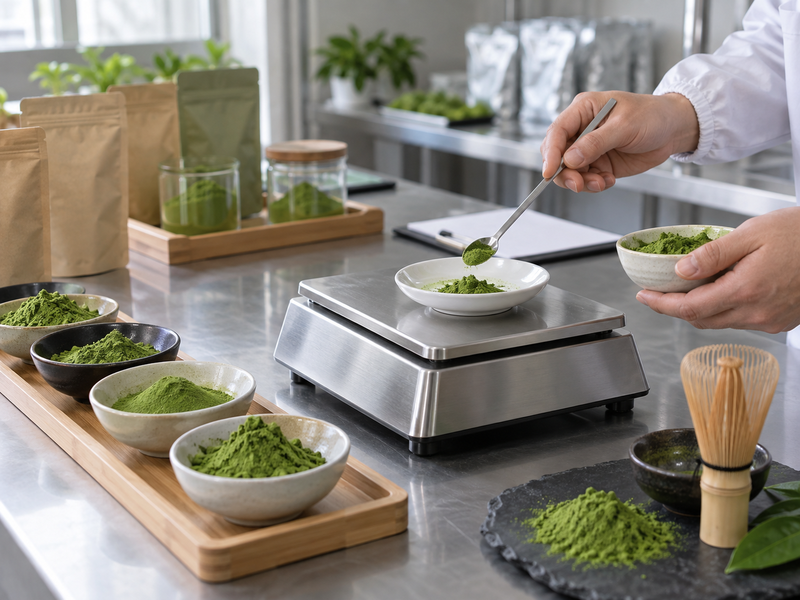
Request a sealed sample identified by product and lot. Ask whether it came from routine production using the shaded material described. Prepare it in the intended product at a fixed dose. For straight tea, note aroma, color, body and finish. In a latte, use the actual milk and service method. Bakery products should be judged after the full process. Keep one unit unopened for a later comparison. A sample can demonstrate commercial fit, while its code connects the result to field and processing records.
Compare a second lot when the supply program will rely on repeatability. Record whether variation stays inside your approved range. If the supplier proposes another shade schedule or material source to secure more volume, test the resulting powder as a possible change. Do not assume the new route will improve or worsen quality without an application trial. The buyer’s goal is a supply definition that can tolerate sensible agricultural variation while preserving the customer experience.
10. When should a shade-practice change trigger review?
Set the boundary in the specification
Ask the supplier to notify the buyer when a change affects a claim, source definition or approved sensory range. A different plot with the same documented practice may be acceptable under a multi-source product. An unshaded input cannot silently enter a product sold as shade grown. Changes in cultivar or harvest plan may call for a coded sample and recipe comparison. Define who can approve each case before placing the first recurring order.
Keep field records, material trace, product specification and sample decision together. At each reorder, confirm the proposed lot follows the approved route or review the difference. This is not a demand for identical weather. It is a practical way to avoid an unannounced material change under an unchanged product name. Ask for one traceable commercial example and one application sample before accepting a detailed shade claim.
| Change | Buyer question | Likely review |
|---|---|---|
| New plot | Same claim and records? | Trace check |
| New shade schedule | Does claim still fit? | Label and sample review |
| Unshaded input | Is product definition changed? | New SKU decision |
FAQ
Q1. Does a shade percentage guarantee quality? No. It describes one growing condition; test the finished powder and its records.
Q2. Can one field photo prove a batch was shade grown? No. Link field dates and harvest codes to the finished lot.
Q3. Is longer shading always better? Research responses depend on treatment and plant conditions, so buyers should avoid a universal rule.
Q4. What if several plots supply one powder? Require a traceable blend record and wording that accurately describes all inputs.
Q5. Should a new shade method trigger retesting? Review the claim and run an application trial when product performance may change.
Use shade records to understand the leaf, not to replace a powder trial. Trace one harvest into one coded sample and test it in the product customers will buy. If the supplier later changes that route, a written notice gives your team time to decide what should be checked again.