
Why does my matcha taste bitter when a sample once worked well? A recipe change, a stronger dose, storage after opening or a different powder lot may each alter the result. Do not replace the supplier on the basis of one cup. Start with a fixed preparation, compare a sealed reference and then trace the specific variable that changed. Our matcha water temperature guide helps teams document one preparation variable rather than guess at it.
Contents
- 1. What exactly is the complaint?
- 2. Is bitterness being confused with astringency?
- 3. Did the powder dose or liquid ratio change?
- 4. Did water or service conditions change?
- 5. Does the issue appear in every pack?
- 6. Could storage after opening explain it?
- 7. Does the bitterness follow a recipe ingredient?
- 8. What can a supplier sample comparison show?
- 9. When should a lot be placed on hold?
- 10. Which change will actually fix the program?
1. What exactly is the complaint?
Capture the drink and the lot
Write down who noticed the harshness, in which product, at what location and on which date. Keep the powder code, lot, pack size and opening date. Record the recipe, dose, liquid, mixing tool and serving delay. A customer who says “bitter” after a sweet iced latte may be noticing a different balance from a product developer tasting straight matcha in water. Do not start by changing three ingredients at once. The first task is to make the complaint reproducible.
Ask a second operator to prepare the drink from the written recipe with the same lot. Compare it with a sealed retained unit if one exists. If the result cannot be repeated, keep the complaint record and watch for a pattern rather than declaring a supplier failure. If it recurs, separate the powder, preparation and storage questions. This approach respects the customer experience while giving the buyer evidence it can use with the manufacturer.
2. Is bitterness being confused with astringency?
Describe the sensation precisely
Bitterness is a taste. Astringency feels drying or puckering in the mouth. A person may experience both, and a team may use the word “bitter” for either. Ask panelists when the sensation appears: immediately, after swallowing or after several sips. Record whether it fades or persists. Use the same dose and temperature for all comparisons. Without this distinction, a supplier may suggest a different grade while the actual issue is a dry finish in a particular milk drink.
Use a simple scoring form with separate spaces for bitterness, astringency, aroma and overall balance. Have reviewers comment independently before a group discussion. If one person alone detects a defect, repeat the coded test with a fresh preparation. Do not treat astringency as proof of unsafe product or a particular chemical composition. Sensory language narrows the investigation; lot reports and other records are needed for technical conclusions.
| Observation | Ask the taster | Follow-up |
|---|---|---|
| Bitter taste | When does it peak? | Check dose and powder |
| Dry mouthfeel | How long does it last? | Compare recipe and lot |
| Stale aroma | Present before mixing? | Inspect pack and storage |
3. Did the powder dose or liquid ratio change?
Weigh a real serving
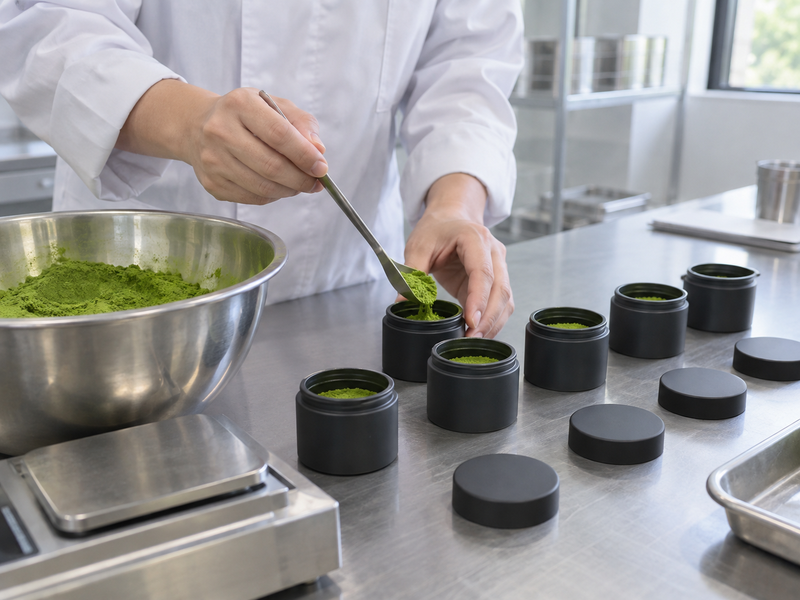
Small changes in powder per cup can alter taste and cost. Measure what staff actually use, not only what the recipe card says. A heaped spoon varies from person to person; a scale or controlled scoop can show whether the drink became more concentrated. Check cup size, ice fill and the amount of water used to disperse powder before milk is added. If one store switched to a smaller cup without changing the scoop, the supplier’s lot may not be the cause.
Prepare two coded drinks using the same powder and liquid with the approved dose and the observed store dose. Have the team compare bitterness and tea strength blind. If the difference follows concentration, revise training or portion control before buying a new grade. If the complaint remains at the approved dose, continue the investigation. Record every test condition; “we tried less powder and it was better” gives the manufacturer little information unless the quantities and recipe are known.
4. Did water or service conditions change?
Run one-variable preparation tests
Compare the actual water temperature with the written method. Check whether staff whisk powder in a small amount of water, add it directly to cold milk or leave a prepared concentrate standing. These methods can change perceived flavor and texture. Because matcha is a powder suspension, a preparation problem is not simply a matter of steeping time like loose-leaf tea. Use the exact service sequence when testing a complaint.
Prepare a small matrix: approved temperature and method, current store practice and one carefully controlled alternative. Keep the same powder lot and dose. Record immediate taste and the result after the normal customer delay. Do not introduce a new syrup while comparing water conditions. If a warmer preparation tastes harsher to the panel, update the operating method and train staff using measured conditions. If all methods show the same unexpected note, inspect storage and lot evidence next.
| Test | Keep fixed | Change |
|---|---|---|
| A | Powder, dose, cup | Approved method |
| B | Same powder and dose | Current store method |
| C | Same recipe | One controlled temperature |
5. Does the issue appear in every pack?
Map the complaint before blaming a batch
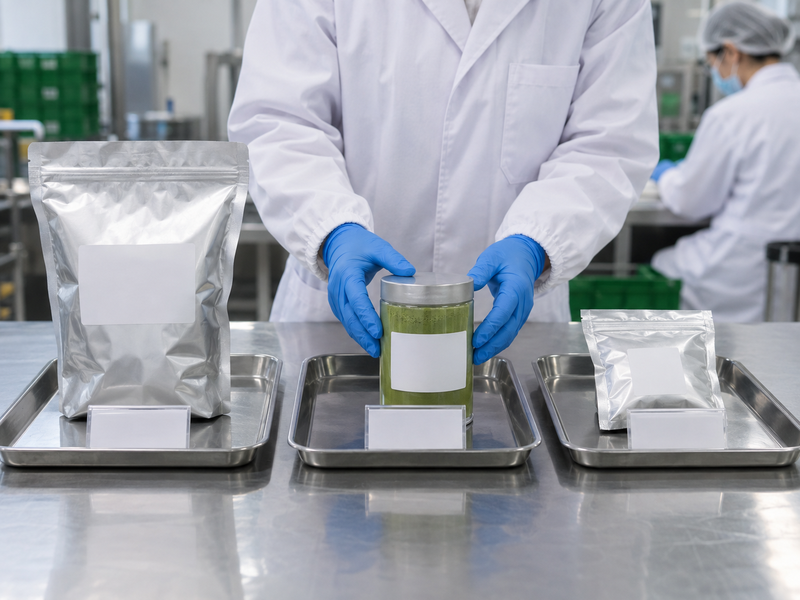
Collect lot codes from affected stores and a few unaffected stores. Check whether complaints cluster in one lot, one shipment, one pack format or one handling location. A single open tin has a different evidence value from sealed bags across a production batch. Ask the warehouse to set aside sealed units from the same lot while the team tests them. Do not mix stock during the investigation; clear lot separation makes an answer possible.
Prepare blind comparisons using a sealed affected-lot unit, a retained approved sample and, if available, a different current lot. Use the same method and panel. If bitterness follows one lot across sealed units, request the supplier’s batch, sample and release records. A one-store pattern points toward preparation and storage there. When every lot suddenly seems harsher, check whether the recipe or consumer expectation changed. This map prevents a narrow problem from turning into an unnecessary product change.

6. Could storage after opening explain it?
Compare sealed and opened powder
Ask how long a unit stayed open, whether its seal was closed between uses and where staff stored it. Heat, moisture, light and nearby odors are practical concerns for a fine tea powder. Compare an opened pack with a sealed unit from the same lot under identical preparation. If only the opened pack has a dull or harsh note, review pack size, opening frequency and staff handling. Do not claim a specific chemical cause from taste alone.
Check the supplier’s storage instructions and whether they fit your operation. A large bulk bag may work in a factory using it quickly but be awkward for a small café that opens it repeatedly. If the pack cannot be closed reliably, discuss a different unit size or closure. Record the date of opening on store stock during a pilot period. This simple practice can show whether customer complaints rise with time after opening and whether changing the pack solves the issue.
| Handling point | Record | Possible action |
|---|---|---|
| Opening date | Store label | Set use period review |
| Closure | Seal inspection | Change pack or training |
| Location | Heat, light, odors | Move stock |
7. Does the bitterness follow a recipe ingredient?
Isolate milk, sweetener and other flavors
Taste the powder in a fixed water preparation, then in the actual finished drink. If harshness appears only after milk or syrup, investigate the recipe interaction. A switch between dairy and plant milk, a lower sugar dose or a new flavor concentrate can change balance without any change in matcha. This does not mean the powder is unsuitable; it means the finished product needs a controlled comparison. Ask product development to own this test, while purchasing maintains the supplier lot evidence.
Run paired samples with one variable changed at a time. Keep the matcha lot and dose fixed while switching the milk, then repeat with the sweetener. Document whether the complaint follows a particular ingredient brand or serving condition. If you revise the recipe, update the approved standard and store instructions. Do not ask the supplier to guarantee taste in a formulation it has not seen. Share enough of the application to request a useful alternative grade if reformulation becomes necessary.
8. What can a supplier sample comparison show?
Request a coded second opinion
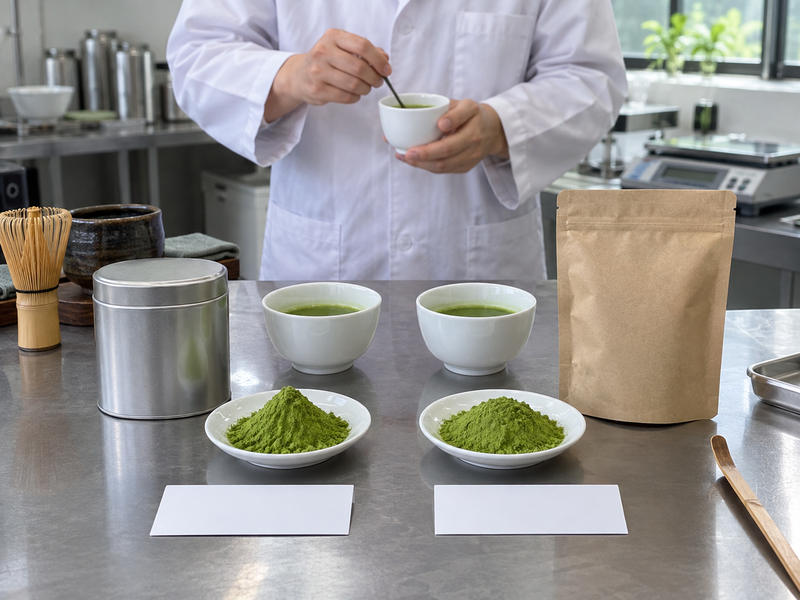
Send the supplier the lot, pack condition, recipe and precise sensory notes. Ask for its retained sample from the same lot and the approved reference if available. Have both parties prepare coded comparisons under an agreed method. If the supplier proposes a replacement powder, test it as a new product with its own code and specification. A free sample is not a controlled corrective action until the buyer knows what changed and whether that change can be repeated.
Review the supplier’s batch record and release decision for a lot-level pattern. Did raw material, blend, milling line or pack change? Was a sensory check recorded? A report showing routine results may narrow the search but not erase the buyer’s application complaint. Document points of agreement and disagreement. Where needed, retain unopened stock for a third-party or joint evaluation under a written plan. The purpose is a fair diagnosis, not a debate over whose tasting vocabulary is correct.
| Supplier item | Buyer checks | Why |
|---|---|---|
| Retained lot sample | Same code and sealed state | Confirm comparability |
| Batch record | Material and process changes | Identify candidate causes |
| New proposal | New code and trial | Avoid silent substitution |
9. When should a lot be placed on hold?
Separate sensory dissatisfaction from safety concerns
If sealed units across a lot show a repeatable result outside an agreed sensory specification, hold the affected stock under your quality procedure while reviewing evidence. If there are signs of damage, wrong identity or a food safety concern, involve qualified quality personnel immediately and follow the business’s established incident process. A café manager should not decide alone that an unidentified product is safe to serve or that a harsh taste proves contamination.
Define who can release held stock and what evidence is required. Keep the lot and affected quantities visible in the inventory system. Ask the supplier for its investigation and disposition, but retain the buyer’s own acceptance authority. The Codex General Principles of Food Hygiene provide a general framework for documented food controls. Your local procedure should say what happens to the actual product while the complaint is unresolved.
10. Which change will actually fix the program?
Close the complaint with a testable action
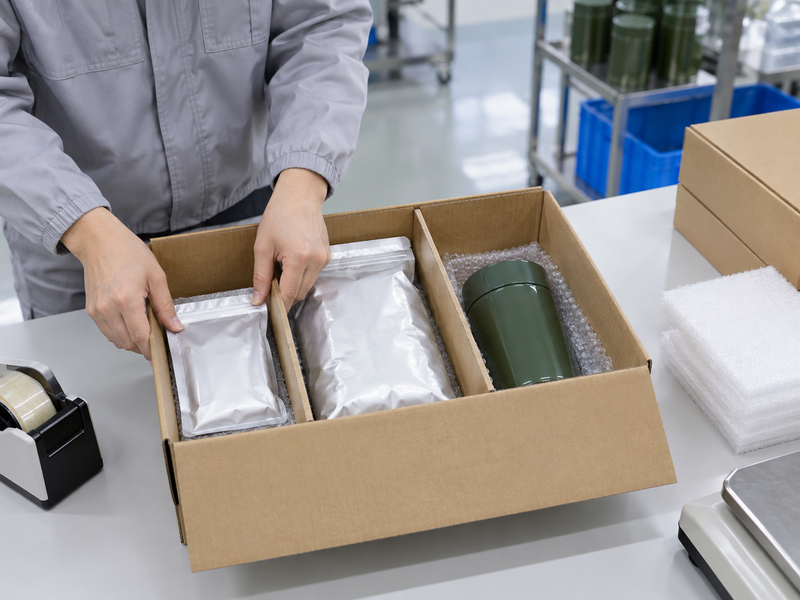
Choose a response based on the evidence. Correct an excessive store dose with measured training. Change pack size if opened stock loses acceptability before staff can use it. Requalify a powder if the approved grade no longer fits a changed recipe. Work with the supplier on corrective action if sealed lots differ from the agreed reference. Assign an owner and a date, then retest the same outcome that triggered the complaint. A general promise to “improve quality” is not enough.
Update the approved recipe, sample reference, pack specification or supplier change notice as needed. Tell purchasing what may be reordered and quality what should be checked at receipt. Matcha Village’s range can support alternative product selection, but an alternative still needs a coded sample and application trial. The useful answer to “why does my matcha taste bitter?” is a documented cause and a correction that staff can reproduce on a busy service day.
| Finding | Action | Verification |
|---|---|---|
| Dose drift | Standardize portion | Store preparation audit |
| Open-pack decline | Adjust pack and storage | Timed sample trial |
| Lot difference | Supplier investigation | Sealed-lot comparison |
FAQ
Q1. Does bitter matcha always mean poor tea? No. Check dose, preparation, recipe and pack handling before judging the powder.
Q2. Can hotter water change the experience? It may change perceived flavor; test your actual method at measured conditions.
Q3. Is astringency the same as bitterness? No. Record taste and drying mouthfeel separately.
Q4. Should one complaint trigger a supplier change? Investigate its repeatability, lot pattern and preparation before changing an approved product.
Q5. What should I send the supplier? Send product and lot code, pack condition, storage history, recipe and precise sensory observations.
Keep a sealed reference and a written recipe before the next complaint arrives. When a drink turns harsh, compare one variable at a time and record the result. That turns a frustrating customer comment into a decision about training, packaging, recipe or supplier stock that the team can actually implement.