
Matcha cultivation shapes the leaf entering a processing plant, but field photographs rarely tell a buyer which leaf became a delivered powder. Ask for a source description, shade and harvest records where relevant, and a link to the finished lot. Then test the powder against the intended recipe. Our matcha production process guide follows the later handoffs; this article concentrates on decisions made before leaf reaches the mill.
Contents
- 1. What does cultivation cover in the buying file?
- 2. How should a buyer identify the growing source?
- 3. Why does cultivar belong in the discussion?
- 4. What should shading records show?
- 5. How should harvest timing be described?
- 6. What happens between picking and intake?
- 7. How can the buyer check a farm claim?
- 8. How do agricultural inputs enter quality review?
- 9. What can a finished powder sample confirm?
- 10. How should cultivation changes affect approval?
1. What does cultivation cover in the buying file?
Define what matters to the product
Cultivation covers the managed tea plant before harvest: source, cultivar, field care, shading where used and the timing and method of harvest. A buyer does not need every farm instruction. It needs the practices that support a claim or influence an approved product. Start with the intended use. A straight-tea brand may require a particular origin and sensory profile. A food manufacturer might accept several input areas if each produces a powder that passes the same application test and safety review.
Write the required and optional field attributes separately. If the retail pack names a region, source traceability becomes a gate. If the product simply needs a consistent flavor in milk, the supplier can propose a controlled blend of inputs. Avoid treating an attractive farm story as proof of quality. The buying file should say which cultivation facts are relevant, how they are documented and who reviews a change. That makes upstream questions proportionate to the decision rather than a request for every record a farm possesses.

2. How should a buyer identify the growing source?
Connect the field description with material codes
Ask the supplier for the growing area and the operator that provides leaf for the proposed SKU. A factory address does not establish where the leaf grew. If the source is a group of gardens, ask how members and deliveries are identified. A geographic claim on packaging requires a route from named input lots to finished powder; a broad sourcing description may suffice when the brand makes no specific origin promise. Let the claim determine the detail required.
Select one recent finished lot and work backward to its incoming material records. Check dates, supplier identifiers and whether several inputs were blended. Ask who verifies the source information at intake and what happens when a delivery lacks it. A supplier might protect commercially sensitive farm details while still showing enough coded evidence for buyer quality review. Record the level of access agreed in the contract. The trace should survive staff changes and not depend on a sales representative remembering a farmer’s name.
| Source item | Evidence | Buyer use |
|---|---|---|
| Growing area | Input record | Support origin wording |
| Operator | Supplier code | Assign responsibility |
| Finished link | Batch record | Trace delivered powder |
3. Why does cultivar belong in the discussion?
Treat a variety name as one variable
Tea cultivars can differ in growth and sensory character, but a cultivar name alone does not predict the result in a buyer’s recipe. Ask whether the supplier’s proposed powder uses a named cultivar, a mix or an approved range. If a consumer label will name one, request evidence for the actual lot. If the buyer has no cultivar claim, set the finished sensory and physical outcomes first. The supplier can then explain how it manages source variation to meet them.
Compare coded samples from any proposed alternatives under one preparation method. Record the application result rather than infer quality from a familiar Japanese cultivar name or an unfamiliar Chinese one. If an input mix changes later, decide whether the supplier must notify you and provide a fresh sample. Keep cultivar discussion linked to traceability and performance. Otherwise it becomes a marketing detail that can distract from the powder’s actual flavor, color and supply availability.
4. What should shading records show?
Ask for practice and lot scope
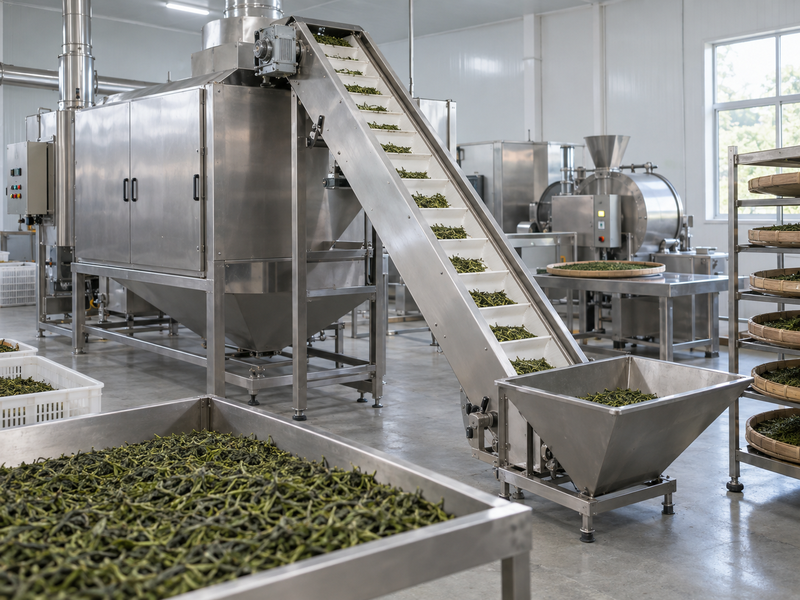
Shading is a common part of matcha cultivation, but its intensity, duration and timing vary. Ask the grower or supplier how it describes the practice for the leaf used in your SKU and which harvest lots the record covers. A published tea shading experiment found changes in measured leaf components under different light treatments in its studied plants. That is evidence that conditions matter, not proof that one commercial shade schedule guarantees a particular taste.
Review dates, field identifiers and the transition into harvest records. If the supplier claims a precise number of shaded days, it should be able to support that statement for the offered product rather than repeat a company-wide average. Do not require identical shade practice from every supplier if your buying decision rests on a finished-product range. Use the record to understand input controls, then verify the resulting powder in your recipe. Quality is made through the entire route, not the shade net alone.
| Shade question | Practical evidence | Interpretation limit |
|---|---|---|
| Which field? | Plot or source code | Not a finished-lot proof alone |
| When covered? | Date record | Does not fix flavor by itself |
| Which harvest? | Linked lot code | Needs processing trace |
5. How should harvest timing be described?
Use actual dates and material identities
“Early harvest” and “first flush” may be useful descriptors, but the buyer should ask what date range and leaf selection they mean for the proposed material. Avoid assuming a season name has the same meaning across countries or suppliers. Ask whether the factory pools several picking dates into one tencha or powder lot. If so, request the batch record that shows the inputs. A branded harvest claim needs more than a photograph of a picker on a tea row.
Harvest timing can influence supply planning as well as flavor. Ask when the supplier expects to secure material for your launch and what it can reserve for repeat orders. Do not ask for a guarantee based on a future harvest that has not occurred. Instead, write a forecast range and a decision point for sample approval after processing. If the material source changes because of weather or availability, require notice and a comparison trial where the difference matters to your product.

6. What happens between picking and intake?
Find the first controlled handoff
Leaf moves from the field to a processor. Ask who accepts it, what condition checks occur and how the picking lot becomes an intake code. A claim about careful cultivation can lose value if mixed or damaged material arrives with no identity. Ask whether rejected leaf is segregated and who decides its disposition. When a milling factory purchases prepared tencha instead of fresh leaf, request its upstream supplier-control summary and the material specification used at receipt.
Review one actual movement record. It should link source, date, quantity, receiving status and later processing batch. If multiple field lots are combined, the combination needs a recorded decision. The buyer may not need every operational detail, but it should be able to reconstruct the material path for a shipment question. The Codex General Principles of Food Hygiene provide a broad control framework; the supplier’s own records show what happens at this handoff.
| Handoff point | Check | Reason |
|---|---|---|
| Field departure | Source and picking code | Preserve origin |
| Processor intake | Condition and quantity | Accept suitable leaf |
| Material storage | Label and location | Prevent mix-up |
7. How can the buyer check a farm claim?
Match the claim’s precision to evidence
A statement that tea came from a named province needs a source record that reaches the finished lot. A claim about a specific estate, shade period or organic status requires more detailed proof. Ask the seller to supply the document chain before the brand writes the phrase into artwork. If several origins enter the blend, choose accurate wording or change the product requirement. Do not infer origin from the location of a factory or from a photo taken at one supplier garden.
Organic status has an additional certification and chain-of-custody layer; it cannot be established by a field image or a single residue test. Keep that review separate from the sensory trial. Matcha Village’s supplied company material describes tea garden resources around Hangzhou and shade management. If the offered SKU is to carry either claim, request current records for its input lots. The audit question is not whether the company owns attractive land, but whether the specific powder in your pack follows the claimed route.
8. How do agricultural inputs enter quality review?
Ask the supplier to show its control program
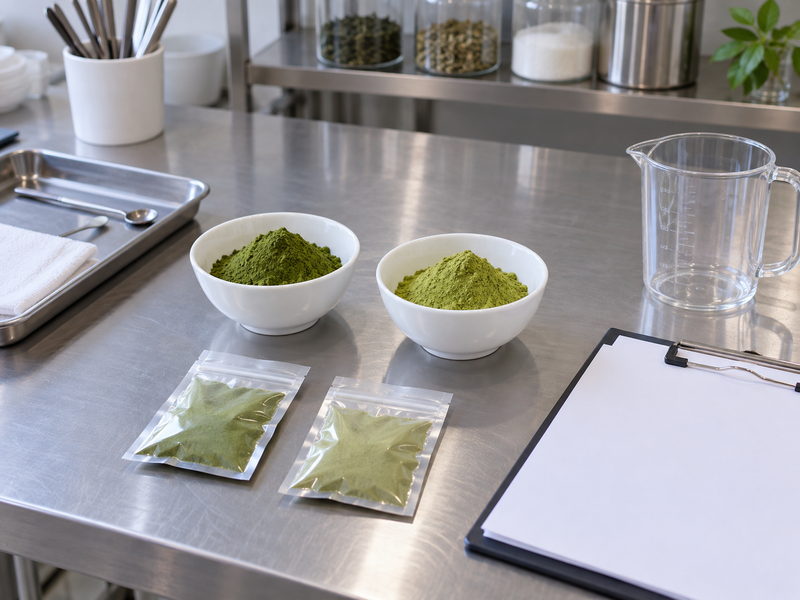
Buyers often need information about farm inputs and potential residues for the intended market. Have your qualified quality team define what evidence is needed. Request the supplier’s relevant cultivation controls, approved input practices, source qualification and lot testing where appropriate. Do not invent a universal residue panel or claim that a certificate means every possible analyte is absent. Test scope should match the product, source and destination.
Check how a result is linked to a material or finished lot and what happens if a value falls outside an agreed limit. A report without method, units or lot identity may be difficult to use. Ask whether a supplier change triggers a new risk review. If an importer must perform supplier verification under its own rules, it should organize the record request accordingly. Cultivation evidence is one part of the quality file; processing, packing and shipment controls still need review.
| Evidence type | What it answers | What it cannot replace |
|---|---|---|
| Farm practice record | Which inputs were managed? | Finished-lot result |
| Lot test | What was measured? | Whole cultivation history |
| Supplier review | Who controls the source? | Application trial |
9. What can a finished powder sample confirm?
Test the result, not the field story
A coded powder sample lets the buyer evaluate color, aroma, flavor and behavior in its product. Prepare it in water for a straight-tea use or in the actual milk, dough or frozen base for another application. Record dose, method, serving condition and decision. Keep a sealed reference unit. A sample cannot prove the truth of a farm claim, but it can show whether the output of the cultivation and processing route works for your customer.
Ask whether the sample represents routine production. If it comes from a special small batch, request a bridge sample from the intended commercial route. Compare a later lot when repeatability is a major purchase requirement. Keep the sample code with source and process records, so a deviation can be investigated. A buyer who approves “the tea from that garden” without a product code may later receive a different grade from the same region and have little basis for complaint.

10. How should cultivation changes affect approval?
Set a notice route before ordering
Agree which upstream changes the supplier will report: new growing area, changed cultivar mix, materially different shade practice, new harvest source or a different prepared-leaf processor. The buyer can then decide whether documentation is enough or a fresh recipe trial is needed. Not every weather variation needs an amendment, but a claim-bearing attribute or a change that shifts finished flavor may. Define that boundary in the product agreement.
At each reorder, ask whether the next lot follows the approved material route and compare its finished result with the reference. Keep the specification, source claim and sensory range current. A supplier’s ability to manage variable agricultural inputs honestly is more useful than a promise that leaves never change. Send one application brief and request the trace of one actual lot; that gives your team a practical basis for extending the supply program.
| Change | Buyer review | Possible outcome |
|---|---|---|
| New source area | Origin claim and sample | Amend or reject |
| New input mix | Sensory comparison | Retest recipe |
| New processor | Trace and controls | Requalify route |
FAQ
Q1. Is shading required for every tea powder? Tea powders vary; ask whether the offered matcha follows the shade and tencha route claimed by the supplier.
Q2. Does longer shade always mean better matcha? No single duration guarantees a result. Evaluate documented practice and finished powder performance.
Q3. Can a factory address prove the growing region? No. Trace the input lots behind the finished product.
Q4. Should a buyer specify a cultivar? Only when it supports the intended product or claim; otherwise set performance and change controls.
Q5. What should a harvest claim reference? It should connect a defined picking period and source to the processed and finished lots.
Matcha cultivation deserves attention where it affects a claim, supply or application result. Ask for the material path, test a coded finished sample and write down what can change. Those three actions turn a farm narrative into a product your business can order with confidence.