
Traditional matcha production in Japan may describe shaded tea, tencha processing or stone milling. For a B2B buyer, those details matter only when they describe the offered lot and support the product you plan to sell. Suppliers sometimes use “traditional matcha production Japan” as a broad sales label. In a purchasing brief, turn that label into named processing sites, a traceable sample and specific changes that require your approval. Ask where each stage occurred, taste a traceable sample and check the repeat-order route. Matcha Sunday’s overview gives a consumer-facing process narrative; procurement needs a narrower, verifiable file. The tencha versus matcha guide explains the material change before stone milling.
Contents
- 1. Which part of production is called traditional?
- 2. What evidence supports Japanese origin?
- 3. How should cultivation stories be handled?
- 4. What makes tencha processing distinctive?
- 5. Does stone milling answer the texture question?
- 6. How should a buyer test the cup?
- 7. Which modern controls belong in the process?
- 8. How do artisan claims affect supply planning?
- 9. What can marketing safely say?
- 10. When is the production story worth a premium?
1. Which part of production is called traditional?
Pin down the actual method
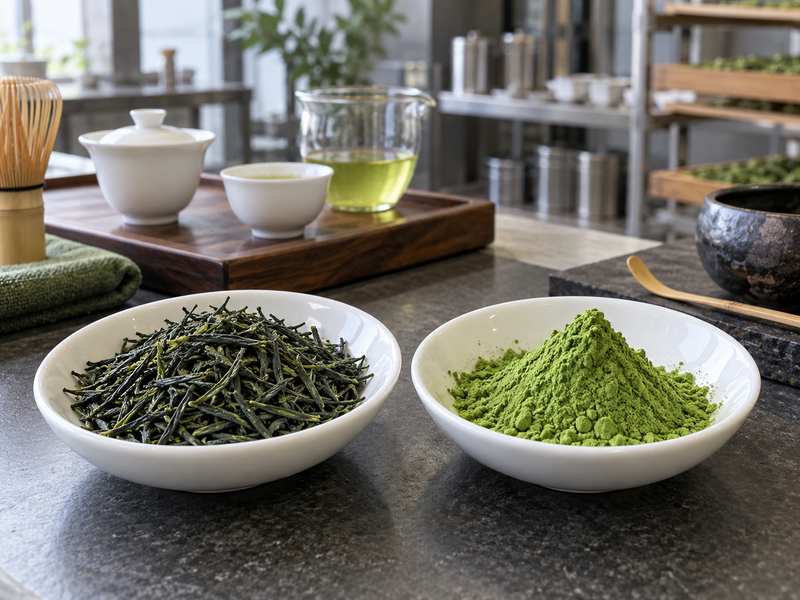
“Traditional” can refer to field shading, hand harvest, tencha drying, blending by experienced tasters, stone milling or preparation in a bowl. A supplier may use one of these and not the others. Ask it to name the steps used for your lot and distinguish current practice from brand history. A film of a historic mill is not evidence that every powder in the catalogue passed through it.
Replace a broad adjective with a process list. Record the farm or grower group, tencha processor, mill and packer where the supplier can disclose them. Ask whether another company owns any stage. This matters if your customer expects all work to occur in Japan or in a named prefecture. A modern production control can coexist with a long-established method; do not assume automation invalidates authenticity. Your decision should rest on accurate stage descriptions and the finished powder’s suitability for its proposed application.
2. What evidence supports Japanese origin?
Follow material through transactions
Request an origin declaration tied to the finished product code and lot. Ask where leaves grew and where tencha was processed, milled and packed. If several Japanese regions contribute, a “single-origin” claim needs special scrutiny. If a Japanese company mills imported leaves, a Japan-made statement may communicate a different fact from Japan-grown; have local advisers review proposed wording.
Check the commercial chain. The selling entity may be a trader rather than the processor. Ask who holds source records and who can answer a traceability question after delivery. Compare invoices, product labels and specification sheets for consistent identification. Do not rely on a Japanese address printed on a brochure to establish raw-material origin. A sound file lets you trace a packed unit back through milling and tencha intake without exposing every proprietary supplier detail. It also gives marketing a defensible boundary for its story.
| Claim | Evidence to request | Wording risk |
|---|---|---|
| Japan-grown leaf | Leaf source and lot trace | Mill address alone |
| Japanese milling | Site and run record | Implying leaf origin |
| Named region | Source and blend records | Mixed-region powder |
3. How should cultivation stories be handled?
Treat shade and harvest as lot data
Shaded cultivation is part of tencha production, but a single shade duration cannot predict the taste of every powder. Ask for the actual crop, season and method behind the offered sample. Claims about hand picking or young leaves should be supported for the shipped lot, not inferred from photographs. If the supplier purchases from several gardens, clarify whether its description applies to all of them.
Taste before paying for the story. Compare coded samples at the same dose and temperature. Record aroma, sweetness, bitterness and aftertaste. For a milk drink, test the real recipe as well. A softer straight-tea cup may be lost in milk, while another powder may deliver better color and flavor at a lower dose. Field methods help explain a product, but they do not excuse poor application performance. Keep the lot-specific cultivation notes with the sensory record so any future change can be investigated.
4. What makes tencha processing distinctive?
Verify the sequence behind the label
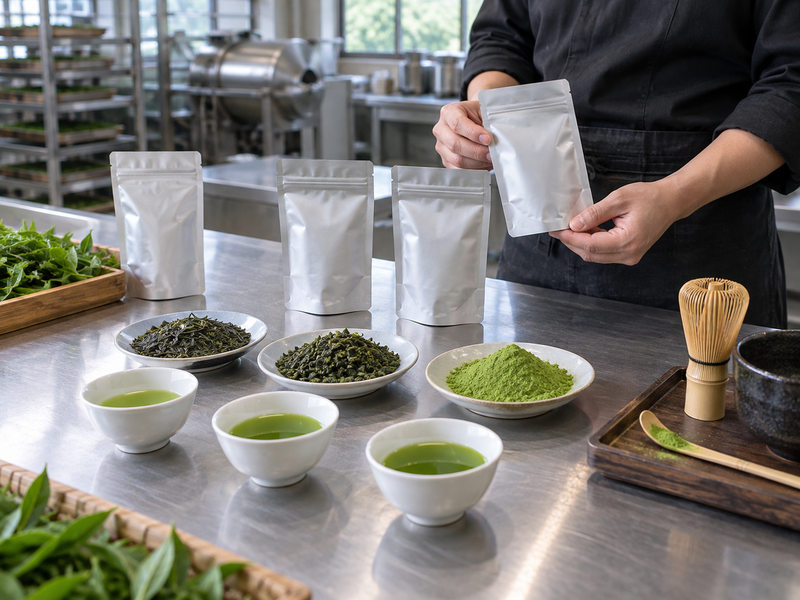
Yamamasa Koyamaen describes Japanese matcha production as steaming leaves, drying without rolling, sorting and grinding tencha. Those steps are more informative than an unqualified “traditional process” claim. Ask which site made the tencha, how incoming leaf lots were identified and whether processing records follow material into the mill. A supplier can explain its sequence without sharing every proprietary setting.
Ask who releases tencha. Poorly sorted or stored leaf may create problems that a famous mill cannot correct. Request inspection criteria for stems, off odor and foreign material, plus a record of the final material chosen for milling. If a blend is used, ask how component lots are controlled. The central question is whether your future order can be made from material selected under the same criteria as your sample. Process romance should give way to a repeatable acceptance decision.
| Stage | Buyer question | Useful record |
|---|---|---|
| Steaming | Which incoming lot entered? | Run trace |
| Drying and sorting | Who accepted leaf? | Tencha release |
| Blending | Which lots contributed? | Controlled recipe |
5. Does stone milling answer the texture question?
Test the result of the method
Stone milling is associated with traditional matcha, yet equipment identity alone says little about clumping, mouthfeel or how a lot handles in service. Ask whether the quoted product is stone milled and whether future orders will use the same route. Confirm the milling date or powder pack date when freshness matters to your brand. A photo of granite stones is useful for education, not for product approval.
Prepare the powder as customers will. Use a fixed whisking method and note visible particles, foam and mouthfeel. Run a separate trial in any milk, dessert or packaged drink where the powder will appear. Ask for a particle-size test method only if your specification requires one. Equipment settings may vary by material, so do not import a number from a blog into your purchasing standard. The buying decision belongs to measured or observed product behavior from a traceable lot.
6. How should a buyer test the cup?
Compare without origin cues
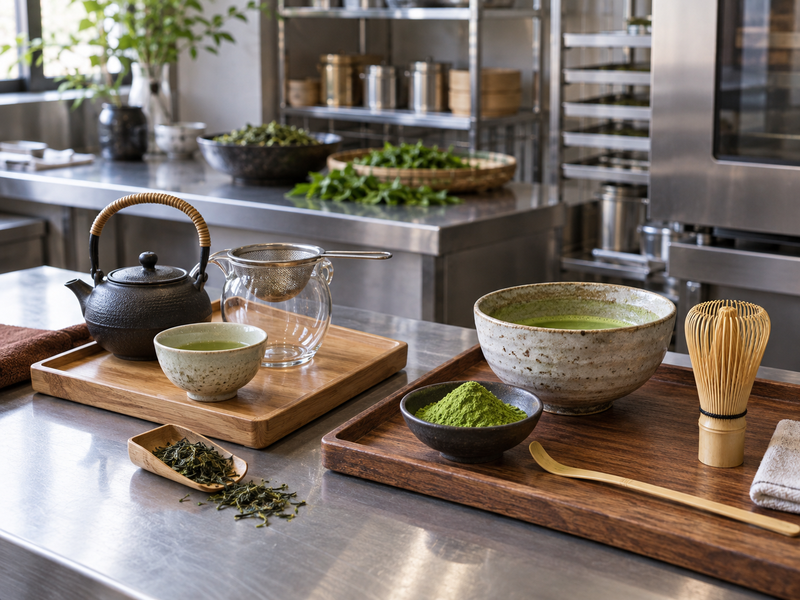
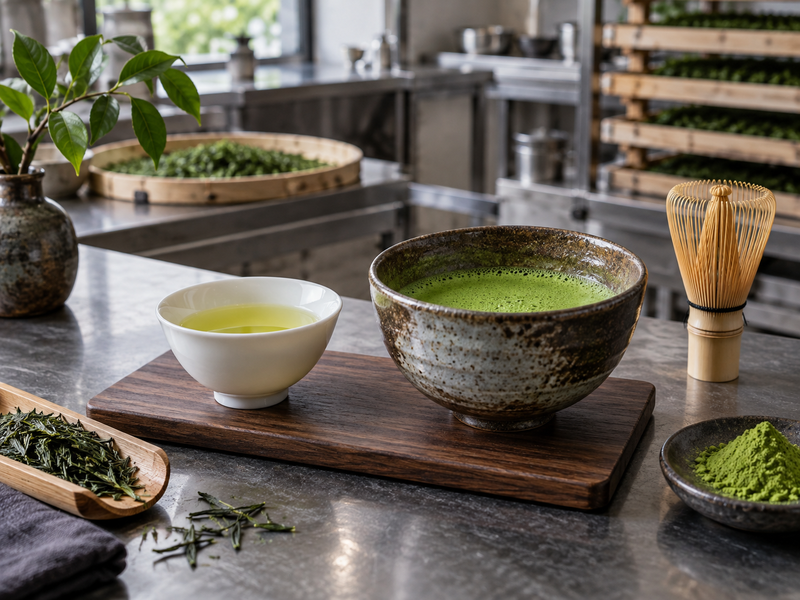
Code samples before the panel sees them. Use equal powder mass, water volume, temperature, bowl and serving delay. Let tasters score aroma, balance, mouthfeel and finish individually. Prepare an approved reference powder alongside candidates. Retest any close decision because small preparation differences can change a delicate straight-tea cup.
Write the passing profile. “Smooth” is useful only if your team can say what sensory fault it rejects. Agree whether bitterness, muted aroma or graininess crosses the line. Use consistent lighting for color and keep a sealed portion for later lot checks. A producer’s reputation can set expectations; blind testing checks whether the specific material merits those expectations. If you sell a premium retail powder, include staff who will explain it to customers. They should be able to describe its actual flavor without reciting generic ceremony language.
| Sensory area | Record | Source of bias |
|---|---|---|
| Aroma | Notes before tasting | Brand name |
| Mouthfeel | Standard whisk method | Different preparation |
| Color | Common light | Camera settings |
7. Which modern controls belong in the process?
Ask for evidence behind craftsmanship
Food safety, traceability and change control should sit beside skilled production. Request a current product specification, lot-linked test report and details of foreign-material controls. Check any certificate’s holder, factory, product scope and validity. Traditional handling does not remove the need for documented cleaning, identified lots or a way to investigate a complaint.
Respect craft and inspect records. A producer may choose a process through sensory judgment; ask how that decision is documented and who approves release. Confirm storage conditions for tencha and packed matcha. If the supplier mentions organic status, ask for the current chain documentation that covers the product and destination. Do not treat an old framed certificate as a shipment record. Buyers need enough evidence to release powder into their own operation while preserving the producer’s legitimate technical know-how.
8. How do artisan claims affect supply planning?
Ask how repeat orders will work
Small-batch or slow-milled products may have particular scheduling constraints. Request available quantity from the approved lot, pack sizes, ordering window and a successor-lot plan. Do not infer scarcity from the word “artisan,” and do not infer availability from a company-wide capacity figure. Both require current written confirmation for your product code.
Plan replacement before launch. Agree whether a new harvest, tencha blend or milling site requires another sample. If a seasonal line can tolerate lot variation, state the accepted flavor envelope. If a permanent menu needs a stable cup, ask how the producer blends or selects material to hold that profile. Discuss allocations, partial shipments and how long a quote remains valid. A beautiful first cup loses commercial value if your distribution team cannot replenish it when customers come back.
| Planning item | Ask the supplier | Buyer consequence |
|---|---|---|
| Approved lot stock | Released quantity | Launch size |
| Next milling | Material and date status | Replenishment |
| Change notice | Trigger and timing | New trial |
9. What can marketing safely say?
Build copy from approved evidence
A package may mention Japanese origin, regional leaves, stone milling or a named harvest. Each phrase should match the product purchased. Ask marketing for exact text before packaging approval and connect every factual statement with a supplier record. A general history of tea ceremony can provide context, but it should not imply that a particular powder was served in a documented ceremony.
Keep product history separate from company history. A supplier may have operated for generations while the offered SKU uses a new processing route. That is not a problem if copy is clear. Avoid translating “traditional” into guarantees of superior nutrition or safety. Have destination-market specialists review regulated or origin-sensitive wording. When a source lot changes, check whether an approved claim remains true. The marketing story should survive a customer’s reasonable question: “Which record supports this sentence?”
10. When is the production story worth a premium?
Compare value in the intended use
Calculate cost per prepared serving or finished product, not just price per kilogram. Include usable yield, dosing, pack loss and freight. Then compare sensory performance under your application method. A costly straight-tea powder may earn its place through a distinctive cup and credible sourcing story. The same powder could be unnecessary in a heavily sweetened recipe.
Approve one product and one story. Keep the reference sample, sensory sheet, specification, origin declaration and order terms together. Name the exact product code and where it may be used. Ask how the supplier will notify you if leaf source, processor, mill or packaging changes. If another origin meets a different application at a better price, it can coexist in your range under honest labeling. A premium is defensible when customers can taste the difference, the evidence supports the claim and supply can sustain the promise.
| Value element | Evidence | Review owner |
|---|---|---|
| Cup performance | Blind trial | Product |
| Claim accuracy | Lot documents | Quality and marketing |
| Continuity | Reorder plan | Procurement |
FAQ
Q1. Does traditional mean hand picked? No. Ask which specific steps applied to the offered lot.
Q2. Is stone milling required for every premium use? Assess the actual powder in your application before setting a machine requirement.
Q3. Can a Japanese brand name prove leaf origin? No. Request a lot-linked origin declaration and processing route.
Q4. Do traditional methods replace quality records? No. Product specifications, testing and traceability still matter.
Q5. What should trigger a repeat trial? A change in source leaf, blend, processing site, milling route or sensory result.
Ask suppliers for a stage-by-stage account of the exact lot they offer. Taste that lot blind, check supporting records and agree how its successor will be approved. A traditional matcha story earns a premium only when the product and supply plan uphold it.