
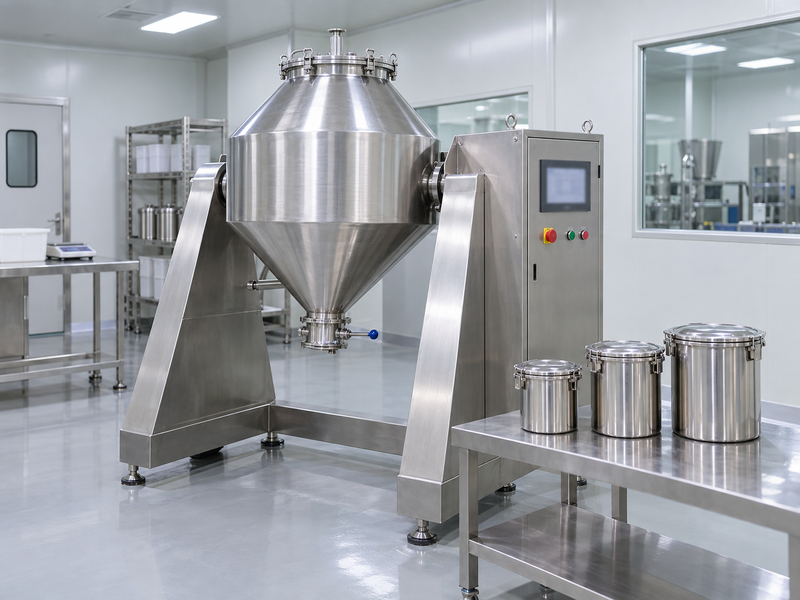
Matcha tea mixes manufacturing combines tea powder and other dry ingredients, often for fast drink preparation. A formula that tastes good in a lab cup can still segregate in a bag, clump in cold milk or change after storage. Define the finished use, blend uniformity and packaging before comparing suppliers. First Agri’s equipment overview discusses machinery, but equipment lists cannot substitute for validation of your particular recipe. Use the matcha dry blending uniformity guide when setting mix sampling checks.
Contents
- 1. What product are you asking a manufacturer to make?
- 2. How should the matcha ingredient be specified?
- 3. Which other ingredients change the process?
- 4. How can blend uniformity be demonstrated?
- 5. What does dispersion testing need to show?
- 6. How should scale-up be managed?
- 7. Which packaging trials belong in development?
- 8. How should shelf life be supported?
- 9. What quality documents should ship with the mix?
- 10. When is the mix ready for a commercial order?
1. What product are you asking a manufacturer to make?
Define the prepared drink
“Matcha mix” can mean sweetened latte powder, unsweetened tea blend, protein drink base or another formula. Start with a proposed ingredient list and the serving your customer will prepare. State water or milk volume, hot or cold service, target sweetness and equipment. A manufacturer cannot choose a relevant mixing process from the word “matcha” alone.
Write the brief around use. Name the intended sales channel, portion size, label market and package format. Say whether added dairy ingredients, sweeteners or flavors are allowed. If a café needs scoopable powder while a retail brand needs sachets, those are different handling specifications even when the recipe is similar. Record what the customer must notice in the cup: color, tea character, sweetness, foam or rapid dispersion. Keep these attributes ranked so formulation changes have a clear priority. A tightly defined product prevents a supplier from quoting a generic premix that misses the business requirement.
2. How should the matcha ingredient be specified?
Define tea behavior inside the formula
The matcha component should have its own product code, origin declaration, sensory reference and quality specification. A mix can hide some tea bitterness with sugar, but color, aroma and dispersion still change when the matcha lot changes. Ask the manufacturer whether it buys matcha from one approved source or selects among several grades. A substitution should trigger a defined review.
Test the matcha at proposed dose. Assess the complete drink, then compare the tea ingredient separately when a change appears. Specify whether the blend needs pure matcha or accepts another green tea powder. The names should not be treated as interchangeable without agreement. Matcha Village lists matcha, latte powder and formulated blends in company information; request the exact formulation and current specification if asking it to supply a mix. Do not infer composition, sweetener level or ingredient origin from a product family name.
| Ingredient field | Buyer records | Why |
|---|---|---|
| Matcha code | Approved source and lot | Change control |
| Sensory target | Reference cup | Flavor consistency |
| Dose | Formula percentage or serving mass | Cost and taste |
3. Which other ingredients change the process?
Inspect particle and handling differences
Sugar crystals, fine sweeteners, milk powders, flavors and functional ingredients can behave differently in a blender. Differences in particle size and density may encourage segregation during discharge or transport. Hygroscopic ingredients can contribute to caking. Ask the manufacturer to explain its ingredient addition order and how it avoids concentrated pockets of a minor ingredient. The process should fit the actual formulation, not a machine vendor’s generic example.
Review every ingredient declaration. A change from one creamer or sweetener to another may alter allergens, label text, flavor and flow. Ask quality to verify supplier documents and intended market requirements. If a premix will be sold as vegan or dairy-free, check the complete formula and handling controls before using the claim. A sample cup cannot reveal all of those issues. Record which ingredients are controlled by brand approval and which can change within a written equivalence rule.
4. How can blend uniformity be demonstrated?
Sample across the batch
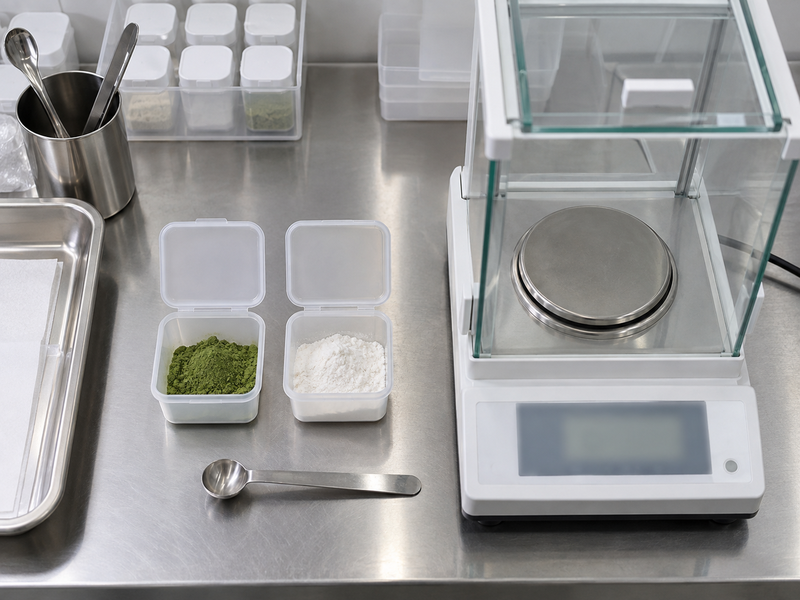
One spoonful from the top of a blender cannot prove the whole lot is uniform. Ask the manufacturer how it validates blend time and sampling locations for the formula. Samples near discharge, middle and final fill can reveal variation. The chosen marker must be measurable or observable with a repeatable method. Matcha color alone may mislead when other colored ingredients are present.
Agree on an acceptance method. The manufacturer should explain what it measures, how many samples it takes and what happens when results fall outside its criterion. During scale-up, compare a small trial batch with the intended commercial mixer and packer. Record mixing sequence, fill order and any hold time before packing. A powder can be uniform leaving the blender yet separate later in transport. If your mix contains a low-dose active ingredient, seek appropriate technical advice for a more demanding validation plan rather than borrowing a tea-only rule.
| Sample point | Question | Possible finding |
|---|---|---|
| Blender discharge | Is output consistent? | Incomplete mixing |
| Early and late packs | Does filling change composition? | Segregation |
| Transported pack | Does vibration alter distribution? | Settling |
5. What does dispersion testing need to show?
Recreate the customer’s preparation
Test the mix in the liquid customers actually use. Cold oat milk, hot water and a commercial blender create different results. Fix powder dose, liquid volume, temperature and mixing method. Note clumps, surface powder, sediment, foam and taste immediately after mixing. Hold a prepared cup for the normal service interval and check whether appearance changes.
Do not call suspension dissolution. Matcha particles disperse in liquid rather than becoming a clear solution. Define an “instant” claim by an observable preparation test, such as no visible lumps after a specified stir method. If the product needs a shaker, say so on instructions. Compare trial batches with a reference mix and test more than one production lot before fixing a tight promise. A product development team should also check whether staff can make the drink consistently during busy service, when ideal laboratory whisking is unlikely.
6. How should scale-up be managed?
Move from bench cup to line run
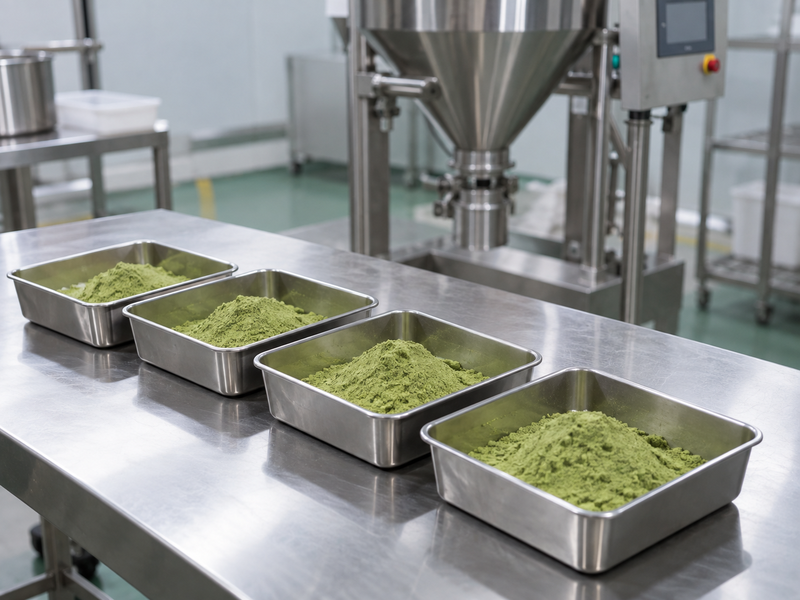
A small hand-mixed sample may not predict commercial blending, discharge or packaging. Ask for a pilot or first production run that uses representative equipment. Record batch size, ingredient order, mixing conditions, sampling method and yield. Do not publish an equipment capacity figure as proof of product quality; the relevant evidence comes from your formula on that line.
Set a release gate for the first run. Compare early and late packs, prepared drink results and package weights. Review deviations before approving routine production. If a supplier changes mixer, plant or ingredient source, decide whether another trial is needed. Keep a signed master formula and revision history so a successful pilot does not drift through informal email changes. Procurement should confirm what material is committed after pilot approval and whether commercial lead time starts only then. A measured scale-up protects the flavor developed at the bench.
| Scale stage | Test | Decision |
|---|---|---|
| Bench | Recipe and sensory fit | Select formula |
| Pilot | Mixing and packing behavior | Revise process |
| Commercial | Across-run consistency | Release SKU |
7. Which packaging trials belong in development?
Match pack to powder use
Sachets, jars and bulk bags create different fill, sealing and opening questions. Check whether powder bridges in a hopper, dusts around seals or settles below an expected fill line. Test package weight and closure integrity on the actual line. A pack can look sound immediately after filling yet perform poorly after distribution or repeated opening.
Test from warehouse to cup. Simulate normal transport, storage and opening cycles. For a foodservice pack, ask staff to scoop powder after the bag has been opened repeatedly. For a single-serve sachet, check whether the full dose empties cleanly. Confirm that lot and date coding remains legible. If a brand provides artwork, quality should review ingredients and claims against the final recipe before print approval. Matcha Village’s stated OEM options include bags, cans and sachets; any specific pack, fill size and artwork requirement needs a current feasibility check and quotation.
8. How should shelf life be supported?
Test the finished mix in its pack
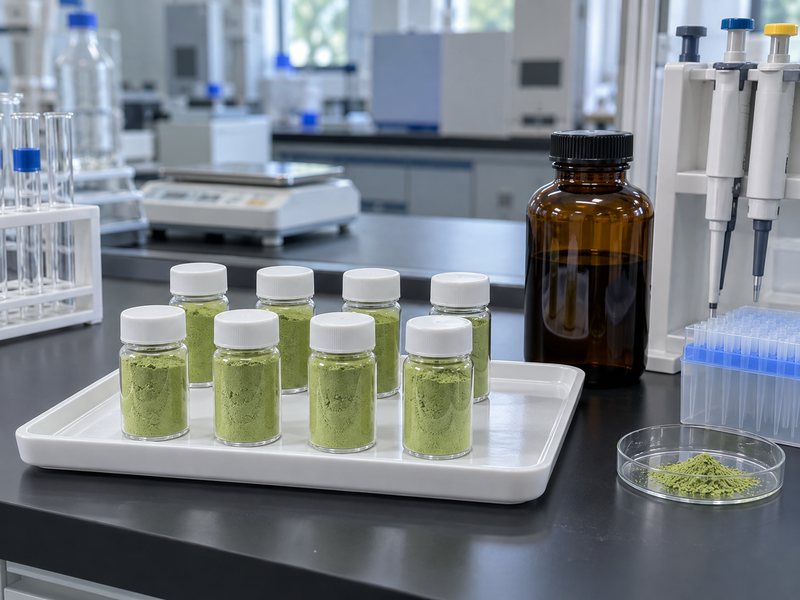
Tea powder, creamer and flavor components may age at different rates. Ask for a shelf-life plan covering the complete formula in its intended package. Observe color, aroma, taste, caking, seal condition and relevant safety indicators at defined intervals. The chosen storage conditions should reflect realistic distribution and any label instructions. A matcha ingredient’s standalone shelf life does not establish shelf life for a sweetened blend.
Keep early claims conditional on evidence. A short development program can screen obvious problems, but long-term stability claims need suitable support. If the package changes, assess whether earlier data still apply. Ask who keeps retain samples and how the manufacturer handles a complaint about caking or flavor fade. The business may choose a shorter conservative shelf life while gathering data; record the decision and review date. Avoid promising that nitrogen flushing or a barrier film will solve every storage problem without testing the exact product.
| Stability check | Why it matters | Sample condition |
|---|---|---|
| Color and aroma | Tea character | Packed product |
| Caking | Scoopability | Open and sealed packs |
| Prepared drink | Customer experience | Standard recipe |
9. What quality documents should ship with the mix?
Link records to a finished batch
Ask for the approved formula revision, ingredient statement, finished specification, batch record and lot-linked release report. Quality should choose relevant testing and limits for your destination and claims. Where allergens are present or a free-from claim is planned, review ingredients, supplier records and plant controls together. A certificate displayed on the manufacturer’s website may not cover the mix or packing line.
Check document scope and change notice. Confirm certificate holder, facility, product category and expiry. Agree whether test reports accompany every lot or follow another documented schedule. State what happens when the manufacturer changes a matcha source, sweetener, flavor supplier or packaging material. A buyer needs notice before a change reaches printed packs or customer menus. Keep samples of approved artwork with the formula record. This makes it possible to explain the composition of each shipped carton without reconstructing decisions from scattered emails.
10. When is the mix ready for a commercial order?
Close formula, process and market gates
The approved item should have a master formula, sensory reference, preparation instruction, package specification and written release criteria. A representative production run should demonstrate acceptable uniformity and fill behavior. Quality documents must match the finished recipe, while marketing copy must match actual ingredients. Procurement can then negotiate volume and delivery against a defined SKU.
Name the change triggers. A new matcha grade, ingredient supplier, blender, packing line or pack material may require review. Specify who approves exceptions and which changes need a customer notice. Keep a retained sample from the first commercial lot and compare it with future batches using the same drink method. If shelf-life work is ongoing, document the supported date and planned review. A manufacturer is ready when it can reproduce the mix customers approved and show how each packed batch met agreed checks.
| Gate | Evidence | Decision owner |
|---|---|---|
| Recipe | Signed formula and label | Brand and quality |
| Process | Representative run | Manufacturer |
| Product | Drink and pack trial | Development |
FAQ
Q1. Is a matcha mix the same as pure matcha? No. Ask for the full ingredient list and formula identity.
Q2. Can one cup prove a blend is uniform? No. Sample across the batch and through filling.
Q3. Does matcha dissolve in milk? Matcha particles disperse; define the preparation result customers need.
Q4. Can shelf life follow the matcha ingredient’s date? Test the finished blend in its final pack.
Q5. Which change most often needs a new trial? Any change that could alter taste, composition, dispersion or pack behavior deserves review.
Send a manufacturer the exact drink method, intended package and ingredient boundaries. Request a representative line trial with uniformity and preparation results before committing to printed stock. The specification should describe what customers will receive, not only which mixer the plant owns.