
Tencha tea leaves for matcha production are the processed leaf material milled into powder. A buyer may receive an impressive finished sample yet know little about the tencha behind it. That gap matters when the next lot changes color or taste. A useful tencha tea leaves matcha production brief names the leaf source, processing site and lot before requesting a finished-powder sample. Ask for leaf identity, pre-milling condition and a controlled route into the mill. Matcha Direct’s tencha processing account explains the stages; this guide turns them into buyer checks. The tencha versus matcha guide clarifies the leaf-to-powder distinction.
Contents
- 1. What exactly should a tencha specification identify?
- 2. How does cultivation information help a buyer?
- 3. What should be checked at leaf intake?
- 4. Why does steaming need a lot record?
- 5. How should drying and cooling be evaluated?
- 6. Which sorting defects matter before milling?
- 7. How should tencha storage be controlled?
- 8. What pre-milling sample should be approved?
- 9. How can leaf quality be linked with powder use?
- 10. What makes a tencha lot ready for grinding?
1. What exactly should a tencha specification identify?
Name the material and its stage
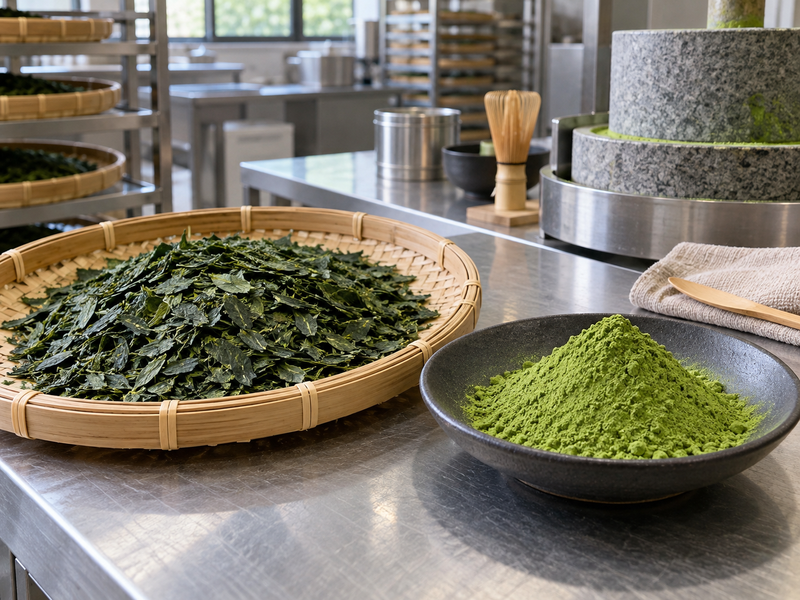
Tencha is not simply any green tea leaf waiting for a mill. It follows a processing route in which harvested leaves are steamed and dried without rolling, then prepared for grinding. Yamamasa Koyamaen outlines this distinction in its production description. Ask the supplier whether a sample represents crude tencha, sorted tencha or an already blended milling lot. Each stage has different acceptance questions.
Define the purchase object. Record source lots, harvest period, processing site, sorting status, package and intended mill. If you buy finished matcha, you may not need a separate tencha contract, but you still need supplier controls that connect its leaf material with your powder. If you buy tencha for your own mill, agree who has authority to release or reject it before grinding. Loose words such as “premium leaf” leave too much room for a mismatch between sample and shipment.
2. How does cultivation information help a buyer?
Use field data as context
Ask where leaves grew, which harvest they came from and how the supplier manages shading. Those details explain why two lots might differ, yet they cannot guarantee a sensory result. Weather, cultivar and field management also vary. Avoid setting a universal shade-day threshold from a promotional article. Request the method used for the offered material and confirm whether multiple gardens feed one lot.
Connect cultivation with the claim you will make. If packaging names a region, a harvest or an organic status, trace those statements to records for the finished powder. For an industrial application, field information may be less decisive than flavor under milk or heat. Still, it helps investigate change. When a familiar matcha turns more bitter, a different leaf intake can be one explanation. Record the change and test it; do not attribute every difference to a single cultivation variable.
| Field detail | Buyer use | Limitation |
|---|---|---|
| Growing area | Origin claim | Does not predict taste alone |
| Harvest period | Lot comparison | Needs batch linkage |
| Shade practice | Process context | Needs sensory confirmation |
3. What should be checked at leaf intake?
Inspect condition before processing
Fresh leaves can deteriorate while waiting for a processing line. Ask the processor how it records arrival, lot identity and obvious defects. A receiving check may cover odor, damaged leaves, foreign material and the time between harvest and processing. The precise limits belong to the processor’s own validated system; buyers should ask for the control logic and evidence that staff follow it.
Find the first traceable handoff. A farm ticket or intake code should lead to the processing batch that produced your tencha. Where leaves from several growers are combined, the processor should record that decision. Ask what happens to material held because a machine is unavailable. A photograph of baskets on a factory floor says little about condition or timing. The buyer needs to know whether the plant can separate acceptable material from leaf that must be downgraded or rejected before valuable milling capacity is used.
4. Why does steaming need a lot record?
Preserve the link through a fast step
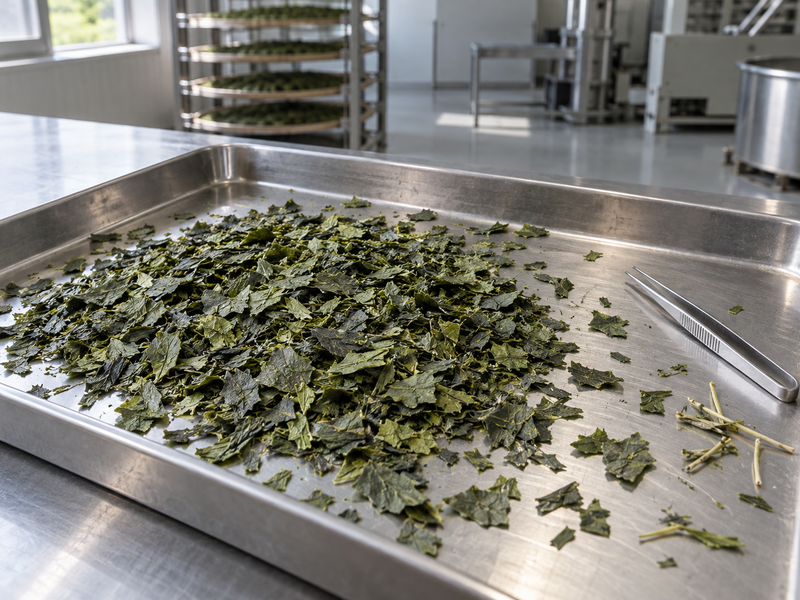
Steaming is used to stop enzymatic oxidation in green tea processing. If fresh leaf from several intakes passes through one line, the supplier needs a way to identify which material entered each run. Ask for batch times, operator checks, deviations and a release decision. Buyers rarely need the plant’s proprietary settings, but they need assurance that the operation was controlled and that exceptions were investigated.
Ask how poor steaming is detected. Browned color, unexpected grassy or cooked notes and inconsistent leaf condition can prompt further review. Sensory checks and process records should support each other. A fixed time copied from another factory is not an acceptance standard for every cultivar and machine. If your seller purchases processed tencha from a third party, ask how it verifies the supplier’s processing records and what it does when a lot differs from the approved reference.
| Record | Buyer question | Why retained |
|---|---|---|
| Input lot | Which leaf entered the run? | Traceability |
| Process check | Was the run within its controls? | Deviation review |
| Release note | Who accepted the tencha? | Accountability |
5. How should drying and cooling be evaluated?
Check condition, not furnace mythology
Tencha drying removes water and shapes aroma before milling. A supplier should describe its method and how it decides when material is ready for storage or sorting. Ask what it measures, where samples are taken and how it treats a batch that is unevenly dried. Heat exposure and handling can alter leaf color and smell, so inspect the actual lot rather than assuming a particular furnace produces superior tea.
Compare leaf and powder observations. Keep notes on dried-leaf color, odor and uniformity, then see whether concerns appear in the milled sample. A stale or scorched note may become more obvious after grinding. Cooling and packing also matter: warm material sealed too early can create moisture problems. Request storage conditions and the elapsed time before milling. The supplier should explain how it prevents condensation during transfer between cold storage and processing areas. These are practical checks even when the buyer never operates a tencha furnace.
6. Which sorting defects matter before milling?
Keep unwanted material out of powder
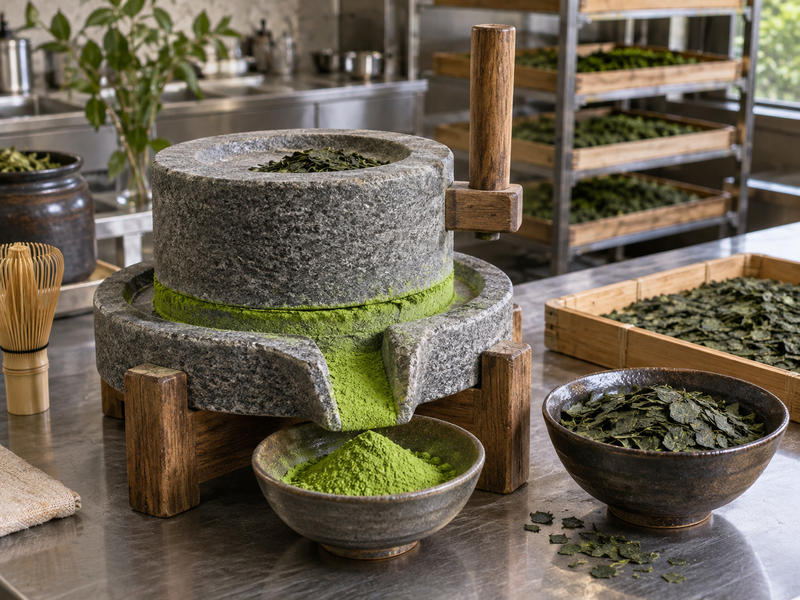
Sorting can remove stems, veins, coarse or old leaves and foreign material. Ask what the supplier’s process is designed to remove and what inspection follows it. The exact acceptable proportion depends on product specification and application; do not assume a ceremonial label settles the question. Powdered product makes visual identification of a defect harder, which raises the value of pre-milling controls.
Request a pre-grind acceptance record. It should identify the lot, sorting stage, inspection outcome and person approving material for milling. If the processor blends several tencha lots to reach a target flavor, ask whether each component was accepted separately and whether the blend recipe is controlled. A low price can reflect a different leaf selection; this may be appropriate for a bakery but still needs a clear product definition. When you taste a sample with a woody edge, discuss leaf sorting alongside milling and age.
| Sorting target | Possible powder effect | Buyer evidence |
|---|---|---|
| Stems and veins | Coarser texture | Sort inspection |
| Old leaf | Harsher taste | Material criteria |
| Foreign material | Safety or quality issue | Removal and release log |
7. How should tencha storage be controlled?
Protect a valuable intermediate product
Tencha may be stored before milling so powder can be made closer to an order. Ask how the plant controls package integrity, light, moisture, odor exposure and lot segregation. A storage temperature statement alone does not show that material stayed dry through movement and opening. Confirm the point at which retained leaf becomes a finished powder lot and how inventory records handle partial use.
Plan against material age. Ask when the tencha was processed, how long it has been stored and how the supplier decides whether a stored lot still meets release criteria. Request a sensory comparison when a repeat order draws from a different tencha lot. If the plant mills on demand, agree what quantity it can reserve and when the reservation expires. A warehouse full of bags does not equal available material under your specification. The buyer’s concern is repeatable output from identified leaf, not a promise of indefinite freshness.
8. What pre-milling sample should be approved?
Sample the material you will purchase
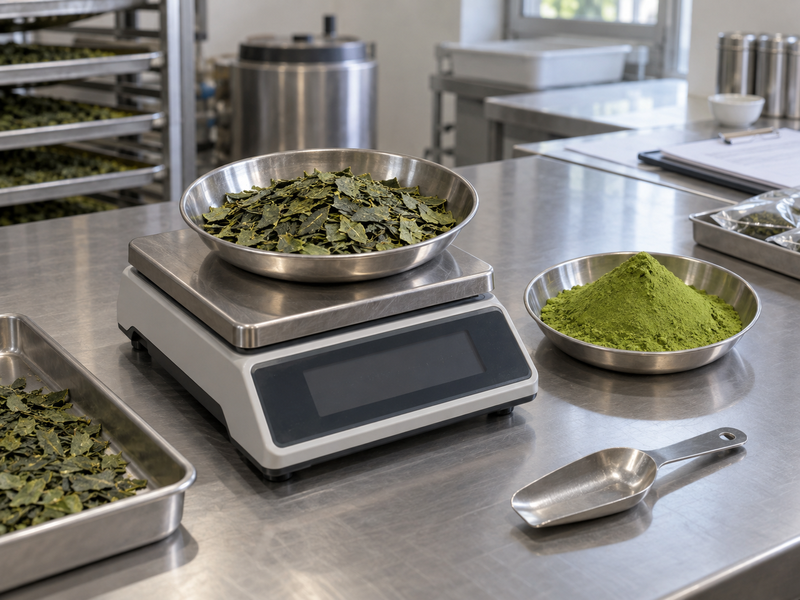
If you buy tencha, request a representative sample from the actual lot rather than a generic sales sample. Document how it was drawn and whether it represents a blended or single intake. Inspect leaf appearance and aroma, then mill a small portion using a defined method if your purchase depends on powder performance. The mill can affect texture, so keep its conditions consistent across competing samples.
Write a decision rule before tasting. Define acceptable odor, color, visible defect level and powder behavior for your application. Keep a sealed retained sample and attach the supplier’s lot identifiers. Ask what happens if the commercial delivery differs. For buyers of finished matcha, request a powder sample tied back to an identified tencha source and use a repeat-lot approval rule. This avoids an attractive pre-milling story that never connects with finished product.
| Sample | What it tests | Missing without it |
|---|---|---|
| Tencha from shipment lot | Leaf condition | Material identity |
| Controlled milled portion | Powder performance | Application fit |
| Retained sealed portion | Future comparison | Dispute reference |
9. How can leaf quality be linked with powder use?
Follow a matched pair of samples
Keep records for both tencha and the powder milled from it. A green leaf may yield a powder with poor dispersion in your formula. Another leaf may look less dramatic but give a clean flavor after heat. Run the finished matcha through the real application and record the outcome at your normal dose. Matcha grade names are not a substitute for this test.
Tie feedback to the source lot. If your latte becomes more bitter, tell the supplier which powder lot and tencha lot were involved. Ask whether sorting, leaf blend, storage or milling changed. A usable complaint requires more than “the matcha is different.” Include preparation method, retained sample and photographs under consistent lighting. For Matcha Village or any other manufacturer offering several grades, request application-matched samples and current product specifications rather than assuming a grade will fit every recipe. The leaf story matters when it helps explain and control the finished result.
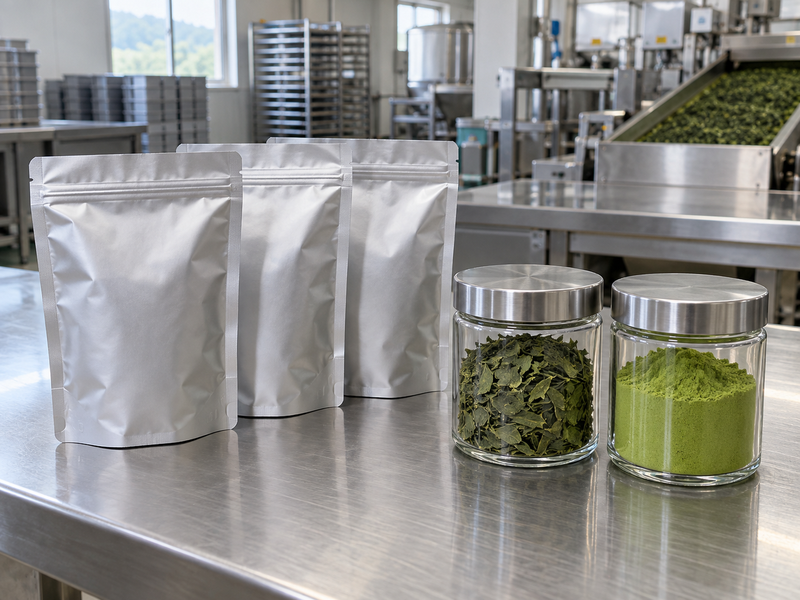
10. What makes a tencha lot ready for grinding?
Release against written criteria
Before milling, the processor should confirm lot identity, completed processing, sorting outcome and acceptable storage condition. Quality and production should know which blend, if any, the lot will enter. The record should identify a responsible release decision, not merely show that bags reached the mill. If an exception is accepted, document who approved it and which finished product may use the material.
Keep a change gate after release. A replacement tencha lot can change a familiar powder even when the mill runs normally. Agree whether a new sample and application trial are required before a successor lot ships. Retain incoming and finished-product identifiers so a complaint can be investigated in both directions. Procurement should also confirm available quantity and pack plan before promising customer volume. Good tencha acceptance is a controlled decision about material, powder use and supply, not a decorative leaf photograph.
| Release gate | Required evidence | Responsible team |
|---|---|---|
| Identity | Source and processing lot | Production |
| Condition | Sorting and storage review | Quality |
| Application | Milled trial result | Development |
FAQ
Q1. Are tencha and matcha the same product? Tencha is the processed leaf material; matcha is the powder milled from suitable tencha.
Q2. Should buyers require a specific shade period? Request the actual cultivation method and test its result. A fixed duration does not guarantee flavor.
Q3. Can sencha leaves be called tencha? The processing route differs. Ask whether leaves were dried without rolling and how the seller defines its material.
Q4. Is a tencha photograph enough for approval? No. Request lot identity, inspection and a representative sample.
Q5. What changes trigger another trial? A new leaf source, blend, processor, storage condition or milling route may justify review.
Ask your supplier for a tencha-to-powder lot map and a sample from the intended commercial material. Test the powder in your product, then define how successor leaf lots will be approved. That record gives the next purchase a stronger foundation than a grade name.