
Tencha leaves processing for matcha determines whether harvested tea reaches the mill with its identity and intended character intact. A buyer receiving only finished powder may never see the steamed and dried leaf, yet problems in that stage can appear later as dull color, harsh taste or inconsistent lots. A tencha leaves processing matcha specification should identify the leaf lot, facility and acceptance checks used before milling. Ask how the processor accepts, steams, dries, sorts and releases tencha. Matcha Direct’s process description supplies useful context; your specification needs evidence for your supplier’s lot. The tencha versus matcha guide gives useful context for leaf and powder specifications.
Contents
- 1. What material enters the tencha process?
- 2. How should harvested leaves be queued?
- 3. What does a controlled steaming step show?
- 4. Why are leaves spread before drying?
- 5. How can drying be checked without copying settings?
- 6. When should stems and veins be removed?
- 7. What makes a tencha lot ready for storage?
- 8. How should material move into milling?
- 9. Which samples should a buyer compare?
- 10. What acceptance plan belongs in the order?
1. What material enters the tencha process?
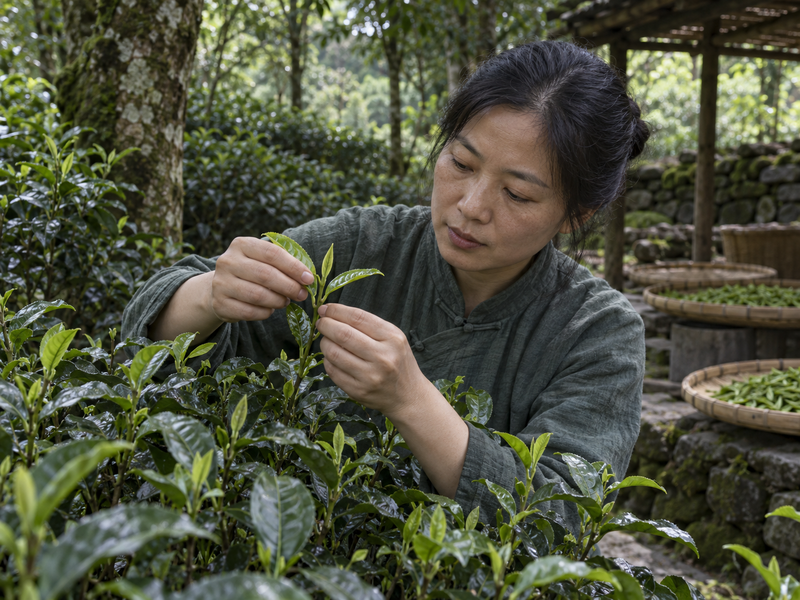
Identify the fresh-leaf intake
Ask the processor to define its input: tea cultivar where known, growing area, harvest window and field or grower-group lot. If leaves from several gardens enter one batch, record how they are combined. A sales label may simply say “tencha,” but your supplier’s internal records should lead back to the material processed. The buyer’s role is to set the origin and product claims it needs, then check whether the lot trace supports them.
Start the map before machines begin. Ask what staff inspect at receipt and what condition causes a hold or rejection. Examples include visible damage, off odor, foreign material or a discrepancy in source documents. Confirm who makes the intake decision and whether fresh leaf can be redirected into another tea product. A supplier should not need to disclose every farm contract to show that its processing batch came from identified material.
2. How should harvested leaves be queued?
Examine the waiting period
Fresh leaves may arrive faster than a steaming line can process them. Ask how a plant sequences loads, records arrival times and keeps material in suitable condition while waiting. Matcha Direct describes temporary fresh-leaf handling, but equipment choices can differ by factory. The buyer needs the supplier’s own control method, not a borrowed time limit.
Ask what happens during a delay. If a machine stops, can staff identify which leaves were affected? Is there a check before processing resumes? A queue should preserve lot identity and give operators a way to reject material that no longer meets intake criteria. Review a completed batch record rather than an empty procedure. This is especially useful for a seasonal harvest, when a good process must work during the busiest day, not only during a quiet visitor tour. A documented exception can explain a later sensory change.
| Queue detail | Buyer question | Evidence |
|---|---|---|
| Arrival order | Which lot waited? | Intake time |
| Holding condition | How was it protected? | Monitoring record |
| Delay response | Who rechecked material? | Disposition |
3. What does a controlled steaming step show?
Link input, operation and output
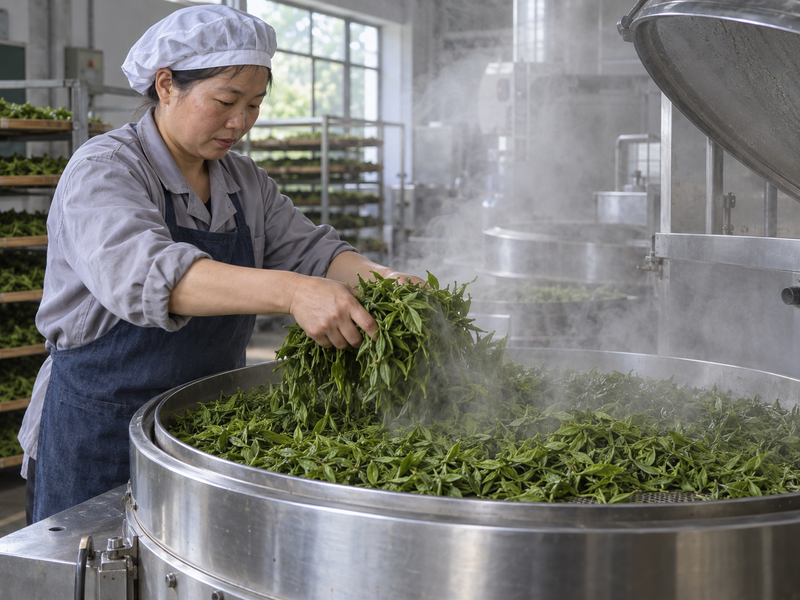
Steaming limits enzymatic oxidation in green tea leaf. Ask how the processor identifies each run and monitors the variables it considers relevant. Those might include time, feed rate or operator observations, but the exact method belongs to its equipment and validated practice. A recipe copied from a different plant cannot prove that your batch was processed well.
Look for a deviation decision. Review what happens if a run stops or a check falls outside the site’s limit. Is the material held, reworked, downgraded or rejected? The answer should appear in records associated with the lot. Sensory observations can help: unexpected browned color or off aroma may prompt investigation. Still, a finished sample alone cannot reconstruct its steaming history. Your supplier should connect input leaf, operation record and tencha output before the material moves to drying.
4. Why are leaves spread before drying?
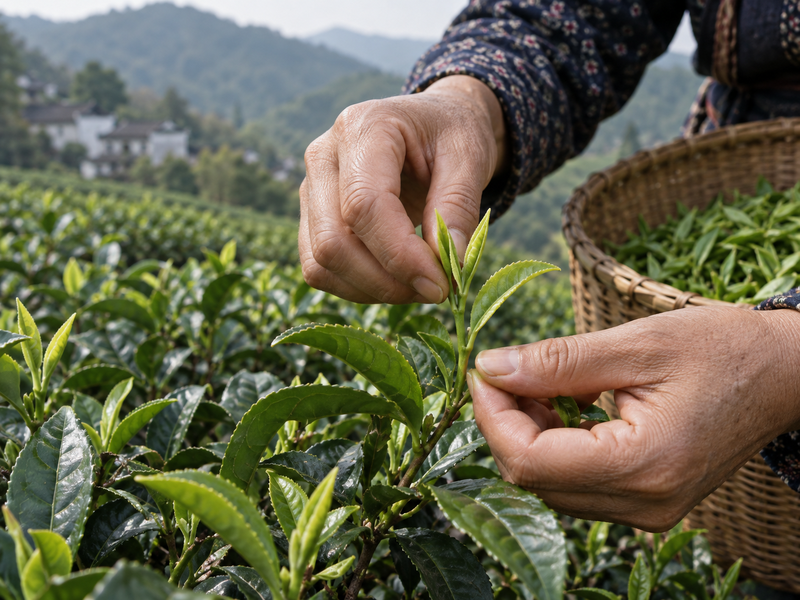
Reduce uneven piles
After steaming, leaves need handling that prepares them for drying. Matcha Direct describes a spreading stage that removes surface moisture and separates leaves before furnace drying. Ask the supplier how its own line avoids dense wet clusters and whether staff check the result. The objective is even handling of identified material; the specific machine may vary.
Inspect the handoff. Where does steamed leaf go if the dryer pauses? How does the plant prevent two runs from mixing? What visible signs lead to an adjustment? Ask for a process map with batch boundaries, then compare it with a real production record. A buyer does not need to set fan speed or belt geometry. It does need confidence that leaf condition and identity survive the handoff. A poorly controlled transfer can create inconsistent drying even when the furnace itself runs as intended.
| Handoff | Check | Possible issue |
|---|---|---|
| Steam to spreader | Batch boundary | Mixed lots |
| Leaf separation | Visual condition | Wet clusters |
| Spreader to dryer | Feed continuity | Uneven drying |
5. How can drying be checked without copying settings?
Review outcome and control
Tencha is dried without the rolling used for some other green teas. The dryer may use a particular furnace or another controlled system. Ask how the plant monitors drying and decides when leaf is fit for sorting or storage. Product criteria may include moisture, appearance and aroma under a documented method. Avoid copying a temperature from an article; equipment readings and leaf temperatures are not interchangeable.
Sample across the batch. Request evidence that staff check material from more than a convenient surface point. Ask how unevenly dried leaf is handled and whether stems receive different treatment from leaf tissue later. A scorched note or damp pack can undermine an otherwise promising crop. Cooling and temporary packaging matter as well. Ask whether warm leaf can be sealed, where it waits and how its lot code is maintained. A good drying record should help explain the finished powder’s behavior, not merely show that a burner was on.
6. When should stems and veins be removed?
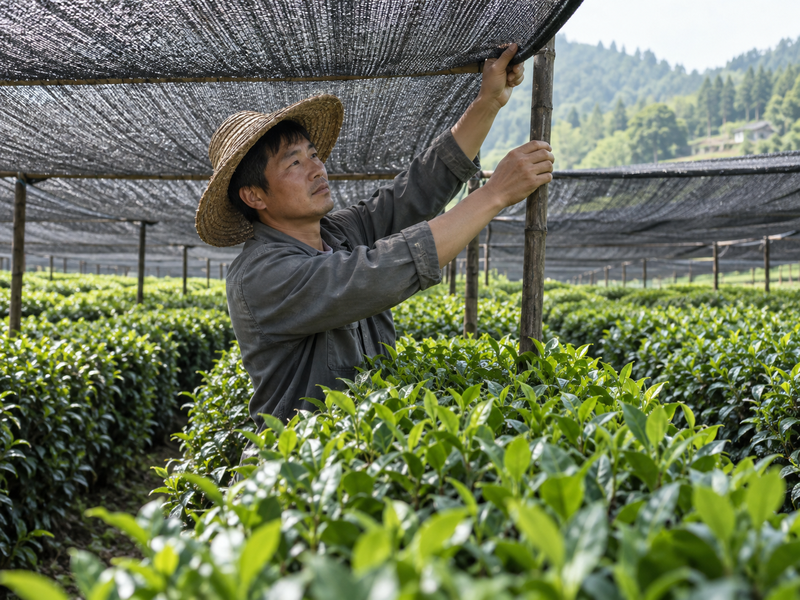
Review the sorting gate
Processors commonly remove stems, veins and unsuitable leaf material before tencha is milled. Ask where this occurs, how its effectiveness is checked and whether material is sorted again after storage. The level of sorting should fit the intended product profile. A powder sold for straight tea may require a different leaf selection from one designed for a strongly flavored dessert.
Ask what fails selection. Request examples of defects that cause rework, downgrade or rejection. A photograph of clean leaf is useful only when tied to the offered lot and inspection record. If several tencha lots are blended after sorting, component identifiers should remain visible in the recipe record. This step matters because grinding hides the leaf’s structure. Once a coarse or unwanted component has entered a fine powder, finding its original source becomes harder without strong pre-milling traceability.
| Sorting target | Buyer interest | Record |
|---|---|---|
| Stems and veins | Texture and taste | Inspection result |
| Old or damaged leaf | Sensory profile | Grade disposition |
| Foreign material | Product control | Removal check |
7. What makes a tencha lot ready for storage?
Release material before shelving it
Ask which checks must pass before tencha enters storage: identity, drying result, package condition and sensory assessment. A warehouse location is not a release decision. Each pack should retain a lot code and status so material cannot move to the mill before approval. Confirm how partial packs are resealed and counted. Storage controls should address moisture, light, odors and conditions during movement.
Probe the opening cycle. If tencha is kept cool, ask how the plant handles a pack before opening it in a warmer area. Condensation risk depends on actual conditions and handling, so seek the plant’s procedure rather than assuming a single temperature solves it. Record processing date and any reinspection schedule. A stored lot may later be blended with another harvest; ask how approval and origin claims change in that case. Buyers need to know that leaf reserved for future powder remains identifiable and suitable.
8. How should material move into milling?
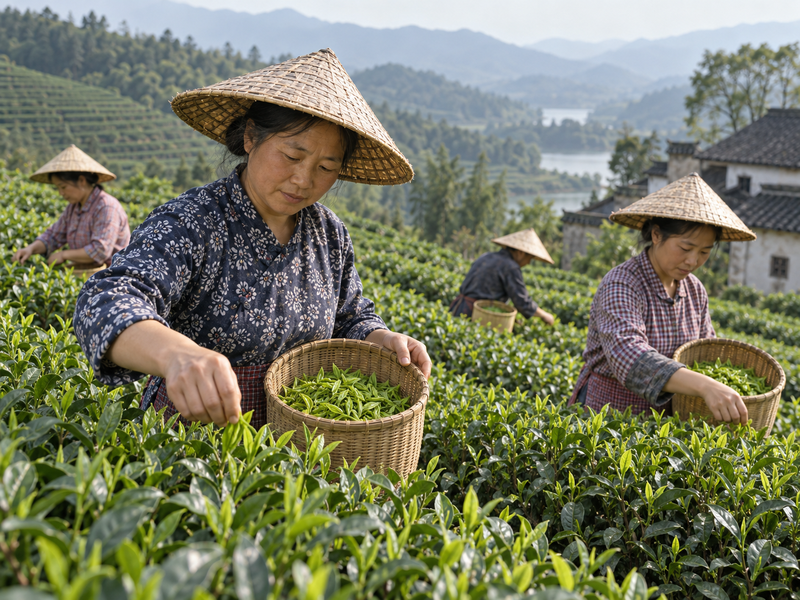
Maintain the identity chain
Before grinding, the mill should receive a defined tencha lot or controlled blend with an approved material status. Ask what documents travel with it and who verifies the match between work order and physical packs. If an outside mill is used, review transfer records and clarify which company has authority to release finished powder. A transport step should not erase source identity.
Check the split-lot rule. One tencha batch may feed several milling runs over time. Ask how the processor records quantities used, remainder and output lot codes. This helps investigate a complaint affecting one run but not another. Confirm cleaning or changeover practice when equipment switches grades. A buyer can then see whether two powdered shipments came from the same leaf and whether milling differences might explain a texture change. The map should support both forward trace and a backward check from a finished carton.
| Milling handoff | Required link | Why |
|---|---|---|
| Work order | Approved tencha lot | Correct material |
| Transfer | Quantity and status | No lost identity |
| Powder pack | Output run code | Complaint trace |
9. Which samples should a buyer compare?
Test leaf and finished powder together
For a tencha purchase, request a representative leaf sample from the commercial lot and a controlled small milling trial. Inspect leaf condition and aroma, then evaluate powder texture, color and flavor. For a finished matcha purchase, ask for a powder sample with a trace to its tencha batch. In both cases, use the same preparation method across candidates and retain a sealed reference.
Test your actual application. A powder may look vivid in a bowl but become harsh under heat or disappear in milk. Record dose, equipment, liquid and holding time. If a new tencha lot will replace the sampled one, require a successor sample or an agreed comparison plan. The purpose is not to inspect leaves for decoration; it is to predict the powder customers will receive. Tie every observation to lot codes so supplier and buyer can discuss differences without guessing which harvest or milling run was involved.
10. What acceptance plan belongs in the order?
Specify evidence and decisions
Write which lot or product code you are buying, its intended use, origin wording, pre-milling material requirements and finished powder checks. State which documents must arrive before release and who approves substitutions. If the supplier changes leaf source, tencha processor, sort criteria or mill, decide whether a new trial is mandatory. The order should also define package format and trace coding.
Make the next lot part of approval. Ask what quantity remains from the evaluated tencha and how a replacement will be selected. Keep a retained sample, specification revision and a concise sensory record. Procurement manages quantity and timing; quality handles document release; development judges the application. When those roles are explicit, a processor can offer a new leaf lot without silently changing the product customers know. The acceptance plan becomes a practical bridge from fresh-leaf work to a repeatable powder order.
| Acceptance gate | Evidence | Owner |
|---|---|---|
| Tencha identity | Input and processing trace | Supplier quality |
| Powder performance | Application trial | Buyer development |
| Repeat supply | Change and successor plan | Procurement |
FAQ
Q1. Is tencha already matcha? No. Tencha is processed leaf that becomes matcha after suitable milling.
Q2. Why avoid a universal steaming time? Leaf and equipment differ; review the processor’s controls and actual batch records.
Q3. Can dried leaf be stored before grinding? Yes, under a controlled plan with identity and condition checks.
Q4. Should the buyer inspect only finished powder? Powder testing is necessary, but tencha records help explain and control repeat lots.
Q5. What if a mill is off site? Request transfer records and define which company releases the finished powder.
Ask for a lot map covering leaf intake through tencha release, then compare powder from that material in your product. Confirm the next tencha lot’s approval route before placing a repeat order. That keeps processing evidence connected to the cup or food your customers actually buy.