
Matcha processing turns harvested tea into a powder through controlled leaf preparation and milling. Buyers often see only the final green pack, making it hard to diagnose a later change in flavor, color or texture. Ask for a stage-by-stage lot map and test powder from the offered batch in your application. Preserve the sample identity through that trial, including its pack date and lot reference, so a later production batch can be compared fairly. Yamamasa Koyamaen’s published process sequence provides a useful reference for the main post-harvest stages. Our matcha incoming inspection guide connects process records to buyer acceptance.
Contents
- 1. Where does post-harvest processing begin?
- 2. Why does the leaf intake window matter?
- 3. What should steaming accomplish?
- 4. How is tencha dried without rolling?
- 5. What happens during sorting and selection?
- 6. Why might processors blend tencha lots?
- 7. How should milling be specified?
- 8. What matters between milling and packing?
- 9. Which finished-product checks support release?
- 10. How can a buyer control future changes?
1. Where does post-harvest processing begin?
Start with identified leaf
The first practical step is receiving harvested leaves from a known source. Ask where the leaf grew, when it was harvested and which intake lot entered processing. A processor may combine farms or harvest loads under a controlled rule. Buyers do not need every field note, but they need an origin declaration and a trace route that supports the intended product and label claim.
Follow one lot through the plant. Request the identifiers used at intake, after steaming and drying, before milling and on finished packs. If another company performs a stage, ask who transfers ownership and who keeps records. This map helps distinguish a material change from a processing change if a future powder differs. A generic flow diagram can teach the stages; it cannot answer whether the commercial sample and shipped cartons came from the same leaf route.
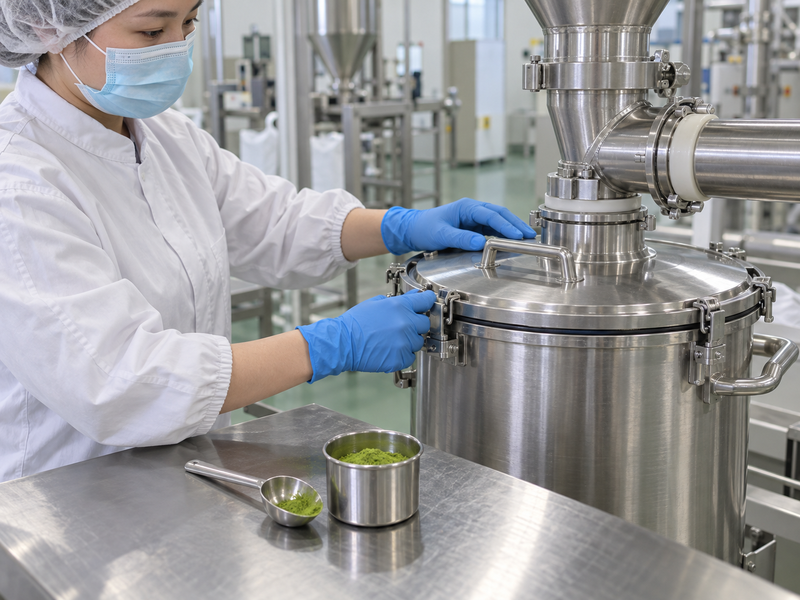
2. Why does the leaf intake window matter?
Preserve material condition
Fresh leaf begins changing after harvest. Ask how the processor controls time, holding conditions and identification before steaming. A busy harvest day may involve several arrivals and a queue for equipment. The plant should explain how it decides which material to process, hold, downgrade or reject. Avoid prescribing a universal maximum from a blog; the useful evidence is the site’s validated practice and completed records.
Ask about exceptions. Review a case where equipment stopped or leaf arrived late. Was material kept identifiable? Did staff inspect it again before processing? Such examples show whether the receiving rule operates under pressure. Record visible condition, off odor and foreign-material checks where they form part of intake criteria. If your supplier buys processed tencha rather than fresh leaf, ask how it approves the upstream processor and verifies that its own incoming material meets specification. The lot map must start at the earliest stage the seller can substantiate.
| Intake point | Buyer question | Record |
|---|---|---|
| Arrival | When and from whom? | Receipt log |
| Holding | Under which conditions? | Time and status |
| Release | Who approved processing? | Inspection decision |
3. What should steaming accomplish?
Stop unwanted oxidation
Steaming is used in green tea processing to limit enzymatic oxidation after harvest. Ask how the plant monitors the operation for each batch and how it identifies material entering and leaving the line. The precise setting depends on equipment and leaf condition; a buyer should avoid adopting one supplier’s time as a universal rule. Ask what defects operators watch for and what they do when a run departs from its controls.
Compare records with sensory evidence. Browning or unexpected cooked or grassy notes may prompt investigation, but sensory observations alone cannot reconstruct a process. Keep a sample from the affected powder lot and ask for its corresponding steaming record. If several leaf intakes enter one run, the plant should document that combination. A stable steaming step helps protect the intended leaf character, while a recorded exception tells buyers when a new sample or different disposition may be needed.

4. How is tencha dried without rolling?
Distinguish the leaf route
After steaming, tencha leaves are dried without the rolling used for some other green teas, as Yamamasa Koyamaen explains. Ask the processor to describe its actual drying equipment and how it confirms material is ready for sorting or storage. Heat exposure, airflow and uneven moisture can affect color and aroma, but one equipment name cannot guarantee the result.
Inspect the outcome at more than one point. Ask whether samples come from different parts of a batch and how an uneven run is handled. Review package condition and storage after drying. A leaf that looks acceptable on a tray can acquire unwanted odor or moisture during later handling. If your supplier uses a partner tencha plant, request its acceptance criteria and a controlled record link. A buyer should be able to explain which tencha lot fed the mill without confusing raw leaf, crude tencha and finished sorted material.
| Drying check | Evidence | Consequence |
|---|---|---|
| Batch identity | Input and output codes | Traceability |
| Material condition | Inspection result | Milling suitability |
| Exception | Hold or rework decision | Claim accuracy |
5. What happens during sorting and selection?
Remove material that does not fit
Processors sort dried leaf, remove stems and veins and select material for particular products. Ask how a plant defines its acceptable tencha for your grade and how it records a blend if several lots contribute. A powder intended for delicate straight tea may use a different selection from one designed for baking. Neither application should rely on a grade word without a written product profile.
Check the pre-milling gate. Review inspection records and ask who can reject a lot with off aroma, excessive stem or foreign material. If the supplier claims hand selection, ask how that applies to the offered batch. The plant needs a repeatable decision before grinding hides the leaf structure. If a material is redirected to another product, records should preserve its identity. Such controls matter because a mill cannot restore a leaf’s lost aroma or remove a wrong ingredient once it has become powder.
6. Why might processors blend tencha lots?
Balance a product profile
Blending can help a producer aim for consistent color, aroma or taste when individual leaf lots vary. Ask whether the offered SKU is a single-source material or a controlled blend. If blended, the supplier should keep component lot identities and an approved recipe or decision record. This does not require disclosure of every commercial proportion to a buyer, but the company should be able to trace inputs if a problem appears.
Treat a blend change as a product change. Taste the finished powder against the approved reference and decide what difference your application can tolerate. A café latte may allow a wider flavor range than a straight-tea retail SKU. Record which changes trigger a buyer notice or new sample. Do not assume that “single origin” excludes multiple gardens within a region; define exact wording. A transparent blend plan can be a strength when it supports repeat supply, provided claims and lot records remain accurate.
| Blend question | Why ask | Buyer decision |
|---|---|---|
| Which source lots? | Traceability | Claim review |
| What target profile? | Sensory consistency | Trial criteria |
| What changed? | Repeat orders | Notice or approval |
7. How should milling be specified?
Specify finished behavior
Grinding turns prepared tencha into matcha powder. A supplier may emphasize stone milling or modern machinery, but buyers should focus on texture, dispersion and sensory performance from the actual lot. Ask for the milling site, run identifier and date. If particle size matters, agree on a measurement method and limit rather than relying on an unqualified mesh label.
Test under real conditions. Whisk straight tea if that is the sale; mix with your normal milk, sweetener or food base when those are the applications. Note clumps, mouthfeel and visible sediment. Ask how the plant prevents foreign material and mix-ups between grades at the mill. A technical sheet can describe equipment, while a sample shows whether its output fits your product. Keep a sealed reference sample and use the same preparation method when the next lot arrives.

8. What matters between milling and packing?
Protect powder identity and condition
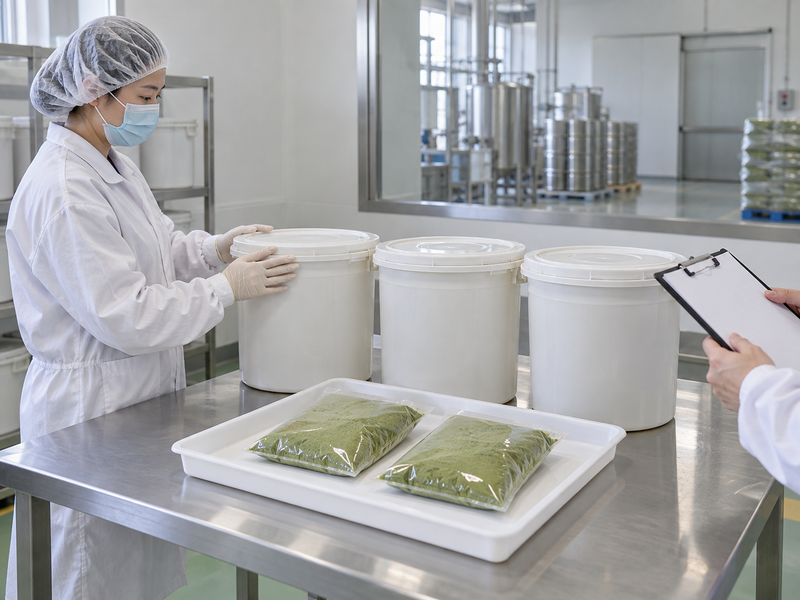
After milling, fine powder may move through holding containers, sieves or filling equipment before sealing. Ask how the plant limits exposure to air, light, moisture and unintended material during that interval. Confirm that temporary containers are identified and that partial lots cannot be confused with another grade. Where powder is shipped to an outside packer, request a transfer record and release responsibilities.
Check the pack that will arrive. Review barrier properties, closure, lot code, fill weight and outer carton identification for your format. A retail tin and a bulk bag face different opening cycles. Ask how early and late packs are sampled on a run. If your business repacks bulk matcha, confirm which stability evidence applies after your own process. A well-made powder can still arrive with damaged seals or unreadable trace codes; packing belongs in the product approval, not merely the shipping discussion.
| Handoff | Check | Failure signal |
|---|---|---|
| Mill to holder | Code and closure | Unknown material |
| Holder to packer | Transfer record | Mixed lot |
| Packed unit | Seal and code | Exposure or weak trace |
9. Which finished-product checks support release?
Review results for the named batch
Ask for a specification, ingredient statement and lot-linked test record. Your quality team should choose the relevant sensory, physical and safety parameters for the destination and application. Verify report method, units and sample identity. A supplier’s list of laboratory capabilities is not proof that each lot passed every possible test. Check who has authority to release product and whether cartons can ship while results remain open.
Inspect certificate scope. If organic or food-safety credentials matter, confirm current holder, site, product category and expiry. A certificate is not a replacement for a batch record. Compare the sample you tested with the lot offered for purchase and request a successor-lot rule. Matcha Village’s company materials describe test and export-document support; ask for current, product-specific evidence before treating any capability as an approved shipment. The same standard should apply to every origin in your shortlist.

10. How can a buyer control future changes?
Put a notice rule in the agreement
State which changes the supplier must disclose: leaf source, tencha processor, blend, milling site, packaging or specification. Decide which ones need a new sample and application trial. Keep a retained portion of the approved lot and a record of the method used to test it. If a difference appears, this file lets both parties compare product and process rather than argue over vague grade language.
Link technical and commercial plans. Ask what quantity remains from the approved lot, how a successor will be selected and when you will hear about it. A purchasing contract should name the product code, pack and quality revision, while the order confirms volume and delivery terms. Review changes before printed labels or recipes are updated. Controlled matcha processing gives buyers a repeatable powder and a clear explanation when the next batch differs.
| Change | Buyer response | Record |
|---|---|---|
| New leaf blend | Sensory comparison | Approved sample |
| New mill or packer | Process review | Site and lot trace |
| New label claim | Evidence review | Approved copy |
FAQ
Q1. Does matcha processing start at milling? No. Fresh-leaf intake, steaming, drying and sorting shape the material milled into powder.
Q2. Why are tencha leaves dried without rolling? That is part of the tencha route described by established Japanese producers.
Q3. Does stone milling guarantee quality? No. Test the actual powder and inspect its lot records.
Q4. Can a supplier blend tencha lots? Yes, if component lots and claims remain controlled.
Q5. What should a buyer request with a sample? Ask for product identity, lot link, specification and a process summary.
Request a lot map from harvested leaf to packed powder and a sample from material you can actually buy. Test it in your product, then set a written change notice rule. Those steps turn matcha processing into a controllable purchasing requirement.