
Rose matcha needs accurate floral dosing because a small change can move the drink from a light rose aroma to a perfume-like finish. The cafe’s first task is to identify the rose ingredient. A sweet syrup, a culinary rose water and a concentrated flavor are not interchangeable measures, even when their bottle names sound similar.
Build the drink around one approved ingredient and a written dose. The trials below are suggested development work, not validated recipes. They are intended to help cafes and beverage buyers select a workable rose-and-tea balance without relying on decorative petals to carry the flavor.
Ingredient · Documents · Trial · Sweetness · Milk · Tea · Garnish · Service · Cost · Approval
1. Which rose ingredient belongs in rose matcha?
Choose by composition and intended use
A culinary rose water contributes aroma with little or no sweetness depending on its formulation. A rose syrup combines flavor with a sugar system. A concentrated food flavor may require much smaller dosing and different handling. Check the actual product specification before selecting the measuring method.
The Healthful Ideas rose latte uses a rose syrup with milk and prepared tea. That is one practical drink architecture. A cafe can buy a specified syrup or develop its own approved preparation, but the two routes need separate dose and storage records.
| Rose format | What the buyer must define |
|---|---|
| Culinary rose water | Composition and recommended use |
| Rose syrup | Flavor strength and sugar contribution |
| Food flavor concentrate | Use rate and measuring accuracy |
| Edible petals | Food suitability and intended role |
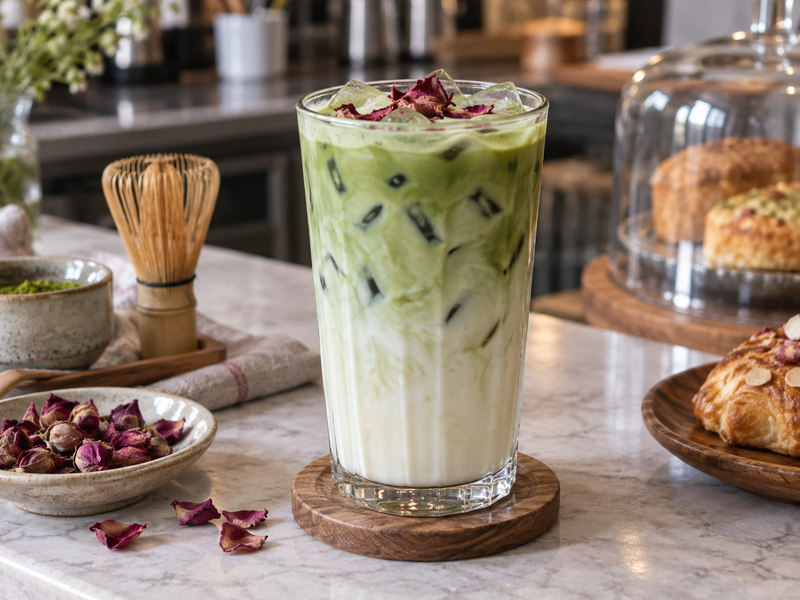
Use only an ingredient supplied for food use. A bottle sold for cosmetics or room fragrance should not enter the beverage trial. Keep the original supplier identification available after decanting so the team can verify what is in each working container.
2. What should buyers check before tasting?
Read beyond the front label
Request the ingredient declaration, intended use, lot identification and storage instructions. If the market or customer has requirements concerning alcohol, carriers, certification or allergens, obtain documents for the exact item. A floral name on the front of the bottle does not answer those questions.
For example, the Nielsen-Massey rose water page lists cane alcohol, natural flavors, glycerin and rose oil among its ingredients. That product-specific information illustrates why buyers must inspect composition instead of assuming all rose waters are identical. Do not apply one manufacturer’s list to another supplier’s product.
Check whether the proposed syrup includes color. A pink appearance can come from an ingredient beyond rose itself. If a colored version is selected, the recipe and label review should reflect its actual composition.
Ask the supplier to state a starting use range for beverages and explain how it is expressed. A percentage of the final drink is different from a percentage of the syrup preparation. Convert the guidance into a weighed bench trial before staff begin experimenting with drops or bottle capfuls at the service station.
3. How can you run a small floral dose trial?
Begin with a specified commercial syrup
The following is an original proposed screen for a rose syrup latte. It is unvalidated, and the syrup supplier’s appropriate use guidance takes precedence where relevant. It does not apply to concentrated rose flavor or undiluted rose water at the same gram amounts.
| Component | Cup A | Cup B | Cup C |
|---|---|---|---|
| Pure matcha | 2 g | 2 g | 2 g |
| Water for tea | 40 g | 40 g | 40 g |
| Selected milk | 150 g | 150 g | 150 g |
| Specified rose syrup | 10 g | 15 g | 20 g |
| Ice | 100 g | 100 g | 100 g |
Prepare equal tea portions and mix each syrup dose with its milk before assembly. Taste the finished cups after stirring. Record rose aroma at the first sip and the finish after swallowing; a pleasant smell above the glass does not establish a pleasant full drink.
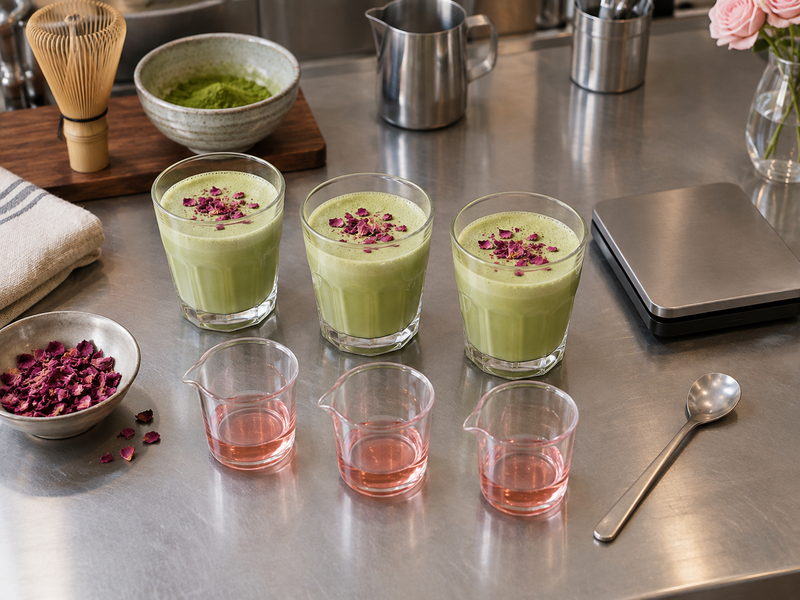
These cups vary both rose and sweetness because the syrup contains both. Use the result to select a broad direction, then run the separate sweetness comparison described below. Avoid declaring the preferred cup a final recipe after a single tasting session.
4. How do you separate rose aroma from sweetness?
Compare at a similar sweetness level
If the higher-syrup sample wins, determine whether tasters preferred more rose or more sugar. A follow-up trial can bring the lower-rose cup closer in sweetness using a defined plain syrup, while keeping the floral ingredient lower. Record every added gram and compare total cup weights.
When working with a culinary rose water, build a controlled sweetened base first and add the rose ingredient within its supplier-guided use range. Use measuring equipment appropriate for the small dose. A drop count can vary with the bottle opening and the operator’s angle.
| Tasting description | What to investigate |
|---|---|
| Pleasantly sweet but little rose | Floral dose or ingredient identity |
| Perfume-like finish | Lower rose concentration |
| Rose is clear but cup is too sweet | Syrup system or separate flavor route |
| Tea disappears | Rose dose and tea selection |
Keep the number of samples manageable and provide plain water between tastes. Ask participants to write their observations before discussing them together. This prevents the first confident comment from becoming the group’s only description and gives the developer evidence about which part of the drink needs adjustment.
5. Which milk allows the rose and tea to remain clear?
Compare the milk as a flavor ingredient
The milk base changes body and brings its own aroma. A strongly flavored plant drink can merge with the rose in an unexpected way, while a rich dairy base may require a different balance. Test the exact products intended for purchase rather than treating all versions of one milk type as equivalent.
Use the same rose ingredient, tea dose and ice in each comparison. Let tasters evaluate a plain version of each milk first if they need help identifying its contribution. That makes comments about cereal, nut or coconut notes more specific.
| Base choice | Question to answer |
|---|---|
| Dairy milk | Does richness soften the floral identity too much? |
| Oat drink | Does its own flavor compete with rose? |
| Almond drink | Is the nut-and-rose combination intended? |
| Coconut drink | Does coconut become a third main flavor? |
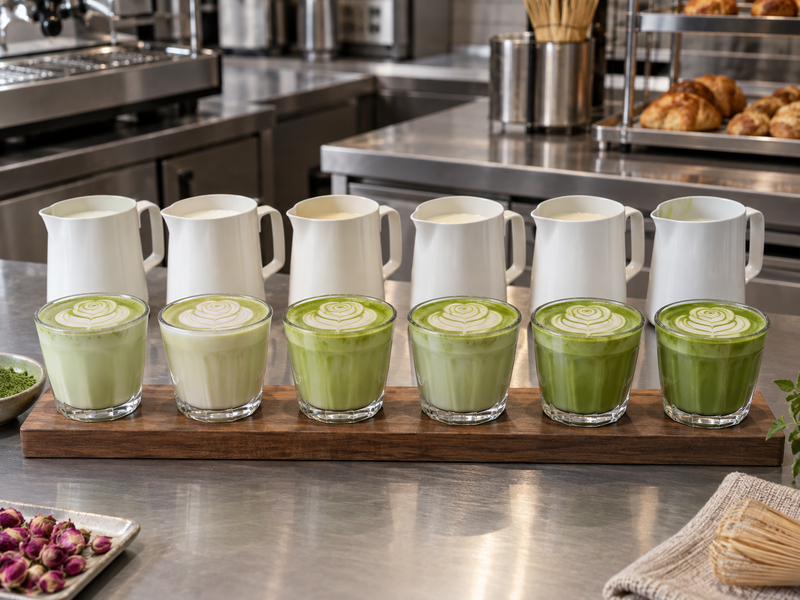
Record the selected milk identity and allergen information. If substitutions are offered, approve each build. Staff should not promise an identical taste when changing the base, and they need accurate ingredient information for customers who choose a particular milk for dietary reasons.
6. How should the matcha be selected and prepared?
Give tea its own tasting reference
Taste candidate powders prepared in water, then in the selected rose latte. The first comparison helps identify the tea’s character, while the second decides whether it suits the product. A tea that is pleasant alone may be hard to recognize beside floral syrup and milk.
Sift before whisking. Ippodo’s clump guidance supports that preparation step. Keep the water amount and tool fixed during the comparison, and inspect the bowl for residue after pouring so the delivered dose remains close to the weighed dose.
Use the Matcha Village flavor guide to organize plain sensory language such as grassy, bitter or rounded. In the actual trial sheet, write what your panel observed rather than copying a supplier’s promotional description.
Ask for the commercial item code, sample lot and ingredient declaration. A sweetened matcha blend changes the syrup calculation and should have its own formula. Keep enough of the preferred pure-tea sample for a receiving comparison so the first order can be checked against the ingredient that won the tasting.
7. Do rose petals improve the drink?
Test the garnish as something customers encounter
Petals can identify the floral direction visually, but they can also collect in the lid opening or feel papery while drinking. Use food-grade petals from a documented source and test the exact amount and placement. A decorative flower from an unknown supply chain is not a beverage ingredient.
Serve a garnished and ungarnished version to the team in the actual takeaway cup. Ask them to drink normally. Check whether petals stay at the surface, stick to the lid or enter the straw. If the garnish causes repeated inconvenience, a clean cup without petals may serve customers better.
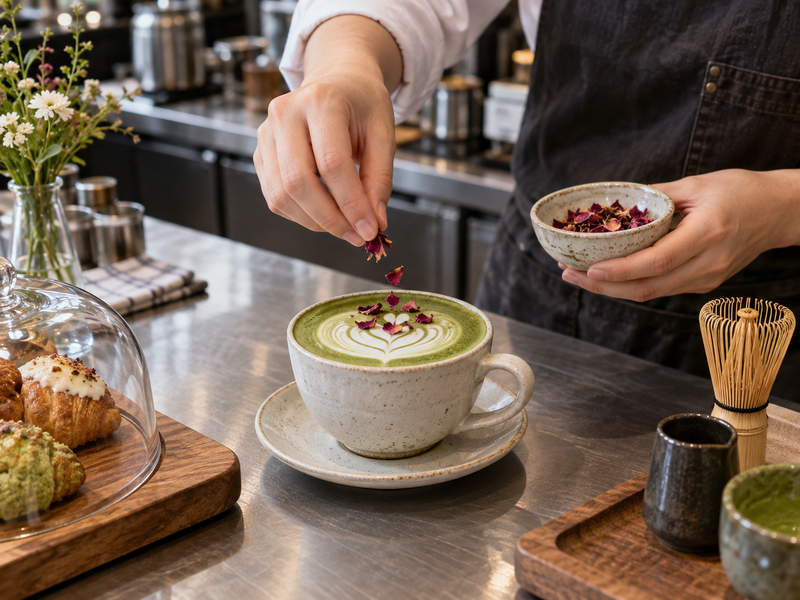
Keep garnish weight or a clear portion measure on the card. A generous pinch from one operator can look and feel very different from a few petals placed by another. Include the preparation time in the cost test.
Do not rely on petals to correct a weak rose flavor in the liquid. The drink should meet its sensory target without requiring customers to chew the decoration. Approve the syrup balance first, then decide whether the visual addition earns its place.
8. How can staff repeat a small dose during service?
Select the dosing tool after the formula
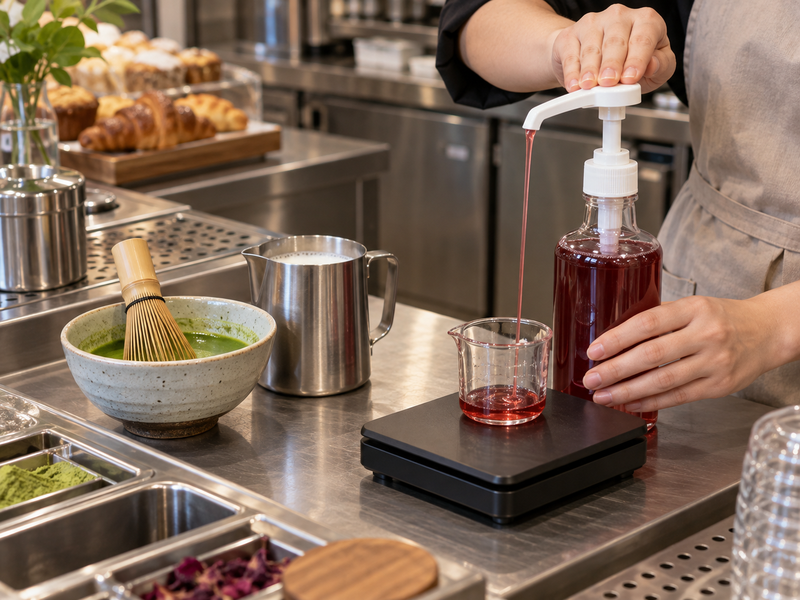
Once the flavor dose is chosen, test the pump, syringe or other food-service measuring tool that will deliver it. Measure repeated portions by weight. Check for incomplete strokes, residue and changes when the bottle is nearly empty.
If a concentrate requires a working dilution, that preparation needs its own approved formula, label and handling procedure. Do not let staff improvise dilution to make the pump convenient. The dilution becomes a separate ingredient whose identity must remain traceable.
| Service tool | Verification |
|---|---|
| Syrup pump | Several strokes weighed together |
| Small measuring vessel | Readable measure and clean transfer |
| Food-service dosing syringe | Suitable range and cleaning method |
| Working dilution bottle | Formula, batch identity and use controls |
Place the rose ingredient away from similar-looking syrups if a mix-up is plausible. Give it a clear identifier on the station card. Train staff with the selected bottle and tool, then have them prepare several cups without coaching. A formula that depends on one experienced barista’s instinct is difficult to repeat across locations.
9. What does a floral latte cost to operate?
Compare cost at the accepted flavor level
Calculate rose ingredient cost using the actual dose, not the bottle price alone. A concentrated product may have a high price per kilogram but a small use rate. A mild syrup may require more grams and add more sweetness. The sensory target decides which comparison is commercially relevant.
Include tea, milk, ice, cup, lid and garnish. Record rose syrup left in a bottle or measuring vessel and any working preparation discarded under the approved procedure. Small specialty ingredients can create waste when sales fluctuate.
Track remakes during a limited launch. If customers repeatedly call the drink too floral, confirm that staff are delivering the approved dose before reformulating. A pump error can mimic a poor recipe and lead the developer to weaken a formula that was already balanced.
Time the garnish and cleanup work separately from the basic latte build. The rose version may be easy to add to an existing matcha station if it uses a single measured syrup, while a complex garnish or working dilution introduces more preparation than the menu price initially suggests.
10. What should the final supplier brief include?
Describe the finished drink and its constraints
Give the tea supplier the milk base, rose format, planned tea dose and desired finish. Ask for a powder that can be compared at that dilution. Give the rose supplier the final beverage type and any requirements concerning carriers, color or market documentation.
Keep both suppliers’ item codes linked to the approved recipe. A change to the rose formulation can require a new tea balance even if the matcha stays the same. Request notification of specification changes and make receiving comparisons part of the purchasing routine.
The store card should show the dose, preparation order, cup, ice and garnish choice. Include a photograph of the mixed drink and a brief description of an excessive floral finish so staff know when to check the pump or ingredient identity.
Prepare the final trial with a second operator and the intended commercial pack sizes. Weigh the completed cups, taste them blind beside the approved reference and record the results. Place the opening order only against those tested item identities and distribute the same recipe version to every participating store.
FAQ
Q1: Can rose water replace rose syrup one for one?
No. Their flavor strength, sweetness and composition can differ greatly. Review the exact product’s use guidance and develop a separate measured formula. Keep plain sweetener and rose aroma as distinct variables when testing the replacement.
Q2: Does rose matcha need to be pink?
No. The finished color depends on the tea, milk and any colored ingredients in the recipe. Choose the appearance from actual trials. If a color ingredient is used, record it accurately in the formula and relevant product information.
Q3: Can petals from a florist be used?
Use petals supplied and documented for food use. A decorative flower source does not establish suitability for consumption. Check the supplier, ingredient identity and handling directions before introducing any petal garnish to the beverage station.
Q4: What should change if the drink tastes like perfume?
First verify the ingredient identity and actual delivered dose. If both match the approved trial, compare a lower rose level. Keep the tea and milk unchanged during that test so the team can judge the floral adjustment clearly.
Q5: Can this be sold as a calming drink?
This development guide supports flavor and preparation decisions, not a health effect. Describe the rose aroma, tea and chosen milk accurately. Any specific physiological or health claim needs appropriate evidence and review for the market where the drink is sold.