
Organic matcha green tea powder requires two separate buying decisions. First, is the product certified and labeled correctly for the market where it will be sold? Second, does the tea meet the color, flavor, food-safety and production requirements of the intended recipe? An organic seal is evidence of a defined production and handling system. It is not a tasting note or a guarantee that every laboratory result will be identical. Ask for the certificate scope and a lot-linked sample before approving artwork.
Contents: Meaning · Certificate · Chain · Origin · Quality · Testing · Blend · Label · Lot · Supplier
1. What Does Organic Mean for This Product?
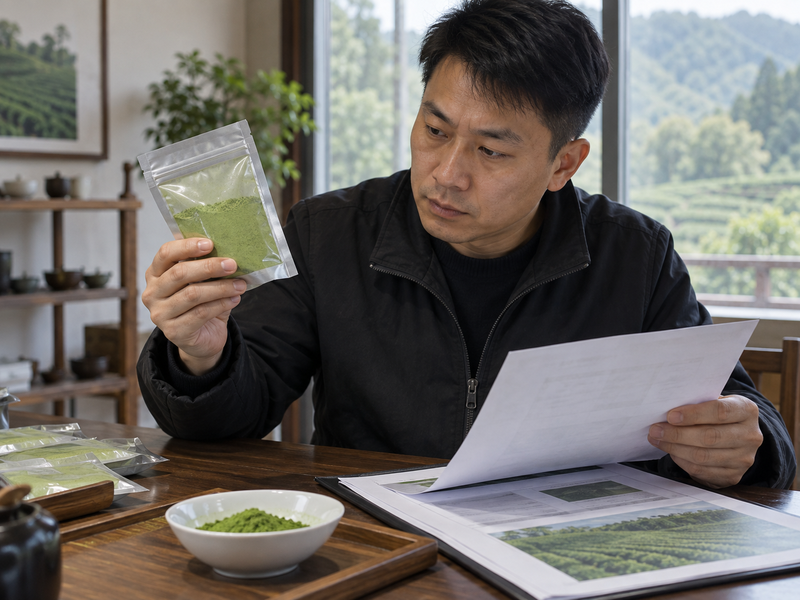
Treat the word as a regulated claim
Organic certification concerns how agricultural products are produced and handled under the applicable standard. It is more specific than a supplier’s promise that the farm “uses natural methods.” The buyer should identify the destination market before deciding which organic program must apply. A certificate for one market or product scope may not automatically support a package claim in another. The USDA explains the main US organic labeling categories.
Organic status does not remove the need to review taste, moisture, contamination controls or shelf life. Nor should a buyer infer “pesticide free” from the seal; that wording is a different claim and requires its own careful review. Keep the certification question tied to the exact ingredient and product sold. A supplier that sells both organic and conventional matcha needs records showing which lots entered which finished packs.
| Question | Evidence | Reason |
|---|---|---|
| Which standard? | Market-specific certification | Determines permitted claim |
| Which product? | Certificate scope | Prevents wrong-SKU use |
| Which lot? | Traceability record | Connects claim to shipment |
| Which handler? | Chain records | Tracks repacking or blending |
2. Which Certificate Should a Buyer See?
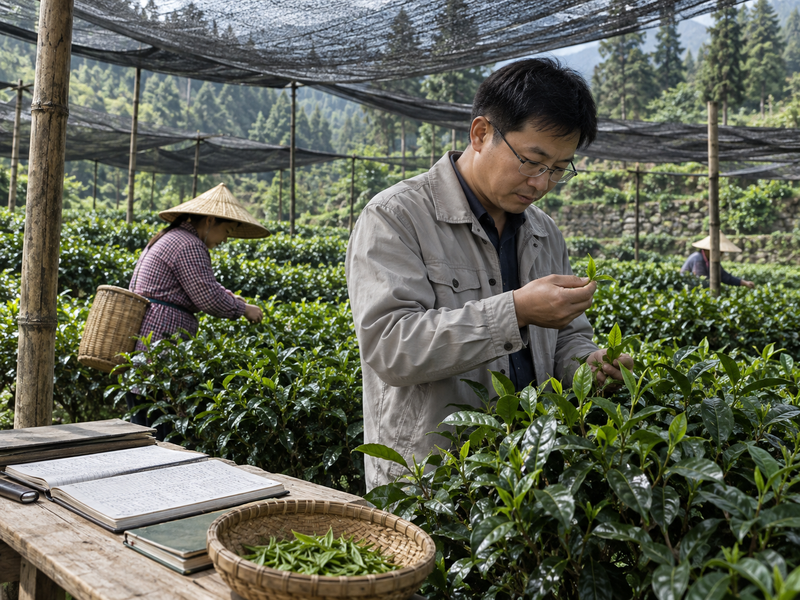
Check scope, status and dates
Ask for the current organic certificate and verify the legal entity, certifying body, scope and product category. A photo of a seal on a brochure is not a substitute. If the product is made, milled or packed by a different company from the farm, request records covering the relevant handling steps. Confirm that the certificate was valid for the production period and that the specific material being purchased is included.
For a sample order, ask the seller to identify whether the sample came from the same certified stream as the proposed bulk order. Development samples are sometimes drawn from convenient stock. If the sample and production route differ, repeat the sensory trial with a representative commercial lot.
For a private-label launch, the brand also needs to know whether its own repacking, blending or labeling operation must be certified under local rules. The manufacturer’s certificate may not cover a later independent handler. Build this check into supplier qualification, not the final artwork review. If a certificate is renewed or amended, request the updated document and confirm that the approved product remains within scope. Certification is a live system, not a one-time PDF attachment.
3. How Is Organic Status Kept Through the Chain?

Follow the lot through every handoff
Certified leaf can lose its claim integrity if it is mixed with conventional material, packed under the wrong code or shipped without traceable records. Ask how the farm, processor, mill and packer identify organic material and prevent commingling. A lot code should connect the finished powder to its incoming leaf and production records. The amount shipped should be plausible against the amount produced and recorded; this is part of chain-of-custody control.
At receiving, compare the purchase order, carton labels, certificate references and delivery documents. If a supplier substitutes a lot because stock ran short, do not assume the replacement has the same certification status. Hold it until the records match. A buyer can also request a mass-balance explanation during an audit. This is more useful than relying on a green pack design, which can suggest organic status without proving it.
| Handoff | Typical failure | Control |
|---|---|---|
| Farm to processor | Unidentified leaf | Lot and field records |
| Processor to mill | Mixed streams | Segregation and production log |
| Mill to packer | Wrong powder code | Batch reconciliation |
| Packer to buyer | Unsupported claim | Shipment-linked documents |
4. Does Imported Matcha Need Different Records?
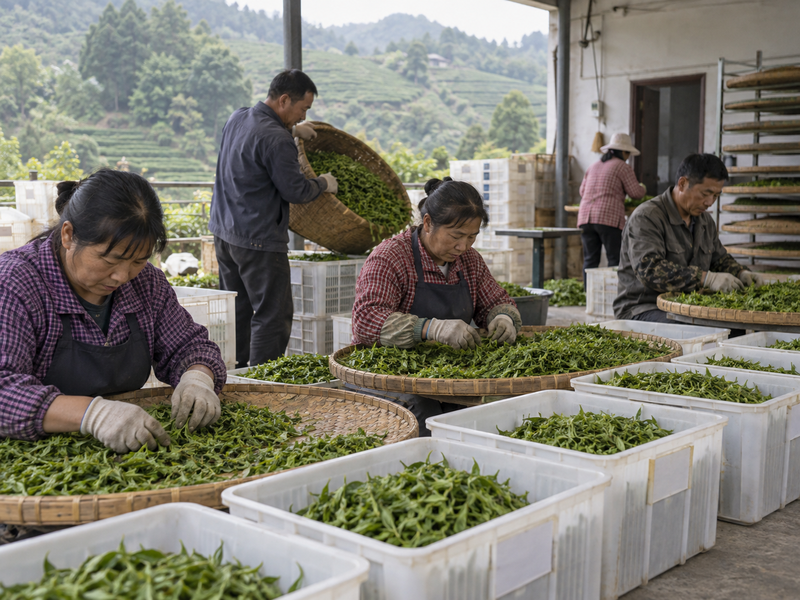
Plan for the destination market
Importing adds customs, exporter and organic-program requirements. For the United States, USDA guidance on organic imports and labeling should be checked for the current rules, including how imported certified products may use the USDA seal. Buyers in other markets should consult their own authorities and qualified advisers. A certificate issued in the producing country is a starting document, not a blanket answer for every destination.
Define the importer of record and the party responsible for claim review. Confirm the product name and lot codes remain consistent across the invoice, export documents, organic records and retail artwork. If the tea is repacked after import, document that step. Budget time for review before printing packaging; relabeling a full shipment is expensive. The same caution applies to an online product page, where a seal or headline can make a claim even if the back panel is accurate.
5. Does Organic Status Predict Taste or Color?
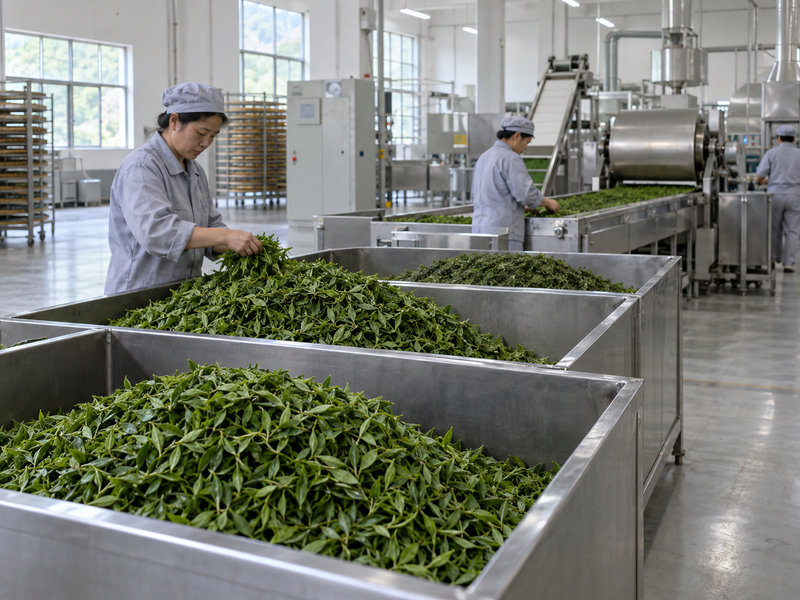
Run a separate sensory trial
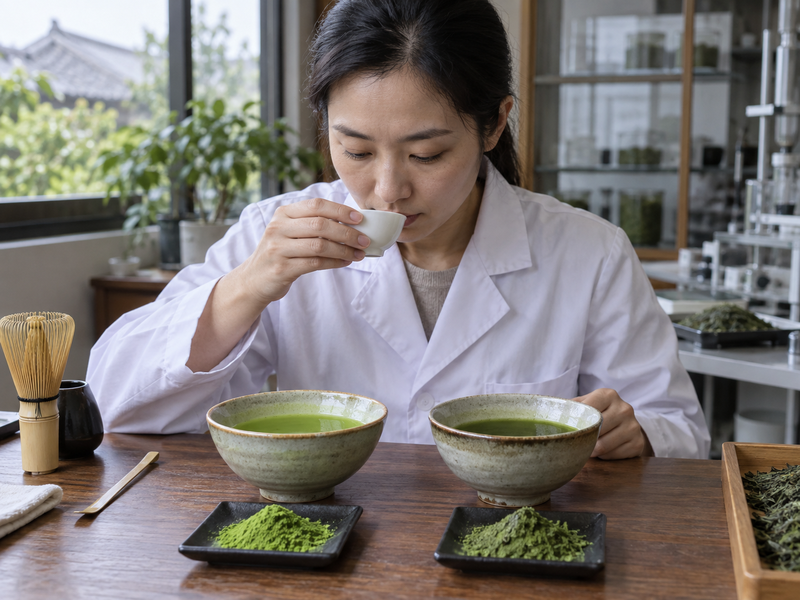
Certification does not assign a flavor grade. Organic matcha can vary in cultivar, harvest, shading, leaf selection, milling and age just as other matcha does. Compare samples at equal powder weight in water and in the intended product. A café should test the proposed dose in its milk and service workflow. A bakery should test the powder after baking, not only in a dry dish. Keep notes on aroma, bitterness, color and texture.
If the brand wants both organic status and a narrow visual standard, discuss lot blending and seasonal variability with the supplier. Do not assume the brightest sample will be easy to replenish. Request several production lots when possible and retain an approved reference. Our types of matcha guide explains why grade words alone do not resolve application fit. A good organic sourcing decision rests on both valid certification and a tea that works reliably.
6. Which Lab Results Still Matter?
Apply ordinary food-safety and quality controls
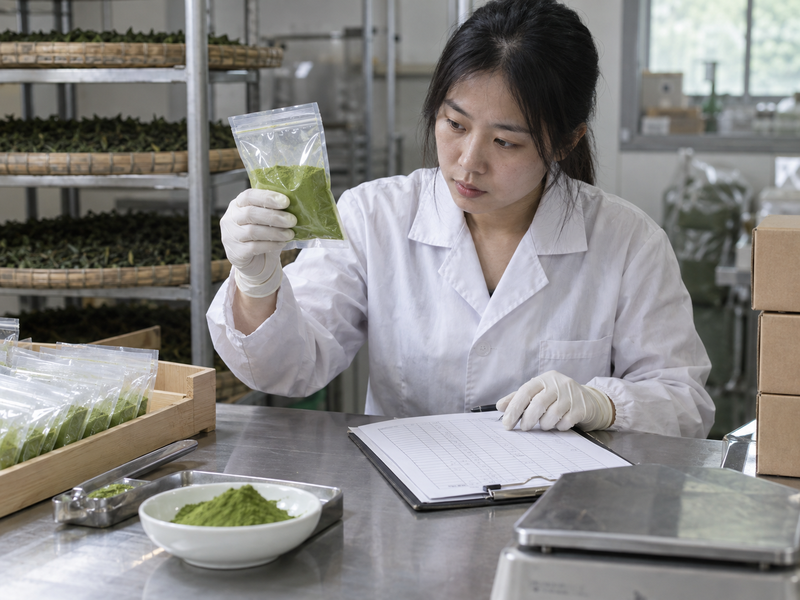
Organic certification does not replace product testing or supplier food-safety controls. Set the chemical, microbiological, moisture and physical criteria appropriate to the tea and destination market. Ask for lot-linked certificates of analysis where required, with methods, units, dates and limits. Investigate results that do not match the specification. A test report for a different SKU or an undated sample does not qualify the goods arriving now.
Be precise about residue language. “Organic” does not mean that all possible substances are absent at all detectable levels. Testing programs, environmental exposure and legal thresholds are separate matters. Do not add “zero pesticide” to artwork simply because an organic certificate exists. The buyer and regulatory team should review any residue claim against actual data and local law. Keep the test plan risk based; a long list of irrelevant analytes can obscure the controls that matter most to the product.
| Control | What to verify | Not established by |
|---|---|---|
| Organic status | Valid scoped certification | Green packaging |
| Moisture | Lot result and limit | Organic certificate |
| Residue compliance | Relevant testing and rules | “Natural” claim |
| Sensory quality | Approved sample trial | Seal alone |
7. What If the Product Is a Sweetened Mix?
Classify the finished formula
A latte mix may contain organic matcha and conventional sugar, creamer or flavors. That does not automatically make the entire mix “organic.” In the US, USDA labeling rules distinguish “100 percent organic,” “organic” and “made with organic” categories, each with its own conditions. The USDA seal is not available for every category. Have a qualified reviewer calculate the certified-organic content and assess processing aids and handling before approving the front panel.
Keep a formula version and organic status for every ingredient. If a substitute sweetener is introduced, repeat the calculation and label review. A private-label buyer should ask whether the factory’s certification covers the finished blend, not merely the tea input. A menu item made with organic matcha also should not imply that all other ingredients are organic unless that is supported. Plain language often solves the problem: identify the organic ingredient accurately without overstating the whole product.
8. How Should the Label Be Reviewed?

Read the entire pack as a customer would
Check the product name, ingredient list, organic wording, seal, certifier identification where required, origin statement and preparation directions. A large leaf graphic or green color is not proof of certification, but it may shape the overall impression of the claim. Review online listings and sales sheets at the same time. An e-commerce title that says “USDA organic” should have the same support as the physical package.
For US products, the USDA’s current import-labeling page states that the USDA organic seal is limited to products meeting the relevant “100 percent organic” or “organic” categories. A “made with organic ingredients” product has different permissions. Rules may change, so use current official guidance at final approval. Keep the signed artwork, certificate and formula together to make later audits manageable.
| Artwork element | Approval question |
|---|---|
| Front-panel word “organic” | Which category and product? |
| Seal | Is its use permitted? |
| Ingredient statement | Which ingredients are certified? |
| Origin wording | Is it accurate for this lot? |
| Online title | Does it match the approved pack? |
9. How Can a Buyer Approve a Commercial Lot?
Use a release checklist before shipment
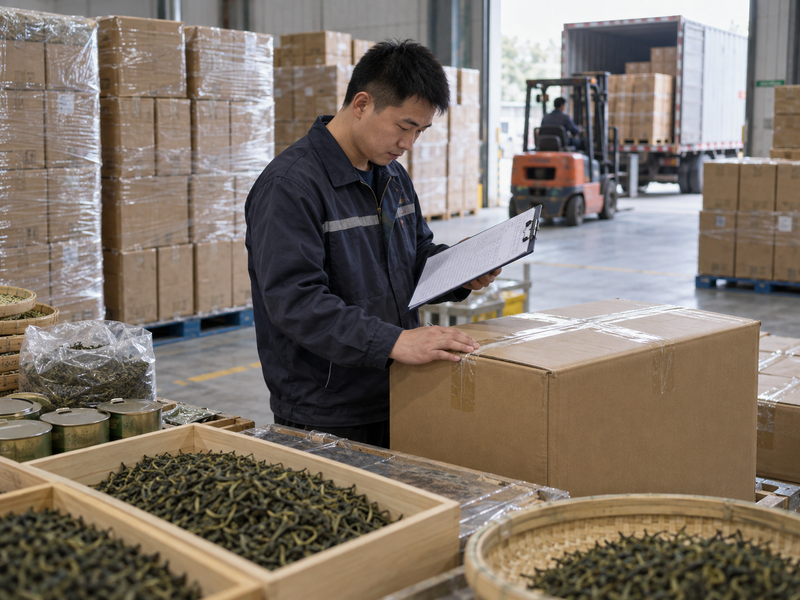
An approved sample is only a starting point. Before accepting a commercial lot, match its code to the certificate scope and transaction records, then review the agreed quality results. Prepare a standard water bowl and the target recipe using the same dose as the original approval. Compare flavor, color, texture and pack condition with the retained reference. A new harvest or processing change may produce a legitimate difference that still needs approval.
Put the release responsibility in writing: who draws the sample, who reviews the documents and what happens if one item is missing. A supplier may offer a strong price on a replacement lot, but a brand should not substitute it under an organic label without checking the chain. Keep records of rejected lots as well as accepted ones. That history can reveal whether a problem is occasional or part of a supplier control gap.
| Release item | Evidence to retain | Reviewer |
|---|---|---|
| Organic status | Lot-linked transaction record | Compliance team |
| Quality | Specification and test result | Quality team |
| Sensory | Approved comparison notes | Product team |
| Package | Seal and artwork check | Receiving team |
10. What Should Go in the Supply Agreement?
Turn the claim into operating requirements
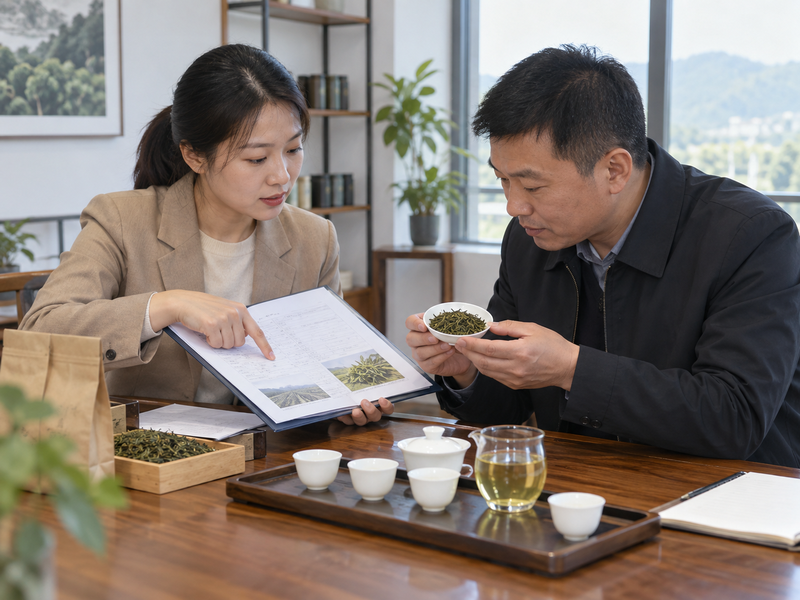
Specify the organic standard and destination market, certified entities, exact product, traceability records, notification period for status or formula changes, required test documents, approved pack and dispute procedure. Include the sensory and physical specification separately. The contract should identify who handles artwork review and what happens if certification lapses. If the product is sold across several markets, list each market rather than relying on a vague “international organic” promise.
Matcha Village’s materials describe manufacturing and private-label options. For an organic project, the buyer should request current certification and product-specific chain records before printing that claim. The same applies to any supplier. An orderly file—certificate, formula, lot records, tests, approved artwork and retained sample—makes the product easier to replenish and easier to defend if a retailer asks how the claim was supported.
Frequently Asked Questions
Q1. Is organic matcha automatically higher grade?
No. Organic certification concerns production and handling rules. Taste, color and recipe performance require separate evaluation.
Q2. Does organic mean pesticide free?
Do not make that inference. Organic status and a “pesticide free” claim are different. Review current rules and product-specific testing before using residue language.
Q3. Can an imported powder use the USDA organic seal?
It can only do so when the product and import chain meet the applicable US organic requirements and the labeling category permits the seal. Check current USDA guidance.
Q4. Is a latte mix organic because its tea ingredient is organic?
Not necessarily. The entire formula and handling chain determine how the finished mix may be described. A qualified reviewer should assess the category.
Q5. What is the fastest useful buyer check?
Match the current certificate scope, exact product name and lot-linked shipment records before approving any package or online organic claim.