
Matcha wholesale minimum order quantity is the smallest purchase commitment a seller accepts for a defined product, pack or production run. Buyers can misread that commitment when weight, units and components appear together. Ask what the minimum applies to, then compare it with consumption, cash and delivery plans before agreeing.
Table of contents
- What does a minimum order actually apply to?
- Which units should the supplier state?
- Can several products combine toward one minimum?
- Why can packaging create a separate minimum?
- How can minimums be compared with actual consumption?
- What is the difference between a trial order and a repeat order?
- How can you negotiate a smaller commitment?
- Can phased deliveries solve a large minimum?
- What costs can make a small order expensive?
- What should be approved before accepting the minimum?
1. What does a minimum order actually apply to?
Identify the scope before comparing numbers
A minimum can apply to a product, an order, a packing run or a component purchase. These are different commitments. A seller may accept a small amount of standard powder while a printed pouch requires a larger component order. The quotation can also contain a minimum order value alongside a minimum product weight. Ask for each condition in writing and record its unit. Without that scope, the smallest quoted number may describe only one part of the transaction.
Write a scope line for every item in the proposed order. Name the powder, packaging format, SKU and whether the condition applies each time or across a longer period. If the supplier uses a case minimum, record how many packs the case contains and their net weight. Ask whether freight minimums or handling fees apply separately. The purpose of checking matcha wholesale minimum order quantity is to understand what you must buy or pay for. A number is useful only when your team can connect it to the stock and obligations that will result.

2. Which units should the supplier state?
Convert weight, packs and order value separately
Request the original unit used by the supplier. Kilograms can describe powder quantity. Units can describe finished retail packs. Cases can describe dispatch packaging. A production run may combine powder and setup work. An order-value threshold describes spending rather than a physical quantity. Preserve these original units in your comparison, then add conversions where needed. Converting everything into kilograms can hide a packing or payment condition that still applies.
Use a clearly labeled hypothetical example to check arithmetic. If a case contains ten bags with 500 grams in each bag, one case holds five kilograms. That example is a unit conversion, not a supplier minimum. If two case sizes are offered, compare the actual case contents rather than their names. Confirm whether quoted weight is net product weight and whether the minimum includes all SKUs together. Give the converted amount a source and date. A buyer who can trace each unit has a firmer basis for discussing a smaller first order or phased delivery.
| Stated unit | What it may describe | Clarification |
|---|---|---|
| Kilograms | Powder quantity | Per grade or combined? |
| Finished packs | Retail production | Per SKU and run? |
| Order value | Transaction spending | Before or after freight? |
3. Can several products combine toward one minimum?
Ask for aggregation rules
Products can combine for one commercial condition and remain separate for another. A supplier might aggregate order value while keeping individual product or pack minimums. Printed retail formats may require a run for each artwork version. A powder produced on a specific schedule may have its own quantity condition. Ask for the rule at every level, especially when a quotation uses one total near several line items.
Build a proposed basket and ask the supplier to confirm it explicitly. Identify the quantity of each product, its format and the total order. Request a revised quotation if the basket does not qualify. Keep a rejected basket in the purchasing record so later changes are checked against the same rule. For a hypothetical new brand, combining two powders may create more stock exposure than starting with one approved application. Consider whether those additional products have a genuine buyer need. Meeting a transaction threshold does not demonstrate that your customers will consume each item before the planned reorder period.
4. Why can packaging create a separate minimum?
Separate components from finished stock
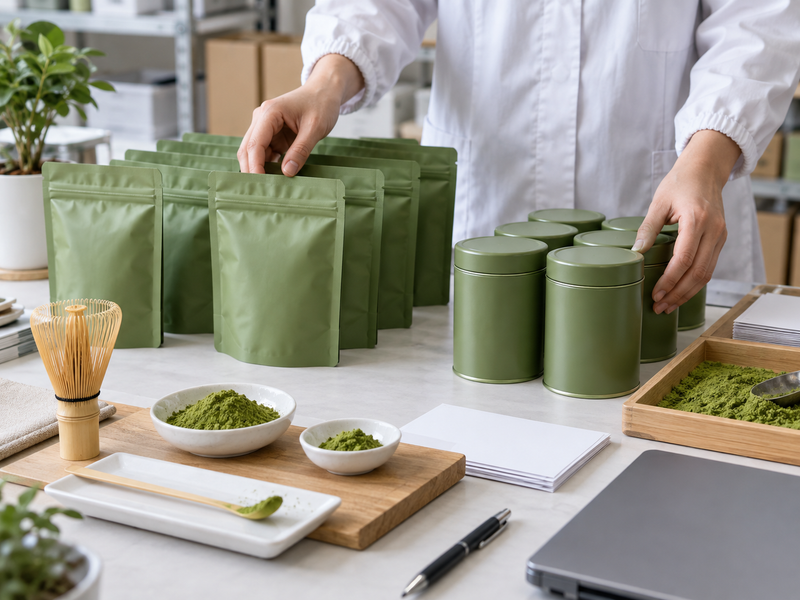
Custom packaging may involve component purchasing, preparation and a filling schedule. The powder quantity you want may be smaller than the component commitment needed for a particular design. Ask which components must be bought, who owns them and whether unused stock stays with the packing partner. Confirm how changes in artwork or pack size affect that stock. A small finished-goods release can still carry a larger obligation for unused components.
Request separate lines for product, filling, components and any setup charge. Check when each amount becomes payable and whether the obligation can be cancelled or changed. The matcha private label guide gives context for branded product formats and responsibilities. A standard pack may suit an early commercial trial if it meets the application and market requirements. It should be assessed on function and buyer needs, rather than assumed to be a temporary compromise. Your matcha wholesale minimum order quantity comparison should include the full component exposure even when the first shipment contains fewer finished units.
| Packaging item | Question to ask | Exposure to record |
|---|---|---|
| Printed component | What quantity is committed? | Unused component stock |
| Filling run | What must be packed together? | Finished product quantity |
| Artwork change | What stock becomes unusable? | Replacement or write-off cost |
5. How can minimums be compared with actual consumption?
Calculate stock cover for each item
Compare the proposed purchase with a consumption estimate supported by your operating records or pilot. Use the unit your business consumes: grams per drink, powder per batch or retail packs per sales period. Keep recipe yield and unsold or rejected output visible. If demand is uncertain, show a range of stock cover rather than one precise depletion date. The estimate should change when the product, channel or preparation changes.
A hypothetical café can calculate how many approved recipe servings a pack supports, then compare that with ordinary service demand. Brands selling retail units need sell-through evidence from their channels. Neither should borrow a consumption rate from another business. Ask whether stock can be delivered in smaller sealed packs when the total purchase remains unchanged. Then review opening frequency, storage and available shelf-life information for the actual product. Checking matcha wholesale minimum order quantity against usable demand can reveal when a nominally attractive offer creates more inventory than the business can responsibly support.

6. What is the difference between a trial order and a repeat order?
Confirm both commercial stages at the start
A trial order may have terms that differ from regular supply. It could use a sample format, a different pack size or pricing intended for evaluation. Ask what happens after the trial is approved. Confirm the commercial product, repeat-order format, minimum and pricing basis. The answer should identify which changes require another approval. This allows the buyer to evaluate the product without assuming that the trial arrangement will continue indefinitely.
Link the trial to a specific decision. A beverage team should approve the intended recipe and product identity. Retail brands should approve the pack and required product information. Keep the matcha reference sample process in mind when recording the approved sample. Ask whether the commercial shipment will follow that identity and how variation or substitution is handled. A favorable tasting does not resolve the next order’s minimum or timing. Request those terms before committing to launch stock so the first paid test leads into a supply arrangement the business can use.
| Stage | Confirm | Approval needed |
|---|---|---|
| Evaluation sample | Product identity and trial method | Application suitability |
| First commercial order | Pack, minimum and price basis | Purchase commitment |
| Repeat order | Continuing terms and change process | Reorder authorization |
7. How can you negotiate a smaller commitment?
Offer a proposal that fits the supplier process
Ask what creates the stated minimum. The answer may involve packing setup, product availability, component purchasing or transaction handling. Then propose a change that addresses that constraint. One product in a standard format, a place in an existing run or a separate setup charge may be worth discussing. These are options to request, not concessions you can assume the seller will grant. Get any accepted change in an updated quotation.
Explain the first order’s purpose and the evidence behind your forecast. A hypothetical start-up could share its pilot plan and expected review date without promising purchases it cannot support. Keep forecasts distinct from binding commitments. If the supplier asks for an annual obligation, evaluate that obligation separately with the person who can authorize it. Negotiating matcha wholesale minimum order quantity should reduce unnecessary exposure while maintaining a usable product and delivery plan. A lower minimum loses value if it introduces an unapproved pack, unclear timing or costs that the buyer has omitted from its model.

8. Can phased deliveries solve a large minimum?
Check ownership and payment as well as shipment size
A phased delivery arrangement can divide shipments while leaving the total purchase commitment intact. Ask when ownership changes, what becomes payable and who stores unreleased stock. Confirm the product identity, pack format and delivery schedule for each release. A small first shipment may improve local handling, but it does not reduce total exposure if you remain obligated to buy the rest. Keep this distinction in both the purchase record and cash calendar.
Review storage responsibilities and available product dates with the supplier. Ask how unreleased stock is identified and what happens if the buyer changes its forecast. Specify the conditions for later release requests, including notice periods and transport arrangements. For a hypothetical brand, staged packs could support a channel launch while avoiding a large delivery at once. Its plan still needs a realistic route for the remaining units. A phased agreement is workable when the team can see both the total obligation and the conditions attached to each shipment, rather than treating dispatch quantity as the complete minimum.
| Phased arrangement | What to confirm | Buyer record |
|---|---|---|
| Total commitment | Quantity and payment obligation | Purchase authorization |
| Stored balance | Identity and storage owner | Unreleased stock register |
| Each release | Notice and delivery conditions | Dispatch schedule |
9. What costs can make a small order expensive?
Compare the complete order rather than the powder alone
Freight, handling, sample preparation or filling setup may be spread over a smaller quantity. Request the charges that apply to your actual proposed order. A small minimum can help a trial while carrying a higher cost per usable unit. Larger orders may spread fixed charges but increase cash and stock exposure. Both effects belong in the comparison. Keep the quote date and shipment scope visible when calculating delivered cost.
Do not infer poor quality from a low minimum or superior value from a high one. The condition describes a seller’s commercial arrangement, while product approval requires its own evidence. Likewise, avoid treating a seller’s claimed typical minimum as a market rule. The Matcha Japan article about wholesale minimums organizes the topic by product, packaging, supplier process and freight. Your decision should use the terms confirmed for your purchase. Ask for both the trial order and the likely repeat-order cost so the team can judge whether the smaller entry route remains workable after evaluation.

10. What should be approved before accepting the minimum?
Record the complete commitment
Prepare a final approval note that names the product, pack, quantities and each minimum condition. Show the amount paid now, remaining obligations and the intended consumption or sales plan. Include the current quote and any written exceptions agreed during negotiation. If components or unreleased product stay with a partner, include their ownership and release conditions. The approval should describe the transaction that will occur, rather than a summary such as minimum accepted.
Assign a review date after the first order. Compare actual consumption with the assumptions used to approve stock. Ask whether pack handling, delivery and repeat terms worked as expected. If the plan changes, renegotiate before a larger commitment becomes due. Matcha Village supplies bulk ingredients and offers custom formats. Request current product-specific minimums and terms. Give the supplier your application, destination and realistic usage estimate. That brief supports a proposal your business can review without guessing what a general wholesale minimum means.
| Approval field | Record | Why it belongs |
|---|---|---|
| Full scope | Product, SKU, pack and units | Defines what is purchased |
| Total exposure | Payments and remaining commitments | Supports cash review |
| Review date | Consumption and repeat-term check | Guides the next order |
Send a proposed order basket with each product, pack and quantity. Ask Matcha Village to state every minimum in its original unit and identify component or run conditions separately. Approve only the commitment your consumption and cash plan can support.
FAQ
Q1: Is there one standard matcha MOQ?
No. Confirm the conditions for the specific product, pack, supplier process and order.
Q2: Can different grades count toward one minimum?
Sometimes. Ask for aggregation rules at product, packaging and transaction levels.
Q3: Does phased delivery reduce the total obligation?
Only if the agreement says so. Smaller shipments can leave the original purchase commitment intact.
Q4: Can custom packaging require a separate commitment?
Yes. Components and filling runs may have conditions distinct from powder quantity.
Q5: What should a smaller trial order establish?
Product suitability plus the commercial format, minimum and terms for the next order.