
Matcha wholesale pricing is the commercial price for a specified product and purchase arrangement. Two quotes can look comparable while covering different packs, delivery responsibilities or usable output. Put those conditions beside the price, then compare the product in its intended application before selecting the offer your business can support.
Table of contents
- What does a matcha wholesale price include?
- How can you make several quotes comparable?
- Why does application performance belong beside price?
- How do pack formats change the economics?
- Which delivery costs should matcha wholesale pricing include?
- How does quantity affect a price comparison?
- Can payment terms change the effective cost?
- What can a very low or high quote tell you?
- How should changing quotes be stored and reviewed?
- What should the final buying recommendation contain?
1. What does a matcha wholesale price include?
Request a complete quoted scope
A quoted price can cover powder alone, a packed product or delivery to a named point. Ask the seller to identify the product, quantity, packaging and shipment scope in the same document. Record the currency, validity date and charges excluded from the stated amount. The quote should tell a buyer what will be supplied and which remaining tasks or payments belong to the buyer. An informal price in a message may need a written scope before it can support approval.
Treat each revision as a new offer. A seller may change quantity, format or freight method while keeping a similar headline price. Preserve the previous version and compare the changed fields. If a charge appears only after the product price is accepted, include it in the complete comparison before authorizing payment. Matcha wholesale pricing is useful when it describes a transaction the team can reproduce. A procurement record that connects price and scope prevents colleagues from applying one quote to a different recipe, order size or destination.
2. How can you make several quotes comparable?
Give each seller the same request
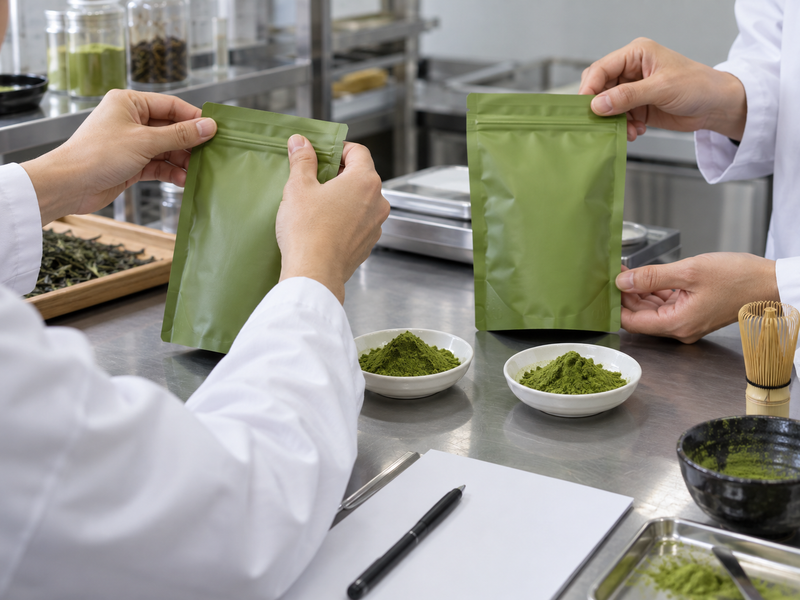
Send a common brief naming the application, destination, quantity, pack format and required information. Ask for alternatives on separate lines. When a seller proposes a different product or format, keep it visible rather than substituting it into the original request. That allows you to compare a common requirement and assess alternatives without losing track of which conditions changed. A lower figure may belong to a different proposal that deserves its own trial.
Build a comparison sheet with one row per offer and a separate column for missing information. Mark unknown amounts explicitly; do not enter zero because no charge was mentioned. Assign a person to request the missing answer. For a hypothetical beverage brand, one seller might quote a packed ingredient while another quotes powder that needs local repacking. The sheet should show that difference before the buyer compares unit prices. A useful matcha wholesale pricing review separates confirmed costs, estimates and unresolved responsibilities so the purchasing team can identify which offers are ready for a decision.
| Comparison field | Same request for all sellers | Difference to preserve |
|---|---|---|
| Product | Application and specification needs | Proposed alternative |
| Format | Net weight and pack type | Repacking required |
| Delivery | Destination and shipment scope | Excluded buyer tasks |
3. Why does application performance belong beside price?
Compare the saleable result
A powder price cannot explain how the product works in your recipe. Compare candidates at a controlled dose and preparation, then test any recipe adjustment needed for the intended result. Record flavor, color and texture in the finished application. If one product requires a changed dose, measure the resulting cost per saleable unit. Keep the change separate from the initial controlled comparison so reviewers can follow why the calculation differs.
A hypothetical bakery might select a candidate that produces acceptable cooled cakes at a lower usable cost, even when its powder price is higher. That outcome needs its own trial evidence. A café might find no suitable adjustment for a cheaper candidate and reject it. Neither result follows automatically from origin or grade name. Use the matcha reference sample guide to record the selected product and its approved use. The product decision then provides a stable basis for matcha wholesale pricing comparisons and later order checks.
4. How do pack formats change the economics?
Count components and handling work
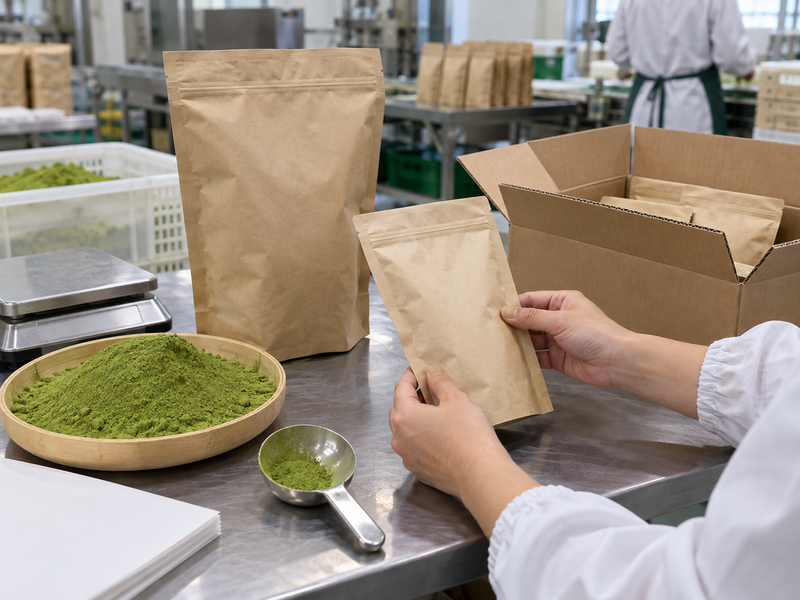
Net product weight helps compare unit prices, while pack format changes how the business handles that product. A large bag, several smaller sealed packs and finished retail tins can carry different component and packing costs. They can also create different opening routines, picking work and unused stock. Ask which costs are included and who performs any repacking. If the format changes, compare the complete process that leads to a saleable item.
Keep custom components visible. Printed materials, filling setup and unused components can create commitments beyond one shipment. A hypothetical brand testing a retail product should compare a standard pack and a custom format using the same expected sales period. Include any component stock the business must pay for but cannot sell immediately. A low powder price with a large packaging commitment may consume more launch cash than another arrangement. Matcha wholesale pricing should therefore show both delivered product cost and the separate obligations associated with the selected format.
| Format issue | Cost question | Operating question |
|---|---|---|
| Smaller sealed packs | What packing cost is added? | Does opening size fit usage? |
| Retail components | What stock is committed? | Who approves artwork? |
| Local repacking | Who pays for labor and materials? | Who controls the finished item? |
5. Which delivery costs should matcha wholesale pricing include?
Name the destination and charge owner
Start with the product price and list the costs needed to reach the point where your business can use it. Depending on the arrangement, these can include transport, insurance, handling, clearance services and destination charges. Ask which party owns each step and which costs remain estimates. Use current written proposals for the route and order you are evaluating. A general online freight figure cannot confirm the cost of a particular shipment.
Keep product cost and transport cost separate even when one seller offers a delivered total. Ask what destination that total covers and whether further charges can arise. Review taxes, duties and regulatory responsibilities with the appropriate professional for the destination; do not copy a tariff percentage from a seller’s blog into the purchase model. The matcha price per kg article offers context for unit comparisons. Your delivered-cost sheet should retain the date, quantity and route used in each calculation so managers can update a changed transport assumption without confusing it with a powder price change.

6. How does quantity affect a price comparison?
Compare the commitment behind each tier
Ask whether pricing changes at defined quantities and whether the tier applies per order, product or period. Keep the quoted thresholds in the seller’s original units. A price tier may also depend on pack format, payment terms or a planned release schedule. Record these conditions beside the amount. Comparing only the lowest quoted tier can hide a commitment that exceeds your demand or cash plan.
Use a hypothetical arithmetic exercise to compare choices without presenting it as a supplier quote. If one planned order has a lower unit cost but requires more stock, calculate both the total cash paid and the cost of the quantity you expect to sell during the review period. Remaining stock still belongs in the decision. Ask whether a forecast is indicative or binding when discussing longer arrangements. A forecast can help planning while creating no guaranteed price or allocation unless the seller confirms it. The matcha wholesale pricing decision should approve a specific quantity condition rather than a theoretical discount that the business cannot qualify for.
| Tier condition | What to verify | Exposure to review |
|---|---|---|
| Per order | Actual qualifying basket | Immediate stock purchase |
| Per product | Quantity for each item | Slow-moving line items |
| Longer commitment | Binding or indicative forecast | Future cash and inventory |
7. Can payment terms change the effective cost?
Review the commercial trade-off
Payment terms affect cash timing and can carry commercial conditions. Ask when deposits and balances are due, which payment methods are accepted and who bears related charges. If the seller offers a price change for different terms, compare that change with the cash your business must commit. Keep the payment arrangement linked to the quoted product and quantity. A revised term should not silently become a promise about another order.
Consider a hypothetical brand deciding between an earlier payment and a later payment option. The comparison should show the quoted total, cash dates and any financing or transaction costs that apply to the buyer. Earlier payment may be affordable, or it may prevent funding another necessary activity. Review the risk of outstanding product or component commitments as well. Matcha wholesale pricing cannot be judged on a percentage discount alone when payment changes the buyer’s exposure. Document the arrangement accepted and have the responsible person verify that the business can meet its obligations on the stated dates.

8. What can a very low or high quote tell you?
Ask questions without diagnosing the product by price
A quote outside the range of offers you received warrants a scope check. Confirm product identity, ingredients, net weight, packaging, dates and shipment responsibilities. Ask whether a promotion, available stock or a different specification explains the figure. Then compare supporting information and application results. Price alone cannot establish origin, age, adulteration or safety. A higher figure likewise cannot prove better product performance. Keep these judgments tied to evidence rather than intuition.
Review how the seller answers specific questions. Missing information should remain marked as unknown until resolved. If the proposed product differs from the brief, request a separate offer and decide whether another sample trial is worthwhile. The CHTMatcha wholesale pricing article discusses benchmarks and purchasing costs, but its quoted ranges and price-based diagnoses should not become rules for your supplier comparison. Your matcha wholesale pricing decision needs confirmed terms for the actual item. Ask for clarification before accepting either an unexplained bargain or an unexplained premium.
| Quote difference | Check | Evidence needed |
|---|---|---|
| Lower product price | Product and pack scope | Confirmed specification |
| Higher total | Included services and delivery | Itemized charges |
| Unclear condition | Missing responsibility or date | Revised written offer |
9. How should changing quotes be stored and reviewed?
Maintain a version for each commercial decision
Keep the quote, its date, validity and the brief it answered together. Save the sample approval and any accepted alternative beside the commercial version. A message confirming a different pack should be attached to the revised offer, rather than left in a personal conversation. Name one owner for the current comparison so the sales team and finance team do not use different figures. The record should identify the offer approved and the order it supports.
When a quote changes, review the affected fields before recalculating. Product identity, quantities, freight scope and payment terms can change along with price. An updated total may reflect several changes at once. Ask for an explanation if the differences are unclear. Keep expired quotes as historical evidence, but do not use them as current buying options. A short version log can state what changed and which person approved it. This makes matcha wholesale pricing decisions traceable when a later invoice, shipment or reorder needs to be reconciled with the original agreement.

10. What should the final buying recommendation contain?
Explain the selected offer and unresolved conditions
Present the selected product, approved application, pack format, order quantity and complete cost scope. Include the dated quotation and the comparison that led to the recommendation. State why the product meets the buyer’s requirement and which terms differ from competing offers. Avoid calling an offer best value without naming the evidence behind that judgment. If the decision depends on a final sample, freight confirmation or document review, make that condition visible before payment approval.
Matcha Village supports application selection and offers bulk supply and custom formats. Send the application, destination, quantity and packing requirements so the team can propose an appropriate product. Treat the returned proposal as a specific offer that needs its own trial and commercial review. Once approved, carry the same identity and conditions into the order. If any condition changes before shipment, return to the named owner for review. A complete recommendation gives purchasing a clear transaction to authorize and operations a product and format to expect at receipt.
| Recommendation item | Record | Review owner |
|---|---|---|
| Approved application | Trial and product identity | Technical team |
| Commercial offer | Quantity, price and scope | Purchasing |
| Remaining condition | Evidence needed before release | Assigned owner |
Prepare one common quotation request and a comparison sheet with unknown costs clearly marked. Ask Matcha Village for a dated proposal matching the product application, pack and destination. Approve the offer after application performance and complete commercial scope are reviewed together.
FAQ
Q1: Does wholesale pricing include delivery?
Only when the quotation states the included route, destination and charges.
Q2: Can prices be compared by grade name alone?
No. Confirm the proposed product and compare it in the intended application.
Q3: Is the lowest unit price always cheaper to use?
No. Dose, yield, packaging, handling and remaining stock can change usable cost.
Q4: Does an unusually low price prove fraud?
No. It prompts scope and evidence checks; price alone cannot establish product identity or safety.
Q5: What should accompany a price approval?
The dated quote, product approval, quantity conditions, delivery scope and payment responsibilities.