
Matcha tonic water is a short drink with several moving parts. Matcha brings tea flavor; tonic brings bubbles, bitterness, and often sweetness; ice changes both as the guest drinks. A café recipe has to control those parts without flattening the fizz or leaving dry green specks in the glass. Begin with a chosen tonic and a measured matcha base, then test the actual cup from first sip to last. Our matcha beverage formulation guide provides a broader ingredient-testing framework for the bar.
Contents
- 1. What should a matcha tonic taste like?
- 2. Which tonic water fits the drink?
- 3. How much matcha should the base contain?
- 4. How do you disperse matcha without losing fizz?
- 5. Which build order keeps the drink lively?
- 6. How much ice belongs in the glass?
- 7. Does the drink need citrus or sweetener?
- 8. How should the bar serve it at peak time?
- 9. What is the real cost per cup?
- 10. How do you keep the recipe consistent?
1. What should a matcha tonic taste like?
Define the balance before choosing garnish
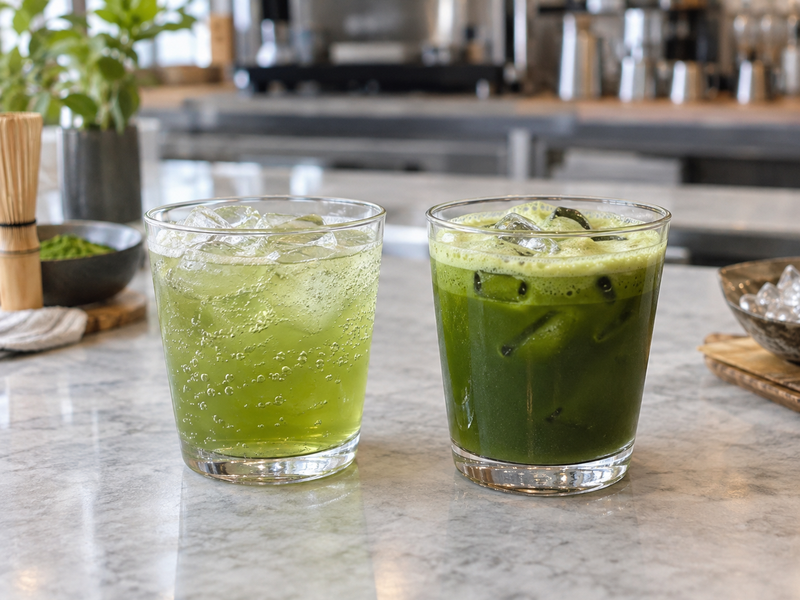
Write a short target: recognizable matcha, pleasant tonic bitterness, lively carbonation, and a clean finish. That is more useful to staff than “refreshing” alone. Make a control cup with matcha and plain sparkling water, then a cup with the tonic under consideration. The comparison reveals how much sweetness and bitterness the tonic adds. If a tonic masks the tea entirely, changing the garnish will not solve the main problem. Taste the drink after a gentle stir as well as while it is layered.
Think about who will order it. A matcha tonic may appeal to guests who like bitter, less milky drinks, but it need not be described as a wellness substitute or a cocktail without alcohol. State what is actually in the glass. Ask testers to describe the first sip and the finish in their own words. If opinions divide sharply, decide whether the menu should signal the bitterness more clearly rather than sweetening the drink until it loses its point.
2. Which tonic water fits the drink?
Treat tonic as a named recipe ingredient
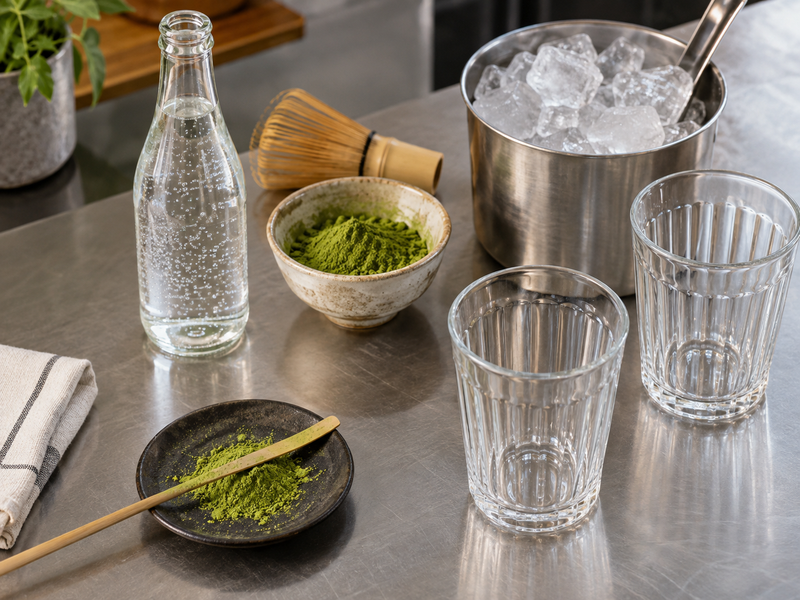
Tonic waters vary in sweetness, bitterness, citrus flavor, and carbonation. Taste two or three products at the same serving volume with the same matcha base. Record the brand and exact version, because a “light” or flavored tonic from the same maker can produce a different drink. Read the ingredient statement before writing menu copy. For example, Fever-Tree describes quinine as the bittering ingredient in one of its tonic products; another tonic may use a different flavor profile or sweetener system.
Choose by finished-cup balance and practical supply. A small bottle or can may preserve bubbles between orders but create more packaging waste; a larger open container can be economical only if turnover is fast enough to maintain the approved carbonation. Test the planned format, not just a freshly opened sample at a tasting table. Keep an approved substitute if supply is uncertain, and taste it in the complete matcha tonic before using it on the menu.
| Tonic test | Hold constant | Record |
|---|---|---|
| Sweetness | Matcha base and tonic volume | Balance after stirring |
| Bitterness | Matcha dose and ice | First sip and finish |
| Carbonation | Serving time and cup | Bubbles at handoff |
3. How much matcha should the base contain?
Weigh tea for the served cup
Set the finished cup size and tonic volume first, then test a few weighed matcha doses. The right concentration depends on the powder and tonic, not a generic “ceremonial” label. A delicate powder may disappear beneath a strongly flavored tonic; adding more can make the drink muddy or sharply bitter. Prepare each trial with the same small amount of water so powder dose is the main variable. Taste immediately and after several minutes of ice melt.
Record the matcha mass per serving. That number drives cost and any caffeine-related customer information. Do not copy a caffeine value from another brand or assume a small-looking drink contains little tea. If a sweetened matcha blend is used, its total portion includes ingredients beyond tea; evaluate it as a separate recipe. The reference matcha tonic recipe offers a home preparation example, but café serving size, tonic choice, and ice should be validated in your own cup.
4. How do you disperse matcha without losing fizz?
Make a smooth base away from the tonic
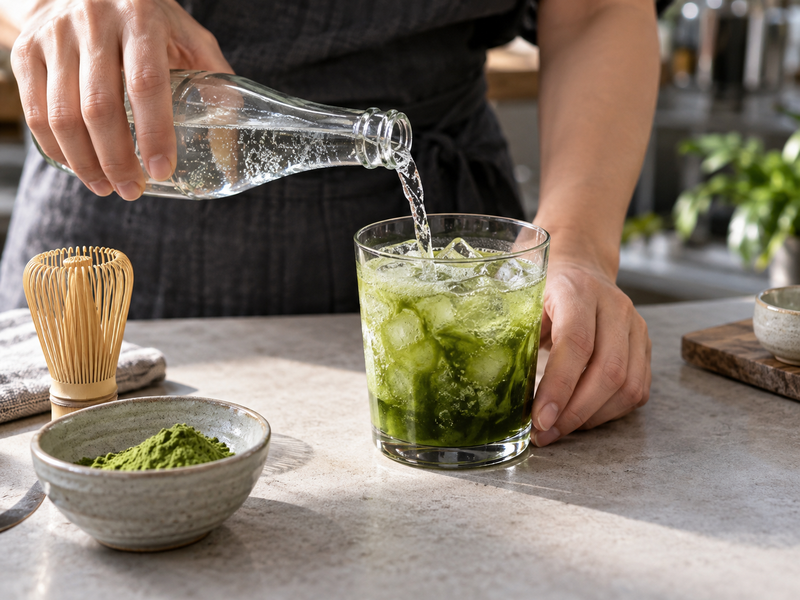
Dry matcha dropped into carbonated tonic can clump and trigger messy foaming. Disperse the weighed powder in a separate small vessel with a measured amount of water. Check for dry pockets before it meets the sparkling ingredient. A hand whisk, small frother, or covered shaker may all work, but compare speed, texture, and cleaning in the actual bar. A very foamy matcha base can also make the final drink overflow when poured into tonic.
Water temperature is a recipe choice. Cold water can preserve a chilled build but may require more careful mixing with some powders. A warm base can disperse easily yet melt ice and reduce the drink’s liveliness if used at a large volume. Test both with your powder and define the one that produces a smooth base quickly. Keep the water portion small enough that tonic remains a meaningful part of the drink, and record it on the recipe card. Never compensate for poor dispersion by stirring the final carbonated cup vigorously.
| Base method | Useful check | Possible failure |
|---|---|---|
| Hand whisk | Smoothness before pouring | Dry edge on vessel |
| Frother | Speed and splash | Excess foam |
| Covered shaker | Seal and cleanup | Slow service reset |
5. Which build order keeps the drink lively?
Test the actual pour sequence
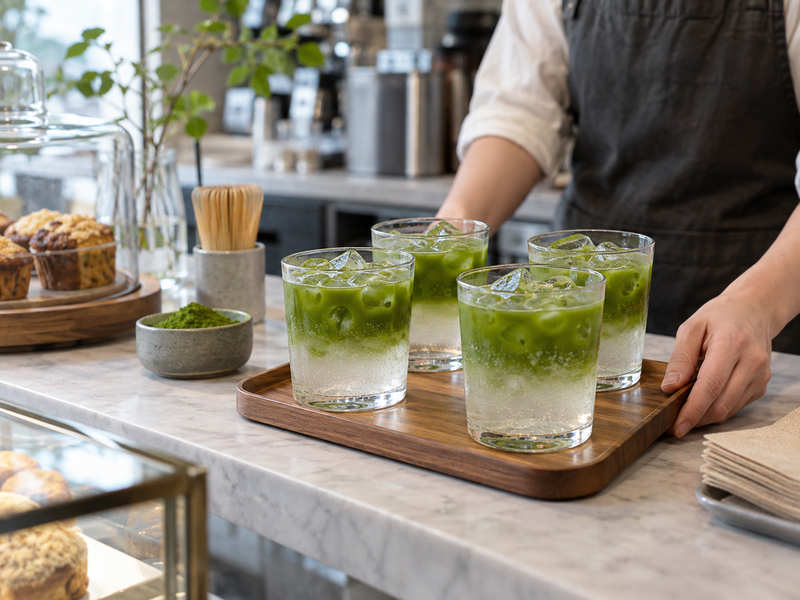
Build trial cups using measured ice, tonic, and matcha base. A common approach is to pour cold tonic over ice, then add the smooth matcha base slowly. That can create an attractive green layer and limit rough agitation, but it is only useful if the guest can stir and enjoy a balanced drink. Compare it with an alternative order using the same ingredients. Judge bubbles, overflow, layering, and flavor after mixing rather than selecting the prettiest photograph alone.
Choose a cup with enough headspace for the base and any foam created on contact. Test the lid or takeaway cover, because closing an overfilled sparkling drink can make a sticky pickup area. Serve soon after opening the tonic. If staff prepare matcha bases ahead, evaluate their quality and handling under the site’s procedure; do not precombine matcha and tonic and expect the same carbonation at handoff. Write the pour sequence in a few steps that are practical during a rush.
6. How much ice belongs in the glass?
Measure dilution as part of the recipe
Ice occupies space and cools the ingredients, but it also melts while the guest drinks. Decide whether the café measures it by mass, scoop, or a marked fill level. Test a drink made with the intended ice and glass, then taste it immediately and after a normal wait. Too little ice may leave the tonic warm and flat quickly; too much can crowd out the liquid and make the sold cup look generous while holding little drink. The chosen ice shape and size should be available consistently.
Use the same tonic temperature and opening method in ice trials. A warm tonic poured over ice can melt it rapidly before the drink reaches the guest. Measure the actual liquid volume and check the finished fill line. If the menu offers more than one size, create a separate specification instead of scaling everything by eye. Record the effect of a takeaway lid or straw on the guest’s first sip; the visual layer can change after transport, so flavor after stirring remains the final standard.
| Ice variable | What to hold fixed | Observation |
|---|---|---|
| Fill amount | Same tonic and matcha | Liquid volume and dilution |
| Cube type | Same recipe | Melt and pour behavior |
| Service delay | Same cup and lid | Fizz at pickup |
7. Does the drink need citrus or sweetener?
Add only what improves the whole cup
Tonic may already contain sweetener and citrus flavor, so taste the base recipe before reaching for syrup or a wedge. A lemon or cucumber garnish can signal freshness visually, but each also brings aroma and handling work. Test the drink with no garnish, a measured citrus expression, and any proposed sweetener as separate trials. Keep matcha, tonic, and ice constant. If a garnish makes one tonic taste better but another worse, it belongs to that exact product recipe rather than the category.
Menu wording should reflect the finished ingredients. “Unsweetened” is inaccurate if the selected tonic contains sugar, even when the café adds no syrup. A guest may prefer a less-sweet version made with another tonic, but that variation needs its own taste and cost check. Wash and handle garnish under the site’s procedure, and specify a standard portion. A huge wedge squeezed by one employee and a decorative peel placed by another produce different drinks from the same recipe card.
8. How should the bar serve it at peak time?
Rehearse the full ticket
Time preparation from ticket to handoff with the equipment and station layout planned for service. Include weighing or portioning matcha, mixing the base, opening tonic, adding ice, pouring, lidding, and cleaning the tool. A drink with only two named ingredients can take longer than a latte if each order requires a new bottle and a separate whisking step. If the bar slows, simplify the tool or pre-portion dry matcha under an approved procedure before changing the drink balance.
Keep chilled tonic and ice within reach, but protect open matcha from steam and splashes. Define who replenishes bottles and how opened containers are handled. If the team uses individual cans, provide a practical place for empties so the counter does not fill during a rush. Test three consecutive orders and compare their fill, color, and carbonation at pickup. A method that produces one beautiful cup but inconsistent follow-ups is not ready for a permanent menu slot.
| Service step | Time or waste to record | Improvement question |
|---|---|---|
| Matcha base | Mixing and cleanup | Can the tool be simplified? |
| Tonic opening | Leftover volume | Is package size appropriate? |
| Handoff | Foam and spill | Is cup headspace sufficient? |
9. What is the real cost per cup?
Include the opened tonic, not only the poured tonic
Calculate matcha grams times the purchase cost per gram. Add the tonic actually consumed per order, any unused tonic that loses acceptable fizz before another sale, garnish, cup, lid, and routine remake allowance. A large bottle can have a low cost per milliliter but a high waste cost in a slow sales period. Compare package formats using real order patterns. Cost hot or iced variants separately if any are sold, though this drink is normally developed as a chilled service.
Record the saleable liquid volume and cup size alongside cost. A dramatic glass with a small actual pour may disappoint guests, while an oversized cup can push the recipe toward more tonic and weaker tea. Track waste in the first weeks: half-used bottles, overflow, and remakes due to clumps are all useful signals. If the drink becomes a seasonal special, compare its contribution with the station time it consumes. Price should be based on the cup and workflow being sold, not a perfect pilot with no loss.
10. How do you keep the recipe consistent?
Put a sensory check next to the measurements
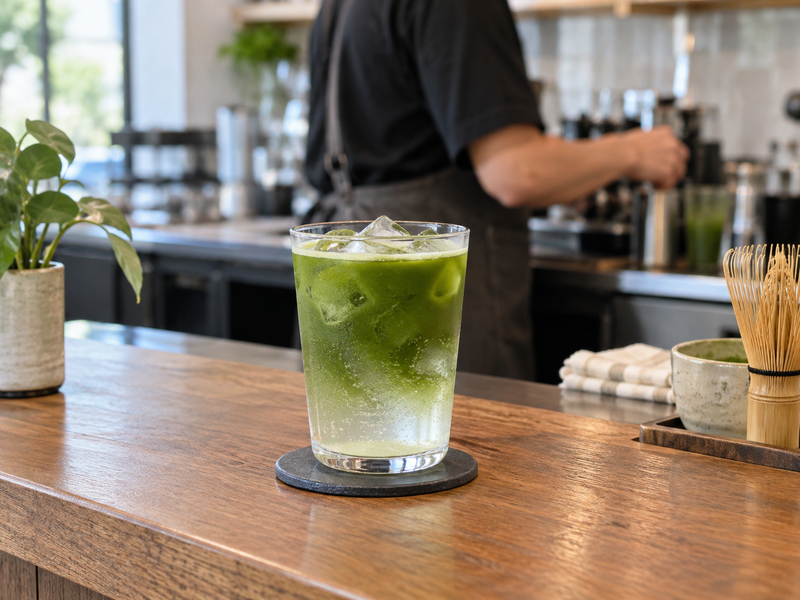
The station card should name the exact matcha and tonic products, matcha mass, base water amount, tonic volume, ice specification, pour order, garnish, cup, and target fill. Add a visual of the passing cup and a short description of its flavor. Train staff to inspect the base before adding tonic. If it has dry specks, remake or remix it at that stage instead of trying to rescue the sparkling finished cup.
When a tonic supplier changes, do a side-by-side tasting before treating the replacement as equivalent. Different sweetness and bitterness can change the matcha dose the team prefers. Review guest comments with the recipe and lot records, especially reports that the drink is too bitter or flat. Those words point to different possible causes. Make one change per trial and record the approved version date. The menu should promise the drink the bar can actually deliver on a busy day.
| Control point | Passing check | Review trigger |
|---|---|---|
| Matcha base | No dry pockets | New powder or tool |
| Tonic | Lively at handoff | New product or package |
| Finished cup | Balanced after stir | New size, ice or garnish |
FAQ
Q1. Is matcha tonic the same as matcha with sparkling water? No. Tonic contributes its own bitter and often sweet flavor. Compare the actual tonic label and taste before describing the drink.
Q2. Can matcha be whisked directly into tonic? A separate smooth base usually gives more control and avoids clumps or excess foaming. Test the complete build with your equipment.
Q3. Which matcha grade is best? Choose by tasting the finished drink at a measured dose and considering cost and supply. A grade label alone cannot predict its balance with your tonic.
Q4. Why did the drink go flat? Check how long the tonic was open, its temperature, the pour sequence, and the delay before handoff.
Q5. Can the café call it unsweetened? Only if every ingredient supports that description. Many tonics contain sweetener, so “no added syrup” may be more accurate for a specific recipe.
Keep the bubbles and the tea in balance
An effective matcha tonic is simple to describe and controlled in the cup: measured tea, a named tonic, defined ice, and a gentle build. Test its flavor after stirring and after a short wait, then cost and train the exact version the café will serve.