
A tasting kit should help someone notice real differences among teas. Too often, uneven powder portions, inconsistent water or unclear labels make a comparison meaningless. That matters when a café chooses a menu tea, an importer evaluates samples or a retailer plans a discovery box. This matcha tea tasting kit guide lays out ten checks for a fair side-by-side session and a set that survives packing and repeat orders. The Bonsai Matcha tasting-set guide illustrates one curated assortment; the method below can be applied to any samples a buyer has permission and documentation to evaluate.
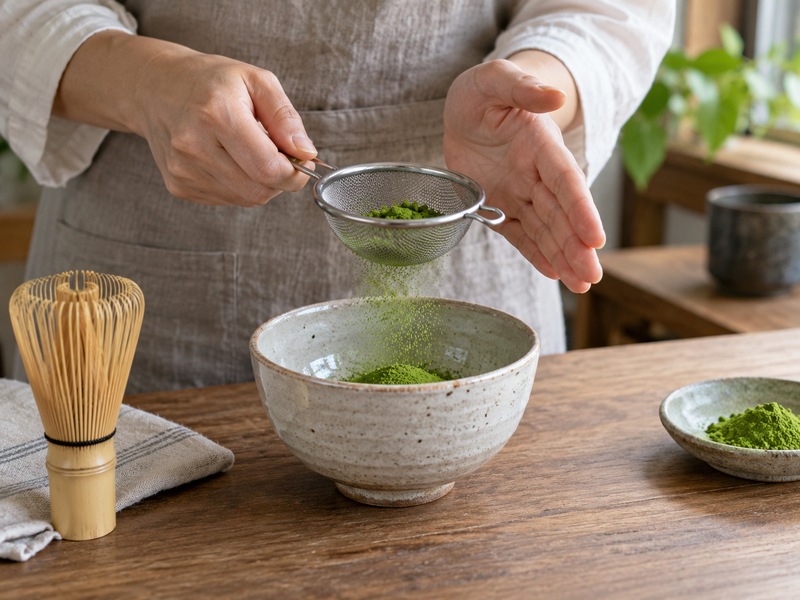
Contents The matcha sifter guide explains one simple preparation check that keeps powder lumps from distorting a tasting.
- 1. What decision is the tasting meant to support?
- 2. Which samples should be compared together?
- 3. How many teas can a taster assess usefully?
- 4. Should every sample use the same tools?
- 5. How should powder and water be measured?
- 6. What tasting order reduces bias?
- 7. Which notes are worth recording?
- 8. How can sample freshness be protected?
- 9. What changes for cafés and wholesale buyers?
- 10. How should the finished kit be approved?
1. What decision is the tasting meant to support?
Start with a written question
A general “taste several matchas” session can be enjoyable, but it leaves a business buyer without a purchasing answer. Name the decision first: choose a plain whisked tea for retail, compare powders in milk, select a menu option within a cost range or teach customers to recognize flavor differences. Each goal changes the recipe and the score sheet. If the final drink contains milk and sweetener, a plain-water evaluation alone does not show how the tea will perform in service. If the kit is an educational gift, easy instructions and distinct samples matter more than a complex procurement worksheet.
Set the intended drink, audience and evaluation conditions before preparing samples. Ask participants to avoid tasting after strongly flavored food if possible, and provide water between cups. Do not present flavor notes as objective guarantees. Different people notice different qualities, and the same powder can taste different when preparation changes. The kit should support careful observation, not a predetermined winner. A clear question makes the comparison useful. Write it at the top of the tasting card so everyone judges the same application.
2. Which samples should be compared together?
Keep the selection relevant to one use
Choose samples that a buyer could realistically use for the same drink or product. A café comparing latte ingredients may include several powders or blends that meet its label and cost requirements. A retail tasting set may contrast flavor profiles from a defined supplier range. Mixing an unsweetened plain-tea candidate with a sweetened latte mix without explanation can mislead tasters. State what each sample is, what it contains and which preparation it was selected for. Use codes during tasting if brand or grade names might bias the result.
For a commercial evaluation, obtain current specifications and the documents needed for the destination market along with the physical tea. Ask how samples relate to available production lots and future supply. A delicious one-off sample has limited value if it cannot be reordered at the required volume or packed format. Matcha Village can discuss different grades, blends and applications, but the kit should make the buyer’s actual comparison transparent. Avoid unsupported claims about origin, growing method or certification on a tasting card; verify them for each included tea.
| Selection question | Retail discovery kit | Commercial evaluation kit |
|---|---|---|
| Same end use? | Explain differences | Hold application constant |
| Ingredients clear? | Readable pack label | Full specification |
| Reorder possible? | Customer refill path | Volume and lead time |
| Claims supported? | Package proof | Lot and market documents |
3. How many teas can a taster assess usefully?
Keep the session small enough for attention
More sachets do not necessarily make a better kit. A small set of distinct samples gives tasters time to prepare each one carefully, notice texture and flavor and write useful comments before fatigue sets in. For an initial supplier screen, a buyer might compare a short list in one session and bring stronger candidates into a second session. The exact number depends on cup size, audience and available time; test the planned session with real participants. If people begin rushing the last cups, reduce the number or split the tasting across days.
Design the physical pack around that session length. Provide enough tea per sample for the specified preparation and perhaps one repeat, then state clearly how many cups the kit supports. A tiny sachet that cannot be measured consistently may save material while weakening the comparison. Conversely, a large pack can invite uncontrolled re-use that no longer matches the tasting notes. Record the sample code and portion plan on the inner card, and keep the pack layout aligned with the tasting order.
4. Should every sample use the same tools?
Control the vessel and mixing method
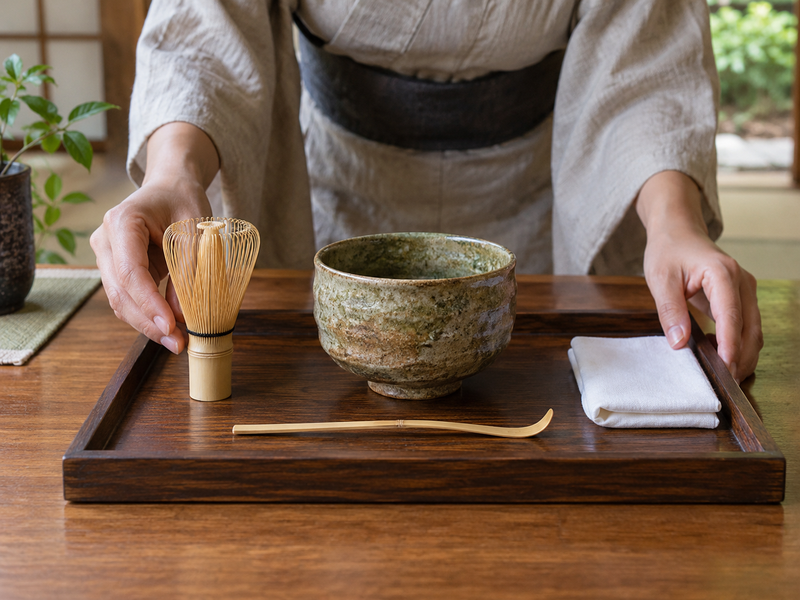
For a fair comparison, use the same bowl shape, whisk type and preparation method for each tea unless the test specifically studies tool differences. A bowl with a narrow interior may change how easily one person mixes a sample. A damaged whisk can produce a different texture from a sound one. Clean and dry tools between samples according to the supplier’s directions, or provide enough matching tools to avoid carryover. If samples will be served in separate cups, use cups of the same material and size so presentation does not dominate perception.
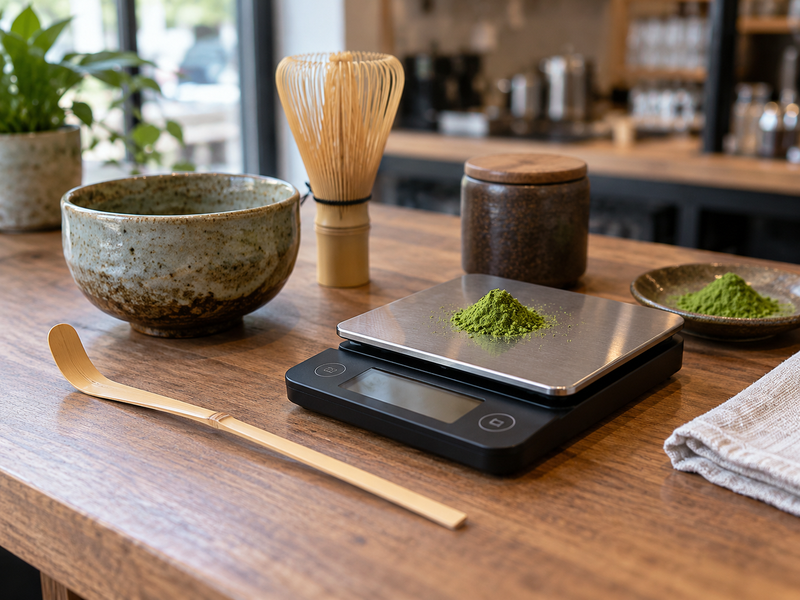
Test the kit’s physical tools before the tasting day. The supplied whisk should move comfortably in the bowl, the scoop should reach into each sample pouch and any sifter should be easy to clean between teas. A scale is useful for setting consistent portions, even when the customer-facing kit uses a scoop for convenience. A retail kit should explain whether a scale, kettle or additional cups are needed. Hidden equipment requirements frustrate the user and make tasting results less comparable.
5. How should powder and water be measured?
Fix the recipe before judging flavor
Use a written recipe with measured tea and water for every sample in a comparison. A digital scale makes powder portions easier to repeat; a scoop can transfer tea but its filled weight varies with powder and technique. Measure water consistently and note the temperature method used. Temperature and concentration can change taste and mouthfeel, so changing them between samples confuses the result. When the end use is a latte, prepare each sample as the same concentrate before adding the same measured milk or other ingredients.
Run a practice session with the exact pouches and tools. Does the pouch opening allow clean portioning? Can the whisk mix the chosen quantity without splashing? Does the tasting card leave enough space for recipe notes? Once the method works, print it plainly and train any staff who will lead commercial tastings. A recipe is a control for comparison, not a claim that one preparation suits every matcha. Later exploration can vary water or milk deliberately after an initial fair screen.
| Variable | Keep consistent | Record if changed |
|---|---|---|
| Powder | Weighed portion | Sample amount |
| Water | Volume and method | Temperature reading |
| Mixing | Vessel and whisk | Operator and time |
| Milk | Type and amount | Brand or formulation |
| Serving | Cup and timing | Delay before tasting |
6. What tasting order reduces bias?
Use codes and a repeatable sequence
Brand names, grade labels and price can shape expectations before the first sip. For a buyer screening suppliers, put a neutral code on each sample and keep the identity key with the organizer. Serve a practical order and record it; if several tasters participate, rotating the order can help reveal whether the first or last cup gets a consistent advantage. Do not make the method so complicated that staff cannot follow it. Clean tools and offer water between samples so residue from one cup does not carry into the next.
Give participants time to write their own impressions before group discussion. A confident first speaker can unintentionally steer everyone else. If the kit is for consumers rather than procurement, a blind tasting can still be enjoyable, but provide the identity card after notes are made. Explain that the goal is noticing differences and preferences, not finding a universal winner. The best tea for an unsweetened bowl may not be the best tea for a sweetened iced drink; the order and recipe should reflect the question set at the start.
7. Which notes are worth recording?
Describe observations in plain language
A useful sheet covers appearance of the dry powder, aroma, ease of mixing, prepared color, texture, flavor and fit for the intended drink. Ask tasters to describe what they notice rather than selecting only “good” or “bad.” A café may add how the tea reads through milk and whether staff can prepare it consistently. A distributor may note packaging, specification completeness and price alongside sensory feedback. Keep sensory notes separate from documentation issues so a tasty sample does not obscure a missing label or supply concern.
Use a scale only if everyone understands its anchors. A short comment field often explains more than an unqualified number. For repeat sessions, record date, sample code, tea lot when known, recipe, water method and taster initials. Those details let the team revisit a surprising result instead of arguing from memory. If one sample is prepared incorrectly, mark that cup and remake it rather than ranking it anyway. Tasting data become useful when another person can understand how the cup was made.
| Note field | Example prompt | Buyer use |
|---|---|---|
| Aroma | What stands out before mixing? | Profile comparison |
| Texture | Smooth, thin or gritty? | Recipe suitability |
| Flavor | What remains after a sip? | Menu or retail fit |
| Mixability | Any persistent clumps? | Service training |
| Application | Plain or milk drink fit? | Product selection |
8. How can sample freshness be protected?
Treat each pouch as a food product
Tea samples need sound seals, lot identification and storage instructions. Inspect a commercial kit at arrival and at the intended tasting date. A tasting that compares one freshly opened pouch with another that has been stored open for weeks does not isolate tea differences. Provide a realistic amount for each session, and tell users how to close or store a remainder if the pack is designed for repeat use. Keep sample codes connected with the right lot records, especially if suppliers send replacement stock during the evaluation.
For a retail discovery set, check how long tea may remain in distribution before sale. Accessories and printed cards can be stocked separately from powder when the supply plan allows it. For a wholesale screening kit, request samples that correspond as closely as practical to obtainable production material and note any difference. Do not promise a fixed sensory result across all future lots without supporting controls. A buyer can instead define acceptable characteristics, request representative samples and compare them using the same method at reorder.
9. What changes for cafés and wholesale buyers?
Add service, documentation and supply checks
A café should taste candidates in its actual menu format, then have several staff members prepare the same recipe during realistic service. Record preparation time, consistency, waste and customer-facing description. A powder that shines in a small plain bowl may need a different dose to work with milk. Wholesale buyers also need specification, lot traceability, packaging, minimum order, lead time and destination documentation. The tasting kit starts a decision; it does not replace the commercial and quality review that makes a repeat order possible.
An importer or private-label brand can use the kit as a controlled first screen before requesting larger application samples. Share concise feedback with suppliers: the code, recipe, observations and target application. Avoid asking for a generic “better” tea. Ask for the specific change that matters, such as a different flavor balance in milk or a pack format suited to stores. Keep tasting notes with the corresponding quote and technical documents so a future buyer does not confuse a winning sample with a similarly named catalog item.
| Buyer type | Additional test | Decision record |
|---|---|---|
| Café | Service-format trial | Staff recipe notes |
| Retailer | Beginner kit trial | Instruction feedback |
| Importer | Document review | Lot and market files |
| Private label | Packed sample trial | Artwork and supply terms |
10. How should the finished kit be approved?
Test a complete packed unit
Approve the finished kit with its actual tea pouches, bowl or cups, tools, score sheet, identity key, instructions and protective packaging. Ask an uninvolved participant to unpack it and run the tasting without coaching. Check whether sample codes match notes, the recipe can be measured and the number of portions is accurate. Ship packed units through the planned route, then inspect seals, ceramics and printed materials. For a commercial kit, verify that the tea description and claims match the documents for each sample.
Retain an approved packed unit and its component list. At reorder, compare the new pouches, lots, printed cards and tool dimensions with that reference. If a tea changes, repeat the tasting under the recorded method. If the box changes, repeat the route test. This control keeps a useful evaluation system from becoming a collection of unrelated samples. The resulting notes can guide a menu, retail assortment or supplier discussion with much less guesswork.
| Final check | Evidence |
|---|---|
| Sample codes | Pack matches sheet |
| Recipe | Uncoached user succeeds |
| Tea packs | Seals and lot records |
| Transit | Arrived unit stays sound |
FAQ
Q1. Does a tasting kit need several bowls? One cleaned bowl can work, but matching bowls simplify faster sessions and reduce carryover.
Q2. Should samples be served blind? Neutral codes can reduce brand and price bias in a commercial comparison.
Q3. Can a scoop replace a scale? A scoop transfers powder; a scale helps keep comparative portions consistent.
Q4. Should a latte buyer taste plain tea? A plain test can add information, but the final choice should include the actual milk-drink format.
Q5. What belongs on the note card? Sample code, recipe, date, sensory comments and intended application are a sound start.
A strong tasting kit keeps the preparation fair and the business decision clear. Define the question, control the cup, record what tasters notice and verify that the chosen tea can be supplied in the required format. Then use the results to request targeted samples or quotes from qualified partners.