
Matcha dry blending uniformity concerns distribution within a powdered recipe and its discharged portions. Buyers need representative samples and suitable measurements before approving a pilot. Define the formulation, locations and assay before sampling. ISO 14502-2 provides a tea catechin method reference; a laboratory must separately assess any proposed measurement in your complete blend.
Table of contents
- What should matcha dry blending uniformity establish?
- Which recipe and powder attributes should you record?
- How should ingredient charging be controlled?
- Which sampling locations should the plan cover?
- How should you collect discharge fractions?
- What analytical measurement can represent matcha distribution?
- How should matcha dry blending uniformity results be reviewed?
- Which handling steps need further sampling?
- What should supplier powder trials compare?
- What belongs in the approved pilot record?
1. What should matcha dry blending uniformity establish?
Define the portion that needs consistency
Identify the finished product, recipe and intended serving or pack size. Decide whether the concern is matcha distribution in the blender, across discharge or within filled portions. These stages require different evidence. A visually green surface in an open vessel cannot establish the composition of material collected later from the final filling equipment.
Write the matcha dry blending uniformity question before choosing samples. Define the product portion being assessed. Assign development, operations, laboratory and quality owners. Ask which result would justify a process change or another supplier powder. Avoid ordering a vague blend test when nobody has defined the material and decision it should represent.
Keep analytical uniformity separate from flavor and other quality requirements. A measured marker may be useful for distribution while the finished blend still needs a sensory or preparation check. Record both targets in the pilot brief. Quality staff should decide safety and product release requirements independently; appearance consistency does not establish contaminant compliance or the complete blend’s safety status.
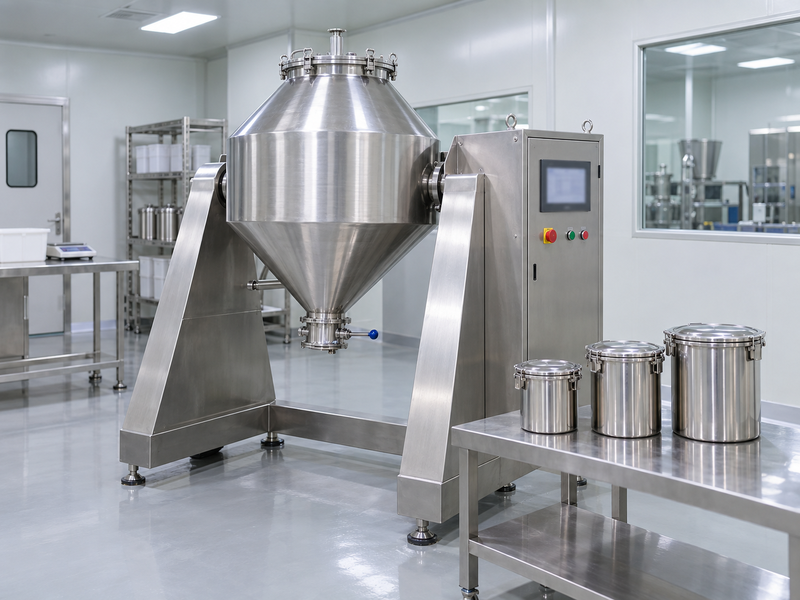
| Uniformity question | Material to sample | Decision |
|---|---|---|
| Blender distribution | Defined accessible locations | Mixing procedure |
| Discharge consistency | Identified fractions | Discharge arrangement |
| Pack consistency | Finished portions | Filling confirmation |
2. Which recipe and powder attributes should you record?
Preserve ingredient identities and physical descriptions
Record the complete recipe by mass, ingredient codes and selected matcha lot. Keep sweeteners, milk powders or other carriers traceable. Obtain relevant supplier descriptions and suitable measured powder properties where the development question requires them. Identify any particle size report’s preparation and units rather than treating a mesh number as a complete distribution.
For matcha dry blending uniformity, keep recipe scale and fill arrangement visible. Record the actual ingredient masses. A change in the matcha fraction or another carrier creates another trial condition. Preserve weigh records and reconciled charge mass so later analytical results can be compared with the formula that operators actually introduced.
Use the site’s particle size comparison guide as a related specification check. Ask technical staff which properties are relevant to this blend instead of demanding a long unused panel. Keep supplier powder identity stable during a process comparison. A new product code, moisture condition or bag format should be recorded as a change that may need confirmation.
3. How should ingredient charging be controlled?
Write the order and transfer method
Define ingredient weighing, charging sequence and transfer tools. Record any premix stage with its own masses and preparation procedure. Ask operators to follow the same method during repeat runs. A trial where staff add ingredients in another order halfway through the comparison cannot isolate the effect of a candidate powder or mixing duration.
Matcha dry blending uniformity records should include material left in bags, containers and charging equipment. Reconcile the charge before interpreting the assay. If the actual matcha mass differs from the intended recipe, investigate weighing and transfer before extending the mixing time. Preserve the observations so procurement can distinguish handling behavior from an analytical or supplier issue.
Use equipment only under the site’s approved operating and safety procedures. Staff must never reach into moving equipment to improve charging or collect samples. Agree access, isolation and collection with responsible operations staff. Record actual blender settings and charge size; avoid assuming that another vessel or fill level will reproduce a pilot simply because its mixing duration has the same number.
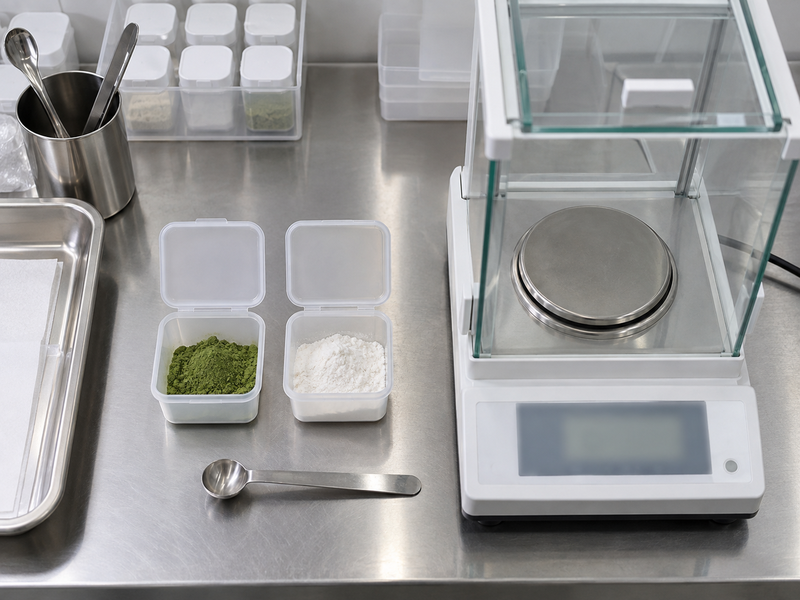
| Charging item | Record | Trial comparison |
|---|---|---|
| Ingredient mass | Actual weighed amount | Recipe basis |
| Charging order | Complete sequence | Repeatable preparation |
| Transfer residue | Observed and recovered mass | Charge reconciliation |
4. Which sampling locations should the plan cover?
Draw a location map before the run
Ask the technical and operations teams which locations can be sampled safely and represent the question. Prepare a map with distinct codes and collection instructions. Include relevant depth or position where the equipment and approved access permit it. State what cannot be sampled and how that limitation affects interpretation of the blender result.
For matcha dry blending uniformity, collect individual samples when location differences are under investigation. Preserve each location’s identity. A composite can answer another question but may hide the variation you intended to study. Agree sample mass and collection tool with the laboratory and technical team before the trial. Keep the method consistent across locations and runs.
Stop and isolate equipment according to the site’s procedure before any permitted internal collection. Avoid improvised sampling through unsuitable access. Record collection timing and any disturbance caused by the procedure. If sampling changes the remaining blend, let the trial team assess whether later discharge observations still represent normal production. Preserve that qualification in the report rather than describing the entire study as representative without review.
5. How should you collect discharge fractions?
Follow material through the outlet
Define the discharge sequence and planned fraction identities. Choose collection points based on the process question with technical staff. Record the mass or elapsed discharge basis used to identify each portion. Keep the start, intermediate and end material traceable where relevant. A sample from one convenient container cannot establish consistency throughout the complete discharge.
Matcha dry blending uniformity should be examined beyond a favorable vessel sample when the final product leaves through another route. Sample the discharge you intend to use. Record outlet arrangement, transfer container, vibration or movement and any pause. Keep collection instructions repeatable and approved for the actual equipment rather than adapting them informally during the run.
Retain individual fractions for the agreed assay and finished preparation check. Avoid combining them before the laboratory has received the intended sample identities. If one portion differs, compare its collection and handling history before assigning a cause. Keep mass balance and residual material records so a late fraction result can be interpreted alongside the material still remaining in the equipment.
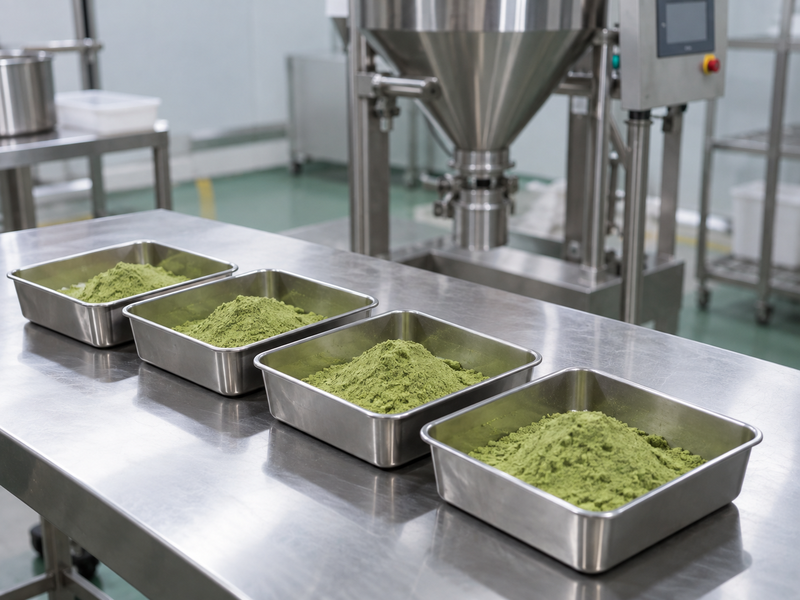
| Discharge record | Define before collection | Evidence retained |
|---|---|---|
| Fraction code | Position in sequence | Individual sample |
| Collection basis | Mass or defined timing | Discharge record |
| Transfer conditions | Outlet and handling | Deviation notes |
6. What analytical measurement can represent matcha distribution?
Ask the laboratory to assess the complete blend
Select a suitable measurement with the laboratory and technical owner. A proposed catechin, caffeine or another marker needs assessment against every ingredient in the recipe. If another tea, coffee or source contributes the same analyte, its result cannot automatically represent matcha alone. Record what the measurement can establish and where its interpretation remains limited.
For matcha dry blending uniformity, require suitable sample preparation and quantification in the blend matrix. Confirm that the marker answers your question. Ask the laboratory about recovery, reporting limits and relevant measurement variation. A procedure suitable for concentrated tea powder may need assessment when the analyte is diluted among other ingredients or affected by preparation.
Keep calibrated quantitative measurement separate from visual greenness. Photographs can record appearance differences under fixed conditions, but they should not become a concentration assay through an unverified color scale. Agree the expected recipe concentration and calculation basis with technical staff. Preserve the original results and method qualifications so quality reviewers can compare samples without assuming every numerical difference represents a real distribution difference.
7. How should matcha dry blending uniformity results be reviewed?
Compare individual samples and the recipe target
Review each location and discharge fraction before looking only at an average. Keep concentration, units, sample mass and method qualifications visible. Ask technical staff whether the results meet the agreed pilot decision rule. An average near the recipe target can coexist with individual differences that matter to the intended finished portion.
Matcha dry blending uniformity acceptance should account for sampling and analytical variation under the approved method. Set the decision rule before results arrive. Do not copy a universal coefficient of variation threshold from another product or industry. The appropriate assessment depends on your application, sampling design, measurement and customer requirement, which responsible staff should define and review.
Use clearly labeled hypothetical numbers only when explaining calculations. For example, an average of invented readings illustrates arithmetic and establishes no performance target. Keep real pilot data in the controlled report. If one location differs, investigate its preparation, collection and assay identity before changing blend duration or rejecting a supplier. Additional testing should answer a documented investigation question.
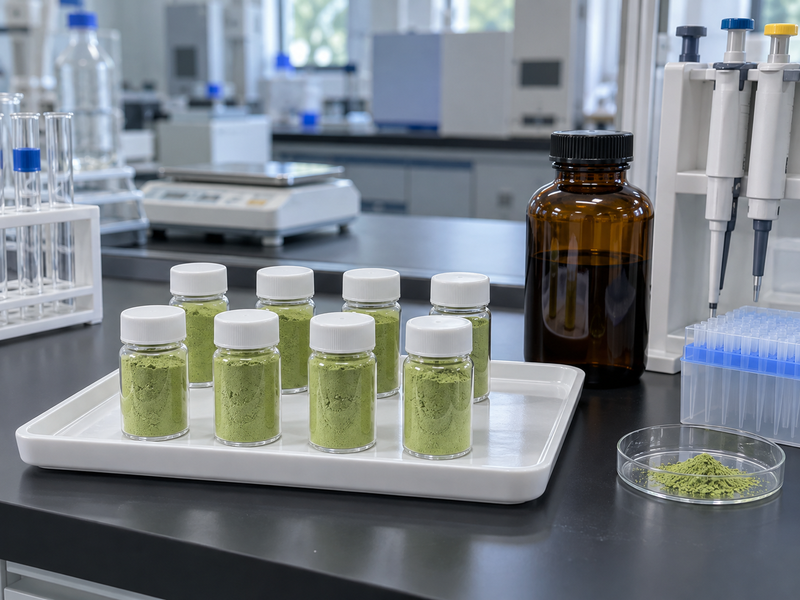
| Review step | Question | Responsible reviewer |
|---|---|---|
| Individual results | Which portions differ? | Technical owner |
| Recipe comparison | Is the basis compatible? | Development |
| Decision rule | Is evidence sufficient? | Quality |
8. Which handling steps need further sampling?
Confirm distribution through the final route
Map every operation after blending, including transfer, holding, transport within the plant and filling. Identify steps relevant to the observed consistency question. Ask technical staff where additional samples will provide useful evidence. A blend that meets the pilot’s vessel criterion may still require confirmation after it moves through the intended commercial route.
For matcha dry blending uniformity, sample finished portions when that is the requirement customers receive. Check the product after final handling. Record hopper level, filling sequence and relevant pauses with operations staff. Keep collection safe and representative under approved procedures. Preserve opening, intermediate and final portion identities where the planned investigation calls for them.
Evaluate prepared servings using the specified mixing instruction when texture, flavor or appearance matters. Keep analytical distribution and finished preparation performance in separate fields. If handling creates a concern, investigate that step before adding more mixing time upstream. Use the complete record to distinguish blender performance, transfer arrangement and filling behavior, then confirm the chosen operating change on the intended route.
9. What should supplier powder trials compare?
Keep process and formula fixed
Request traceable samples from candidate commercial product codes. Compare them using the same recipe, ingredient masses, blender arrangement and sampling plan. Record powder handling condition and opening history. Keep candidate identity separate from sample codes during evaluation where practical. Ask for another independent lot after a promising ingredient reaches confirmation.
Matcha dry blending uniformity supplier selection should rely on the complete trial evidence. Compare distribution and finished preparation separately. A powder can meet an analytical distribution target yet give unacceptable texture or flavor in the prepared product. Retain both decisions and calculate ingredient cost using the accepted dose and actual usable output from your process.
Ask the supplier to review issues with the location map, assay basis and handling record. Ask Matcha Village about samples, blends and application recommendation support. Confirm the specific candidate, packaging format and service terms in writing. Avoid converting a favorable pilot into a guarantee for another blender, recipe scale or finished product without the technical confirmation that change requires.
| Supplier comparison | Fixed trial basis | Additional acceptance |
|---|---|---|
| Candidate powder | Same recipe and equipment | Distribution evidence |
| Independent lot | Approved sampling plan | Repeatability |
| Prepared serving | Same use instruction | Flavor and texture |
10. What belongs in the approved pilot record?
Connect ingredient identity with the operating procedure
Include recipe, ingredient codes, actual charge masses, charging order, blender settings and complete sampling map. Add discharge and final handling records, assay reference and decision rule. Name the approval owners. Keep sample identities and original reports together so another reviewer can trace each result to its location and production stage.
Use the matcha dry blending uniformity report to write a current operating instruction. Define changes that require confirmation. Another matcha fraction, carrier powder, bag format, charge size, blender or transfer arrangement may need review. Ask quality and technical staff which check is required for each change rather than extending the pilot automatically to every future recipe.
Agree supplier notification for the selected ingredient and receiving documentation. Keep later deviations linked with lot identity and handling records. If a customer reports inconsistent portions, preserve the relevant pack and production evidence where available. A focused investigation can then compare the approved procedure with actual operation before the team revises mixing, supplier limits or the finished use instruction.
FAQ
Q1: Can green appearance prove uniform matcha concentration?
A controlled photograph records appearance. Quantitative distribution needs a suitable measurement assessed for the complete blend.
Q2: Should location samples be combined immediately?
Keep them separate when investigating differences. A composite answers another question and can conceal location variation.
Q3: Is caffeine always a suitable matcha marker?
Ask the laboratory to assess all ingredients and the method. Another source of caffeine can limit that interpretation.
Q4: Can one universal variability limit approve every blend?
Use a decision rule defined by responsible staff for your application, sampling plan, method and customer requirement.
Q5: Should the final filled portion be checked?
Yes, when finished portion consistency is the requirement. Confirm relevant handling and filling stages under the approved plan.
Prepare a location map and discharge plan before ordering pilot samples. Ask the laboratory to confirm a suitable blend measurement, then retain individual results and actual charge records. Approve the operating instruction only after the technical team reviews distribution through final handling and defines the changes that require another confirmation.