
A matcha powder manufacturing plant should be judged by material flow, controlled processing and records for the lot you plan to buy. A machine photograph or capacity claim cannot show whether your powder was milled, packed and released correctly. Build an audit around a sample lot and walk its route through the facility. Record the actual operator, machine settings and cleaning state for the sample run; those details help explain deviations in later lots. This industrial equipment overview describes machinery; your audit should test how a particular site uses its own equipment. The matcha HACCP guide offers a related framework for site controls.
Contents
- 1. Which activities happen at the plant?
- 2. How does incoming material enter the system?
- 3. Does the layout separate incompatible flows?
- 4. How is tencha accepted before milling?
- 5. What should the milling area demonstrate?
- 6. How are dust and foreign material controlled?
- 7. What evidence supports cleaning and changeover?
- 8. How should packing and coding be checked?
- 9. Which laboratory and release records matter?
- 10. How should audit findings affect approval?
1. Which activities happen at the plant?
Define audit scope by operation
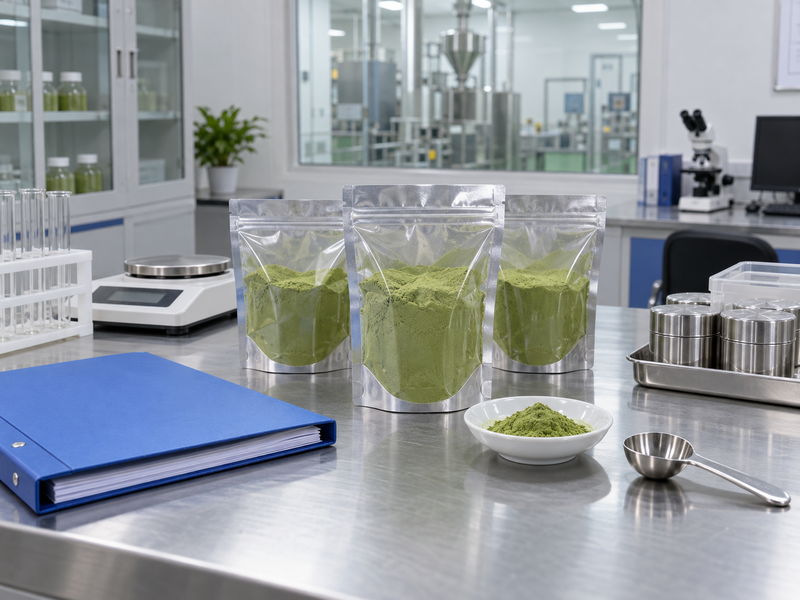
Some sites receive fresh leaves; others buy finished tencha and only mill or pack it. Start by asking which steps the plant performs and which belong to suppliers or subcontractors. Record the site address and legal entity for each stage that affects your product. An impressive tea garden shown during a visit may not supply the powder under review.
Follow one offered SKU. Request a process map for its current lot, from material receipt through packing. Mark any off-site storage, blending or testing. Ask who owns release decisions when work passes between companies. This prevents an audit of a beautiful milling room from overlooking a separate packer. A buyer can tailor visit time to the operations that actually occur. If access to a partner site is limited, seek records and a clear supplier control procedure. Approval should state which site and product it covers.
2. How does incoming material enter the system?
Trace intake before inspection
Observe how bags or containers are identified when they arrive. Ask whether staff check seals, lot codes, supplier documents, quantity and visible condition before material enters storage. A receiving record should link incoming tencha or other tea material with the eventual powder lot. If the plant also handles formulated mixes, clarify how those ingredients are kept separate from pure matcha.
Walk the physical route. Look for areas where unidentified material could sit beside released stock or where bags could be opened before status is known. Ask what staff do with damaged or questionable deliveries. Review one real record with a rejected or held lot if available; a perfect blank form is less informative than evidence of a decision. Confirm how the plant records partial bags and returned material. Intake discipline is the start of traceability and gives the later mill a defined material to work with.
| Intake item | Evidence | Risk addressed |
|---|---|---|
| Supplier and lot | Receipt record | Unknown origin |
| Pack condition | Inspection note | Damage or moisture |
| Status | Release or hold tag | Premature use |
3. Does the layout separate incompatible flows?
Observe movement of people and material
Ask the plant to show routes for incoming leaf, milling, packing, waste and finished cartons. Look at whether raw and finished material cross in a way that could cause a mix-up. The answer depends on actual building design and controls; a diagram alone cannot show how staff operate during a busy shift. Check entry rules, hand hygiene and protective clothing appropriate to each area.
Use a real order as the walkthrough. Follow an operator’s normal route rather than a staged empty corridor. Ask where tools, spare parts, cleaning equipment and rejected powder are kept. Notice whether labels and open containers can migrate between product grades. A small plant can manage risk through clear procedures and disciplined separation; a large plant can fail if traffic is uncontrolled. Record observations as specific facts, including location and product affected. Avoid broad judgments based on floor shine or architectural style.
4. How is tencha accepted before milling?
Check the intermediate release
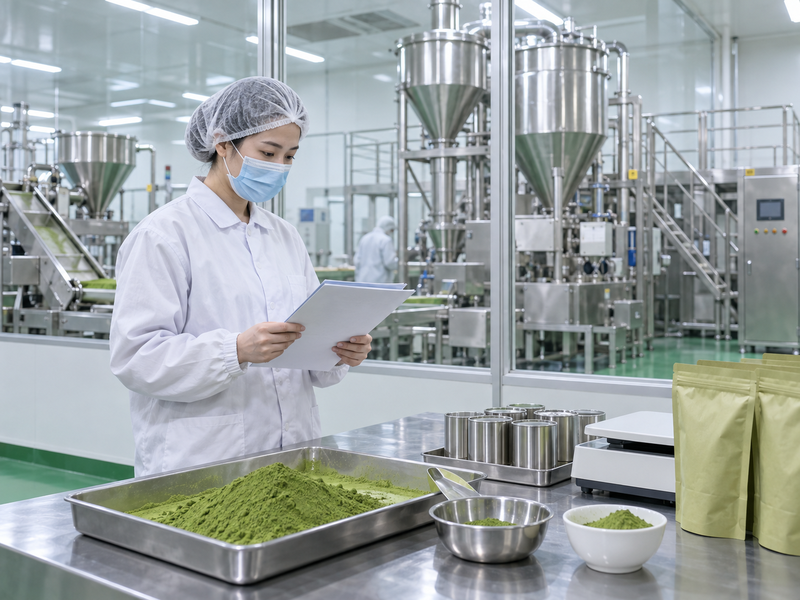
If the site purchases tencha, ask for incoming material criteria and supplier approval records. If it makes tencha, follow leaf processing into sorting and storage. Yamamasa Koyamaen’s process description shows why dried, unrolled tencha and later sorting are meaningful stages before grinding. The audit should identify what the plant checks before committing material to the mill.
Request an example decision. Ask for the lot identifier, inspection result and person who accepted a recent tencha batch. Find out how staff handle excessive stems, off odor, damaged packaging or a mismatch with the planned blend. If the plant blends tencha lots to meet a flavor target, review how components and recipe version are recorded. The goal is not to prescribe one regional style; it is to see a material gate that can prevent an unsuitable leaf from becoming your powder.
| Tencha control | Ask to see | Buyer purpose |
|---|---|---|
| Identity | Source and lot link | Traceability |
| Condition | Inspection result | Material suitability |
| Blend | Formula and component lots | Repeatability |
5. What should the milling area demonstrate?
Connect equipment with batch control
Ask which mills produce your SKU and how a run starts and ends. Review lot identification at feed and discharge, operator checks and equipment maintenance. The plant may use stone or other milling systems; your product acceptance should still describe finished texture and sensory behavior. A machine count says little about whether a particular order meets its specification.
Inspect a controlled changeover. Observe how staff prevent one grade from entering the next run and how they label partially used tencha. Ask where powder goes immediately after milling and how its age is tracked before sealing. Request records for an actual batch rather than an idealized demonstration. If the plant claims a particular fineness, ask for test method and results tied to the offered lot. Then verify performance in your application. The milling room should produce both an identifiable powder and evidence explaining how that powder was made.
6. How are dust and foreign material controlled?
Ask where powder can escape or enter
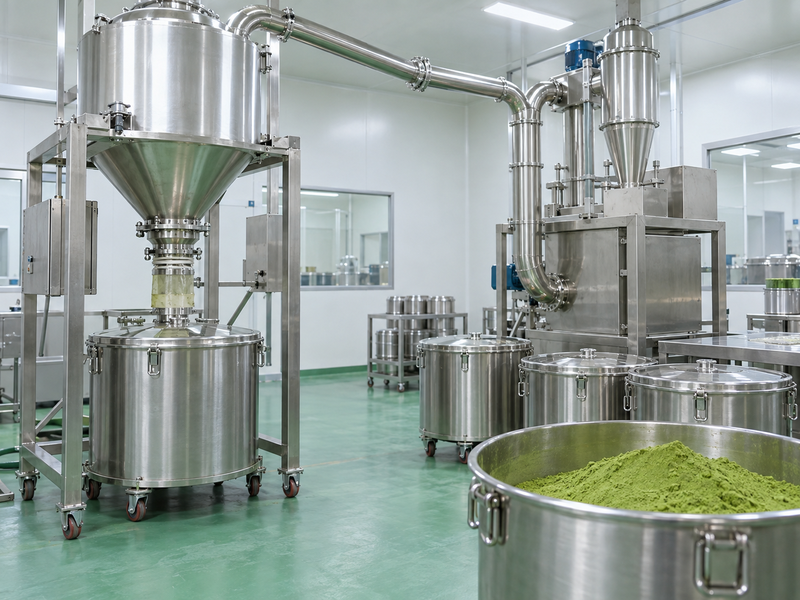
Fine tea powder can spread around transfer, sieving and packing points. Observe housekeeping and collection methods while equipment is operating if access allows. Ask how staff prevent dust from moving between products and how collected powder is handled. Review screens, magnets, metal detection or other controls only where they are part of the site’s actual process; do not assume every plant uses the same equipment.
Test the control logic. For each stated foreign-material barrier, ask what hazard it addresses, how its performance is checked and what happens after a failed check. Look at maintenance practices near open product. A loose fastener above a hopper can undermine an otherwise impressive laboratory program. Record a specific exposure path and the site’s response rather than writing “dust control poor” without evidence. If the plant handles allergens in blends, quality should separately review cross-contact controls for the pure matcha SKU.
| Point | Observation | Follow-up |
|---|---|---|
| Open transfer | Dust escape | Containment method |
| Screen or detector | Verification log | Failed-check response |
| Maintenance | Parts near product | Tool accountability |
7. What evidence supports cleaning and changeover?
Review instructions and completed work
Ask for cleaning procedures for the mill, transfer equipment and packer used by your SKU. Compare the written method with what operators say they do. Check whether a supervisor verifies completion and how the plant handles a change from flavored blend to pure matcha, or from one grade to another. A clean-looking machine does not prove a controlled changeover.
Ask for a difficult example. Review a recent change with a documented issue, re-clean or hold decision if the plant has one. The objective is to learn whether its system catches problems. Confirm where cleaning tools are stored and whether residues can remain in hard-to-reach sections. If the supplier makes allergen-containing blends, request risk-based controls and evidence relevant to your product; a generic “allergen-free facility” statement is not enough. Agree on change notification if future product lines alter the plant’s risk profile.

8. How should packing and coding be checked?
Watch product become a saleable unit
Follow powder from holding container into the correct pack. Ask how operators verify package material, label, net weight, seal and date or lot code at startup. Look at early, middle and late packs from one run. If a packer handles several grades, ask how it clears old labels before starting a new SKU. A correct powder in the wrong printed pouch can create a serious customer problem.
Trace a carton backward. Pick one finished carton and ask staff to identify packed unit codes, filling run, milling lot and tencha source. Check whether this can be done through normal records without relying on one employee’s memory. Ask how damaged or rejected packs are handled and whether rework is permitted. For export, confirm that outer carton identification survives warehouse handling. A robust packing process protects identity after powder leaves the mill.
| Pack check | Evidence | Buyer concern |
|---|---|---|
| Label identity | Line clearance | Wrong SKU |
| Seal and weight | In-process checks | Damaged or short pack |
| Lot code | Trace exercise | Recall scope |
9. Which laboratory and release records matter?
Compare reports with the actual lot
Ask which tests the plant performs itself and which go to an outside laboratory. Review the finished specification, test methods, units, sample identification and release authority. Your quality team should set appropriate analytes and limits for your product and destination. A general capability list does not mean every lot received every test.
Check the release sequence. Find out whether finished cartons can ship before results are reviewed and who can place them on hold. Look at instrument calibration and handling of an out-of-specification result. Verify any certificate by holder, site, scope and validity; it is context for the system, not a substitute for lot data. If a supplier says it can arrange additional testing, write the plan into the order before production. The useful audit question is whether a failed or uncertain result would actually stop your shipment.
10. How should audit findings affect approval?
Turn observations into decisions
Write each finding with location, record or observed behavior, product risk and requested correction. Distinguish a missing document from a control failure. Assign an owner and a date for evidence, then verify whether the action addressed the cause. A polished presentation from management should not erase a mismatch found on the line.
Approve a scope, not a building. State which plant, activities, products and markets your decision covers. A supplier may be approved for bulk pure matcha while a new blend or packing line remains under review. Keep sample trials and commercial terms alongside audit results, because a sound facility does not guarantee a product fits your recipe or can be delivered when needed. If an issue affects immediate safety or identity, hold purchasing until corrected and verified. Smaller improvements can be tracked under a controlled plan according to your company’s risk policy.
| Finding type | Buyer action | Closure evidence |
|---|---|---|
| Record gap | Request missing trace | Verified document |
| Process weakness | Correct procedure and practice | Follow-up observation |
| Product mismatch | Repeat trial | Approved sample |
FAQ
Q1. Does a large plant guarantee consistent matcha? No. Review controls and lot records for your SKU.
Q2. Can photographs replace an audit visit? They can orient you, but request records and a live or detailed remote walkthrough where appropriate.
Q3. Should every buyer demand the same equipment? Specify hazards and product outcomes; check the site’s controls.
Q4. Is a certificate enough for lot release? No. Check its scope and review required finished-product records.
Q5. What should be traced during a visit? Choose a finished carton and follow it back through packing, milling and source material.
Begin with a process map and one proposed commercial lot. Walk its material route, review completed records and test the powder in your application. Your audit decision should name the exact site and SKU it supports, plus any corrections still open.