
Matcha stone mill grinding describes how prepared tea becomes powder. It may be relevant to a brand’s product story, but a mill type cannot alone tell a buyer how a latte feels or how a later lot will perform. Compare identified powders under one recipe and ask for the operating and release records behind each. Our stone-mill production guide explains the broader process questions that accompany a milling claim.
Contents
- 1. What does a stone mill do to prepared tea?
- 2. Why is the feed material part of the comparison?
- 3. Which operating controls should a buyer ask about?
- 4. How should particle size be reported?
- 5. Does a stone mill guarantee smooth texture?
- 6. How can buyers compare different milling routes?
- 7. What does temperature control need to show?
- 8. Which records tie a sample to the mill?
- 9. How does production scale affect the choice?
- 10. When should a mill change trigger reapproval?
1. What does a stone mill do to prepared tea?
Describe the step without assigning a quality grade
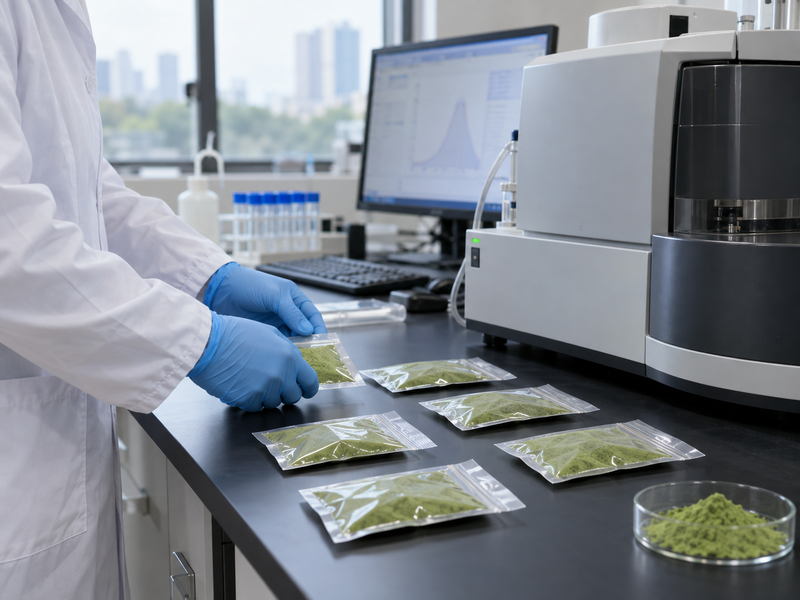
A stone mill grinds prepared tea into a fine powder through contact between milling surfaces. Producers may use stone mills as part of a traditional matcha route. The buyer should ask what material enters the mill, which item code leaves it and how the resulting powder is checked. A photograph can show equipment, but it cannot tell you whether the sample in your hand came from that line. Request a coded sample and a batch record link before using “stone milled” on packaging.
Decide whether milling method itself is a brand requirement or simply one way to reach a product outcome. A straight-tea line might value a verified process claim. A beverage manufacturer may chiefly need a specific texture, flavor and supply plan. Either buyer should evaluate powder behavior in the finished use. The route matters because changes to it can affect the approved result, not because the machine automatically confers a universal grade.
2. Why is the feed material part of the comparison?
Hold upstream tea constant where possible
Milling comparisons are difficult when each sample starts with different tea. Leaf source, sorting and prepared-tea condition can influence aroma, taste and color. If you want to know whether stone milling or another route explains a difference, ask whether the supplier can mill the same prepared material by both methods. That controlled comparison may not be practical for every purchase, but it reveals why two unrelated catalogue grades cannot prove a machine is superior.
Ask for the input material code, source definition and storage condition of each sample. If one sample is from a different harvest or grade, note that limitation on the scorecard. A buyer can still choose the better powder for its application without attributing the outcome to milling alone. Keep the approved feed-material range with the product file, because later changes in source can alter the result even when the mill stays the same.
| Comparison factor | Ask for | Prevents |
|---|---|---|
| Prepared tea | Input code and grade | False mill attribution |
| Storage | Material condition | Age bias |
| Sample route | Actual production line | Catalogue confusion |
3. Which operating controls should a buyer ask about?
Seek an approved instruction and a real record
Ask how operators set up the mill for the proposed SKU and which checks they record during a run. The factory may monitor feed, machine condition, room environment or powder appearance under its own procedure. Do not prescribe a speed or output figure lifted from another producer’s website. Request evidence that the plant can identify a deviation, hold affected material and decide its disposition. These are stronger controls than a general assertion that stone milling is gentle.
Review startup and changeover practices. How does staff know the previous grade has cleared the line? How are intermediate containers labeled? If a mill needs maintenance, does the product move to another approved machine, and who authorizes that? A batch file should connect material, equipment, operator checks, sampling and finished lot. That information lets the buyer compare a later complaint with the approved route instead of relying on memory about which room held the mill.

4. How should particle size be reported?
Read the method behind the number
Ask whether the specification reports an average, median, range or another particle-size measure. Request the method, sample preparation and units. Two suppliers can report values that look comparable but were produced by different techniques. A published study of matcha milled by different methods examined particle size and shape; it illustrates why a mill label alone is not a complete physical description. Avoid claiming one particle number predicts all drink performance.
In your own trial, note mouthfeel, visible grit, clumping and sediment under a fixed preparation. A physical value may help set an acceptance range after the recipe works, but do not choose a product solely from a catalogue number. Ask whether the lot report includes the agreed measurement and whether sampling represents the finished batch. The buyer should know what the number means, how it was produced and how it relates to the consumer experience.
| Data field | Question | Buyer use |
|---|---|---|
| Particle metric | Average, median or range? | Compare reports |
| Test method | Same preparation? | Judge comparability |
| Lot identity | Finished batch? | Release review |
5. Does a stone mill guarantee smooth texture?
Test the packed powder in use
No milling label guarantees a smooth cup. The starting tea, operating settings, sieving, packing and the drink’s mixing method also matter. Request a sealed sample from the intended commercial line. Test it in water and in the actual menu item if those are both planned uses. Record dose, liquid, temperature, equipment and service delay. Ask ordinary staff to repeat the recipe; a product that works only under an expert demonstration may be impractical for a chain.
Texture should be described precisely. “Grit at the final sip” and “small dry clumps after cold mixing” point toward different reviews. If a sample feels rough, ask the factory for its physical specification and in-process results before deciding that stone milling failed. Another method may produce a better application result, or a different stone-milled product may solve it. The purchase decision belongs to the coded product and its reproducible behavior, not to a machine category in isolation.

6. How can buyers compare different milling routes?
Use one product test and clear limits
Ask candidates for coded samples with input descriptions, process route, current specification and pack date. Blind-code the samples and prepare them at the same dose in your target recipe. Score flavor, texture, color and handling separately. A powder that wins straight tea may not be the easiest to disperse in iced milk; a fine powder may still create another issue in a dry blend. Choose the use that will generate the commercial order.
Keep claims out of the first sensory pass. Once results are recorded, review process evidence, price, capacity and the brand’s desired story. A stone-mill requirement can be a valid branding choice if the supplier can support it and the product works. If two methods perform similarly, compare their repeatability and supply fit. Ask whether any method change triggers buyer notice. The most useful mill comparison ends with a defined SKU, not a universal declaration that one machine always makes better matcha.
| Trial criterion | Same condition | Record |
|---|---|---|
| Flavor | Recipe and dose | Panel comments |
| Texture | Mixing and delay | Grit or sediment |
| Operations | Staff preparation | Time and waste |
7. What does temperature control need to show?
Ask how the factory manages its process
Grinding can introduce heat through mechanical work, and powder quality can depend on how a factory manages its own line. Ask which temperatures or environmental conditions it monitors for the proposed item and how staff respond to a reading outside the approved range. Do not assume that a stone mill is always cool or that a modern mill is always hot. The actual plant, input, throughput and control method matter more than a slogan.
Request a redacted example of in-process checks and a finished sample from that route. If a supplier proposes a new line to meet volume, compare production samples and relevant records. A comparative milling study investigated physical, taste and aroma effects of different methods under its own experimental conditions. It supports asking measurable questions, not importing its exact result into a different factory. Buyer approval should rest on the offered powder and documented process.
8. Which records tie a sample to the mill?
Follow material into a packed lot
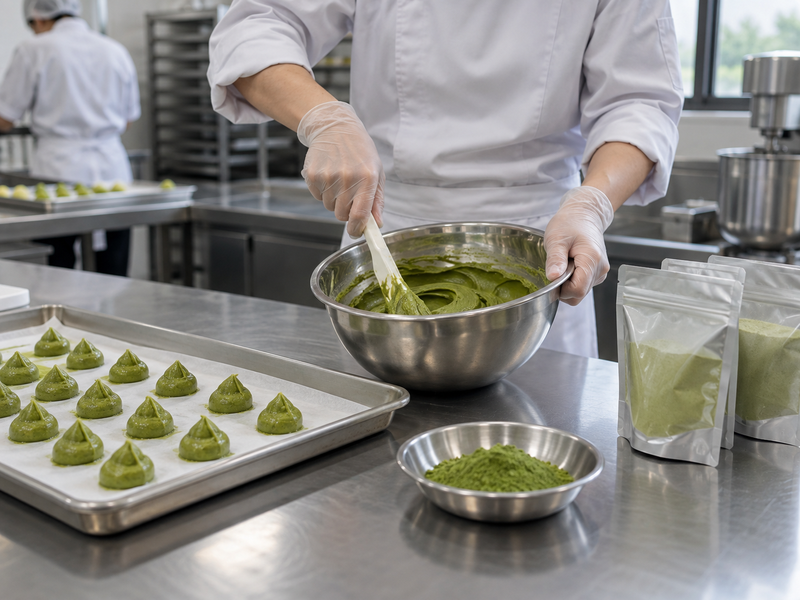
Ask for the sample’s product code, lot, production date, milling equipment identifier and packaging record. The batch file should connect prepared tea input, mill run, any sieving or blending, finished lot and release decision. If the sample was hand-prepared outside routine production, label it as a development sample and request a commercial-route sample before a large order. A process claim on a retail pack needs this connection, because a buyer may be asked to substantiate it later.
At shipment, compare the lot on packs with the release report and packing list. If several mill runs are combined, ask how they are represented in one finished batch. Keep a retained sample under defined conditions. In a complaint, this trail lets both parties separate a material issue, a milling change and post-pack handling. “Stone milled” remains a useful claim only if it stays attached to the units delivered, not just to a showroom demonstration.
| Record | Connects | Buyer check |
|---|---|---|
| Input issue | Tencha to mill | Correct material |
| Run log | Mill to powder | Approved equipment |
| Pack file | Powder to carton | Matching lot code |
9. How does production scale affect the choice?
Confirm the exact SKU’s availability
Stone mills and other milling systems can have different planning constraints. Do not extrapolate a universal output rate from a single producer or research paper. Ask the supplier how much of the proposed grade and pack it can schedule for the launch window, whether input material is available and whether additional lines are approved for the SKU. A strong sensory sample is not enough if the commercial order needs an untested scale-up route.
Share a forecast range and ask what lead-time event starts the schedule. If the plant would switch mills at higher volume, require a bridge sample and comparison in your recipe. Matcha Village’s supplied company material describes a large grinding fleet, but a buyer should confirm which equipment route and stock allocation apply to the specific offered item. Keep supply and product approval together so a rush order does not quietly replace the powder that won the trial.
10. When should a mill change trigger reapproval?
Preserve the approved result
Agree that the supplier will notify the buyer before changing the milling method, line, prepared-tea source or a related step that could affect the specification. The notice should state affected lots and provide a comparison plan. The buyer’s quality and product teams can decide whether a document review suffices or a new application trial is needed. A machine change may be operationally sensible, but the customer should not learn about it from a different mouthfeel after shipment.
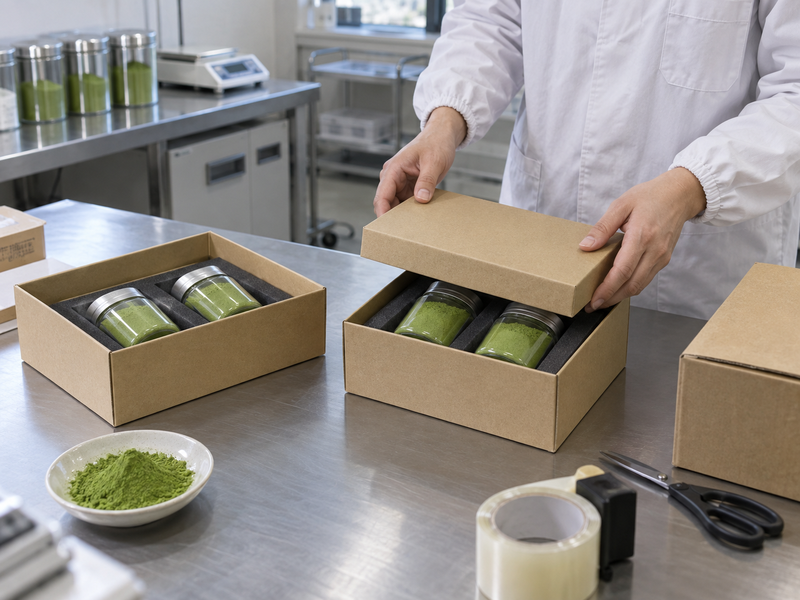
Keep the approved coded sample, particle measurement method, recipe trial, pack and lot-report format with the purchasing file. At each reorder, confirm the proposed route or review the difference. If stone milling is printed on the label, verify the units in that order followed the claimed method. The best decision is the one your team can repeat: a powder that performs in the product and a supplier that can show how it was made.
| Proposed change | Ask supplier for | Buyer response |
|---|---|---|
| New mill | Route and sample comparison | Trial if performance may shift |
| New feed tea | Material and sensory record | Review flavor range |
| New pack site | Lot and claim trace | Confirm artwork and identity |
FAQ
Q1. Is stone-milled matcha always finer? Do not assume it. Compare measurements made by known methods and test texture in the recipe.
Q2. Does a stone mill guarantee low temperature? Ask for the plant’s monitoring and operating records for the offered SKU.
Q3. Can another mill make acceptable matcha? Evaluate each coded powder against the product’s performance and claim requirements.
Q4. What proves a shipment was stone milled? Batch records should connect its input, mill run and finished pack lot.
Q5. Should a larger order require a new trial? Retest when scale changes the material or milling route used for the approved sample.
Request two things together: a coded sample and the record linking it to the actual mill. Test the powder in your finished product, then set change and supply terms around that approved route. The machine claim earns its place only when it travels with the lot and the performance your customers will receive.