
Matcha tea leaves processing determines the tencha material a mill can use, but a buyer of finished powder rarely sees the leaf stage. Ask the supplier to connect cultivation and fresh-leaf intake with steaming, drying, sorting and tencha dispatch for one proposed SKU. Then test the powder made from that material. The matcha incoming inspection guide can help your team compare the delivered product with the source and sample records approved earlier.
Contents
- 1. Which leaf material is meant for this powder?
- 2. What can pre-harvest records support?
- 3. How is fresh leaf accepted at the processor?
- 4. What does the steaming record need to show?
- 5. How is leaf handled between steaming and drying?
- 6. Which drying checks define usable tencha?
- 7. How is leaf sorted into a powder grade?
- 8. What can a tencha sample tell the buyer?
- 9. How should tencha be stored and transferred?
- 10. When can the leaf route be approved?
1. Which leaf material is meant for this powder?
Name the source and end product
Ask which farms or source areas provide leaves for the proposed grade and whether the same material stream supports repeat orders. The answer should connect to the finished powder SKU, not merely to a popular regional story. A processor may buy leaf from several growers and sort the resulting tencha into different grades. Another may use one defined source for a limited product. Both models can be workable if the buyer understands the claim and supply consequence. Set the intended application and any origin wording before reviewing leaf records.
Separate identity from taste. A leaf-source statement can support a label, but a powder trial determines whether the product suits a drink or food. Ask for the route that connects a coded powder sample with its tencha and leaf inputs. If the supplier cannot disclose farm names, a controlled source list and masked batch links may still answer the review. Avoid accepting a photo of shaded plants as proof of the contents of your pouch. The buying question is what material this particular powder uses.
2. What can pre-harvest records support?
Check claims without over-specifying farming
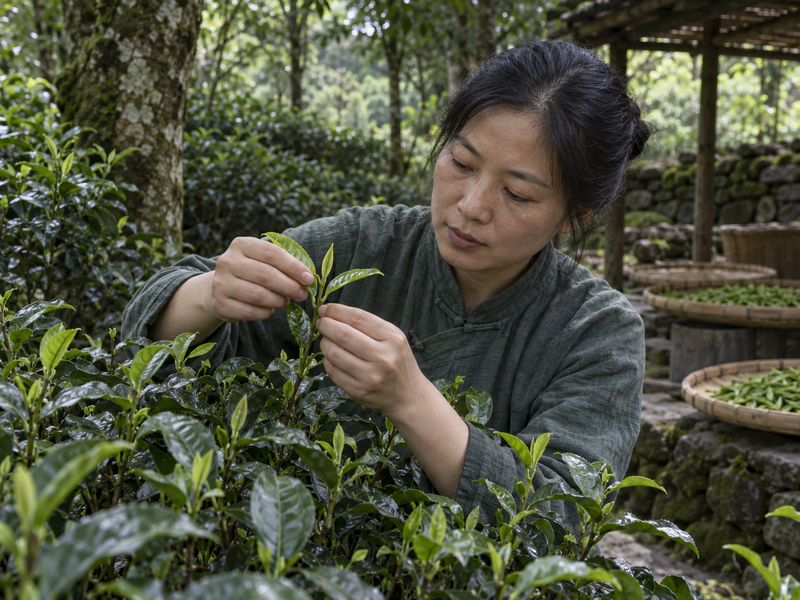
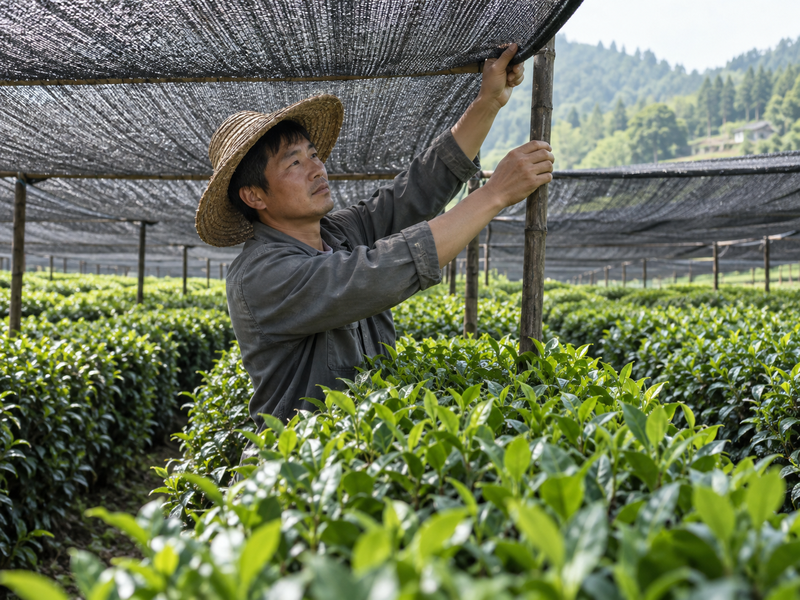
The Japanese agriculture ministry describes covered cultivation for tencha in its Uji tea account. Ask the supplier how it describes shading, harvest source and any other farm practice used in product claims. If a duration or method will appear in marketing, request records tied to the proposed material. Do not copy one producer’s days of shading into a universal purchasing rule. Different sources may use different approaches, and your customer may care primarily about the finished cup.
Define who checks the source. The grower may maintain field records while a collector or processor controls the approved supplier list. Ask how those records become a leaf lot code at harvest and what happens when a source changes. A brand with a single-region claim will need a narrower boundary than a beverage manufacturer seeking stable flavor. Put the accepted claim in writing and leave any destination labeling interpretation to the qualified reviewer. Pre-harvest records are useful when they support a statement the business actually plans to make.
| Pre-harvest item | Evidence | Buyer use |
|---|---|---|
| Source area | Grower lot | Origin claim |
| Shading claim | Farm record | Marketing review |
| Harvest | Collection code | Traceability |
| Substitute source | Approved list | Supply continuity |
3. How is fresh leaf accepted at the processor?
Inspect the intake gate
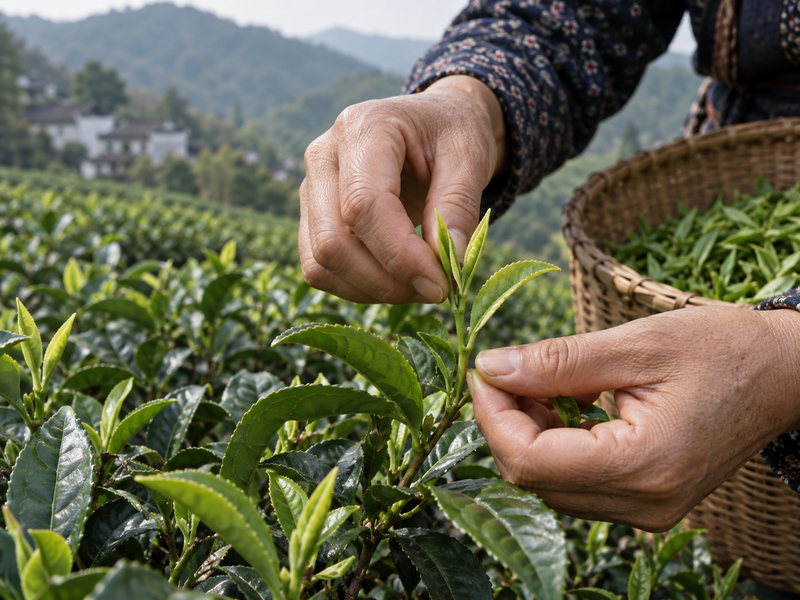
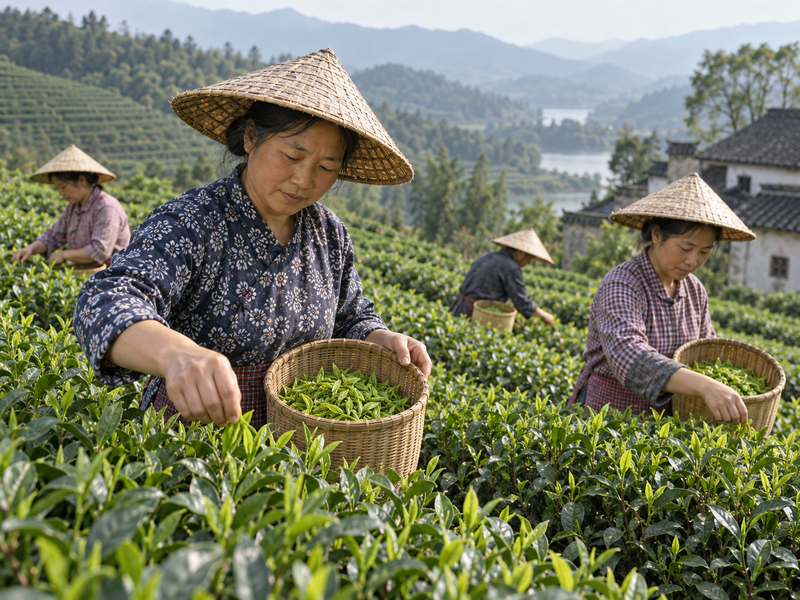
Ask how the tencha processor identifies each delivery, records arrival and decides whether leaves may enter the planned grade. If material from several growers arrives together, how are codes kept separate or combined? Request a normal intake record linked to your proposed sample. The processor should distinguish accepted material from held or rejected deliveries. A paper or digital code is useful only if it stays with leaves when they leave the receiving area.
Ask about a real deviation. If a delivery arrives in an unexpected condition or the supplier code does not match the order, who makes the decision and where does the material wait? The buyer does not need to set a universal acceptance window. It needs to know the processor’s own rule and how exceptions affect the material used for its SKU. If a seller buys finished tencha rather than handling leaves, ask how it verifies the upstream processor’s intake controls. This stage gives the later origin and batch trail its starting point.
4. What does the steaming record need to show?
Confirm route and lot identity
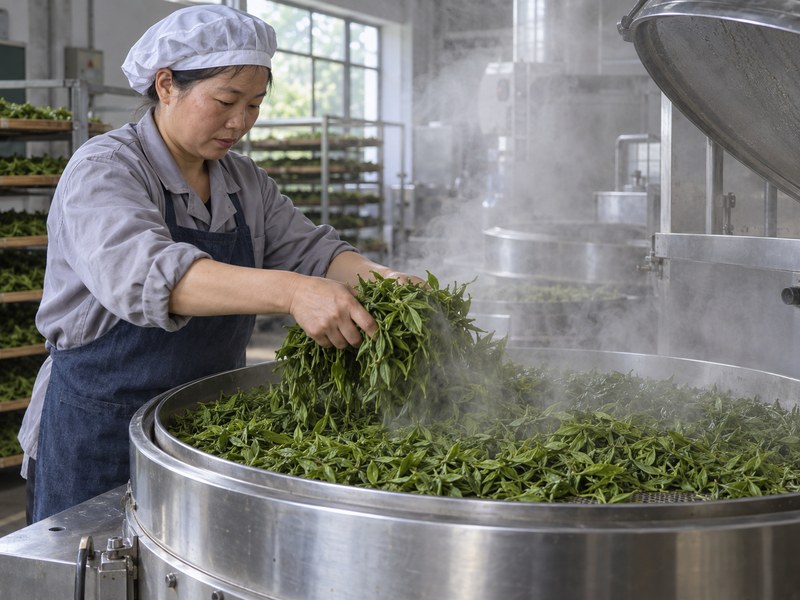
Steaming is part of the tencha route described by the Japanese agriculture ministry. Ask which site performs it for the proposed material and how the batch is identified before and after the operation. The processor should know its own operating conditions, who monitors them and how it records an interruption. A buyer should not demand one temperature or time copied from an unrelated factory. Ask instead whether the plant followed its approved method and what happened to material outside that method.
Follow the output. A run may include more than one incoming leaf lot; ask how those inputs are documented and what code the processed material receives. If the line stops, how far back does the hold extend? Who releases or downgrades affected material? These questions make a steaming claim auditable. They also help a finished-powder seller investigate a later sensory difference rather than attributing every change to weather or milling. Keep the batch example tied to the sample your team will test.
| Steaming field | Record | Why it matters |
|---|---|---|
| Input lots | Batch sheet | Origin trace |
| Site and run | Production log | Route proof |
| Interruption | Deviation | Hold decision |
| Output code | Transfer record | Later milling link |
5. How is leaf handled between steaming and drying?
Inspect the transition, not a fixed machine design
Producers may use different cooling and conveying equipment after steaming. Yamamasa Koyamaen’s process account describes one route; your supplier should explain its own. Ask how operators keep lots identifiable, prevent material from waiting outside their procedure and respond if a conveyor or cooling unit stops. A buyer does not need to prescribe the equipment shape. It does need to know who notices a gap and which material is affected.
Check a normal shift record. Does the batch code continue through cooling and into the dryer, or is a new code assigned with a clear cross-reference? If several streams join, ask how the later lot represents them. A vague “immediate transfer” statement is weaker than a record that shows sequence and responsibility. The quality team can review exceptions while product development tests the powder. This handoff may be invisible in a sales sample, yet it is part of the route the supplier must be able to explain when future lots differ.
6. Which drying checks define usable tencha?
Ask what the processor accepts
The processor should define the condition of dried material before it becomes tencha for the proposed grade. Ask who checks the output, what records the check and what happens if a batch does not meet the plant’s own criteria. Avoid importing a numeric drying recipe from a reference article; equipment and methods differ. If the processor holds material before sorting, the containers need lot and status labels so a held batch cannot slip back into accepted stock.
Connect drying with later quality. A finished powder specification may include moisture or other fields selected by your buyer quality team. Ask how those finished results relate to the processor’s tencha acceptance rule without assuming one test covers every risk. If a dryer interruption occurred, request the disposition of affected material. The point is not to audit every minute of factory operation. It is to see whether tencha entering your grade was produced under a defined route and whether departures from that route were noticed and decided upon.
| Drying question | Evidence | Buyer decision |
|---|---|---|
| Completed run | Batch record | Route accepted? |
| Output status | Quality check | Can move to sorting? |
| Deviation | Hold and disposition | Exclude affected lot? |
| Storage | Container label | Identity protected? |
7. How is leaf sorted into a powder grade?
Define the selected fraction
After drying, leaf material may be cut, sorted and separated from stems or veins before milling. Ask which steps the supplier performs for your grade and how accepted leaf is distinguished from diverted fractions. The buyer need not assume every producer uses identical machinery. It should request a work order showing input code, output code and grade decision. If several tencha lots are later blended, the record should identify each input and keep any origin claim accurate.
Ask who assigns grade. A site may use sensory assessment, visual criteria, a specification or a combination. A product described as premium should have a repeatable internal rule behind that label. If material fails the intended grade, can it be used for another SKU without entering yours? A clear answer helps purchasing understand whether the offered powder’s character depends on a narrow leaf stream. It also makes a shortage conversation more honest: substituting a different sorted fraction may require a new sample and revised offer.
8. What can a tencha sample tell the buyer?
Use it as an input reference
Ask whether the supplier can provide a coded tencha sample associated with the powder grade under review. Your quality team can compare its identity and sensory description with the processor’s specification, while the product team still tests the final powder in the real recipe. Tencha alone will not predict every effect of milling or packing. It can, however, clarify which material stream a supplier intends to use and help investigate a later change in source or grade.
Keep the chain documented. Record the tencha code, the milling run that used it and the finished sample code. If the supplier proposes a different tencha source, ask for a new powder sample before approval. A buyer may not need to receive tencha physically for routine orders, but its existence as an identified intermediate makes the production route easier to audit. Do not convert one tencha tasting into a blanket approval of all future powder lots. The final customer experiences powder, so the final application trial remains decisive.
| Sample | What it shows | What it cannot show |
|---|---|---|
| Leaf | Incoming source | Finished texture |
| Tencha | Selected intermediate | Packed shelf behavior |
| Powder | Actual application fit | Entire source chain alone |
| Later lot | Repeat result | Future supply guarantee |
9. How should tencha be stored and transferred?
Protect the approved intermediate
Ask how sorted tencha is sealed, labeled and stored before milling. A container should identify grade, source or blend lot, status and any condition that affects the claimed product. When a separate mill receives it, the transfer record should reconcile quantity, container codes and condition. The mill may assign a new internal code, but its cross-reference must preserve the upstream trail. Partial containers require the same care as full ones, especially when several similar grades share a store room.
Walk one handoff. Follow a tencha container from processor dispatch to mill receipt and ask who checks it at both ends. If the pack is damaged, who holds the material and who decides whether it remains suitable? Ask what happens if stock waits beyond the supplier’s stated guidance. The buyer need not invent a universal storage period, but it should know the site’s rule and how deviations are handled. A good transfer trail lets the seller answer an origin or complaint question after finished powder has shipped.
10. When can the leaf route be approved?
Connect upstream evidence with finished performance
Approve the source and processing route when the proposed leaf boundary, intake, tencha batch and transfer records make a coherent trail. Approve the ingredient only after the resulting coded powder meets your specification and application trial. Ask purchasing for a current offer on that same grade and pack. If the supplier changes a grower, tencha processor or sorted grade, define when new evidence and sampling are required. An attractive finished cup cannot settle an unsupported origin claim.
Make the file usable later. Store the source definition, tencha route, sample codes, powder trial, specification and change rule together. Matcha Village’s supplied materials describe shaded cultivation and managed tea processing, yet each commercial SKU still needs its own material trail. On first receipt, compare the powder lot and documents with the approved file. A leaf-processing review has succeeded when the team can explain what entered the mill and why the resulting powder belongs in its product.
If several powders use the same tea source, do not assume that approval transfers between them. A different tencha selection or milling route can create a different ingredient. Give each commercial grade a separate reference sample and recipe result, even when the farm story appears identical on both catalog pages.
| Approval gate | Evidence | Owner |
|---|---|---|
| Source | Leaf and harvest link | Brand/quality |
| Tencha | Process and sorting | Quality |
| Powder | Coded application trial | Operations |
| Order | Matching pack and quote | Purchasing |
FAQ
Q1: Does every mill process fresh leaves? No. Some receive prepared tencha; ask for their upstream controls.
Q2: Should buyers copy steaming times from an article? No. Review the supplier’s controlled method and the resulting product.
Q3: Why request tencha codes? They connect leaf-source and processing records with a finished powder lot.
Q4: Can sorted fractions become different products? Yes, when each output is identified and kept within its proper SKU and claims.
Q5: Is tencha approval enough to buy powder? No. Test the actual powder and review its specification, pack and offer.
Final thought
Treat leaves and tencha as real purchased materials with codes and status decisions. Follow one route into a coded powder, test that powder in the customer product and record which changes would require another review.