
Matcha processing steps become useful to a buyer when every transition from fresh leaf to finished powder has an owner, a product code and a decision. A general flowchart cannot show whether the lot offered to your business was accepted, held or rerouted at any stage. Ask the supplier to walk through one coded batch, then test the resulting powder in your application. Our matcha incoming inspection guide helps define what to compare when the packed lot reaches your warehouse.
Contents
- 1. Where does the post-harvest review start?
- 2. How are fresh leaves received and identified?
- 3. What should buyers ask about steaming?
- 4. Why does cooling deserve its own checkpoint?
- 5. How is drying judged before sorting?
- 6. What does sorting remove or separate?
- 7. How is prepared tencha held for milling?
- 8. What changes when tencha becomes powder?
- 9. How do tests and packing close the route?
- 10. What should a buyer approve from the full process?
1. Where does the post-harvest review start?
Find the first controlled receipt
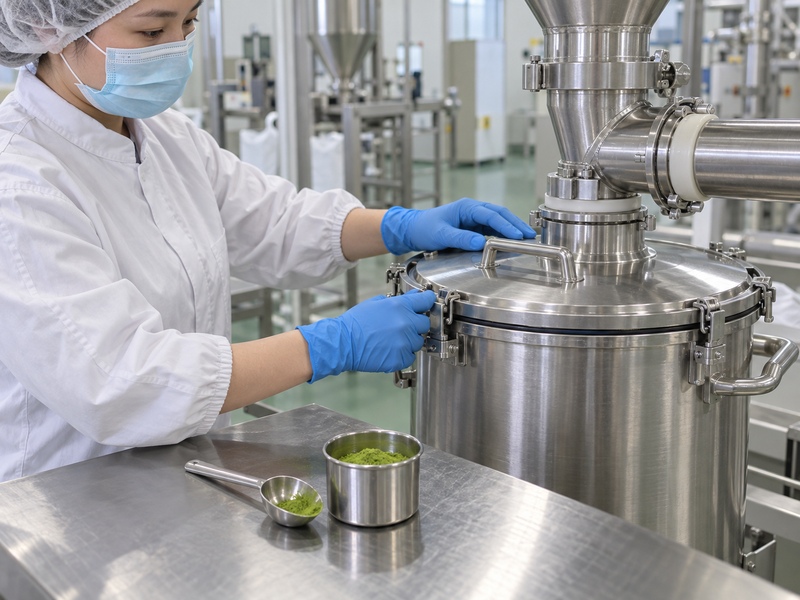
Begin at the point where the supplier takes responsibility for material destined for your grade. It may receive fresh tea leaves, dried tencha or finished powder. A site that receives tencha should explain its upstream supplier controls rather than showing a leaf-processing room it does not operate. Ask for a stage map tied to the commercial SKU and sample code. Note each company and site that will handle material before the final pack is sealed.
Choose one lot. Ask staff to show what entered the route, which code was assigned and how status changed as it moved. Record where material could be held or rejected. A buyer does not need to become a tea-process engineer; it needs to see how the supplier knows which material is suitable for the product it offers. An ordinary batch example is more revealing than a perfect process chart. If a stage occurs at another facility, ask for the transfer record and the person who can explain it.
2. How are fresh leaves received and identified?
Check source and intake status
For a plant handling fresh leaves, ask how deliveries are linked to growers, harvest lots and receipt times. The site should distinguish material for different grades before processing begins. Ask what condition checks it performs and what it does when leaves do not meet the intended route. If several deliveries arrive close together, a label or digital code should keep them separate through unloading and processing. A broad claim about tea-garden control does not replace these everyday intake records.
Trace a container forward. Follow its intake code to the processing batch and ask whether it was mixed with another delivery. If so, record both inputs. If leaves are diverted from the proposed grade, ask how the change is recorded. Quality and brand may need different evidence: one is concerned with product suitability, the other with origin wording. Both depend on a reliable intake trail. The buyer should identify which site holds the earliest usable record and how the finished powder seller can retrieve it later.
| Intake check | Record | Buyer use |
|---|---|---|
| Source | Grower or supplier code | Origin |
| Receipt | Date and lot | Trace |
| Status | Accept or hold | Grade control |
| Combination | Input list | Claim accuracy |
3. What should buyers ask about steaming?
Understand the processor’s control
The Japanese agriculture ministry describes tencha preparation with steaming followed by drying without rolling. Takezawa’s account describes how one producer handles the stage. Ask the proposed supplier what steaming equipment and monitoring its own site uses. Avoid copying a temperature or duration from another plant into your specification. The operator should explain its target, how it checks the run and what it does when processing is interrupted.
Tie the answer to the batch. A run record should identify incoming leaf lots, production date, output code and relevant deviations. If the supplier buys tencha rather than steaming leaves itself, ask what evidence it obtains from the processor. The buyer’s role is to verify product identity and repeatability, not to prescribe a secret recipe. A supplier that can explain how an off-condition batch is held offers more useful assurance than one that claims every run is perfect. The finished powder trial will show whether the route delivers the sensory result you need.

4. Why does cooling deserve its own checkpoint?
Review the transition after heat
Ask how the processor moves leaf material after steaming and how it controls the wait before drying. The practical risk is not a universal number copied from a reference page; it is a gap in this plant’s own sequence that leaves a batch outside its normal condition. Request the procedure, a run record and an explanation of what staff do when equipment stops. Cooling and transfer equipment may be different from the example in a Japanese producer’s article, so ask for the actual site route.
Watch the material handoff. Does the same batch code follow leaves through cooling, or are several streams combined? If an operator diverts material, can quality identify its later output? Ask how staff prevent a held batch from rejoining released material without a decision. This stage can seem minor beside milling, yet a poorly documented transition weakens traceability and makes a later flavor difference difficult to investigate. A buyer should leave with a clear answer about responsibility and status, even without specifying a cooling machine design.
| Transition | Operator record | Buyer question |
|---|---|---|
| Steamer exit | Batch time | Correct sequence? |
| Cooling | Equipment or line | Same lot identity? |
| Interruption | Deviation | Which material held? |
| Dryer entry | Transfer code | Trace intact? |
5. How is drying judged before sorting?
Ask for the release to the next stage
Drying produces material that can be sorted, stored and eventually milled. Ask which site performs it, what condition defines completion for its tencha grade and who checks the result. Do not impose a universal temperature or time from an example facility. A supplier should have its own controlled procedure and a way to identify output from an interrupted or off-condition run. Ask whether dried material is immediately refined or held in coded containers.
Link a sample to the output. Request the drying batch associated with the tencha that made your powder sample, where such a link exists. If several dry lots are later blended, ask how each one is represented. Sensory differences in a final cup can have many causes; the buyer cannot diagnose them from a single dryer reading. It can, however, check whether the processor followed its agreed route and whether material that failed its internal criteria was kept out of the approved SKU. That is a concrete quality question.
6. What does sorting remove or separate?
Define the output grade
After drying, a processor may cut, sort and separate leaf material before milling. Ask which steps apply to your grade and what becomes of stems, veins or lower-grade fractions. A producer can use different machinery and still make a controlled tencha if it identifies accepted output and diverted material. Request a work order and yield or output record that ties input lots to the selected tencha code. Do not treat a dramatic photograph of a sorting line as proof of the grade offered.
Ask how grade decisions are made. Does the processor rely on an operator, an agreed specification, sensory assessment or several checks? If material from two runs is combined after sorting, the blend sheet should identify both. A buyer may not need proprietary grade recipes, but it needs to know the boundaries that support its origin and product claims. The accepted tencha should be clearly distinguished from material intended for another powder or tea product. That distinction becomes more consequential when a supplier offers several similar-looking matcha grades.
| Sorted stream | Needed label | Decision |
|---|---|---|
| Accepted leaf | Grade and lot | Milling input |
| Removed material | Source lot | Alternate use |
| Held fraction | Status | Quality review |
| Combined output | Input list | Blend trace |
7. How is prepared tencha held for milling?
Protect identity during storage
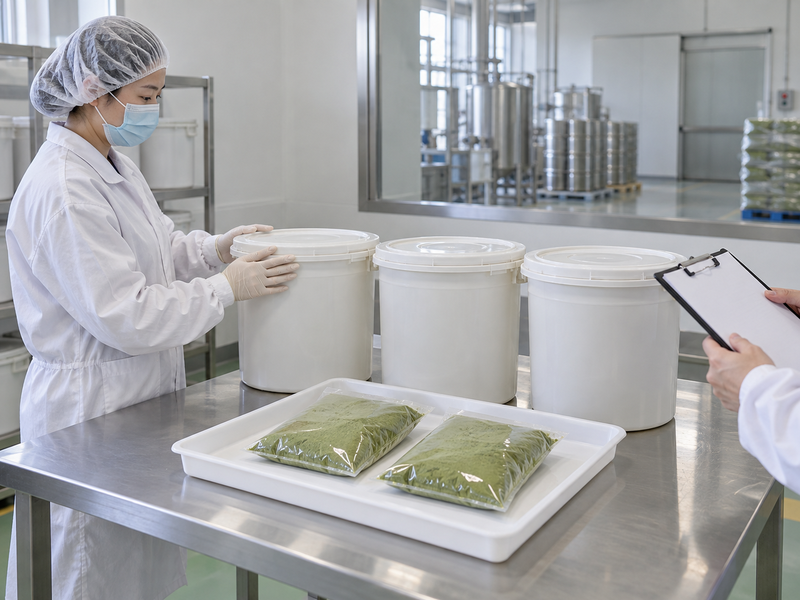
Ask where sorted tencha waits, how containers are closed and what information appears on each label. The buyer should see lot, grade, status and any source constraint that matters to the proposed SKU. A mill may receive tencha from several processors; its receiving record must link each outside code to an internal code. Partial containers require the same care as unopened ones. Ask who may reopen them and how remaining quantity and status are recorded.
Consider the next production run. Can staff find the exact material stream that made the approved sample, or does the grade name cover changing inputs? A controlled blend can be acceptable when source boundaries and sensory target are clear. A single-origin claim needs a tighter trail. Ask what happens when a container is damaged or held longer than the supplier’s own guidance. The buyer need not set arbitrary storage days. It should know the rule the supplier follows and how a deviation is handled before tencha enters the mill.
8. What changes when tencha becomes powder?
Review the mill and its finished output
Grinding changes the material’s form and how it behaves in a recipe. Ask which equipment made the sample, which input tencha lots entered the run and what finished code was assigned. If particle size appears in the specification, require the measurement method and units. Then test mouthfeel, wetting and settling in your application. A mill name or “ultrafine” adjective cannot replace a repeatable preparation trial. Ask how operators handle powder made during startup, adjustments or stoppages.
Follow the source claim. When tencha lots are blended before or after milling, every input should remain linked to the powder code. If a seller advertises stone milling or a particular origin, its run records should support that statement for commercial lots. Ask how a new mill or input source would be communicated. A later batch that meets one particle-size number may still differ in flavor or color. Keep a retained sample and compare production lots with the method used during approval.
| Mill question | Evidence | Buyer test |
|---|---|---|
| Input | Tencha codes | Origin trace |
| Method | Run record | Claim check |
| Fineness | Defined measurement | Mouthfeel |
| Output | Finished code | Shipment match |
9. How do tests and packing close the route?
Match the lot to a release decision
Ask who samples finished powder and how the sample represents a milling or blended lot. A report should name the SKU, lot, methods, units and agreed limits. Quality should explain how it holds material while results are pending and who signs release. If the buyer requires destination-specific testing, its own quality specialist must define it. A certificate of analysis for another grade or lot cannot release the one you plan to receive.
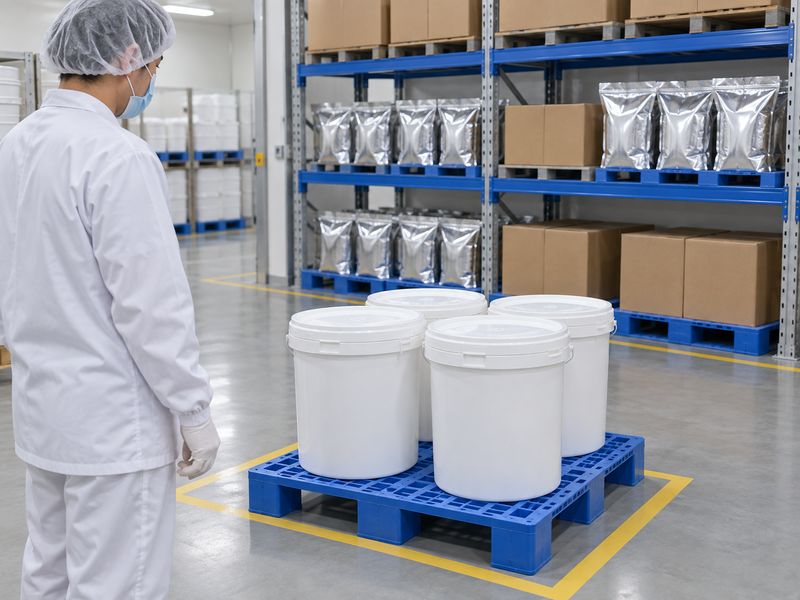
Carry the code into cartons. The packer should confirm correct material, artwork, net-weight instruction and lot marking before filling. Ask how it checks closures and handles a damaged pack. If another company packs the powder, include that site in the route. Your warehouse needs codes that match the supplier’s documents and your order. The processing story ends only when a sealed unit preserves the identity and status established at each earlier step.

10. What should a buyer approve from the full process?
Record the route that made the accepted powder
Keep a product file with source definition, processing sites, batch-code trail, milling route, specification, coded reference sample and proposed pack. Operations should approve the powder in the intended application. Quality should approve the lot records and release criteria. Purchasing should obtain an offer for the same grade and route. An attractive tour may justify more sampling; it does not make every product from the site automatically acceptable.
Set a change rule. Ask for notice before a different leaf source, tencha processor, mill or packer affects the approved item. On the first commercial delivery, compare documents and powder with the reference. If the result differs, use the stage records to ask targeted questions instead of blaming a whole region or one machine. Matcha Village’s supplied company profile describes managed tea sourcing and processing, but the proposed SKU still needs its own record chain. The goal is a process decision another buyer can reproduce.
Give the supplier a clear route for responding to a mismatch at receipt. Quality should identify the affected carton codes and preserve a sample; the supplier should identify related processing and packing records. A defined exchange avoids a long debate about which stage caused the issue before the basic lot facts are even known.
| Stage | Approval evidence | Owner |
|---|---|---|
| Leaf | Source and intake | Quality/brand |
| Tencha | Batch and sorting | Quality |
| Powder | Coded trial and report | Operations/quality |
| Pack | Label and quote | Purchasing |
FAQ
Q1: Are the same machines used at every matcha plant? No. Ask about the actual supplier route and how it controls each stage.
Q2: Why review cooling if the buyer purchases powder? It is a material handoff that can affect batch identity and the processor’s own control.
Q3: Can several tencha lots enter one powder lot? Yes, if the blend and source claims remain controlled and recorded.
Q4: Does a good sample prove future lots will match? No. Compare a later coded lot against the retained benchmark.
Q5: What should a shipment code reveal? Its packing, milling, tencha and source links, plus release status.
Final thought
Use processing stages as questions about a real lot. Ask who accepted each material, where its code went and what decision allowed it to move forward. Then judge the finished powder in the customer’s recipe before making it a routine purchase.