
Matcha storage becomes a business problem when an opened bag looks dull, smells of nearby spices, or behaves differently from the sample used to approve a recipe. The powder has a large exposed surface area, so air, moisture, heat, light and stray odors matter. A sealed package helps, but it cannot correct careless handling after opening.
Contents: Risks · Package · Location · Opening · Refrigeration · Service · Rotation · Checks · Shipping · Supplier
1. What Makes Matcha Storage Fail?
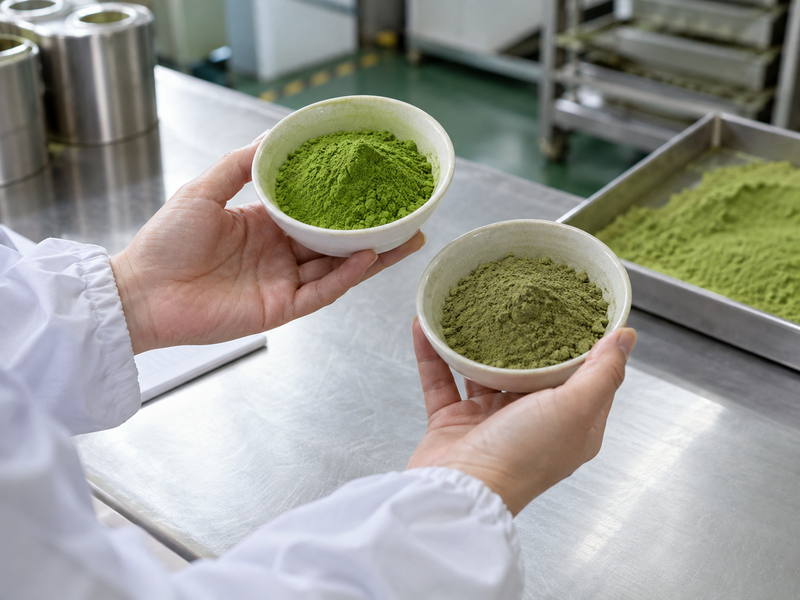
Separate chemical change from handling faults
Matcha is finely milled tea leaf. Once a package is opened, the powder meets oxygen and the room around it. Light and warmth can accelerate undesirable changes in its color and aroma; moisture can cause caking; strong neighboring odors can be absorbed. These are different problems and need different controls. A scoop left wet is a moisture problem. A clear jar under a display lamp is a light and heat problem. A loosely closed bag beside coffee beans or cleaning products raises an odor risk.
Do not treat green color alone as a complete freshness test. Some powders begin with a different shade because of cultivar, harvest, processing or intended grade. Compare each lot with its approved retained sample under the same neutral light. Then make a controlled drink using the same powder weight, liquid volume and method. A change in aroma or flavor may be more revealing than a small difference in appearance. Keep the inspection record connected to the lot number so the team can tell a storage failure from normal variation between suppliers.
2. Which Package Protects Unopened Matcha?
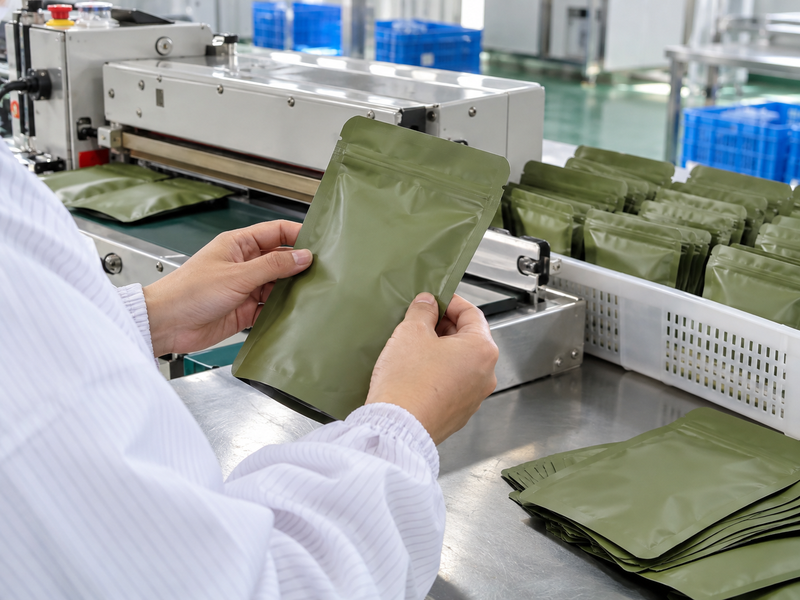
Ask what the barrier does, not only what it looks like
An unopened pack needs a sound seal and material suited to protecting a dry, aromatic powder from moisture, oxygen and light. An opaque multilayer pouch or suitable rigid container can work, but construction and sealing quality matter more than appearance. A package with a beautiful exterior and a weak heat seal may fail in a hot warehouse. Ask for the material specification, closure method and filled-pack inspection practice. For private-label products, test the exact retail pack, including its zipper or lid after the first opening.
Pack size is part of protection. A café that uses a small quantity each week may do better with several smaller sealed units than one large bag repeatedly opened for months. Conversely, a busy beverage line may empty a larger unit quickly, making the cost of many small packs unnecessary. Estimate actual use per shift and the likely time from first opening to empty pack. Choose the package around that operating pattern rather than a stock image of premium tea.
| Package question | Why it matters | Check before ordering |
|---|---|---|
| Is the pack opaque? | Limits light exposure | Inspect the filled retail or bulk unit |
| Is the seal continuous? | Reduces air and moisture entry | Review seal checks and a sample pack |
| Can staff reclose it well? | Open-pack handling affects quality | Run a real service trial |
| Is the size right for turnover? | Long open time raises exposure | Compare forecast usage with pack size |
3. Where Should Sealed Matcha Be Kept?
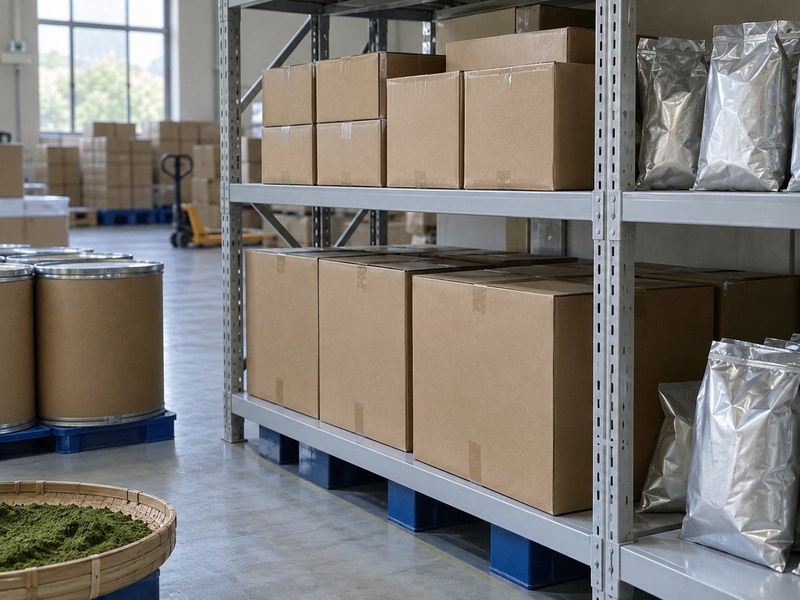
Pick a stable, clean location
Store sealed matcha in a cool, dry, clean area away from direct sun, heaters and strong smells. This advice sounds simple until the receiving dock, a warm kitchen shelf and a scented storage cupboard are the available spaces. Walk the actual route from delivery to use. Note where cartons wait, whether the area warms during the afternoon, and whether staff stack bags near damp floors or cleaning supplies. If local conditions are challenging, improve the location before relying on a package to solve everything.
The manufacturer’s storage instruction for the specific product should govern. A plain powder, sweetened drink mix and ready-to-use paste are not the same material. For plain matcha, a stable environment is often more important than chasing the lowest possible temperature. Repeated movement between cold and humid ambient spaces can create condensation on a cold package. A well-sealed unit should reach room conditions before opening if it has been held cold. Record the date received and keep cartons off the floor so inspections remain easy.
4. What Should Staff Do When Opening a Pack?
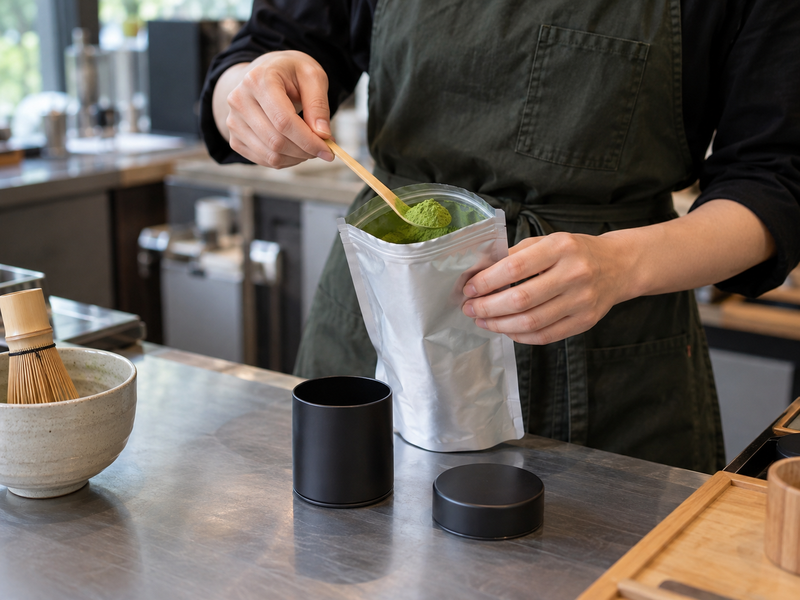
Make first opening a controlled handoff
Before cutting a pack, inspect its seal and the lot or date code. Check that the exterior is clean and dry. Use a clean, dry tool, open only the quantity needed, and close the original package promptly. If powder is transferred into a service container, use a clean, dry, opaque and well-fitting container. Mark the container with the product, lot, opening date and internal use-by decision. Avoid topping a new lot onto old powder; doing so erases traceability and makes a later complaint difficult to investigate.
At opening, record powder appearance and aroma against the approved sample. If the product arrives clumped, wet, damaged or unusually scented, isolate it and ask the supplier for a review. A small lump does not always prove spoilage; powder can settle or compact. Compare it with a fresh reference and check for package damage.
| Opening step | Good practice | Common failure |
|---|---|---|
| Inspect | Check intact seal and lot code | Use a damaged pack without record |
| Transfer | Use dry, clean tools | Scoop with a damp spoon |
| Label | Record lot and first-open date | Keep an anonymous service jar |
| Close | Reseal immediately | Leave a wide bag mouth open |
| Separate | Finish one lot before starting another | Mix old and new powder |
5. Should Matcha Go in a Fridge or Freezer?
Control condensation before choosing cold storage
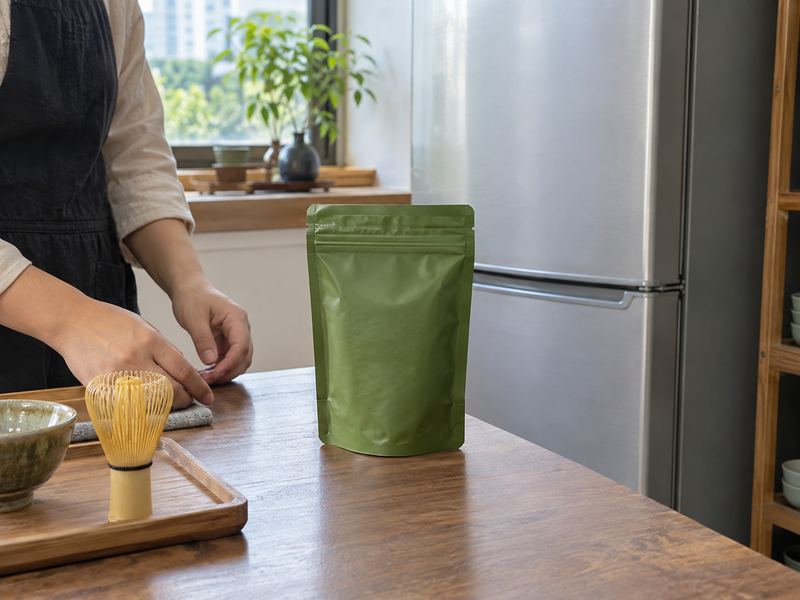
Cold storage can help some sealed matcha retain quality, but it introduces a handling obligation. A cold package brought into a humid room may collect condensation. If opened too soon, moisture can reach the powder. Decide where the powder will be stored, how long the whole sealed pack will warm before opening, and whether staff can follow that rule on a busy shift. A refrigerator also contains food odors; the outer carton and sealed inner barrier must remain intact. The supplier’s instructions take precedence for the exact pack and product.
Freezing is not an automatic upgrade for every café or brand. Repeated thawing and refreezing of a partly used container creates extra transfers and exposure. If a supplier recommends frozen storage for long-term sealed stock, plan portions so each unit is thawed once and used within its documented open-pack window. Validate the method with sensory checks in the actual recipe. A small team may get more consistent results from sensible sealed pack sizes and a cool cupboard than from a freezer nobody manages carefully.
Do not promise a fixed number of extra months from refrigeration without a stability study for the product and package. “Keeps longer” is a hypothesis until the supplier has tested the powder under defined conditions.
6. How Can a Café Protect Its Service Jar?
Design around the busiest hour
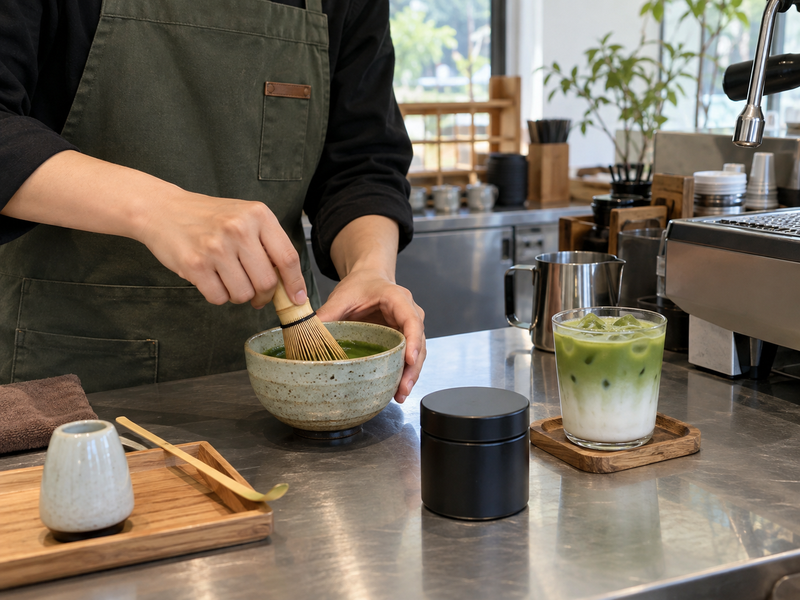
A service jar is opened far more often than bulk stock. Place it away from a steaming espresso machine, hot water tap, window and splash zone. Use a small opaque container with a tight lid, and refill from a separately protected pack as needed. A clean, dry scoop should stay in a dry holder rather than in a wet sink area. These choices are not glamorous, but they are easy to observe and train.
Set a maximum fill that a station can use in a short, predictable period. If a jar sits through several slow shifts, reduce the fill. If the team repeatedly refills in a rush, choose a slightly larger working amount while keeping the reserve pack sealed. Taste the first and last drinks from a working jar during a trial. Changes in foam, aroma or color may show whether the service routine is causing trouble. Keep recipe variables fixed during that comparison; an extra pump of syrup can hide a fading powder.
| Service condition | Lower-risk setup | Staff check |
|---|---|---|
| Heat and steam | Jar away from machines | Feel the shelf during peak service |
| Light | Opaque container | Check window and display exposure |
| Moisture | Dry scoop and clean lid | Inspect for wet residue |
| Slow turnover | Smaller working fill | Compare first and last drinks |
7. How Should Stock Be Rotated?
Work from the supplier’s date codes
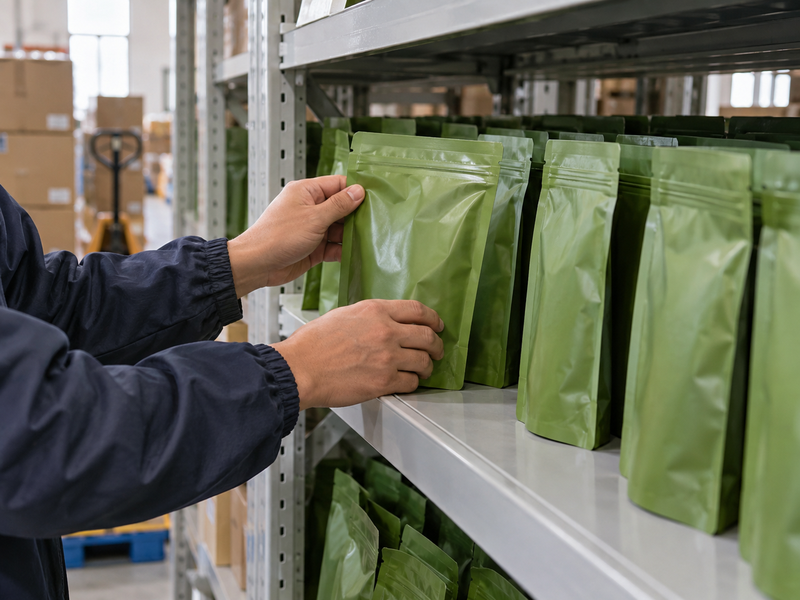
Use the maker’s best-before date and the business’s own opening record together. First-expiring-first-out is usually more useful than first-in-first-out when lots arrive with different remaining shelf lives. Keep unopened cartons identifiable, avoid burying older stock behind a new delivery and separate any damaged or questionable packs. The person receiving a shipment should record the lot, quantity, date received, date code and location. This takes minutes and saves far more time when a café chain needs to trace a complaint.
For opened powder, set an internal use window that reflects the supplier’s advice, pack type, local environment and sensory trials. The period should be conservative enough to preserve the intended drink, but it should not be presented as a universal shelf life. A pastry operation, where powder goes into a sweet baked formula, may accept a different sensory threshold from a plain-water matcha bar. Food safety and quality decisions should be documented separately, with the supplier involved when there is doubt.
8. What Quality Checks Catch Storage Problems?
Compare with a retained reference under repeatable conditions
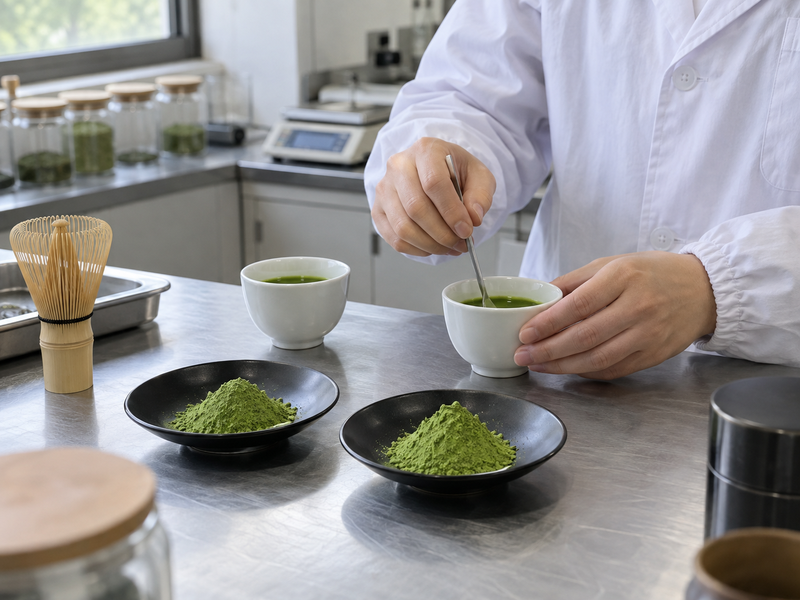
Keep a sealed reference pack from an approved lot, and periodically compare stored stock against it. Use the same lighting, cup, powder weight, water amount and mixing method each time. Record color, aroma, visible clumps, flavor and dispersion. If the finished product uses milk or sugar, test that recipe as well as plain water. A powder can seem acceptable in a sweet drink while losing the clean aroma expected in a straight tea.
A retained sample does not replace supplier testing. Ask for the product specification and relevant certificate of analysis for each commercial lot, including the parameters that matter to the intended market. The supplier should explain its shelf-life basis, packaging specification and recommended storage conditions. Matcha Village describes lot controls and testing support in its company material; ask for documents covering the exact batch offered rather than relying on a general company claim.
| Observation | Possible cause | Next action |
|---|---|---|
| Duller color than reference | Age, light, heat or lot variation | Check records and compare a sealed pack |
| Foreign odor | Nearby materials or poor seal | Isolate affected units |
| Hard, damp clumps | Moisture exposure | Stop use and inspect package |
| Weak tea aroma | Age or storage conditions | Repeat controlled sensory test |
| Uneven drink texture | Handling or powder quality | Test a fresh unopened pack |
9. How Do Shipping and Warehouse Conditions Change the Plan?
Include time before your team receives the powder
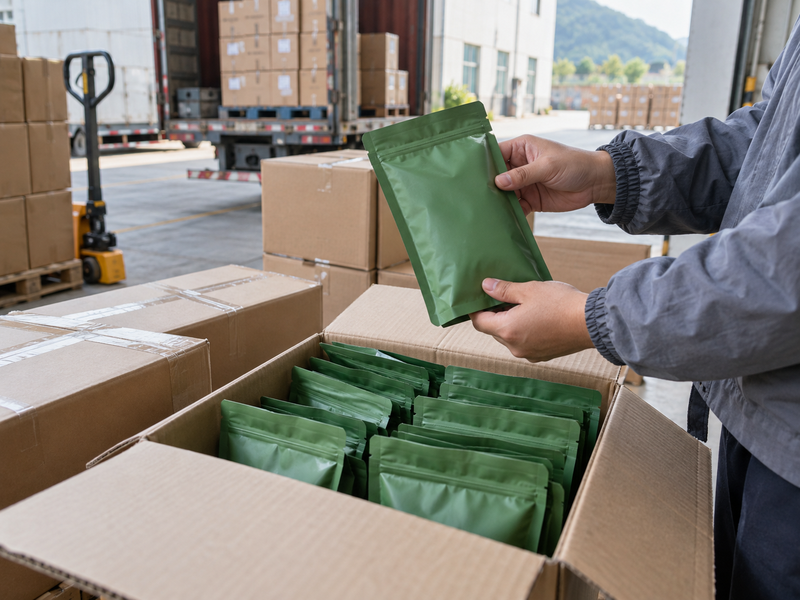
Matcha may travel through more than one warehouse before reaching a café or food plant. Ask the supplier how cartons are packed, how they are protected in transit and what happens if a shipment is delayed in warm or humid conditions. A good warehouse procedure should preserve lot identity and keep product away from water damage and odor sources. The receiving team should photograph damaged cartons before moving their contents, then inspect the inner packs. Do not quietly add a questionable unit to normal stock.
For private-label brands, distribution conditions matter as much as the factory shelf. The consumer will judge the product months after it was packed. Validate the shelf-life claim in the actual retail package and foreseeable route to market. A pouch tested only in a controlled room may behave differently after repeated warm delivery days. If the brand sells through several climates, discuss realistic test conditions with the supplier. Keep a record of label wording, pack revision and fill date so an update to the package does not inherit an unsupported shelf-life claim.
10. What Should a Supplier Confirm Before a Bulk Order?
Put storage requirements into the purchasing specification
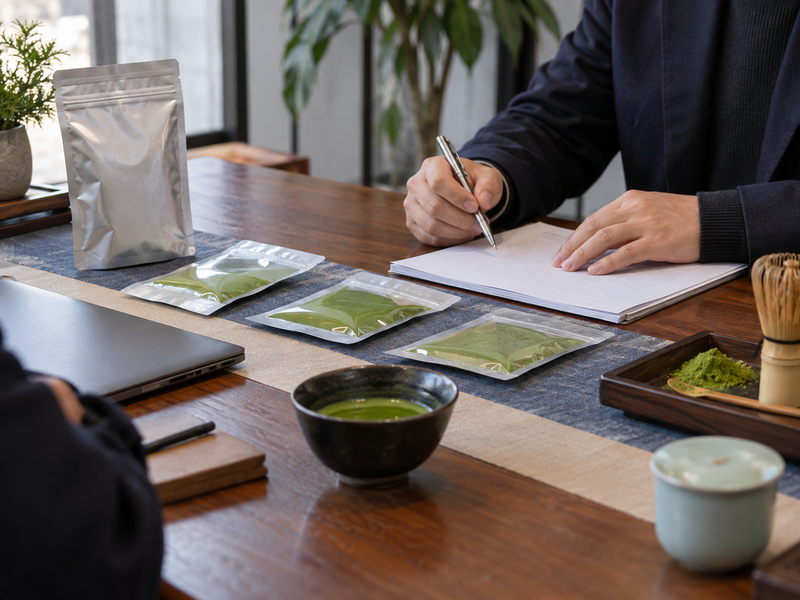
A bulk matcha quote should specify product identity, pack format, net weight, date coding, recommended unopened and opened storage, shelf-life basis and lot documents. Ask whether the quoted packaging is the same as the sample pack. A smaller sample in an unusually protective pouch may perform better than the production bulk bag. If the supplier proposes a different size or closure, run a service trial with that exact format. Agree on how a damaged shipment or quality complaint will be documented and reviewed.
For an OEM brand, include artwork and label review in the handoff. The storage instruction should fit the product and the end user’s likely behavior. A realistic instruction can tell consumers to close the pack tightly and keep it away from heat and moisture without promising that every kitchen offers ideal conditions. Include an opening-date field or a small-pack option if that makes daily use easier. Matcha Village offers OEM and private-label formats; the right choice depends on your actual throughput and route to market.
| Buyer document | Purpose | Question to resolve |
|---|---|---|
| Product specification | Defines the powder | Which lot properties are controlled? |
| Packaging specification | Defines the barrier and closure | Is this the production pack? |
| Certificate of analysis | Reports batch tests | Does it cover the lot delivered? |
| Storage instruction | Guides handling | Does it address open packs? |
| Shelf-life support | Supports the label | Was the actual pack tested? |
FAQ
Q1. Does matcha need to be refrigerated after opening?
Follow the supplier’s instruction for that exact product. Cold storage may help, but a frequently opened cold container can collect condensation. A small, tightly closed working quantity in a cool, dry place may be easier to manage in a busy café.
Q2. Can matcha be stored in a clear glass jar?
Clear glass exposes powder to light, especially on a bright counter. If a glass jar is necessary for service, keep only a small working amount in a shaded location and protect the reserve stock in an opaque, sealed pack.
Q3. Are small matcha clumps always a sign of spoilage?
No. Fine powder can settle or compact. Hard, damp clumps, a damaged seal or an unusual odor deserve closer investigation. Compare the affected powder with a freshly opened reference before using it.
Q4. How long does opened matcha last?
There is no single reliable interval for every powder and package. Use the maker’s guidance, record the opening date, and validate the period against the flavor and color your product needs under your real storage conditions.
Q5. What is the most useful storage change for a café?
Use a small opaque service container away from heat and steam, keep a dry scoop, and close the reserve pack after each refill. Then label the lot and opening date so the team can rotate stock consistently.
For additional background, see Matcha.com’s consumer storage guide and our bulk matcha sourcing guide. The procedures above should be checked against the specifications for the powder and pack you actually buy.