
A supplier is right for your business when its matcha works in your product, its batch records stand up to review, and it can fill repeat orders. Your café might launch a vivid green latte, only to find the next shipment tastes sharper and looks duller in oat milk. A food brand faces the same problem at a larger scale: one inconsistent lot can disrupt a production run. Bulk matcha sourcing starts with a product test, a clear specification, and a supply plan built around how you actually sell.
1. What Is Bulk Matcha for a Commercial Buyer?
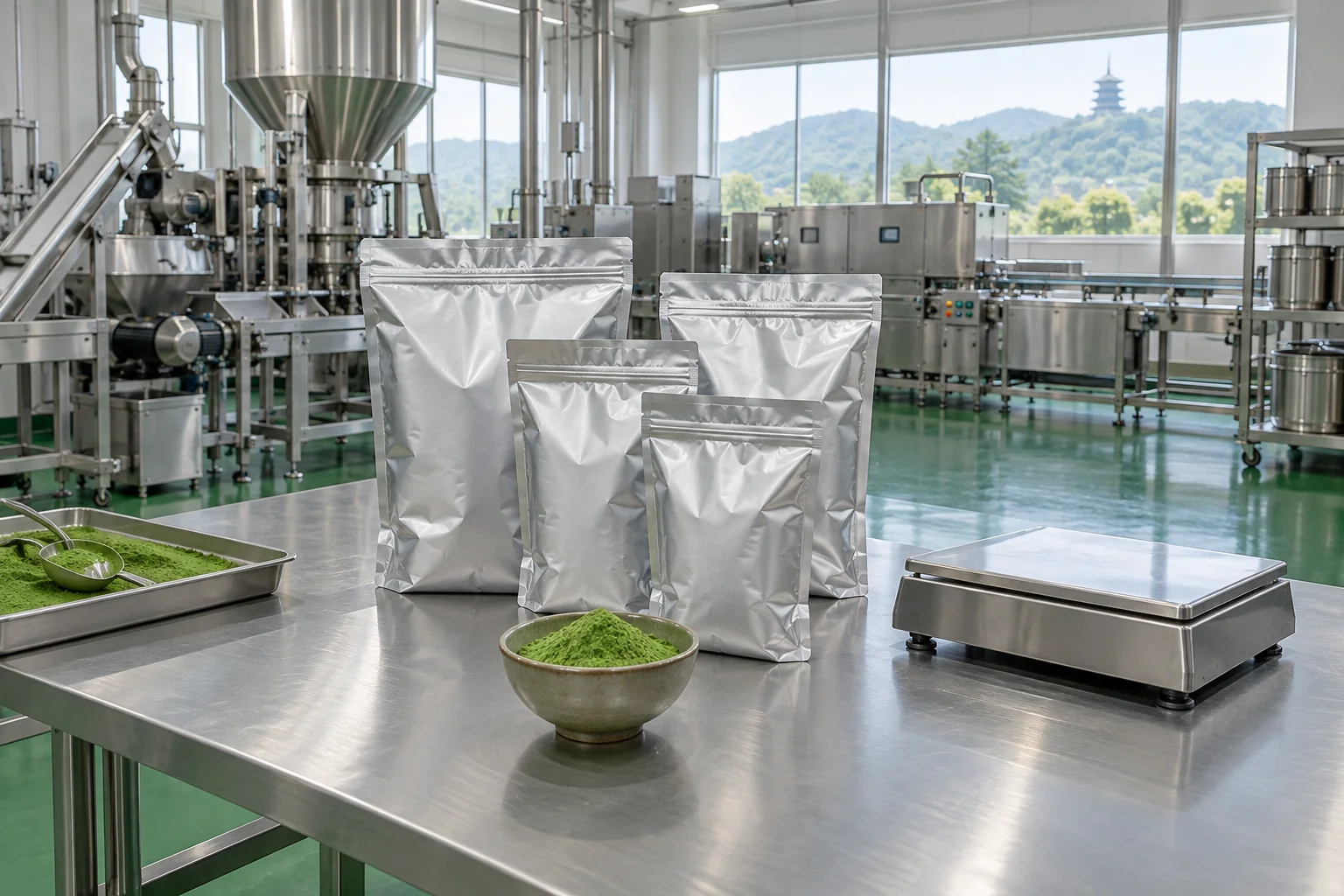
Bulk matcha is powdered tea supplied for repeat commercial use, with a grade, pack size, and specification suited to your product. A café, beverage brand, manufacturer, and distributor may buy the same ingredient category yet need different flavor, color, documentation, and delivery arrangements. Before requesting a quote, pin down where the powder ends up after your team opens the bag.
Where will the powder go?
Start with the finished product: pure whisked tea exposes every bitter or stale note, while milk and sugar can soften those edges. Baking adds heat, fat, and other flavors; a powder that tastes elegant in water may disappear in a cookie. If you sell several formats, ask for a small selection and test each one in its intended recipe.
- Café: test a hot latte, an iced drink, and a straight matcha serving.
- Manufacturer: test the actual formula and processing conditions.
- Distributor: map each grade to a clear customer use.
What belongs in the first buying brief?
Describe your application, target flavor, color, expected volume, packaging, and destination market before requesting a quote. Matcha Village’s company overview describes supply for brands, cafés, manufacturers, importers, and distributors, so a useful inquiry names which of those roles you fill. Ask which samples and documents correspond to the exact powder offered for sale.
| Brief item | What to specify |
|---|---|
| Application | Final recipe and serving method |
| Commercial need | Trial volume and likely reorder pattern |
Key Takeaway: A precise brief narrows the sample set and makes later price comparisons meaningful for your business.
2. Which Bulk Matcha Grade Fits Your Product?
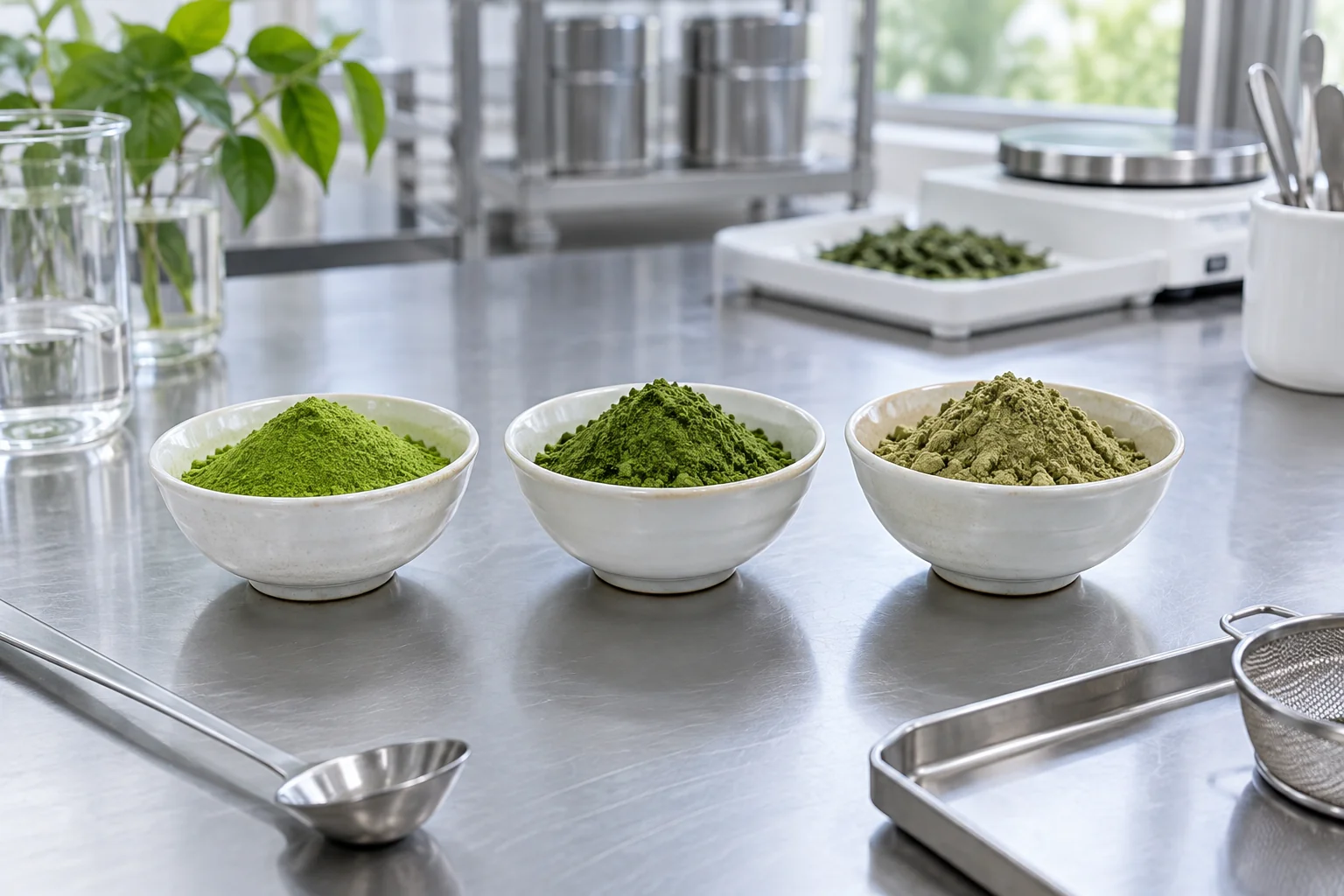
Bulk matcha grades fit a product when their taste, color, and cost survive the way customers will consume it. Names such as culinary, premium, and ceremonial offer a starting point, but suppliers do not all use them in the same way. Test performance in your recipe before approving a grade for a menu or retail label.
How should you compare samples?
Put the samples side by side: prepare each at a fixed dosage and photograph them under the same light. Note bitterness, sweetness, aroma, texture, and color immediately after mixing and again at your normal serving time. Repeat the comparison in water, dairy, or plant milk as relevant to your product.
- Keep water temperature, whisking time, and dose consistent.
- Record what changes after ice, milk, sugar, or heat.
- Have more than one team member taste the blind samples.
Should you pay for a higher grade?
A higher-priced grade makes sense when customers can notice the improvement and your margin can carry it. A straight tea service may reward a smoother powder, while a sweet bakery filling may call for stronger tea flavor instead. Ask for samples across a sensible price range and calculate cost per finished serving rather than cost per kilogram alone.
| Use | Starting comparison |
|---|---|
| Pure tea | Smoothness, aroma, and color |
| Sweet or heated food | Flavor strength after processing |
Key Takeaway: Choose by finished-product performance; the most expensive powder is only valuable when it improves what your buyer receives.
3. How Should Cafés Test Bulk Matcha in Drinks?
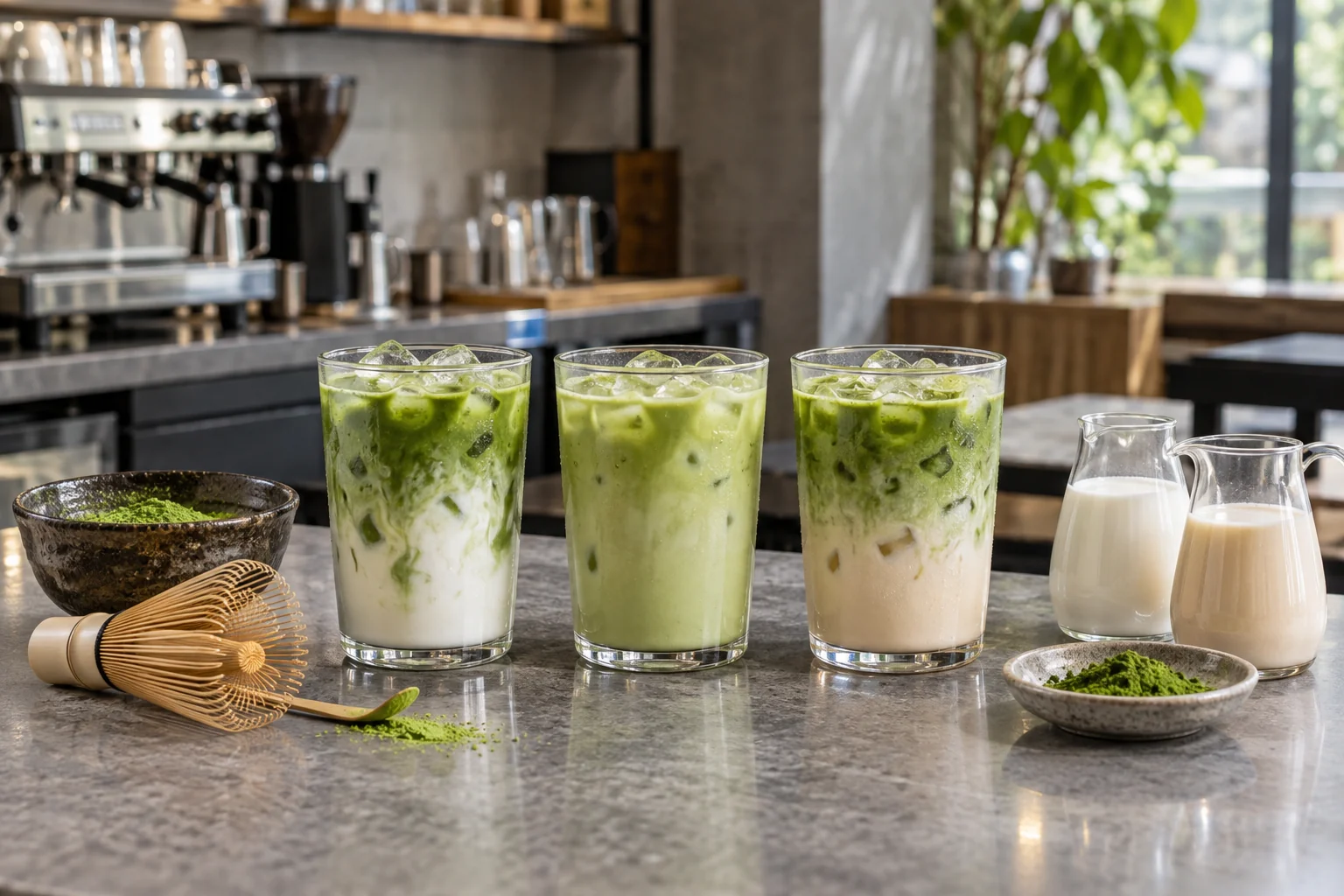
Bulk matcha for cafés should perform in your real milk, dosage, temperature, and service routine. A sample that looks vivid in a studio photo can turn muddy in a full cup or leave grit at the bottom. Baristas also need a recipe they can repeat during a busy shift.
What should the bar test cover?
Try a normal service rush: mix drinks with the tools and water temperature your staff use every day. Compare a pure powder with a formulated latte product if speed, sweetness, or cold mixing matters. The site’s latte range includes options for different sweetness and base systems, but you should judge them in your own menu.
- Test dairy and your leading plant milk.
- Check color and texture after five to ten minutes.
- Time the preparation from scoop to handoff.
How do you calculate a workable drink cost?
Set a dose that tastes good first, then calculate powder cost per cup alongside milk, labor, waste, and packaging. If the flavor fails at an affordable dose, a cheap kilogram is a poor purchase. Keep a written bar recipe and compare the approved sample with the first commercial lot.
| Check | Decision it informs |
|---|---|
| Taste at standard dose | Menu quality and price |
| Preparation time | Fit during peak service |
Key Takeaway: A repeatable cup matters more than a sample that only looks good under ideal test conditions.
4. What Must Matcha Do in Food Manufacturing?
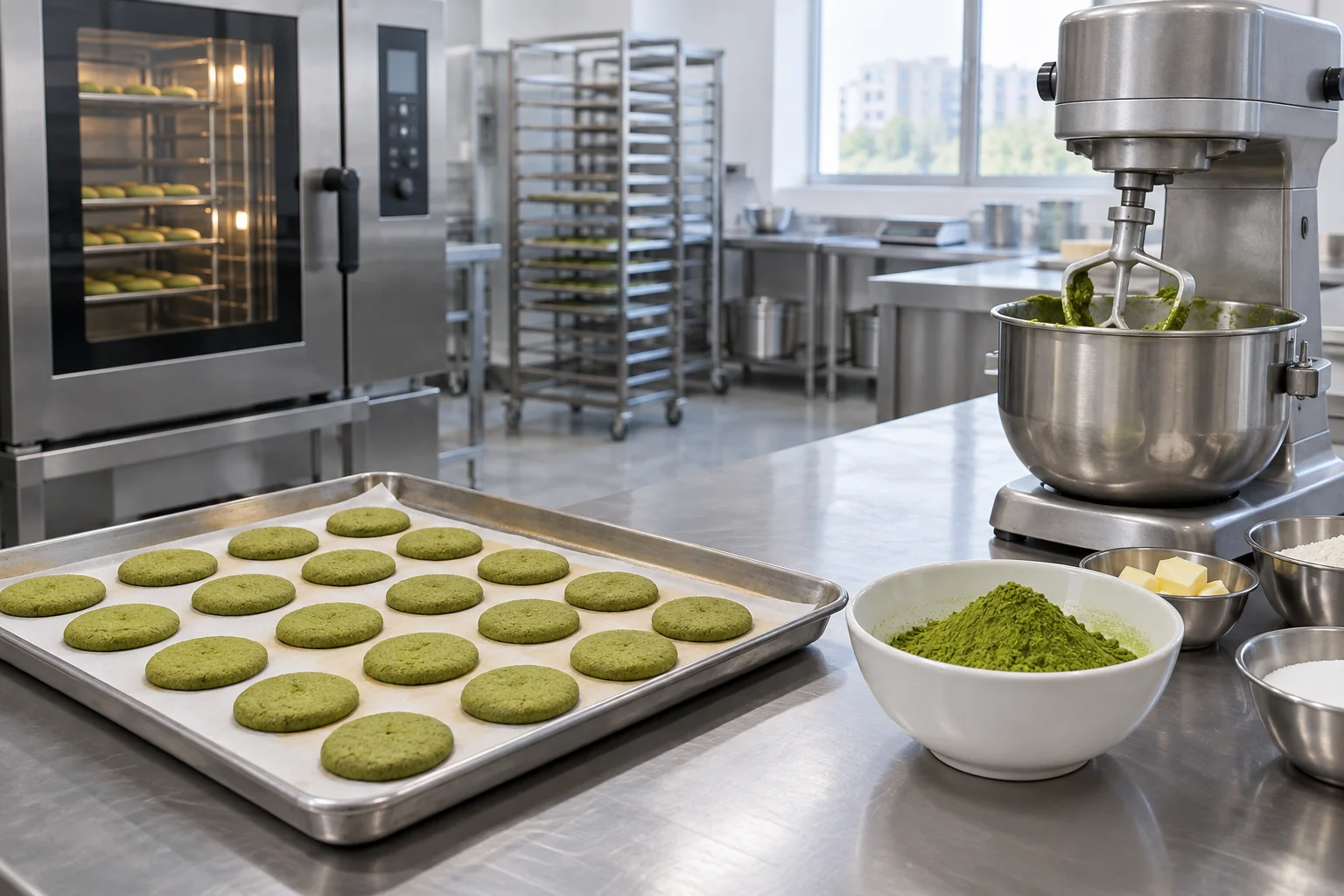
Bulk matcha for food manufacturing must keep enough flavor and color through your actual process. Heat, fat, acidity, and storage can change the finished product, so a water tasting tells you little about a biscuit, ice cream, or ready-to-drink formula. Run a pilot batch before committing to a production specification.
Which process conditions matter most?
Follow the ingredient through production: measure its behavior before processing, after processing, and at the intended shelf-life checkpoints. For a baked item, assess color and tea flavor after oven exposure; for a dairy product, watch dispersion and sediment. Compare each sample against the same recipe and processing settings.
- Record powder dose per batch and per serving.
- Check for clumps, sediment, and color change.
- Retain a control sample for later comparison.
What should a supplier confirm before scale-up?
Request the specification and test documents for the proposed lot, then agree on the sensory reference your team approved. Ask how pack size and sealing protect the powder between delivery and use. If your line needs a different flavor profile, evaluate other tea powders or a tailored blend only after defining the product goal.
| Pilot question | Evidence to keep |
|---|---|
| Does flavor survive? | Finished-product tasting notes |
| Does color hold? | Controlled photos over time |
Key Takeaway: Pilot data helps you buy for the product on shelves, rather than the powder in a sample pouch.
5. How Can Beverage Brands Develop a Matcha Formula?
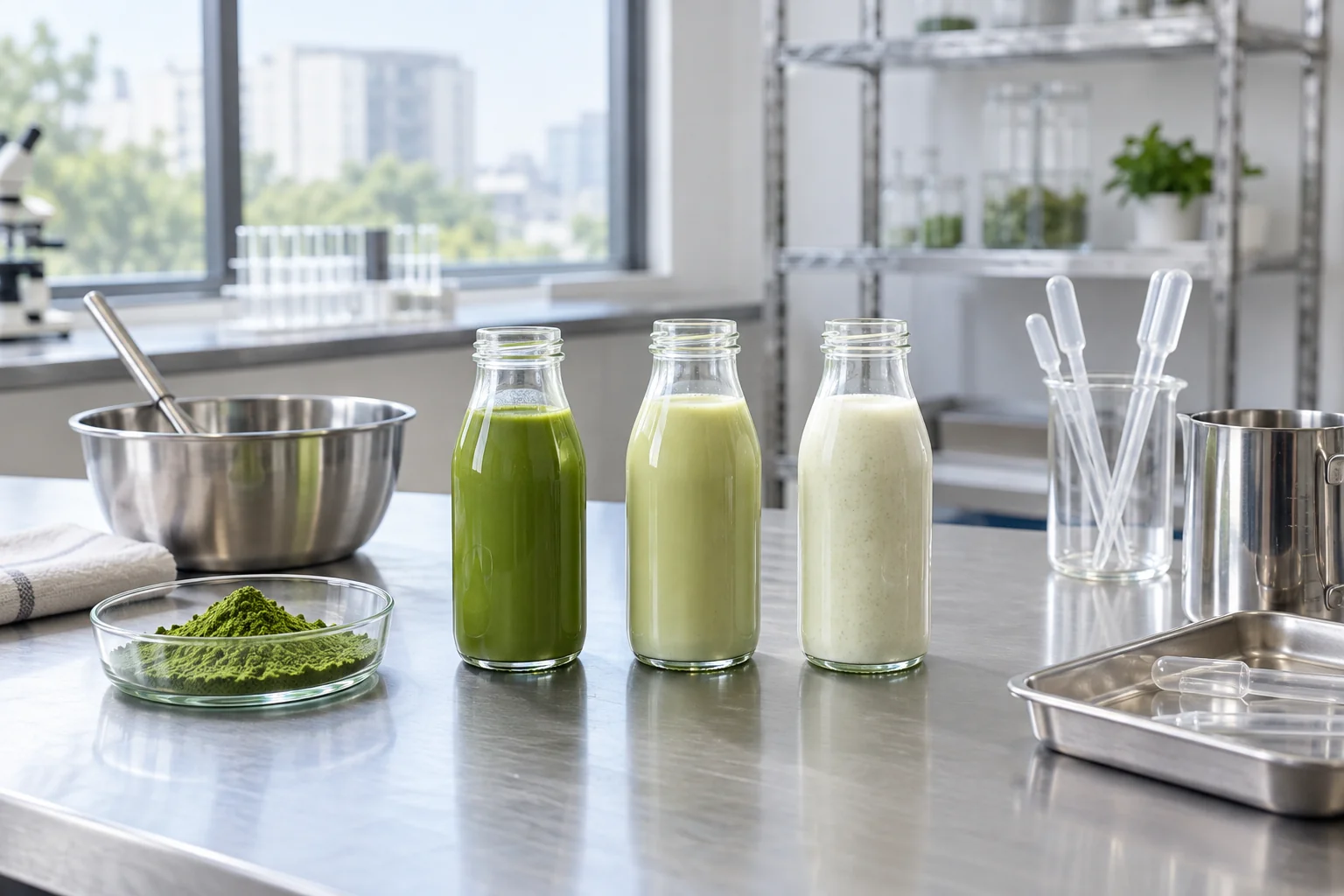
Bulk matcha works in a beverage formula when its tea intensity, sweetness, and mixing behavior match the drink you intend to sell. A café premix, bottled drink, and retail sachet can need different base systems even when the front label says matcha. Define the finished drink before choosing a blend.
Which decisions shape the formula?
Build from the cup backward: decide whether your drink is sweet or unsweetened, dairy based or plant based, served hot or cold, and prepared by a barista or consumer. Then compare powders at the planned serving dose. This makes feedback specific: “too bitter in oat milk” is more useful than “needs improvement.”
- Set a target tea flavor and sweetness range.
- Test hot and cold mixing where both matter.
- Record ingredient and labeling needs for your market.
When should you request a custom blend?
Ask for a custom formula when standard samples miss a defined sensory or operational target. Share the benchmark product, target dose, desired pack format, and any ingredients you cannot use. Approve a sample before artwork or a large order; a branded pack cannot repair a weak recipe.
| Formula choice | What it affects |
|---|---|
| Matcha concentration | Tea flavor and serving cost |
| Base and sweetness | Mixing and customer taste |
Key Takeaway: A clear beverage brief turns sample feedback into a usable formulation decision.
6. When Does Organic Bulk Matcha Make Sense?
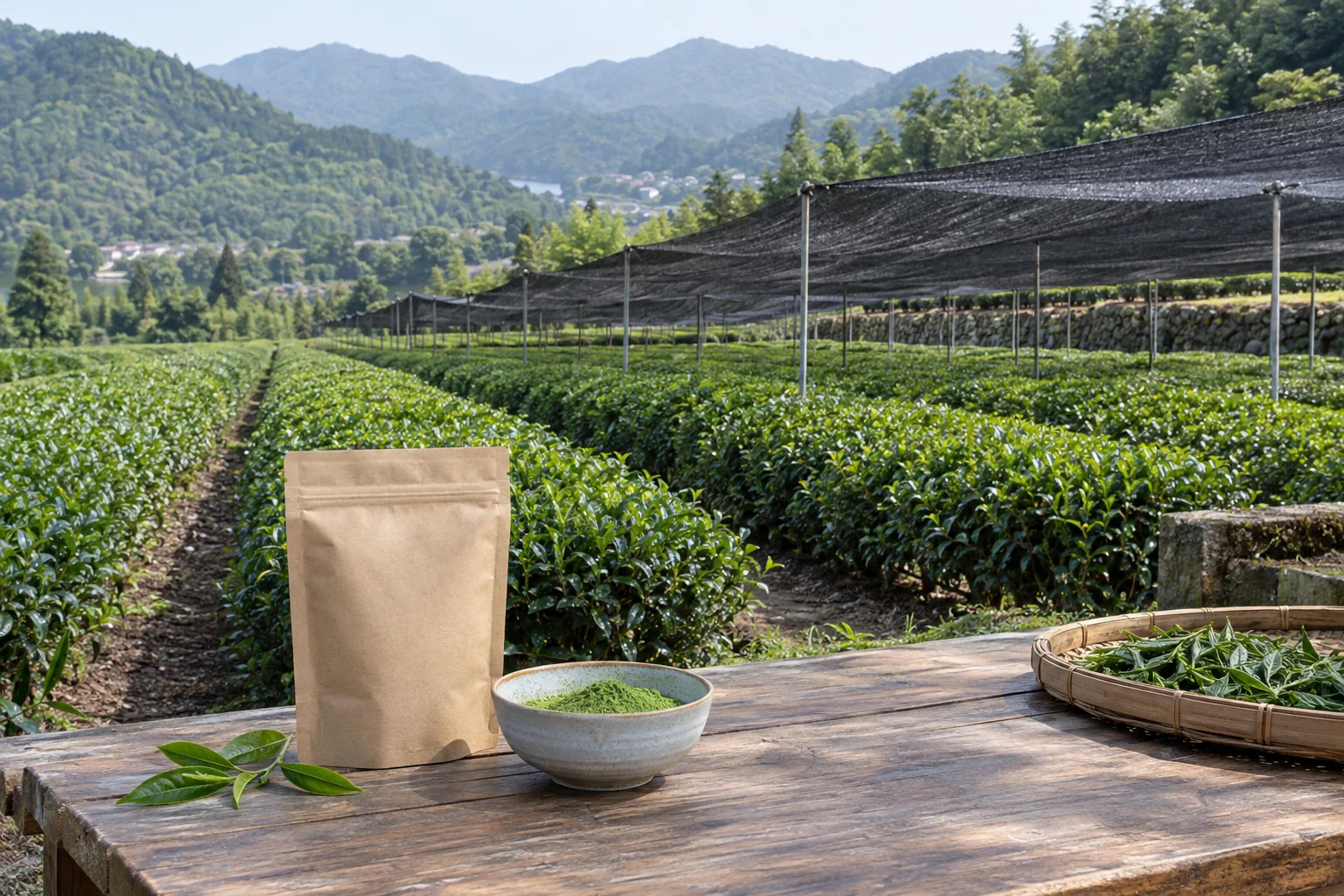
Bulk matcha should carry an organic claim only when the specific product and its paperwork meet the rules of the market where you sell it. A supplier’s general certification page cannot replace documents tied to the item you plan to import. Organic sourcing may support your brand position, but it still needs to work in your recipe and price structure.
Which documents should you inspect?
Check the exact item: request the current certificate, product scope, relevant transaction documents, and lot identification. Confirm that the certifying scheme fits your destination market and that your own label language has been reviewed by the appropriate team. If any document refers to a different product or expired period, resolve that gap before purchasing.
- Match the legal supplier name and product description.
- Check certificate dates and covered activities.
- Link each shipment to its lot records.
How do you compare organic and conventional options?
Run both options through the same sensory and cost test. Organic status does not answer whether the powder makes a good latte, cookie, or bottled drink. If your customers require organic claims, include the certification cost and approval work in your launch plan.
| Comparison | What to ask |
|---|---|
| Product fit | Does the finished recipe improve? |
| Claim readiness | Do documents cover this SKU and market? |
Key Takeaway: Treat organic status as a documented product requirement, then test its commercial fit like any other ingredient choice.
7. How Does Factory Control Protect Bulk Matcha Quality?
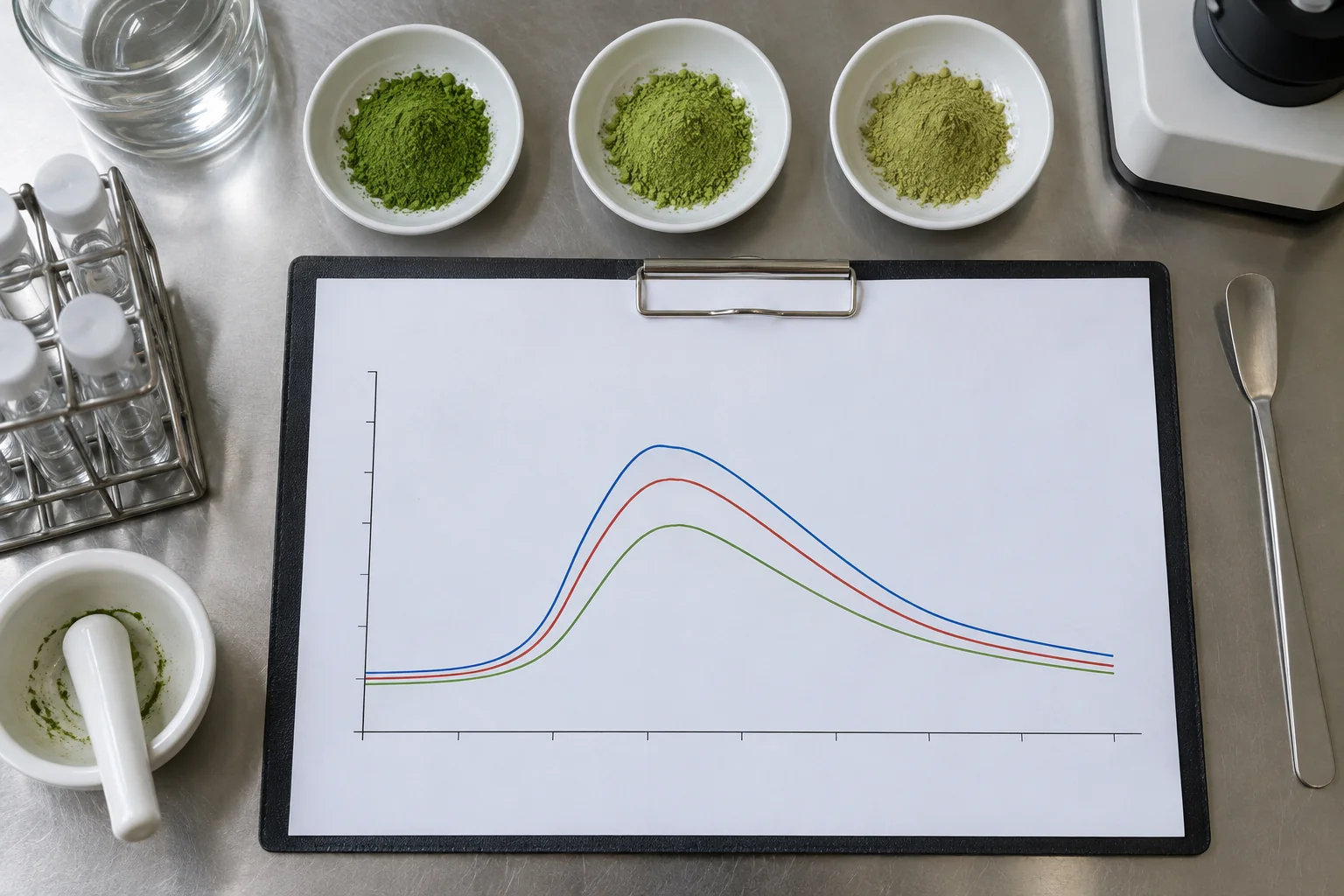
Bulk matcha stays more consistent when a factory controls raw materials, grinding, batch checks, and packing. Matcha Village lists 2,667+ hectares of tea garden resources and 500+ grinding units alongside lot traceability. For a buyer, the practical value lies in what the supplier can show for the exact lot you receive.
What should be checked from leaf to pack?
Trace one shipment backward: ask which raw material batch fed the production lot, which checks happened during processing, and how finished bags were identified. A retained reference sample can help when your next delivery looks or tastes different. The answer should be specific enough for your quality team to repeat the comparison.
- Confirm lot codes on cartons and inner packs.
- Review the applicable finished-product report.
- Keep an approved sensory reference for repeat orders.
How can you compare batches visually?
Use controlled photos or a simple color chart alongside tasting and laboratory records; a picture alone cannot prove food safety. A chart can make drift easier to spot when every sample uses the same dose, lighting, and background. Ask the supplier to explain any meaningful shift before the powder reaches production.
| Control point | Buyer evidence |
|---|---|
| Raw material | Intake and source records |
| Finished lot | Report, lot code, retained sample |
Key Takeaway: Batch records give your team a way to investigate variation before it becomes a customer complaint.
8. What Should Distributors Check Before Buying?
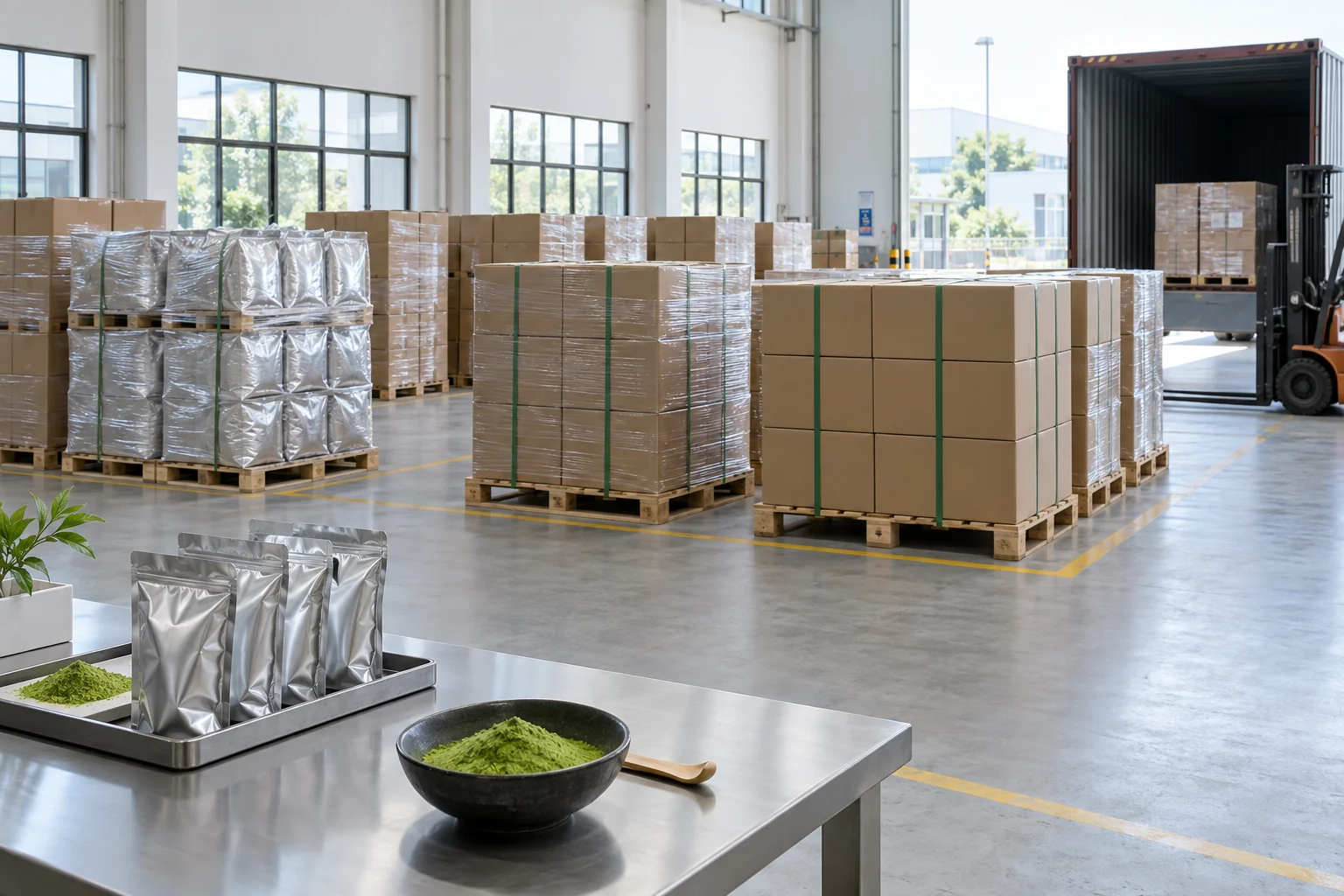
Bulk matcha for distribution needs clear specifications, protective packaging, and a replenishment plan your customers can rely on. You may serve cafés, bakeries, and brands from the same warehouse, but each account can ask for a different grade or document set. Separate those uses in your catalog instead of selling one powder as a universal answer.
How do you build a useful range?
Start with customer applications: choose a compact set of grades whose uses are easy for a sales team to explain. Keep samples and specifications aligned with each listing, then test whether pack sizes suit both storage and typical customer orders. A distributor carrying hojicha or genmaicha can treat those as distinct tea products, not interchangeable matcha substitutes.
- Map one or two products to each major customer use.
- Confirm storage, shelf-life, and pack details by SKU.
- Keep current documents available for each lot.
What makes replenishment credible?
Share a forecast, minimum stock target, destination market, and reorder window with the supplier. Matcha Village lists more than 8,000 metric tons of annual production capacity, while timing for your SKU still depends on an agreed production slot and transit route. Ask what information the supplier needs to reserve capacity and prepare export documents.
| Planning input | Business use |
|---|---|
| Forecast by SKU | Reorder timing and stock cover |
| Destination market | Paperwork and shipping plan |
Key Takeaway: A focused range and documented reorder plan help you protect service levels without filling the warehouse with mismatched stock.
9. How Can You Start a Bulk Matcha Order?
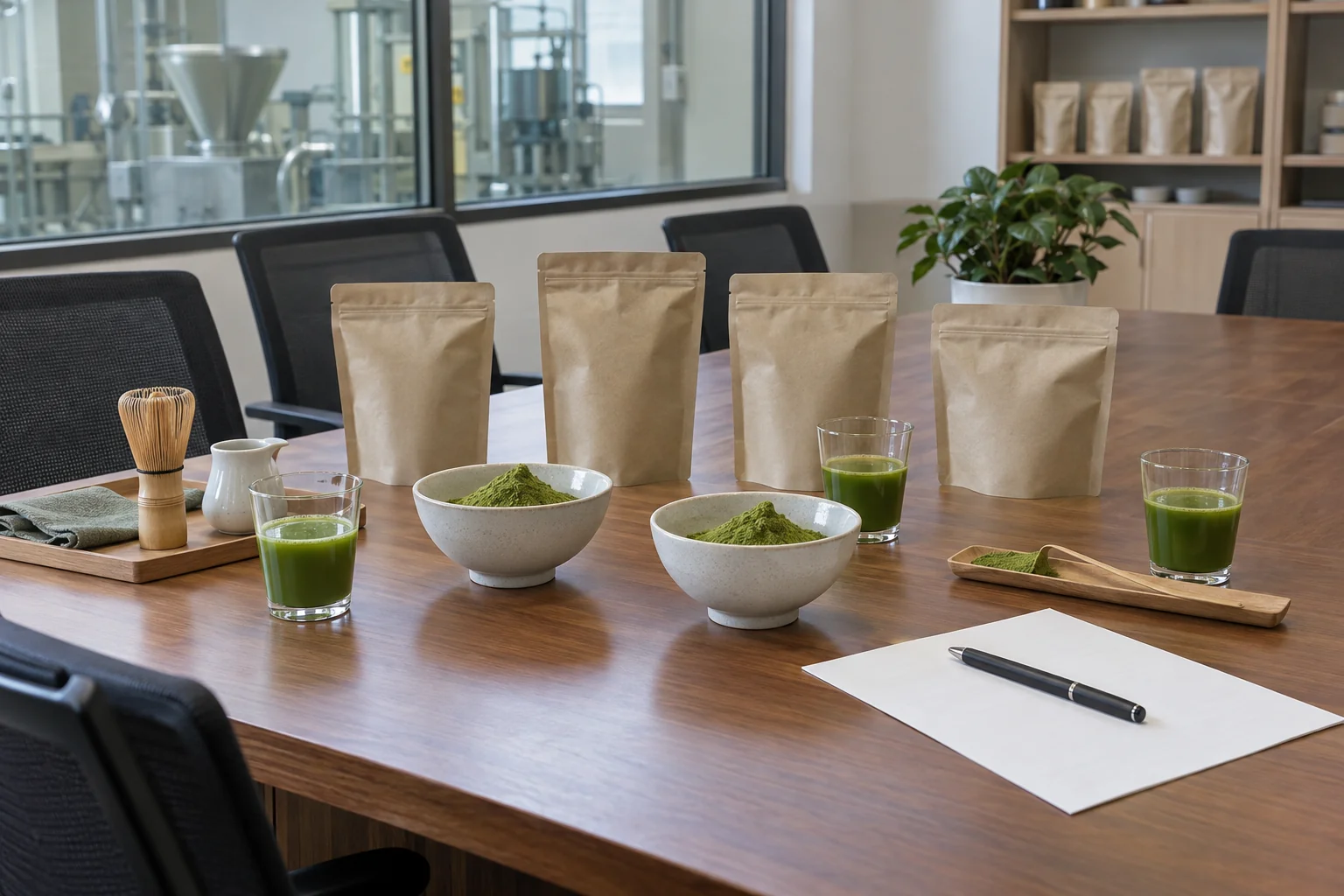
Bulk matcha ordering starts with a product brief, relevant samples, and a specification approved against your own use case. Matcha Village can support bulk ingredients, custom formulas, and private label packs, so tell the team which model you need. The same conversation should cover quality documents, forecast volume, packaging, and destination market.
What should you test before signing off?
Make the trial realistic: use your production tools or café recipe, record the sample lot, and ask more than one person to assess the result. If the test fails, describe the precise problem before requesting another sample. The sample service is the place to begin comparing grades against your product.
- Approve taste, color, and mixing at the target dose.
- Review documents for the intended SKU and market.
- Agree on pack format and reorder expectations.
What should your first inquiry contain?
Send your business type, application, target grade or benchmark, expected volume, packaging, certification needs, and delivery country. That information helps the supplier recommend a practical starting sample rather than a generic price list. You can then compare the sample, specification, and commercial terms on the same page.
| Your question | What you should receive |
|---|---|
| Which powder fits? | A sample and application rationale |
| Can supply repeat? | A documented order and delivery plan |
Key Takeaway: You now have a way to choose a grade, test it, check its paperwork, and plan repeat supply. We believe matcha should earn its place in your product through a dependable cup, batch, and delivery. Contact us today with your product brief so we can recommend samples, discuss customization, and map the next order.
10. What Do Buyers Ask Before Ordering Bulk Matcha?
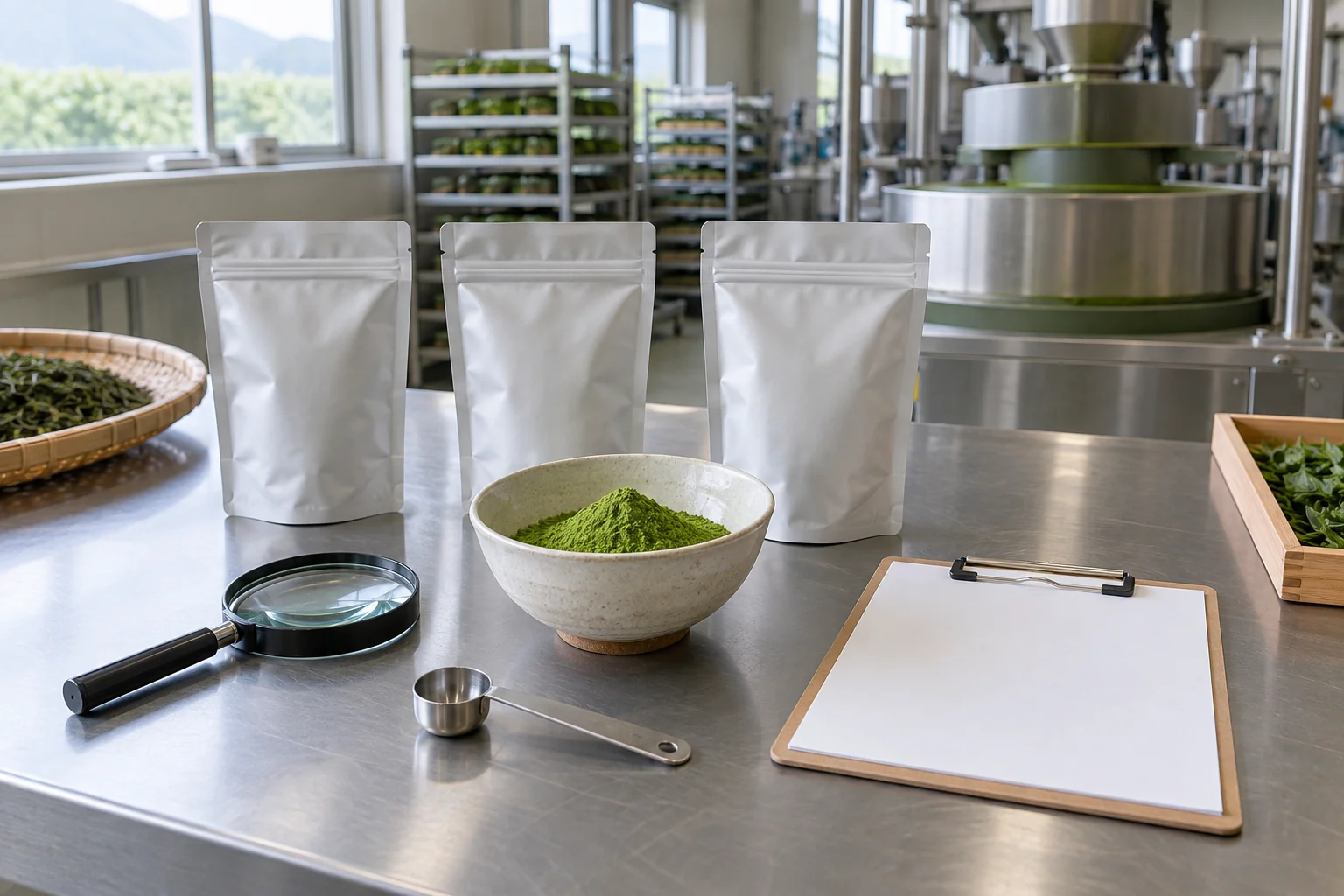
Bulk matcha buyers usually need clear answers on samples, grade choice, and repeat supply before they commit. The right answer depends on the selected product, pack format, and destination. These three questions are a practical final check.
Can I test samples before a commercial order?
Yes. For a useful trial: ask for samples tied to the grades you may buy, then prepare them at your planned dose and under normal operating conditions. Keep the sample code and your tasting notes so you can compare the approved product with a later lot.
- Test the finished recipe, not powder in water alone.
- Record the dose, preparation, and decision maker.
What’s the best matcha grade for my business?
The best grade is the one that meets your finished-product target and budget. A café serving straight tea may choose differently from a bakery or bottled drink producer. Compare samples in your real product before relying on grade names.
How do I know if a supplier can support repeat orders?
A supplier can support repeat orders if it can discuss capacity, a realistic forecast, lot traceability, and the documents needed for your market. Ask how a trial order would become a regular schedule and which details must be fixed in the specification.
Key Takeaway: A credible supply plan is specific to your SKU, volume, and delivery route.