
A low-priced matcha starter kit can be useful, or it can shift costs to the first customer who needs a better bowl, fresh powder or a replacement whisk. Retail buyers and café operators face the same question at different scales: which pieces deserve the budget and which can wait? This guide walks through ten tradeoffs, from the first-cup recipe to landed cost and reorder planning. A matcha starter kit budget needs to account for replacements and usable tea, not just the price printed on the box.
It treats the under-$50 starter-kit discussion at The Kissa Club as a consumer reference, while showing how a business can build a kit price around tested use rather than an arbitrary count of accessories. Prices in any buyer’s plan should come from current supplier quotes. Our matcha scoop size guide helps estimate whether an included scoop will be useful day to day.
Contents
- 1. What is the starter kit meant to make?
- 2. Which tools deserve first claim on the budget?
- 3. Where can a bowl save money without spoiling use?
- 4. Is a cheap whisk a false economy?
- 5. Should powder be included in the base price?
- 6. Which extras can wait until later?
- 7. How should packing and freight enter the budget?
- 8. What does a realistic tier plan look like?
- 9. How can a pilot expose hidden costs?
- 10. What should be locked before a repeat order?
1. What is the starter kit meant to make?
Price a preparation task, not a photo
Define the first drink before comparing product lists. A customer making a plain whisked bowl needs a vessel that allows the whisk to move, a way to portion powder and suitable tea. A person making iced lattes may use the kit to make a concentrated matcha mixture before adding milk and ice. A café training kit needs repeatability and spare tools. These uses overlap, but they do not justify exactly the same extras. Write the target user, recipe, channel and quantity on one page so purchasing can reject options that look complete while failing the actual task.
Make the advertised drink with a sample from each proposed price point. Note spills, clumps, awkward grip, difficult cleaning and any household item the user must provide. If a kit assumes a kitchen scale, say so. If a scoop is offered as a dose measure, check its practical variation with the chosen powder before printing a recipe. The first-cup trial prevents savings on one component from creating a poor experience throughout the set. The useful unit is a working cup.

2. Which tools deserve first claim on the budget?
Fund the core preparation path
Begin with a bowl, whisk and method for measuring or transferring powder. Add tea when the selling promise is “ready for the first cup.” These choices affect every use, so a small saving on an unsuitable core item usually costs more in complaints or unused inventory than it saves at purchase. For a retail gift, include an instruction card that somebody outside the product team can follow. For café use, invest in a weighed recipe and staff guidance. The card and training are modest costs compared with an attractive set that nobody can operate confidently.
Separate essentials from accessories during quoting. A sifter may make sense if the selected powder clumps in the chosen workflow. A whisk holder may help with drying and storage. Neither should automatically displace budget from a serviceable whisk or protective box. Keep a one-cup test and a cleaning test next to the cost sheet. If an item does not solve a tested problem or support the recipient’s experience, it can wait for an upgraded tier.
| Spending priority | Functional question | Possible budget action |
|---|---|---|
| Bowl | Does the whisk move freely? | Keep a tested shape |
| Whisk | Are tines sound and replaceable? | Avoid untested substitutions |
| Tea | Does it fit the stated drink? | Sample before ordering |
| Card | Can a novice make one cup? | Revise after user trial |
| Extras | Do they solve a real problem? | Move to optional tier |
3. Where can a bowl save money without spoiling use?
Inspect shape before decoration
Ceramic finish and decoration can push a kit’s price upward. A starter bowl needs a stable base, a usable interior curve, enough whisk clearance and a surface that can be cleaned as instructed. Test those attributes first. A plain bowl that handles well can be a better entry choice than a detailed one that leaves too little space for the whisk. Check the rim and foot for chips or rough areas on a commercial sample, not only a handpicked display piece. Request dimensions and tolerances that make replacement bowls work with the approved whisk.
For a business order, compare the cost of a simpler finish against the time and damage involved in shipping it. A cheaper bowl with a higher breakage rate may raise delivered cost. If the kit will be sold online, pack finished units and send them through the actual route before approving a thinner insert or a heavier ceramic choice. If branding is needed, a sleeve or card may express it more economically than custom glazing at pilot volume. Budget discipline means protecting use while questioning decorative spend.
4. Is a cheap whisk a false economy?
Consider wear and replacement access
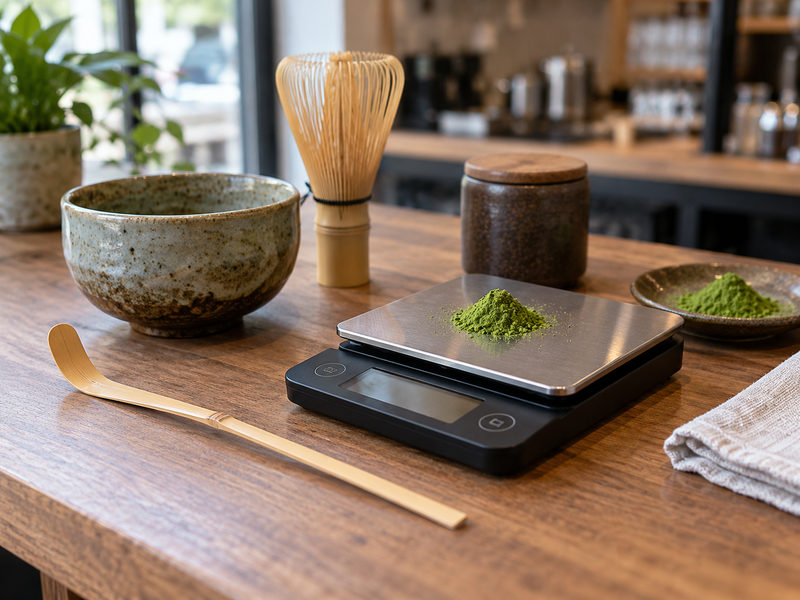
A whisk is a working part. Inspect the sample’s tines for splits, bent tips and rough binding; use it in the supplied bowl and follow the proposed care directions. A low quote loses its appeal if the whisk arrives damaged or has no compatible replacement path. Ask a supplier whether replacement units have a separate item code, what the minimum reorder is and whether the specification is stable. For a café, keep a small reserve and track how the whisk behaves under normal cleaning and repeated use.
Price the lifecycle rather than the opening box. If a customer who damages a whisk must buy an entire new set, the retailer may face a return or goodwill replacement. Separate spares can improve service without making the original kit expensive. Yet do not assume the most ornate whisk is automatically better. The right one fits the chosen bowl, survives the planned route and helps users prepare the promised drink. Test actual samples and write the result into purchasing specifications.
5. Should powder be included in the base price?
Balance first-use value with inventory
Powder gives a beginner an immediate reason to open the box. It also brings a separate replenishment clock, food labeling and storage requirements. A tool-only entry kit can be sensible for customers who already have tea, but the box should say that clearly. If a starter kit includes tea, choose the pack size and grade for the drink printed on its card. Test the sample tea with the actual bowl and whisk. Ask for lot identification and destination-market documentation before promising particular origin, certification or nutrition claims.
For a retailer, consider how long kits may sit before sale. Accessory inventory can often wait longer than a tea promotion, so a separate tea insert or late-stage assembly may protect freshness in some programs. A café may already source bulk matcha and have no need for a retail-sized pouch in its training kit. Matcha Village offers matcha ingredients and OEM pack formats for these channels, but a buyer should compare options using the exact application, labeling plan and forecast volume.
| Configuration | First-use advantage | Budget consequence |
|---|---|---|
| Tools only | Simple accessory stock | Customer buys tea separately |
| Tools plus tea | Ready first cup | Manage food lot and dating |
| Small sample pouch | Lower tea allocation | Limited practice cups |
| Refill-sized pouch | Ongoing use | Higher inventory exposure |
6. Which extras can wait until later?
Add accessories only after testing
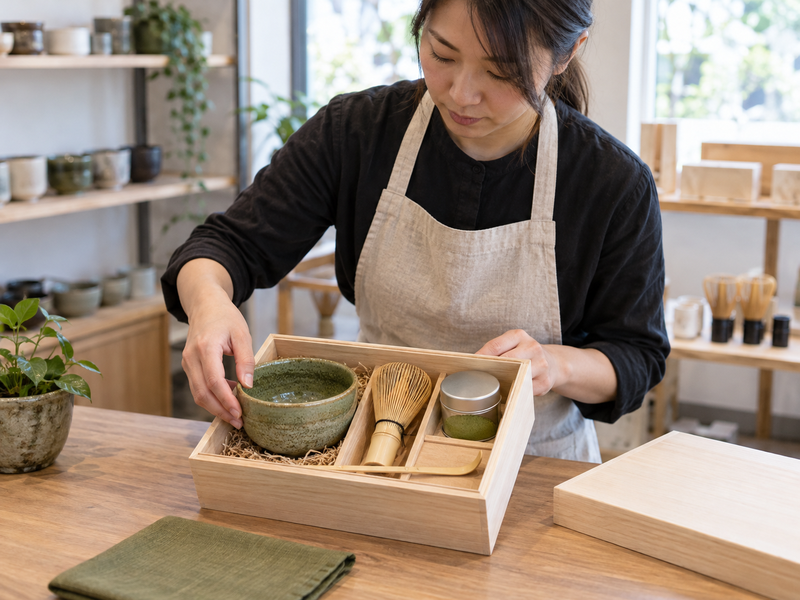
Sifters, whisk holders, trays and travel sleeves can be useful. Their value depends on the powder, preparation routine and user. Test a sifter with the selected tea; if it materially reduces lumps without making cleanup frustrating, it may earn space in a higher tier. Test whether a whisk holder actually fits the supplied whisk and whether the box gives users room to store it. A tray can help a premium gift presentation, but it may increase parcel size and breakage exposure. Treat each addition as a documented choice.
Offer a clear base set before expanding. One practical approach is to keep the bowl-whisk-tea path intact and let customers choose an upgraded storage or serving option later. For wholesale buyers, count the extra part’s assembly time, packaging cavity, inspection step and replacement stock. A small item may appear inexpensive in isolation while adding several costs to every packed unit. Ask what complaint or request it solves. If nobody can name a specific use, it does not belong in a budget starter kit.
7. How should packing and freight enter the budget?
Calculate delivered cost per sellable set
Packaging is not decorative overhead when a kit contains ceramic and bamboo. A protective insert, sound carton and sensible packing quantity prevent damage that would make the lowest quote costly. Build a cost sheet using components, assembly, inner and outer packaging, freight, applicable taxes or duties, inspection and a measured damage allowance. Use destination-specific quotes and one allocation method across competing options. Do not compare a supplier’s ex-works kit price with another supplier’s delivered assembled price.
Run a route trial with filled production-like boxes. Record chips, bent whisks, damaged tea seals and shifted items by component and carton position. A sturdier insert may pay for itself; an oversized rigid box may increase freight without much protection. The route evidence tells you which. For online retail, account for individual parcels and returns. For store distribution, consider case packing and staff handling. Budget should reflect the route the customer will actually experience.
| Cost line | Source of evidence | Decision it informs |
|---|---|---|
| Component quote | Approved specification | Comparable unit cost |
| Packing | Assembled sample | Material and labor |
| Freight | Actual carton and route | Landed cost |
| Damage | Pilot inspection | Sellable-unit cost |
| Replacements | Vendor terms | Service reserve |
8. What does a realistic tier plan look like?
Give each tier a distinct reason to exist
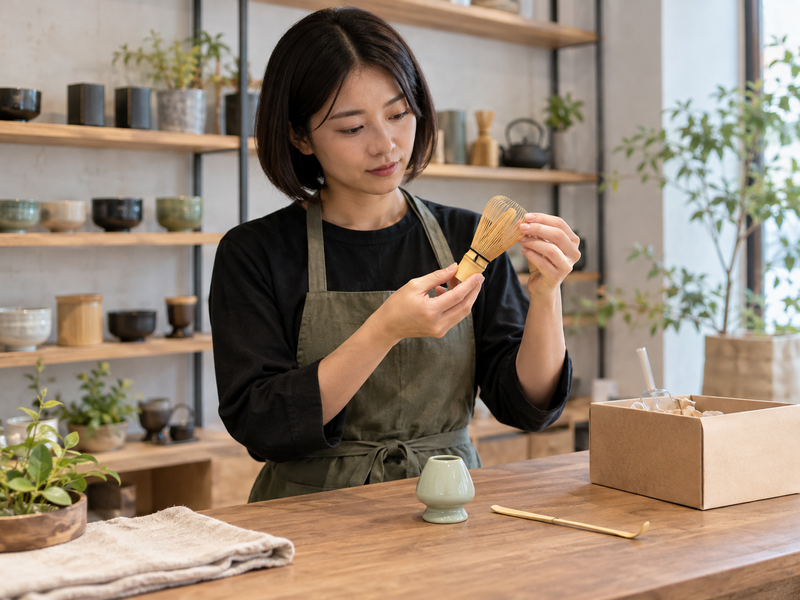
An entry set should work, not feel deliberately incomplete. A middle tier might include tea and a tested recipe for gifting. A higher tier could offer a different specified bowl, larger tea pack or a holder whose value was shown in use. Write a one-sentence benefit for each tier and compare its bill of materials. If the only difference is several low-value accessories, the range may confuse customers and burden inventory. Use actual costs and desired channel margins when assigning prices; a generic “good, better, best” percentage does not replace a budget model.
Test first-cup success at every tier. If the lower tier performs poorly, the retailer is effectively asking customers to pay more for basic functionality. If the higher tier adds tea, check that its shelf life matches the campaign. Keep shared components identical where possible so replacement parts and instructions remain simple. When a tier changes the recipe or bowl geometry, validate those changes separately. A range is easier to explain when each product solves a real buying situation.
| Tier | Core promise | Added cost to examine |
|---|---|---|
| Entry | Reliable preparation tools | Bowl-whisk quality |
| Gift | First cup ready | Tea, card and dating |
| Extended | Easier care or serving | Extra part and packing |
9. How can a pilot expose hidden costs?
Let users and shipping reveal the weak point
Build a small sample run using final components, artwork and packaging. Ask unfamiliar users to prepare the stated drink without coaching. Observe spills, difficult measurements, unclear care steps and components they never use. Send packed samples through the planned route and inspect arrival condition. Have operations record assembly time and exceptions. These observations may show that a modest change in bowl shape or card wording saves more than a negotiated discount on an irrelevant extra.
Compare several samples rather than judging one flawless prototype. Write down defect types and their frequency in the pilot, then decide whether a design change is needed. For a café, test the kit during normal service and cleaning. For a retailer, let staff unpack and explain it. Keep a sample of the version that passed, not just a supplier photo. This gives buyers a concrete reference when a reorder arrives and a way to tell whether a cheaper substitution changed the product customers expect.

10. What should be locked before a repeat order?
Control cost without changing the cup
Record the approved component codes, bowl and whisk dimensions, tea specification, pack layout, instruction card, artwork revision and price assumptions. Require notice before substitutions. A vendor can lower cost by changing a ceramic finish or whisk supplier, but the buyer should retest the complete set if the change affects handling. Check tea lot, date and label at each packed run. For a multi-supplier kit, assign one person responsibility for final assembly and release. Otherwise each vendor may deliver an acceptable component that does not work with the others.
Review real costs after the first selling period. Include damage, returns, spare-part requests and unsold tea-included stock. The result may justify a simpler set, better insert or smaller tea pack. Ask customers what they used repeatedly and what stayed in the box. A durable starter-kit budget is not the lowest opening quote. It is the least expensive configuration that keeps the promised preparation dependable and supports a sensible reorder.
| Reorder record | Purpose |
|---|---|
| Master sample | Preserve tool fit |
| Bill of materials | Track substitutions |
| Tea lot | Trace packed powder |
| Damage log | Guide protection changes |
FAQ
Q1. What is the minimum useful starter kit? A bowl, suitable whisk and way to portion tea, plus powder if the kit promises a ready first cup.
Q2. Is a sifter necessary? Only if tests with the chosen powder and workflow show that it helps.
Q3. Can a low-cost bowl still work well? Yes, if its stability, interior shape, finish and shipping protection pass sample tests.
Q4. Should a retailer include a refill pack? Consider inventory age and whether customers can replenish tea easily.
Q5. Which cost is most often missed? Assembly, freight, damage and replacement handling can all be omitted from a simple unit quote.
Spend first on the parts that determine a good cup, then price the packed and delivered set. A short user trial and route test will show where savings are safe and where they undermine the promise. Bring that evidence to suppliers before approving a larger purchase.