
A matcha set mixes materials that do not all tolerate the same washing or storage routine. The bowl may be ceramic, the whisk and scoop bamboo, and the sifter metal. Put everything wet back into a closed gift box and even a well-made set can become unpleasant to use. Good matcha set care starts with the maker’s instructions for each part, then adds a simple sequence that fits your kitchen or café. The Japanese Table’s tool-care article covers the basic pieces. This guide extends that advice into inspection, drying, food-pack separation, staff training, and replacement planning so the set remains useful beyond opening day.
Contents The matcha whisk holder guide explains how to keep a bamboo whisk supported while it dries.
- 1. What should you check before washing?
- 2. How should a bamboo whisk be rinsed?
- 3. How should the whisk dry and rest?
- 4. What care does a ceramic matcha bowl need?
- 5. How do you clean a bamboo scoop?
- 6. What should you do with a fine sifter?
- 7. How should matcha powder be stored nearby?
- 8. Which signs mean a tool should be replaced?
- 9. How can a café train staff consistently?
- 10. What should a supplier include in a care card?
1. What should you check before washing?
Read each component’s own guidance
Open the box and sort the pieces by material. The supplier or maker should provide appropriate washing, drying, and storage advice for the exact whisk, bowl, scoop, sifter, holder, and powered tool, if any. Do not assume that because a ceramic bowl can tolerate one wash method, a bamboo whisk can follow it. Check for a care label inside the package and a matching version online; conflicting instructions are a reason to ask for clarification before launch.
Before each wash, look for cracks, loose mesh, chipped glaze, bent whisk tines, or trapped powder. Remove dry powder from a container or scoop carefully so it does not become a paste in a hard-to-clean joint. In a café, align the item-specific guidance with the site’s food-safety procedures rather than using a gift-set card as a complete sanitation program.
| Component | Read before cleaning | Check visually |
|---|---|---|
| Bamboo whisk | Rinse and drying method | Tines and handle |
| Ceramic bowl | Maker’s wash and temperature advice | Rim and glaze |
| Bamboo scoop | Moisture and washing guidance | Surface and tip |
| Metal sifter | Wash and dry directions | Mesh and seam |
2. How should a bamboo whisk be rinsed?
Use a gentle method suited to the maker’s instructions
Rinse a chasen soon after use so matcha does not dry between its tines. Handle the whisk by its stem and avoid pressing the delicate tips against a hard sink or scouring them with an abrasive tool. Follow the maker’s stated water and cleaning method; avoid a blanket promise that every bamboo whisk should be soaked, machine washed, or treated with a particular cleaner. Turn it slowly while rinsing so the inner tines get attention, then inspect for remaining green powder.
If a tine has split or detached, stop using the tool and check the replacement guidance. For a café, keep a clean spare available during busy service rather than trying to rush a damaged whisk back onto the bar. Staff should know where the whisk goes after rinsing, not merely how to remove the visible tea.
3. How should the whisk dry and rest?
Give bamboo air and avoid pressure
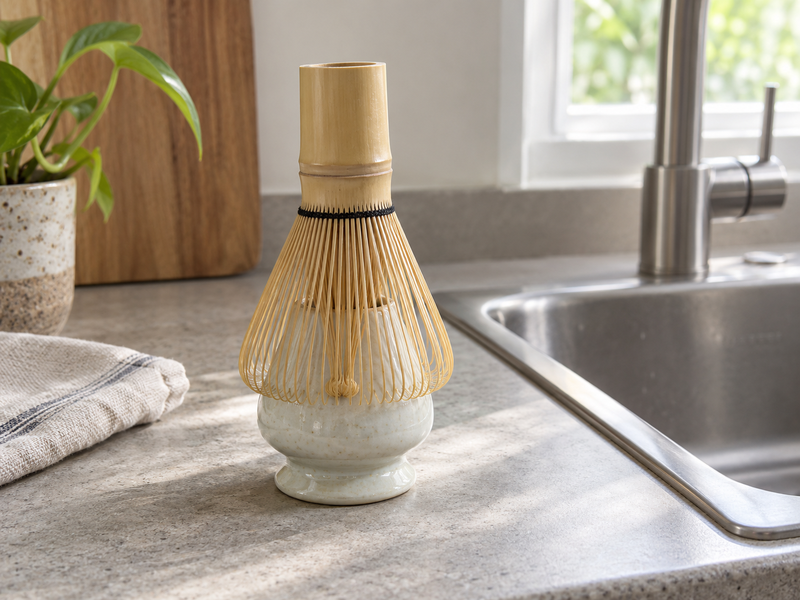
A damp whisk should not be pressed back into a tight shipping sleeve or shut next to tea powder. Follow its maker’s drying guidance and give it a clean, airy place where tines cannot be crushed. A correctly fitting whisk holder can help preserve shape, but check that the holder is stable and suited to the supplied whisk. If there is no holder, use the storage arrangement the maker recommends rather than balancing the whisk precariously on its tips.
On a shared counter, place the drying tool where staff will not knock it while reaching for cups. For travel, allow time to dry before closing a protective case; packing a wet whisk to save a few minutes creates a longer-term care problem. The after-use routine should be printed in the kit, since users may otherwise assume the original gift box is intended for damp storage.
| Storage choice | Benefit | Caution |
|---|---|---|
| Fitted whisk holder | Supports a consistent rest position | Check fit and stability |
| Open, clean drying area | Allows airflow | Keep away from knocks |
| Travel case | Protects against compression | Close only as maker directs after drying |
| Original closed box | Convenient after full drying | Keep wet tools away from food pack |
4. What care does a ceramic matcha bowl need?
Inspect the actual finish and construction
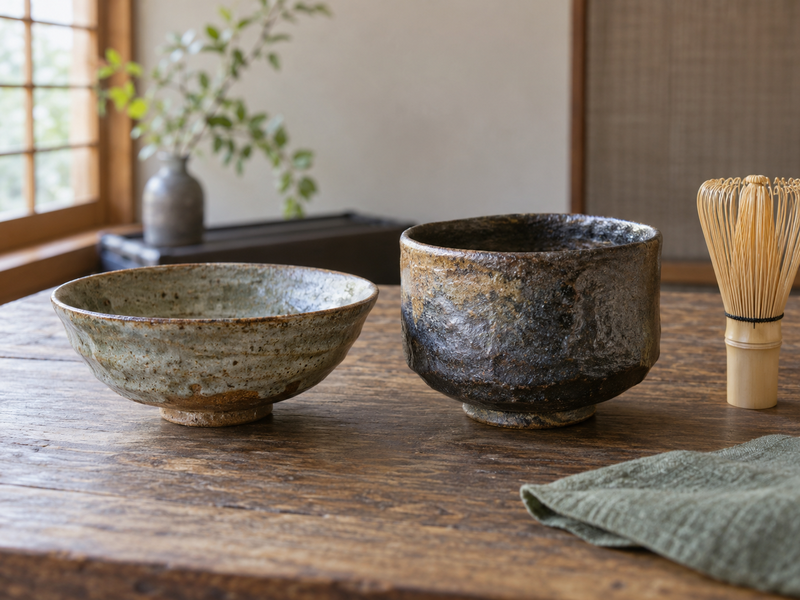
Wash the bowl as its maker directs. A plain commercial ceramic bowl, a hand-finished piece, and a decorated gift bowl may carry different restrictions. Do not infer dishwasher, microwave, or rapid temperature-change suitability from appearance. Check the rim, foot, and interior after each wash; chips or cracks can affect safe handling and make cleaning harder. Fine powder can settle into deep textures or around a foot ring, so inspect those spots before drying.
If a café uses the bowl repeatedly, include it in the site’s scheduled condition checks and remove damaged pieces under its own food-contact policy. For retailers, test the printed care directions with a production sample. The customer should understand whether to wash before initial use, how to dry it, and where to store it without stacking a heavy item on top.
5. How do you clean a bamboo scoop?
Keep handling and storage simple
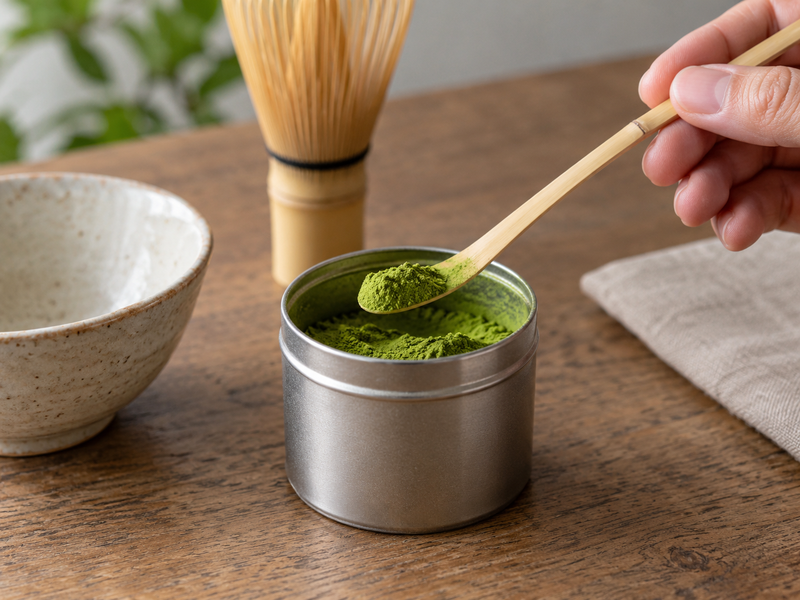
A chashaku is often used to transfer dry powder, which is one reason users may overlook its care. Read the maker’s specific directions rather than assuming it should soak with the bowl. Remove visible tea after use and inspect the tip and curve for cracks or roughness. If the scoop comes into contact with water during preparation, follow the maker’s cleaning and drying guidance before returning it near food. Store it where it will not bend under a heavy tin or bowl.
A scoop that fits beautifully into a box might not fit through the opening of the tea refill pack, so check that pairing after reorders. In a café, standardize the recipe by weight; the bamboo scoop should not be treated as a precise dose. Keeping the scoop clean and intact supports tidy transfer, while the scale supports consistent service.
| Scoop issue | Visible sign | Next action |
|---|---|---|
| Powder buildup | Green residue in curve | Clean as maker directs |
| Moisture | Damp surface before storage | Dry fully per care note |
| Damage | Splinter or cracked tip | Remove and replace |
| Poor refill fit | Spills at pack opening | Review pack and tool pairing |
6. What should you do with a fine sifter?
Pay attention to mesh and joints
A sifter can collect fine matcha in the mesh, rim, and handle joint. Follow the maker’s wash method and check for remaining powder under good light. Dry it thoroughly before placing it above an open tea container. Inspect whether wires are loose or the edge has become sharp. If a cleaning brush is supplied, test that it does not damage the mesh.
In a café, the sifter’s cleaning time belongs in the service workflow; a tool that improves texture but takes too long to turn around may need a spare or a different design. At home, keep the mesh away from heavy objects in a drawer. A bent sifter may still look usable while making powder clump at one damaged spot. Replace it when the mesh or joint can no longer be cleaned or used reliably.
7. How should matcha powder be stored nearby?
Keep food separate from wet tools
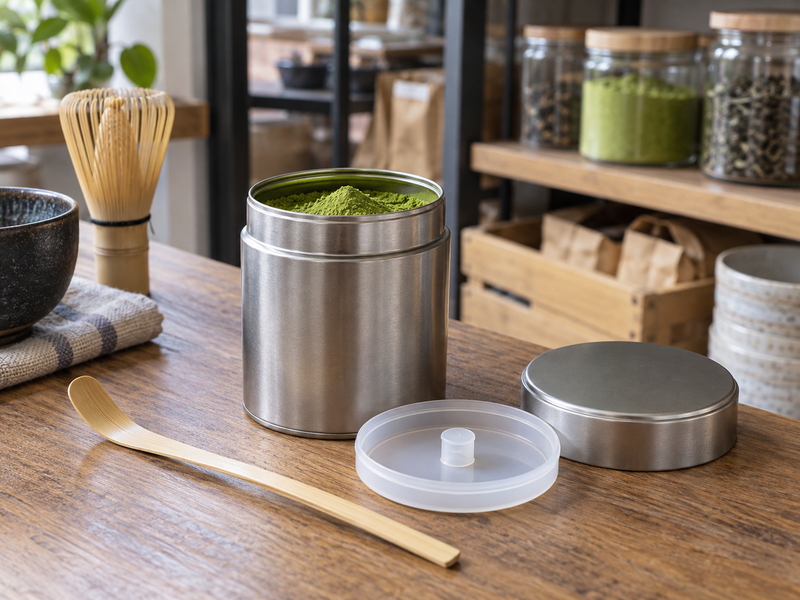
Follow the tea pack’s storage and after-opening directions. The powder should stay in its intended food packaging or another suitable arrangement supported by the supplier’s guidance, away from moisture, light, and heat as specified on the label. Do not leave a tea pouch open beside a drying whisk or rinse water. If a gift set contains a decorative tin, check whether matcha is sealed inside a separate pouch and which container actually protects it after opening.
Keep lot and shelf-life information available; transferring powder into an unmarked display tin can make traceability harder. For a café, record when a pack is opened under its own stock procedure and make sure refill containers are cleaned and labeled appropriately. Good set care includes the food component, not just the visible ceramic and bamboo pieces.
| Storage question | Check |
|---|---|
| Is the pouch closed after use? | Test its real closure |
| Are wet tools nearby? | Separate drying area from tea |
| Is lot identity retained? | Keep original pack information |
| Does a tin add protection? | Verify function, not appearance |
8. Which signs mean a tool should be replaced?
Decide before a damaged item reaches the cup
Replace or remove a component when damage compromises its use or the maker’s safety guidance. For a whisk, look for broken or loose tines and deformation that prevents proper mixing. For a bowl, inspect chips and cracks, particularly along surfaces that touch tea or lips. For a scoop, watch for splinters; for a sifter, check loose mesh and sharp edges. A powered frother needs its own manufacturer-specific inspection. Avoid publishing a universal number of cups before replacement: actual wear depends on design, use, washing, and handling.
Keep spare parts or a clear customer-service route. A café should log repeated damage by lot or station; that pattern may point to poor packing, training, or a weak component. A retail brand should explain replacement availability so a single worn whisk does not turn the whole kit into waste.
9. How can a café train staff consistently?
Put care beside the drink recipe
Staff need a short card that covers preparation, cleaning, drying, inspection, and storage in the order those tasks occur. Show the actual approved bowl and whisk, not a generic image from a supplier catalog. Tell staff where tools rest between drinks and who checks them at opening or closing. Align the card with the site’s existing hygiene program and local requirements; an article cannot set those rules for every market. A quick observation during training reveals whether the routine works in a busy bar.
If rinsing sends tea across nearby dry powder, rearrange the station. If the whisk has no safe drying place, add one. Track replacements and breakage so purchasing can see whether a supplier change or packaging defect caused the problem. Consistency comes from a workable station and clear responsibility, not a longer instruction sheet.
| Training moment | Staff action | Supervisor check |
|---|---|---|
| Before service | Inspect clean tools | Damage and readiness |
| After each drink | Clean per approved routine | No visible residue |
| Drying | Use assigned location | Wet tools separate from tea |
| Closing | Store and note replacements | Complete handover |
10. What should a supplier include in a care card?
Make the card usable with the exact set
Name each component, material, and maker-specific cleaning or storage instruction. State what users should do before initial use, after each cup, and before long-term storage. Explain which items should remain dry and where to find replacement parts. Use plain language and tested photos that show the supplied product, not a different whisk shape or bowl. If a set has tea, keep the food pack’s storage directions and lot information visible. For export markets, review the card’s language and safety claims against the final product and local requirements.
Matcha Village can provide tea information and discuss kit combinations for B2B programs, while each brand should sign off its exact tool suppliers and instructions. When components change, recheck the card. Clear care advice can reduce avoidable damage and make a customer more likely to use the set again.

Final thoughts
Matcha set care works best as a short sequence: inspect, clean by material, dry thoroughly, protect the powder, and replace damaged parts. Read the maker’s directions for each supplied component and test the routine in the kitchen or café where it will be used. If you sell sets, give customers the same clear steps and an easy path to compatible replacements. A set cared for well stays ready for the next cup instead of disappearing into a damp box.
FAQ
Q1. Can every matcha-set piece go in a dishwasher? No blanket rule fits all materials. Follow the maker’s care advice for each exact component.
Q2. Should a bamboo whisk be stored in its shipping sleeve? Follow its maker’s guidance, and avoid trapping a damp whisk in a tight closed package.
Q3. How often should a whisk be replaced? Inspect condition regularly and replace it when damage or poor performance warrants it; a universal cup count is unreliable.
Q4. Can matcha powder be stored with wet utensils? Keep tea packaging away from moisture and follow its label’s storage directions.
Q5. What should a café put on its care card? Include item-specific cleaning, drying, inspection, storage, and replacement steps aligned with the site’s hygiene program.