
Matcha RTD formulation develops a packaged beverage intended to be consumed without mixing ingredients. Buyers need powder trials connected to matrix, process and package. A clear brief makes supplier samples useful. Green tea pigment analysis provides a primary analytical reference for investigating color questions, while finished beverage performance still needs application testing.
Table of contents
- What product should your matcha RTD formulation brief define?
- Which liquid matrix should the supplier understand?
- How should you screen powder dispersion?
- What sediment behavior will you accept?
- How should mixing and processing be documented?
- How should you investigate color and flavor changes?
- Which package comparisons belong in the trial?
- How should matcha RTD formulation storage studies be planned?
- What should a supplier provide for production confirmation?
- How should the development decision become a purchasing brief?
1. What product should your matcha RTD formulation brief define?
Specify the commercial use arrangement
Describe the beverage style, serving size, package and intended distribution. State whether the project concerns refrigerated supply or another preservation arrangement under competent review. Identify the target market and customer channel. A bottle served in a café refrigerator and a canned drink distributed through another channel need different development briefs and product assessments.
Start matcha RTD formulation with the finished quality target. Define how the customer will use the package. Record whether the concept expects shaking, pouring or direct drinking. Ask labeling staff to review any preparation instruction. Keep intended appearance, texture and flavor as separate acceptance fields so a supplier understands what its powder sample must support.
Assign development, process, quality, packaging and purchasing owners. Identify which decisions remain open and what evidence will close them. Keep safety and commercial preservation validation with competent staff. A visually stable prototype cannot establish a validated shelf life or process. The supplier brief should request a candidate ingredient for testing without promising the finished beverage is ready for commercial release.

| Brief item | Define | Responsible owner |
|---|---|---|
| Product use | Serving and preparation | Product development |
| Distribution | Intended channel and storage | Commercial and quality |
| Preservation | Competent assessment required | Process and quality |
2. Which liquid matrix should the supplier understand?
Describe the complete base
Identify the water, dairy or plant base and its ingredient codes. Record sweeteners, flavors and other components relevant to the recipe. Include matcha dose, measured pH and preparation order. Keep the recipe version controlled. A supplier cannot make a useful application recommendation from a powder dose alone when the surrounding matrix remains unspecified.
For matcha RTD formulation, tell the supplier which formulation constraints your team has approved. Share the base and ingredient restrictions early. Ask technical and labeling staff to assess proposed additions for the destination market and product concept. An online stabilizer recommendation does not establish suitability, dose or permission for your actual beverage.
Use the same base during candidate screening. If suppliers recommend another preparation sequence or ingredient arrangement, evaluate it as a separate recorded trial. Keep simplified water screening distinct from finished recipe confirmation. A candidate may wet or disperse acceptably in one liquid but still need investigation in the planned commercial base, process and package before procurement can select it.
3. How should you screen powder dispersion?
Reproduce charging and mixing conditions
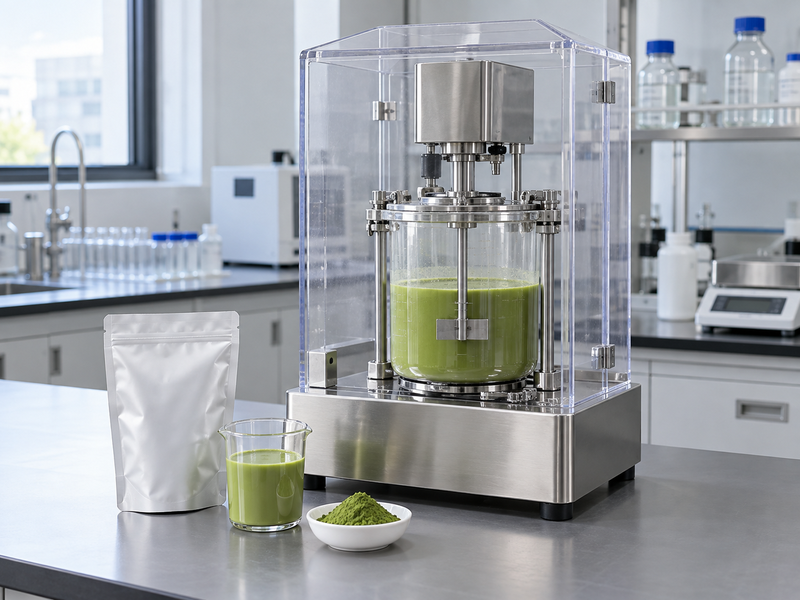
Write the powder charging procedure, liquid volume, mixing equipment, settings and duration. Record starting temperature and the interval before observation. Compare traceable powders at equal dose during screening. Photograph lumps and visible residue under fixed conditions. Include a defined texture assessment when quality staff approve samples for sensory evaluation.
Matcha RTD formulation should distinguish dispersion from other finished performance. Observe the sample after mixing stops. Record whether visible material persists, settles or can be redistributed under the intended use instruction. A smooth appearance during active mixing does not establish what a filled package will present after storage. Keep those observations in separate fields.
If particle size information is requested, specify a suitable measurement basis rather than mesh numbers alone. The site’s particle size comparison guide provides a related check. Ask the laboratory for preparation and reporting details. Avoid imposing a universal size threshold or claiming that one powder measurement guarantees permanent suspension in every beverage matrix.
| Dispersion observation | Fixed procedure | Follow-up question |
|---|---|---|
| Visible lumps | Charging and mixing | Does preparation need review? |
| Residue on vessel | Collection arrangement | Is dose recovery affected? |
| Texture | Approved sensory procedure | Does the recipe meet target? |
4. What sediment behavior will you accept?
Define appearance and redistribution separately
Choose a consistent vessel or package, fill volume and observation procedure. Record sediment at planned intervals without repeatedly disturbing the same sample unless that condition is intended. Photograph fixed positions and identify any remixing. Ask the product team to define acceptable visible settlement, pouring behavior and the consumer preparation arrangement.
For matcha RTD formulation, assess redistribution using a documented action that relates to intended use. Record both settling and recovery. A sample that settles slightly and redistributes under an approved instruction differs from one that forms persistent material. Use measured observations rather than describing every sample as stable or unstable without defining the test.
Discuss any proposed thickener or stabilizer with qualified developers. Evaluate its effects on flavor, texture, ingredient declaration and production separately. Keep the chosen dose and preparation procedure traceable. Do not promise that one additive creates permanent suspension, and do not transplant a supplier’s formula into the commercial recipe without application testing and the technical reviews your product requires.
5. How should mixing and processing be documented?
Link prototype preparation with intended equipment
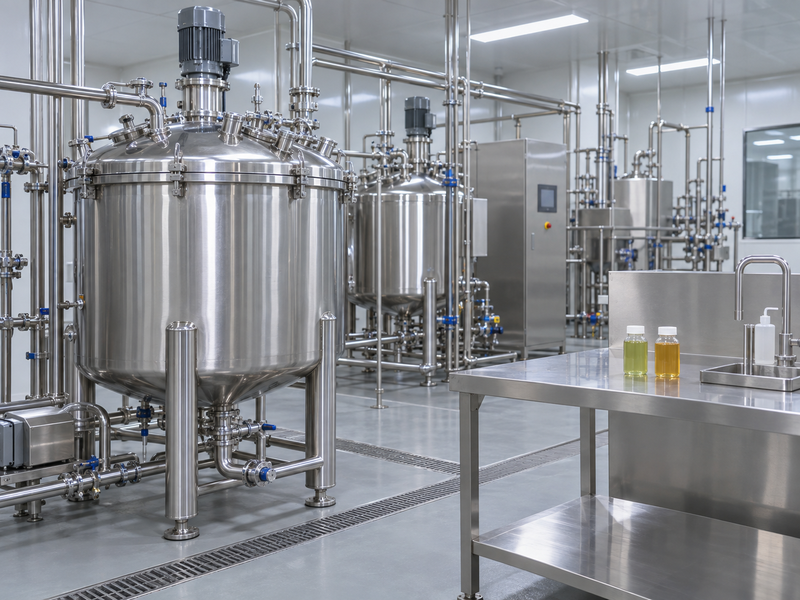
Record charge size, ingredient order, mixing settings, transfers and waiting periods. Identify any homogenization or other planned operation through the process team’s approved trial procedure. Collect representative product measurements where needed. Keep equipment settings separate from the conditions experienced by the product, including its measured thermal history and cooling sequence.
Matcha RTD formulation confirmation needs a process record for each collected sample. Keep sample codes linked to the run. Record deviations, interruptions and additional handling. A successful small vessel does not establish performance through every production transfer or filling arrangement. Ask process staff which confirmation is representative of the equipment and scale intended for commercial manufacture.
Keep quality optimization within the preservation design assessed by competent staff. The development article supplies no legal standard or validated commercial process. Your team must determine and validate suitable preservation, controls and packaging for the actual beverage and destination. A supplier’s technical suggestion can inform questions, but it cannot authorize a process change through an application trial alone.
| Process field | Evidence to collect | Interpretation |
|---|---|---|
| Mixing | Actual settings and sequence | Prototype preparation |
| Exposure | Product time and temperature | Quality comparison basis |
| Filling | Package and sample identity | Storage study connection |
6. How should you investigate color and flavor changes?
Establish a finished product reference
Prepare a baseline using the selected recipe and a traceable powder lot. Fix sample presentation, lighting and observation time. Use suitable instrumental color measurement when available and document its method. Keep appearance separate from chemical pigment quantification. A photograph can record a change but cannot identify the particular compounds responsible for it.
For matcha RTD formulation, define sensory descriptors and use coded samples at a matched evaluation temperature. Compare samples against the accepted reference. Obtain quality clearance for sensory work. Record tea character, bitterness, sweetness and relevant off-notes without inventing a universal flavor score. Keep the panel procedure and serving arrangement consistent across comparisons.
When color or flavor needs chemical investigation, give the laboratory a focused question, matrix and sample history. Ask about suitable method scope, units and reporting qualifications. Preserve uncertainty rather than constructing a confident explanation from one visual observation. Document which endpoint failed and what trial will address it before increasing dose, changing supplier or altering the commercial preservation process.
7. Which package comparisons belong in the trial?
Fill the formats you intend to evaluate
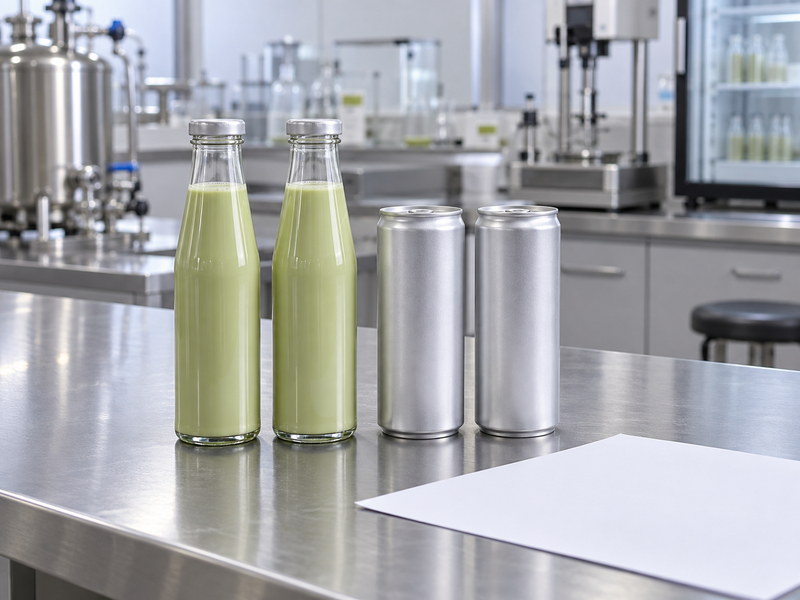
Record package material, closure, fill volume and filling conditions. Obtain relevant technical information from packaging suppliers and have the packaging team assess it. Compare the filled product under planned conditions. A package description alone cannot establish how the beverage will perform over its intended quality period or through the complete distribution arrangement.
Matcha RTD formulation tests should include appearance under the actual viewing and use arrangement. Evaluate the beverage in its intended package. A clear bottle exposes visual sediment to customers differently from an opaque format. Record light exposure, package orientation and any opening instruction. Keep these conditions fixed when comparing candidate powders or formula variants.
Collect unopened units for later observations. If staff open one package repeatedly, identify it as a separate condition. Include relevant package integrity and preservation assessment under the responsible team’s plan. Color protection, sediment appearance and closure performance answer different questions. Keep each decision visible so procurement can see whether the selected ingredient or package still has unresolved confirmation work.
| Package question | Trial condition | Evidence |
|---|---|---|
| Visual presentation | Intended display | Controlled photographs |
| Product contact | Filled package | Technical assessment |
| Stored quality | Planned environment | Unopened units |
8. How should matcha RTD formulation storage studies be planned?
Separate quality observations from preservation validation
Define intended distribution and use conditions with quality and process staff. Choose sample quantities and observation points before filling. Identify the quality endpoints, analytical work and competent preservation assessment required. Keep study units coded by recipe, powder lot, process run and package. Record temperature interruptions and other deviations throughout storage.
For matcha RTD formulation, use screening studies to shortlist options and confirm the selected product through a suitable full study. Agree the evidence before assigning shelf life. An accelerated quality comparison needs technical justification before its results can predict another storage arrangement. A short sediment observation cannot establish microbial safety or a validated commercial shelf life.
Plan enough unopened units for destructive measurements. Record sensory clearance and sample disposition through quality procedures. Keep any failure linked with its tested condition and identify the next investigation. Avoid adopting a typical number of months from another supplier’s article. The required evidence concerns your recipe, process, package and distribution, with decisions made by the competent owners responsible for that product.
9. What should a supplier provide for production confirmation?
Request traceable commercial candidates
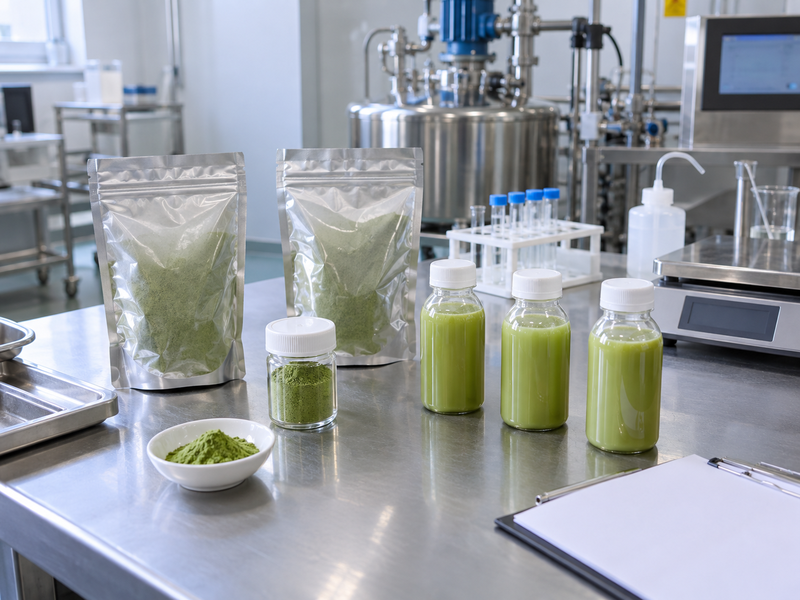
Obtain ingredient code, lot identity, current technical sheet and available quality documents. Ask whether the sample represents routine commercial supply or a development blend. Request enough material for repeated process and storage comparisons. Confirm packaging format, quantity and terms in writing so the development team can schedule a representative confirmation.
Matcha RTD formulation benefits from independent lot samples when consistency is part of the purchasing requirement. Repeat the selected procedure on another identified lot. Keep recipe, dose and process fixed. If performance differs, share the actual records with the supplier and ask for a technical response tied to those conditions rather than a general grade substitution.
Ask Matcha Village about application recommendation, samples and bulk supply support. Buyers should confirm the specific candidate and requested analytical work for their beverage. Review documents against the destination and site quality requirements. A company service description does not prove that every assay is routine, every product has the same certification scope or every candidate will meet your finished storage target.
| Supplier item | Clarification | Production use |
|---|---|---|
| Ingredient code | Selected commercial product | Repeatable ordering |
| Sample lot | Routine or development material | Trial interpretation |
| Documents | Current scope and identity | Quality review |
10. How should the development decision become a purchasing brief?
Approve the ingredient and its application basis
Record selected powder, dose, recipe, process, package and finished quality target. Link the trial report, analytical evidence and accepted reference. Name the approvals still required before commercial release. Procurement needs a clear ingredient selection and receiving plan, while development and process teams retain responsibility for the complete beverage design and validation.
Use the matcha RTD formulation brief to define change notification. Review changes before replacing the approved powder. Another ingredient code, blend, package, base or process can require a focused confirmation or a larger study. Keep the owner and decision rule visible. Record later application complaints with product identity, storage history and the relevant retained unit where available.
Confirm supplier reporting frequency and the documents expected with deliveries. Avoid converting development observations into broad performance guarantees. A useful purchasing agreement states the selected ingredient and tested application conditions, then identifies evidence needed for later lots. Keep the commercial preservation and shelf life decisions within the competent product review that applies to your actual beverage and market.
FAQ
Q1: Does fine powder guarantee permanent suspension?
No. Evaluate dispersion, settling and redistribution in the actual matrix, process and package over the agreed study.
Q2: Can a supplier’s stabilizer dose enter the recipe directly?
Treat it as a development suggestion. Qualified staff should assess dose, preparation, sensory effects and market suitability.
Q3: Can a short sediment trial establish shelf life?
No. Competent quality and process staff must determine the evidence required for quality and preservation validation.
Q4: Should packages be opened repeatedly during storage?
Keep that as a documented separate condition. Use unopened units when studying unopened commercial storage.
Q5: What should procurement receive after development?
Provide selected ingredient identity, trial basis, quality target, current documents, receiving checks and change notification requirements.
Prepare a beverage brief with the liquid base, use instruction, process and package. Request traceable supplier samples, then compare dispersion and storage quality under controlled conditions. Send the selected candidate through representative production confirmation and the competent preservation review before approving a recurring purchasing arrangement or finished shelf life statement.