
Japanese origin may matter to a matcha brand’s positioning, but a Japanese address on a seller’s website does not establish where a specific powder was grown, processed or packed. A matcha production Japan supplier brief should identify each site involved in cultivation, leaf preparation, milling and packing. Buyers need a clear origin statement, records that support it and a product that works in their application. The Japanese Ministry of Agriculture describes tencha and matcha processing in its Uji tea guide. Your purchase decision should rest on the route and lot offered to your business. Our matcha supplier Japan guide covers origin evidence and commercial supplier checks.
Contents
- 1. Which Japanese origin claim will the buyer make?
- 2. How are growers and tencha sources identified?
- 3. What does a regional name actually certify?
- 4. Which facilities process and mill the tea?
- 5. How should a buyer evaluate a Japanese sample?
- 6. What should the product specification say?
- 7. Can the offered grade support repeat orders?
- 8. Which records support export and import review?
- 9. How should price and availability be compared?
- 10. When should Japanese origin be approved?
1. Which Japanese origin claim will the buyer make?
Write the statement exactly
“Japanese matcha,” “milled in Japan” and “tea grown in Kyoto” express different claims. Ask your brand and compliance teams which statement they intend to put on a label or sales sheet. Then ask the supplier which steps occur in Japan and which evidence connects those steps to the offered lot. A company can sell from Japan while using material sourced elsewhere. A product can also contain tea from more than one Japanese prefecture. The right wording depends on its actual route and your destination’s rules.
Use the proposed item, not the catalog. Request a coded sample and a written origin description for that SKU. If a seller uses a regional name in a product title, ask whether it refers to leaf cultivation, blending, processing tradition or milling location. Record what remains unverified. Your first sourcing meeting should end with an origin sentence your supplier agrees it can support, even if final label approval comes later. That small exercise saves a painful artwork correction after product development.
2. How are growers and tencha sources identified?
Follow the tea before it becomes powder
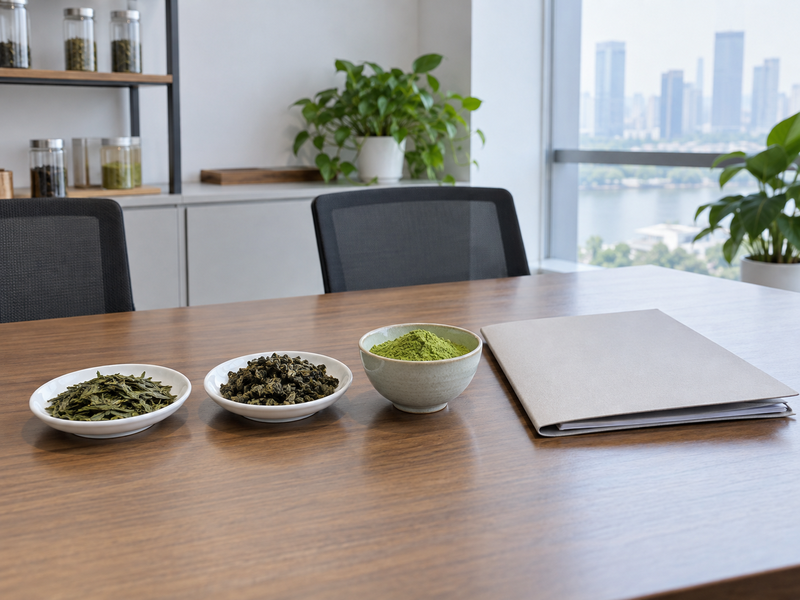
Ask whether the seller grows tea, buys fresh leaves, buys tencha or purchases finished powder. Each model can supply a good product; each needs a different evidence trail. For a Japanese-grown claim, ask how the relevant source lots are identified and how they connect to the finished powder. A buyer may not receive confidential grower names, yet a controlled source record should still exist. If the seller blends tencha from several areas, the source definition needs to reflect that practice.
Track change over time. An approved harvest source may not be available for every order. Ask how the supplier proposes substitutes and whether it would notify you before changing the region or source type. Separate the business need for a stable flavor from any hard origin requirement. A café chain may accept several Japanese source regions if the drink performs consistently. A single-origin retail product may not. Write the distinction into purchasing documents rather than relying on an informal promise made during sampling.
| Source model | Evidence to request | Buyer question |
|---|---|---|
| Own cultivation | Lot and farm link | Which harvest? |
| Partner grower | Controlled source list | Who verifies input? |
| Purchased tencha | Intake and origin record | Which processor? |
| Finished powder | Supplier lot trace | Which production site? |
3. What does a regional name actually certify?
Separate geography from reputation
Japan has several recognized tea regions, including Kyoto, Aichi and Kagoshima. The agriculture ministry’s tea overview lists regional tea traditions, but a region name alone does not rank a proposed lot for your recipe. Ask what the supplier’s regional claim means and how it is documented. “Uji tea,” for example, has a regional definition involving leaf sources and processing that can be more nuanced than a buyer might assume from the city name. Avoid rewriting that definition casually on packaging.
Judge the powder in context. Prepare coded samples under the same conditions and record sensory results. A high-profile region may suit straight tea while a different Japanese source gives the best result in milk or baked goods. Purchasing should compare the actual offer, pack and availability alongside taste. Regional reputation can help generate a shortlist; it cannot replace batch identity, trial data or a current specification. Keep any marketing claim pending until your team has checked the exact product route and destination requirements.
4. Which facilities process and mill the tea?
Map each production address
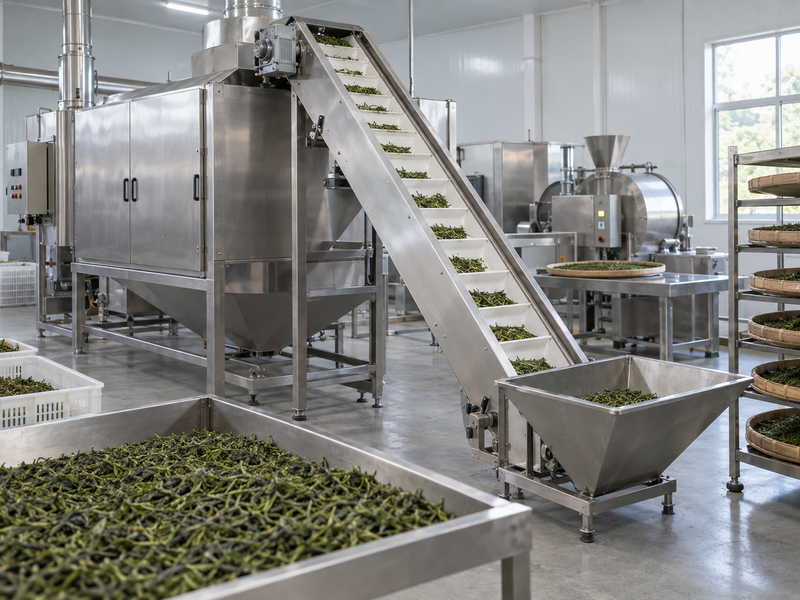
Ask where fresh leaf becomes tencha, where tencha is refined or blended, where milling occurs and where powder is packed. One company may control all steps; a supplier may also work with specialist partners. The buyer needs the route for the offered item and a clear owner for each handoff. Request a simple site map and ask which entity issues the product specification and lot report. A visit to one beautiful tea field cannot establish what happened at a separate mill.
Ask for a batch walk-through. Trace a finished pack backward to milling and tencha intake records. Check whether codes survive transfers and blending. Where the seller uses a partner, ask how it approves that partner and handles a complaint. Review the scope of any certificate against the exact site and activity. If a document covers packing but not milling, describe it accurately in your internal file. The goal is neither to reward vertical integration nor to reject a network: it is to know who made the product and who can investigate it.
| Stage | Possible site | Record link |
|---|---|---|
| Tencha | Tea processor | Input lot |
| Refining | Processor or specialist | Material code |
| Milling | Mill | Run number |
| Packing | Packer | Finished code |
5. How should a buyer evaluate a Japanese sample?
Let the application set the test
Prepare the powder the way customers will encounter it. A whisked-water trial can reveal texture and aroma. A latte trial should use the planned milk, sweetener, temperature and mixing equipment. A bakery test should use the intended recipe and bake conditions. Record color immediately and after the hold time that matters to your business. Keep the sample lot code in every trial note, so a positive result can be tied back to an item the supplier can quote.
Compare without a brand halo. Blind coding helps a panel describe what it tastes rather than what it expects from a region or price. Ask operations and quality to record separate decisions: sensory fit, process handling and document acceptability. If the supplier offers another grade as a cheaper substitute, test it anew. A positive tasting does not prove long-term consistency, so request a later production-lot sample before routine approval. The Japanese origin claim may add value to the offer, but your customer’s product must still work day after day.

6. What should the product specification say?
Turn attractive descriptions into usable fields
Ask for a specification naming the item, revision, ingredients, appearance and the measurements your quality team needs. Where particle size, moisture or microbiology is included, check methods and units rather than copying values from another supplier. Add pack format, storage guidance and lot coding. If your customer needs an origin statement, place its agreed wording and source definition in a controlled record. A phrase such as “ceremonial grade” may help describe a sales tier, but it should not be the only acceptance criterion.
Make the sample traceable. The approved pouch, specification and quote should carry the same product identity. Ask how the supplier handles a specification change and who may approve it. For each production lot, define which results or records will accompany shipment. Do not request every imaginable test; choose the evidence your product and destination need. Your importing and quality specialists should confirm those needs. A concise specification with clear revision control will be more useful during a dispute than a long catalogue paragraph.
| Field | Why it matters | Owner |
|---|---|---|
| Item code | Prevents grade mix-up | Purchasing |
| Origin wording | Supports claim review | Brand and compliance |
| Product limits | Defines acceptance | Quality |
| Pack and code | Supports receipt | Operations |
7. Can the offered grade support repeat orders?
Ask about the grade, not total factory output
A seller may have ample tea across its portfolio while holding only limited stock of the precise grade you liked. Ask whether the offer covers existing stock, a future milling run or an annual supply program. Request current availability for the proposed item and a realistic route for replenishment. Discuss the next harvest, source substitutions and any planned changes in blending. Avoid treating a single sales sample as proof of continuous supply.
Use a demand schedule. Share expected order cadence as a planning estimate, clearly separate from a firm commitment. Ask the supplier how it would reserve material, communicate constraints and confirm each order. If the brand requires a narrow region or single source, discuss how that choice affects flexibility. Keep a second approved option if continuity matters more than a singular story. Test that option in the same application rather than assuming any Japanese matcha can stand in. An honest supply plan may contain uncertainty; it should still name the conditions that could change the offer.
8. Which records support export and import review?
Assign document ownership early
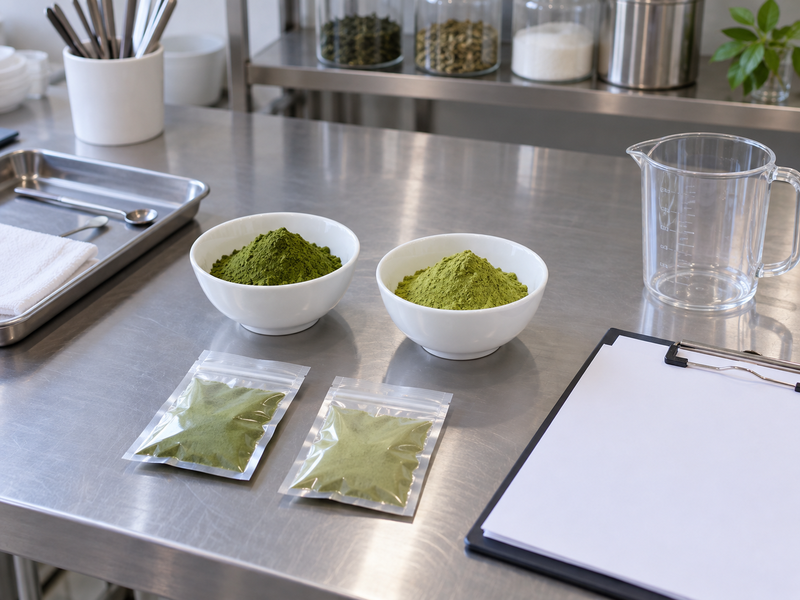
Ask who acts as seller and exporter, who prepares the lot documents and who confirms packing details. A Japanese product’s origin does not automatically satisfy another country’s import, labeling or testing requirements. Let your importer or specialist confirm the destination’s current rules. Request product-specific documents with exact entity, item and lot references where applicable. If an organic or food-safety certificate is claimed, verify its date, activity and site scope with the issuing body or controlled document.
Run a paper rehearsal. Before the first commercial order, compare the specification, invoice description, packing list and sample label. Do the item names and codes agree? Which party will correct a mismatch before dispatch? Ask whether the supplier can provide any documents your customs agent identifies and when they become available. Keep document review separate from shipment booking. A logistics route can look feasible while a product description remains ambiguous. That ambiguity is easier to resolve before the powder leaves the mill.
| Record | Match against | Review owner |
|---|---|---|
| Lot report | Product and lot code | Quality |
| Invoice | Buying entity and item | Finance |
| Packing list | Cartons and codes | Logistics |
| Certificate claim | Site and scope | Supplier approval |
9. How should price and availability be compared?
Compare the full proposal
Ask for a written offer that identifies grade, quantity, pack, shipment point, validity period and any sample or development costs. Compare competing powders at an application-appropriate use rate, not only price per kilogram. A different intensity or dispersion behavior can alter recipe cost and staff handling. Include testing, packaging, freight and inventory assumptions from your own business. Do not import a market article’s price range into your budget as if it were a current quote.
Write down the trade-off. If one powder offers the best straight-tea cup but limited repeat stock, decide whether that fits a seasonal product. If a stable blend performs slightly differently, consider whether customers will notice in your actual recipe. Pricing decisions belong after the technical trial and origin check, not before them. Ask what would trigger a price revision or change of material source. A clear offer makes later negotiations productive because both sides know exactly which product and terms are under discussion.

10. When should Japanese origin be approved?
Close three separate decisions
Approve the origin statement when the route and supporting records match the wording you plan to use. Approve the ingredient when the coded sample and product documents meet your quality and application requirements. Approve the supplier commercially when the offer and repeat-supply plan fit your purchasing needs. These decisions can progress at different speeds. A recipe trial may be promising while the final label wording still needs review.
Record the accepted configuration. Name the SKU, sample code, source definition, processing sites, pack and specification revision. Assign notice conditions for material or site changes. If your team keeps an alternative source outside Japan, label it clearly and evaluate it as a separate item. Matcha Village’s supplied profile describes Chinese tea sourcing, processing and B2B support; it cannot substantiate a Japanese-origin claim. Work with the actual Japanese supplier’s records for that claim. A defensible approval leaves fewer surprises when marketing, quality and purchasing revisit the product months later.
For a private-label order, add the approved artwork revision to this file. If the powder will be repacked after import, record which business becomes responsible for connecting the original supplier lot with the retail pack code. That link belongs in the operating plan before the first commercial shipment is split across many smaller units.
| Decision | Evidence | Result |
|---|---|---|
| Origin | Source and route | Approved wording |
| Product | Coded trial and specification | Material approval |
| Supply | Offer and replenishment plan | Purchasing approval |
| Change | Notice procedure | Review trigger |
FAQ
Q1: Must Japanese matcha be grown and milled in the same prefecture? That depends on the exact claim. Ask the supplier for its source and processing route before approving wording.
Q2: Does a regional name guarantee a flavor profile? No. Taste a coded lot in your intended application.
Q3: Is “ceremonial grade” enough for a purchase specification? No. Define the item, quality fields, pack, origin wording and approval sample.
Q4: Can a seller’s address prove Japanese-grown tea? No. Trace the material source associated with the offered lot.
Q5: When should artwork be finalized? After origin evidence and destination label review support the exact statement you plan to print.
Final thought
Japanese origin can carry real commercial meaning when it is precise and documented. Ask for a coded lot, test it in your product and approve the statement that the supplier can actually support. That sequence gives the brand story a reliable purchasing foundation.