
Matcha production countries are useful search categories, yet national output figures cannot tell an importer which powder works in its product. Country of cultivation, processing and packing may also differ within one offer. Build the comparison from actual supplier SKUs and document each stage before discussing labels or price. Our matcha second-source supplier guide helps turn a geographic shortlist into a usable alternative-supply plan.
Contents
- 1. What should a country comparison decide?
- 2. Which country does each product actually claim?
- 3. How should suppliers enter the shortlist?
- 4. What can Japanese production evidence tell a buyer?
- 5. What can Chinese production evidence tell a buyer?
- 6. How should less familiar origins be evaluated?
- 7. Which application trial makes comparisons fair?
- 8. What documents should every country candidate provide?
- 9. How do cost and supply change the ranking?
- 10. What conclusion should the buyer record?
1. What should a country comparison decide?
Set the purpose before drawing a map
A brand may require a named origin for a retail claim. A café group may want a powder that produces the same latte at every branch. An importer may need a second source in case a current grade becomes scarce. These are different decisions. Write down the customer product, intended market, expected pack and purchasing cadence. Decide whether origin is a hard condition or one factor among flavor, documents, availability and cost. Then ask suppliers for commercial grades that can meet that brief.
Keep the comparison product-sized. A country’s tea industry can be large while a specific supplier has little of your desired grade. A regional reputation can be strong while a sample fails in your recipe. Do not begin by ranking flags. Begin by asking which item could actually be ordered and which claim your business needs to make. The result should be a short, testable shortlist, not a general statement about which country produces the “best” matcha for everyone.
2. Which country does each product actually claim?
Break origin into four stages
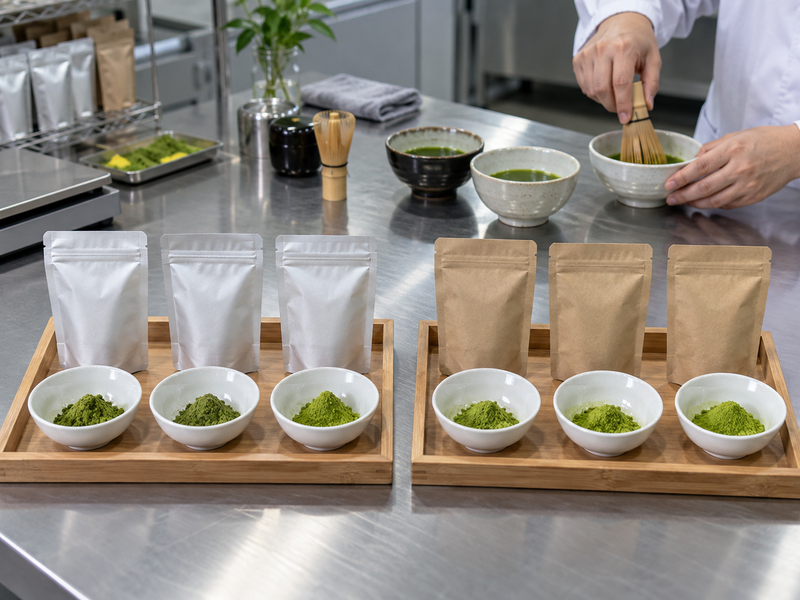
Ask where leaves were cultivated, where tencha was prepared, where powder was milled and where final packs were sealed. A seller registered in one country may source tea from another. A powder may be milled in a different place from its leaf source. None of these arrangements is automatically unacceptable, but the wording must describe the real route. Have the destination’s qualified label reviewer approve the statement before artwork is printed. A national flag on a brochure cannot establish the chain behind a lot.
Trace the offered sample. Request source and processing records linked to its code. If the supplier blends material from several regions or countries, ask how the finished item is described and what happens when inputs change. Keep the approved origin statement in the specification with a notice rule. A buyer comparing countries should be able to explain why each candidate appears in a column. Otherwise a table may compare seller addresses rather than actual material origins.
| Stage | Supplier answer | Buyer use |
|---|---|---|
| Cultivation | Leaf source | Origin claim |
| Tencha | Processing site | Product identity |
| Milling | Powder site | Method record |
| Packing | Final site | Label and trace |
3. How should suppliers enter the shortlist?
Require an identifiable offer
Ask each candidate for SKU, ingredients, pack format, coded sample, specification and a description of its production chain. Remove products that plainly fail a hard requirement. Keep a separate “open” status for missing documents that the supplier may still provide. A brand looking for pure matcha should not score a sweetened premix against single-ingredient powders. Similarly, an origin-specific label project should not advance a product whose source area the seller cannot define.
Use the same request sheet. Tell suppliers the application, destination and expected volume pattern. Ask whether the quoted grade is regular stock, a seasonal lot or made for the order. Do not demand an exact commitment from an estimate; request a realistic response. A manageable shortlist allows your team to test samples properly and review documents with attention. It also makes feedback fair. If a supplier is excluded, record the reason rather than reducing an entire country to one disappointing offer.
4. What can Japanese production evidence tell a buyer?
Use national context for questions
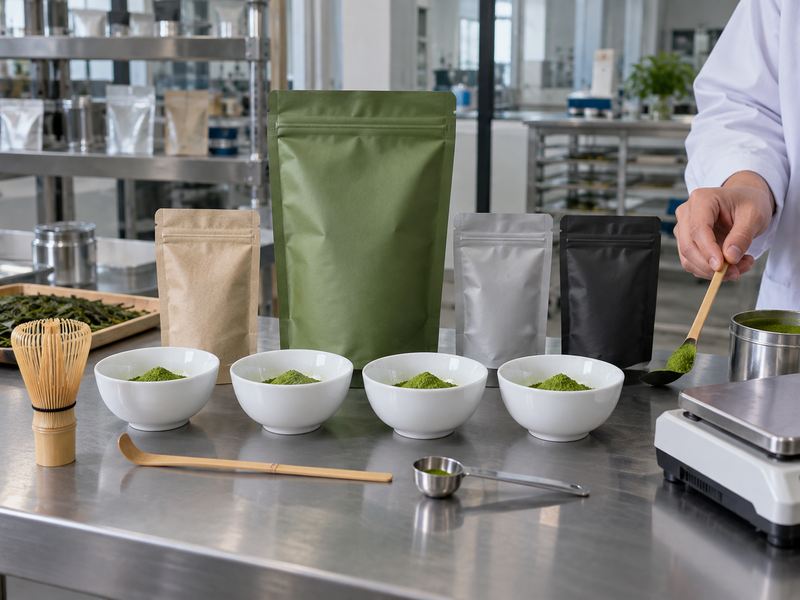
The Japanese Ministry of Agriculture describes tencha made from covered tea leaves that are steamed and dried without rolling before grinding into matcha. Its materials also describe regional tea traditions. These sources help a buyer understand possible routes, but they do not verify a particular seller’s origin, grade or available stock. Ask a Japanese candidate for its own source definition, tencha and milling sites, lot records and current offer.
Avoid prestige shortcuts. A Kyoto or Aichi name may matter to customers, yet the proposed powder still needs a coded application test. Ask whether the grade is a finite lot or a continuing blend and how source variation is handled. If a regional term or mark will appear on packaging, seek current supporting evidence and destination review. A country-wide “Japanese matcha” label should not be used to hide material or processing steps the supplier cannot explain. The product earns approval as a named SKU, not as an example of a national tradition.
| Japan candidate check | Supplier evidence | Buyer decision |
|---|---|---|
| Leaf source | Controlled lot | Claim |
| Tencha route | Processor record | Identity |
| Cup | Coded trial | Application |
| Supply | Written availability | Order plan |
5. What can Chinese production evidence tell a buyer?
Separate regional growth from factory proof
Tongren’s government account describes tea growing, tencha preparation and powder finishing in one Guizhou production network. That example shows why a buyer should map operators and transfers. It does not establish the route of every Chinese powder, including one sold from another province. Ask the candidate supplier where its tea originates, which site mills the offered SKU and who packs and exports it. A factory’s total output does not prove available volume for your selected grade.
Test the specific offer. Use the same recipe and sample protocol applied to Japanese or other candidates. Review current product documents and lot codes. A lower price per kilogram may reflect a different grade, pack or commercial term, so ask for a quote with those fields named. Matcha Village’s supplied profile describes Chinese tea sourcing and B2B manufacturing; its product options should be evaluated through the same SKU-level evidence as any other supplier. Country origin guides the search, while quality approval belongs to a lot and site route.
6. How should less familiar origins be evaluated?
Apply the same product standard
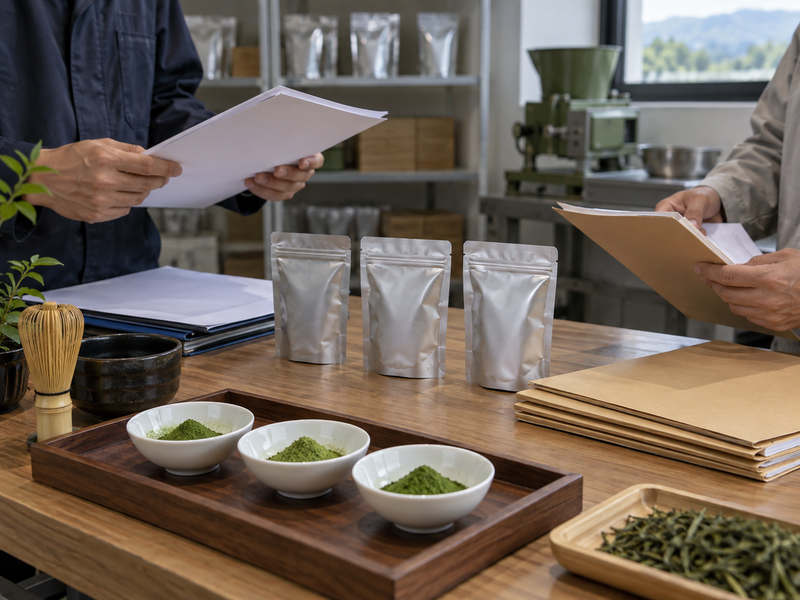
If a supplier offers tea powder from another country, ask the same questions before accepting or rejecting it. What leaf material is used? How is it processed? Does the product meet the ingredient identity and label claim planned by your business? Which operator records the batch and which entity sells it? Avoid importing unsupported claims from a global map about national flavor profiles or volumes. A new origin may offer a useful product, but only the proposed SKU can show that.
Allow a distinct offer. A powder that does not fit an existing Japan-labeled SKU might support a separate product with transparent wording. A beverage formulation may value its performance even if its flavor differs from a straight-tea benchmark. Test the powder under the same relevant conditions and have brand review the story that can truthfully accompany it. Do not force a replacement decision when a new product decision would serve customers better. Keep source and processing records in a separate item file so the alternate remains clear at reorder.
| Screening question | Why it matters | Outcome |
|---|---|---|
| Ingredient identity | Like-for-like test | Advance or separate |
| Source route | Label accuracy | Approve wording |
| Batch records | Traceability | Quality review |
| Supply | Commercial fit | Order decision |
7. Which application trial makes comparisons fair?
Hold preparation constant
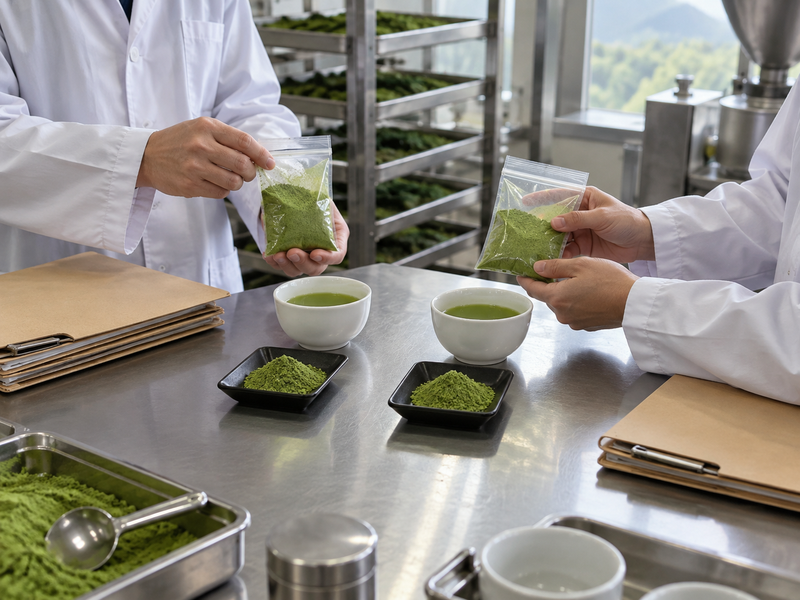
Code samples so tasters do not see origin or price. Use one weighed dose, the same liquid or recipe, the same mixer and the same evaluation time. For a café latte, include milk, sweetener and service hold. For food manufacturing, use a representative process trial rather than a cup tasting alone. Record aroma, bitterness, texture, color, sediment and handling issues. Country labels may shape expectations; blind preparation reduces that bias and exposes what customers will actually experience.
Test adjusted recipes separately. If one powder requires a different use rate, run another controlled trial and calculate cost per finished item. Do not change dose, milk and mixing method together, then attribute the result to origin. Retain the chosen sample and ask for a later production lot when supply will repeat. A fair trial cannot prove every cause of a flavor difference, but it can show which product meets your target under reproducible conditions. That is enough for a buying decision when the documentation and commercial terms also pass.
8. What documents should every country candidate provide?
Use a common review sheet
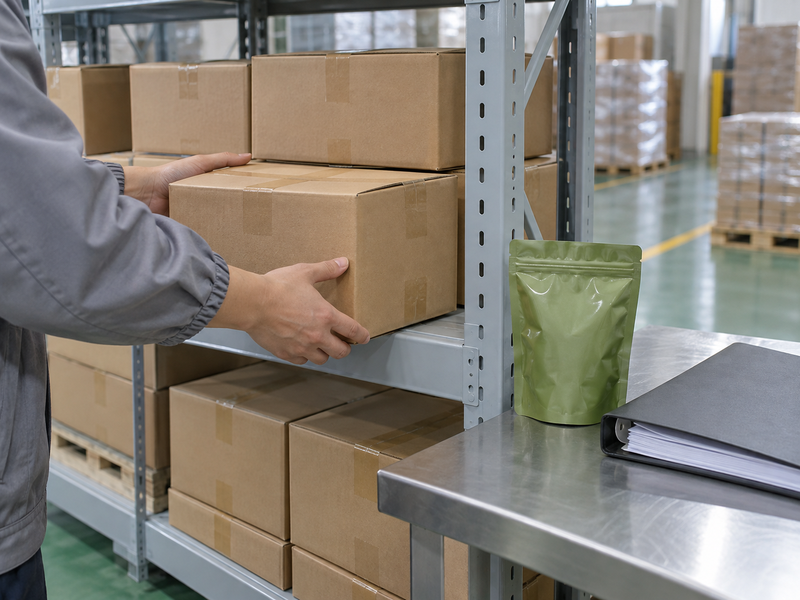
Request specification, ingredient description, lot coding, source and site map, pack details and an example lot report for each SKU. If a supplier makes an organic or food-safety claim, verify the current entity, facility, activity and product scope. Have the importer check destination requirements for the particular route. A document valid for one country or operator may not answer another market’s question. Keep a missing-item column so candidates are not rewarded simply for sending large PDF folders.
Link records to the sample. The code on the pouch should correspond to a grade and production route the seller can offer commercially. Check test methods and units rather than comparing headline numbers from unrelated reports. Ask who would provide shipment documents and when. An origin choice can fail late if product names differ between invoice, specification and pack. Product-level paperwork makes the country comparison meaningful because every row refers to something the business could receive and use.
| File item | Check | Owner |
|---|---|---|
| Specification | SKU and revision | Quality |
| Origin map | Source and sites | Brand |
| Lot report | Code and methods | Quality |
| Shipment draft | Item and pack | Logistics |
9. How do cost and supply change the ranking?
Compare current, equivalent offers
Ask for price, currency, quantity, pack, delivery point and validity period for the grades that passed trial and document review. Add freight, testing and inventory assumptions from your own business. Compare at the recipe use rate, not only by kilogram. A powder requiring less per serving may change the cost picture. A powder with a lower quoted price but uncertain replenishment may suit a limited launch rather than a permanent menu.
Plan the next order. Ask each supplier whether the quoted lot is in stock, when another can be produced and what material sources are allowed. Do not infer individual supply from national production figures. If the business wants a backup source, verify whether origin wording, packaging and customer agreements permit a switch. A second country may require a new SKU, which has its own label and inventory costs. Put those steps in the comparison so the chosen source is economically and operationally usable, not just attractive on a price sheet.
10. What conclusion should the buyer record?
Approve products, not a global ranking
List each candidate’s SKU, origin route, coded trial result, quality status, pack, current quote and repeat-supply answer. If a country is required by the brand, show that as a pass/fail condition. If origin is only a preference, state how it was weighed against product performance and cost. Give brand, operations, quality and purchasing separate decisions. A useful comparison may end with one routine ingredient and one alternate product for a different use.
Leave a clear next action. Request a production-linked sample if the current pouch is unidentified. Hold a claim when source records remain vague. Seek a revised quote when pack and delivery terms are not comparable. Keep rejected offers with a dated reason, since a later recipe might make one relevant. The best result of a country review is an orderable, documented item and a record that explains why it suits the business. A map alone cannot supply that conclusion.
A country review can also identify a useful limited product even when no candidate qualifies as a routine substitute. Keep that distinction in the decision memo. A seasonal retail powder may justify a narrow source and finite stock, while a foodservice ingredient needs predictable replenishment. Calling both a “backup” can lead sales and purchasing to promise availability that the supplier never offered.
| Decision field | Evidence | Owner |
|---|---|---|
| Claim | Route and source | Brand |
| Recipe | Coded trial | Operations |
| Product | Spec and lot report | Quality |
| Order | Quote and supply plan | Purchasing |
FAQ
Q1: Which country makes the best matcha? There is no single answer for every B2B application; test proposed SKUs against your target.
Q2: Does seller location prove tea origin? No. Record cultivation, processing, milling and packing separately.
Q3: Can a global output figure show a supplier’s capacity? No. Ask for availability of the named grade and pack.
Q4: May an alternate origin replace a Japan-labeled item? Only after product, claim, customer and artwork requirements have been reviewed.
Q5: What is the fairest price unit? Compare current delivered offers at the use rate that passed the recipe trial.
Final thought
Country context should make sourcing questions sharper, not decide the purchase in advance. Trace the proposed product, test it blind and compare usable offers. Approve the SKU that your team can make, document and reorder with confidence.