
A matcha second source supplier becomes useful when the business has approved the product, confirmed a workable ordering route and decided how to activate it. A contact saved in a purchasing folder is only a potential source until those tasks are complete.
For a cafe chain, brand or food manufacturer, the backup must fit the actual application and the disruption it is meant to address. This guide builds a qualification plan around those requirements without assuming that another supplier can always provide immediate stock.
Contents: 1. What problem should a matcha second source supplier cover? | 2. How do you check whether the alternative is independent? | 3. What specification should the backup be tested against? | 4. How should samples be requested and compared? | 5. Which documents need a fresh source review? | 6. How can a trial order test operational readiness? | 7. What quantity and timing can the backup actually support? | 8. Who can authorize a switch to the second source? | 9. How do you keep a qualified backup current? | 10. How should the business decide whether the backup is ready?
1. What problem should a matcha second source supplier cover?
Define the disruption before searching
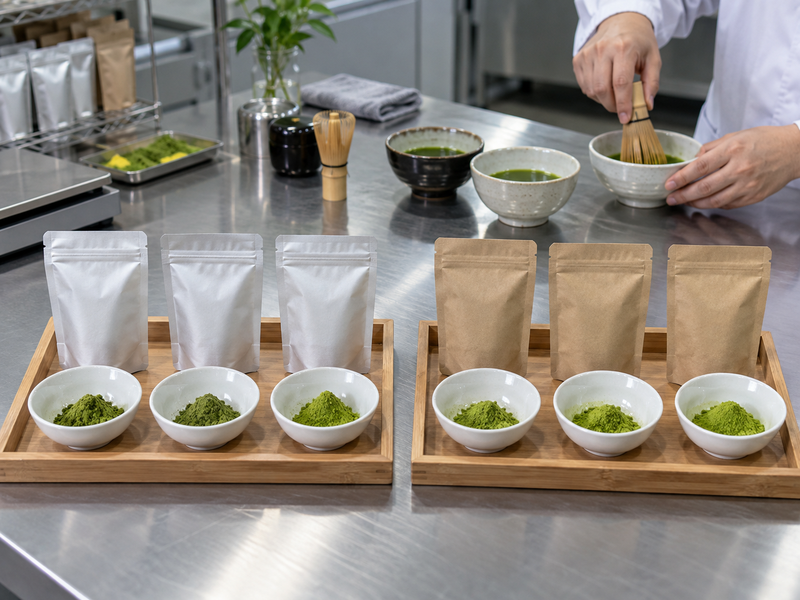
Name the failure the second source is intended to address. It might be a delayed shipment, unavailable quantity, a product change or the loss of an approved packing route. Different problems call for different backup capabilities, so avoid treating every alternative supplier as equally useful.
Japanomars’ supplier article recommends qualifying a backup as part of sourcing. Its market rankings and supplier availability statements should not replace current confirmation from the providers your business is considering.
| Disruption to cover | Backup question |
|---|---|
| Shipment delay | Can an approved product arrive in time? |
| Quantity shortfall | What quantity is actually available? |
| Product change | Does the alternative fit the application? |
| Packing interruption | Is another approved format workable? |
Record the expected duration and affected operations as planning assumptions. The qualification team can then test whether a proposed source addresses that scenario. A second supplier that depends on the same interrupted operation may provide little help.
2. How do you check whether the alternative is independent?
Look beyond a different company name
Ask where the proposed product is manufactured, processed, packed and held. A distributor may buy from the same producer as the primary supplier. That arrangement can still offer local inventory or another delivery route, but it should not be described as fully independent production capacity.
Map the dependencies relevant to your disruption scenario. These can include a shared manufacturer, packing site, raw-material source, transport route or local warehouse. Request information the supplier can reasonably substantiate, and record any areas it cannot disclose or confirm.
Use the map to define the backup’s scope. If both suppliers use the same factory but hold stock in different markets, the alternative may cover one logistics problem while leaving a production interruption uncovered. State that distinction plainly in the approval file.
Avoid scoring independence from marketing claims about being factory direct. Ask who is responsible for the actual product offered and which locations would fulfill your order. The matcha traceability guide provides useful questions for connecting the product with its supply path.
3. What specification should the backup be tested against?
Preserve the business requirement
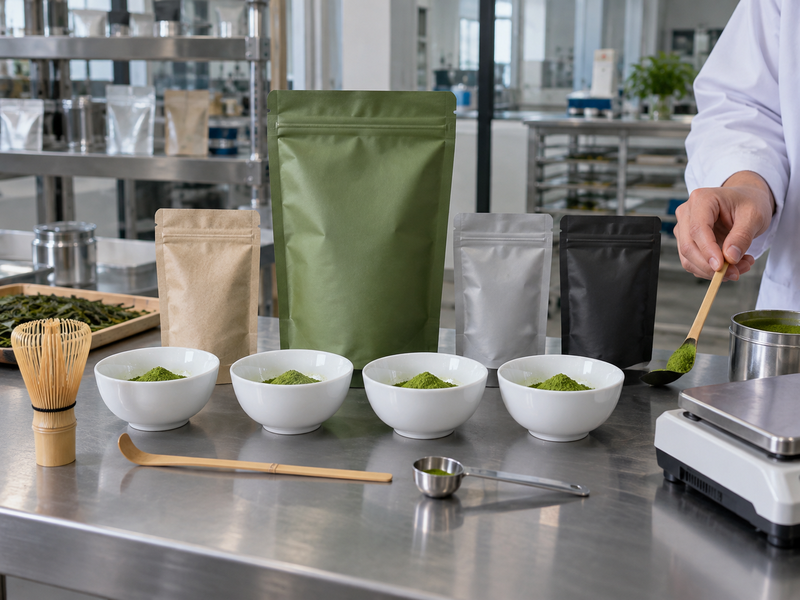
Start with the specification and application requirements already approved by the business. Identify which attributes must remain the same and where a controlled difference might be acceptable. Purchasing should not loosen an unresolved requirement merely to make the backup appear qualified.
Prepare an evaluation sheet with product identity, ingredient composition, relevant physical or sensory criteria, packaging and required documents. Use the buyer’s actual requirements, including destination-specific review where needed. A similar grade name does not establish equivalence.
| Requirement group | Qualification decision |
|---|---|
| Composition | Must match or be separately approved |
| Application performance | Test in the intended process |
| Product documents | Review for the proposed source |
| Packaging | Confirm handling and use requirements |
If the alternative requires a different dose or process, treat it as a separately approved operating option. Record the effect on the finished product and staff instructions. This allows a deliberate switch without pretending the two powders are identical in every respect.
4. How should samples be requested and compared?
Use identifiable commercial samples
Ask the prospective supplier to identify the product, lot and proposed commercial form behind each sample. Confirm whether the sample represents available goods or a development proposal. Record the answer so a successful tasting does not become an approval of an unrelated future product.
Aiya’s manufacturer page describes a sample-request review within its own supplier process. For any candidate, ask how a sample approval connects to the product and quantity that would actually be supplied.
Run the comparison using the buyer’s normal application and a controlled method. Keep the primary product or approved reference available where appropriate. Ask more than one relevant staff member to record observations independently before discussing a preference.
Separate descriptive differences from acceptance decisions. A sample may have a different aroma yet remain suitable for one application and unsuitable for another. Record the intended use in the approval, including any process adjustment. Avoid expanding one successful latte test into approval for every food or beverage made by the business.
5. Which documents need a fresh source review?

Review the proposed supplier on its own evidence
Request the documents required by the buyer’s quality and destination review. Check the actual entity, site, product scope, dates and relationship to the proposed goods. Do not reuse the primary supplier’s approval as evidence that the second source is acceptable.
For US transactions where applicable, FDA’s FSVP guidance is a source for the responsible importer’s verification review. The commercial urgency of a backup request does not itself answer what requirements apply.
| Document question | Review task |
|---|---|
| Which legal entity? | Match the proposed seller and source |
| Which site and product? | Check the stated scope |
| Which lot? | Connect reports to relevant goods |
| Which current status? | Verify dates and unresolved issues |
Give missing or unclear evidence a named owner. The backup should retain a pending status until the responsible reviewer decides the issue. A folder full of certificates is not a substitute for checking whether those records apply to the proposed supply.
6. How can a trial order test operational readiness?
Exercise the full purchase and receiving process
Use a suitably sized trial order after the necessary product and document approvals. The quantity should support the agreed evaluation without creating an unnecessary stock commitment. Ask the supplier to confirm the actual terms, product identity and expected schedule for that order.
Follow the order through acceptance, release, transport and receiving. Record whether the documents arrive as agreed and whether the supplied product matches the approved sample and specification. A backup arrangement must work through the business’s systems, not only at a tasting bench.
Include the people who will use the alternative during a disruption. A cafe branch may need a different pack-handling instruction; a factory may need a controlled ingredient code or process setting. Test those tasks before an urgent switch makes training difficult.
Record deviations and their resolution. An initial problem does not necessarily disqualify the supplier, but unresolved issues should remain visible. Decide whether another trial, a restricted approval or additional evidence is needed before assigning the source a ready status.
7. What quantity and timing can the backup actually support?

Confirm availability without assuming reservation
Ask the supplier what quantity it could offer under the defined scenario and how it would confirm availability at activation. Distinguish stock currently available from a production proposal and from any specifically agreed reservation. These statements can change and should have a date.
Discuss the lead time from an accepted order to usable receipt, including the buyer’s own release work. If custom packing or a new label is required, it belongs in that schedule. A powder that exists in bulk may still be unavailable in the format the business can use.
| Supply statement | How to record it |
|---|---|
| Current stock | Quantity, identity and confirmation date |
| Planned production | Dependencies and proposed timing |
| Reserved material | Actual agreed terms and scope |
| Activation order | Acceptance process and contact |
Do not describe a backup as guaranteed capacity without an agreement supporting that claim. Set a refresh date for availability information and a process for checking it again when the business considers activation.
8. Who can authorize a switch to the second source?
Prepare a controlled activation instruction
Name the person or group that can activate the alternative. Give them the approved scope, any operating differences and the current commercial information. The trigger should be specific enough to support a decision, such as a confirmed delivery gap affecting a planned production date.
Identify which teams need notice. Procurement must place the correct order, quality must recognize the approved source, operations must use the right instructions and customer-facing teams may need updated product information. Assess any label or claim implications before the switch.
Keep the activation record linked to the affected quantities and locations. A chain may use the backup in selected branches while other branches continue with the primary product. Staff should not guess which procedure applies by looking at the powder’s shade of green.
Also plan the return to normal supply. Moving back can require another stock and instruction check, especially if both products remain in circulation. Define how remaining backup inventory will be used or handled under the approved arrangements.
9. How do you keep a qualified backup current?
Review changes and practical readiness
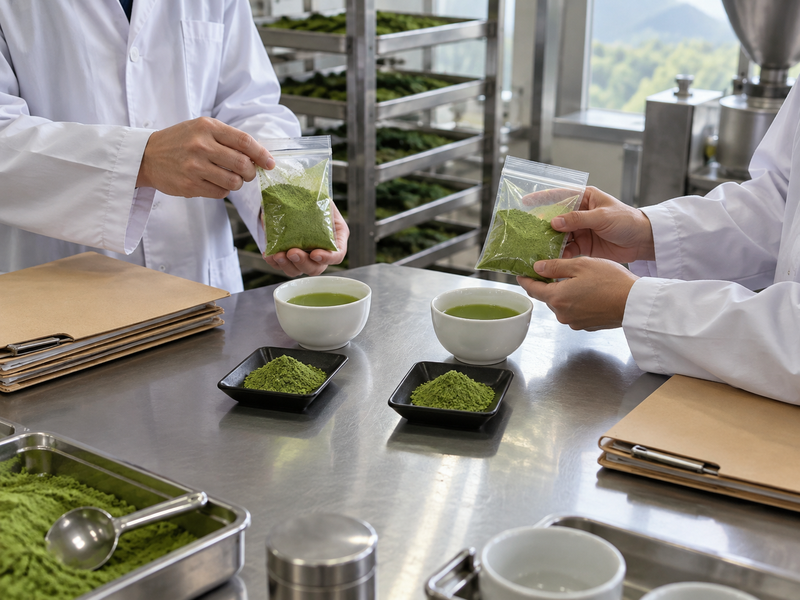
Set a review rhythm based on the arrangement and its risks. Confirm whether the product, manufacturing site, package and documents remain current. Ask the supplier to notify the buyer of relevant changes, and keep the qualification status tied to the actual approved version.
A backup used rarely can become outdated without anyone noticing. Check that contacts still respond, the ordering route still works and any required operational instructions remain available. Decide whether periodic trial use or another evidence check is appropriate for the business.
| Readiness item | Review question |
|---|---|
| Approved product | Has composition or processing changed? |
| Documents | Are scope and status still current? |
| Commercial route | Can the supplier still accept the order? |
| Staff instruction | Can the team execute the switch? |
Track unresolved findings with a clear status. Ready, approved with restrictions and pending review should mean different things in the purchasing system. Do not leave an expired or changed option on an emergency contact list as though nothing has changed.
10. How should the business decide whether the backup is ready?
Close the qualification file with an explicit scope
Review the evidence with procurement, quality and operations. Confirm the disruption covered, product approval, document review, trial-order outcome and current ordering route. List any restrictions that remain, such as a particular application, package size or branch group.
Separate qualification from a promise of availability. A source can be technically approved while its next quantity still needs confirmation. The activation instruction should require that check so staff do not assume approval creates stock that the supplier has never allocated.
Record the remaining commercial and operational decisions. If the source cannot cover the intended scenario, narrow its role or continue searching. Avoid labeling a partial solution as full protection merely because the qualification project has consumed time.
Send the supplier the approved product scope and notification requirements. Give the internal team a current activation sheet with contacts, order information and operating differences, then schedule the next review using the evidence needed to keep that approval useful.
Frequently asked questions
Q1: Is a different distributor always an independent source?
No. It may share production or other dependencies with the primary source. Record what disruption the alternative can actually cover.
Q2: Must backup matcha taste identical?
Define the application’s acceptance criteria. Any acceptable difference and required process change should be approved and documented.
Q3: Does sample approval reserve stock?
No. Confirm availability and any reservation terms separately with the supplier. Keep those commercial statements dated.
Q4: Can the backup use the primary supplier’s documents?
No. Review evidence applicable to the actual entity, site, product and proposed supply, with destination requirements assessed where relevant.
Q5: Should the backup be tested only during an emergency?
Complete qualification beforehand where practical, then refresh the evidence and ordering route so the activation decision uses current information.