
Matcha HACCP review connects a supplier’s hazard analysis with the powder’s actual process and intended use. Buyers can struggle when a certificate arrives without relevant production evidence. Ask for scoped process information, control responsibility and records. FDA’s HACCP guidance describes a system tailored to product, processing and distribution conditions. FDA HACCP guidelines.
Contents
- 1. What process does a matcha HACCP plan cover?
- 2. How should intended use shape the questions?
- 3. What should the flow diagram show?
- 4. What evidence supports the hazard analysis?
- 5. How do you ask about control points?
- 6. Which monitoring records should be reviewed?
- 7. What happens when a control deviates?
- 8. How should verification be discussed?
- 9. How should process changes trigger review?
- 10. What should the approval file retain?
1. What process does a matcha HACCP plan cover?
Identify product and site boundaries
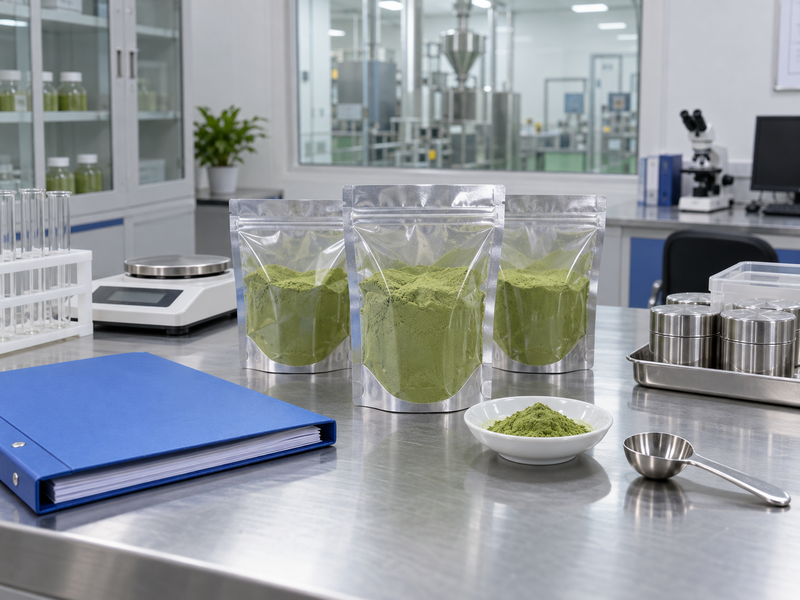
Start with the ordered product code and the operations performed at each relevant site. Ask whether the supplier receives tea material, grinds powder, blends ingredients or packs finished material. A plan summary covering packing cannot by itself explain controls used during operations at another location. Record where the supplier’s direct responsibility begins and ends.
A matcha HACCP questionnaire should identify the document revision and responsible technical function. Request a scoped summary when the full plan contains confidential information. The buyer needs enough detail to connect the ordered powder with the process examined by the supplier’s team. An unrelated product name or outdated site address requires follow-up.
Match the plan to your order. If a supplier offers both pure powder and blends, confirm which product family the evidence covers. A blend containing other ingredients may need a different assessment. Keep the approved product identity beside the process summary so later reviewers can check whether the same arrangement remains in use.
| Boundary | Ask the supplier | Keep in the approval file |
|---|---|---|
| Product | Which codes are covered? | Product family and revision |
| Site | Which activities occur here? | Address and responsibility |
| External operation | Who supplies evidence? | Contracting contact |
2. How should intended use shape the questions?
Describe your application accurately
Give the supplier a plain description of the product you will make. State whether the powder enters a beverage, dry blend, baked item or frozen dessert and describe relevant handling steps. Include preparation conditions your company has established. Do not describe a planned thermal process as a validated safety treatment unless your technical team has supporting evidence. Matcha HACCP questions become more useful when the supplier understands how the ingredient will be used after delivery. Ask what assumptions its assessment makes about further processing and consumers. A powder intended for one processing route may need a different review for another. Have your own food safety team compare those assumptions with the intended application.
Send the actual use description. For an illustrative review, a buyer using matcha in a cold drink should state that fact instead of submitting a generic “food manufacturing” label. This example establishes a communication need; it does not assign hazards or controls to every cold beverage process.
3. What should the flow diagram show?

Follow the material through the operation
Request a current process flow summary with the steps relevant to your powder. It should let the buyer follow material receipt, preparation, packing and dispatch as applicable. Ask about rework, temporary storage and outside operations when those activities occur. The supplier should explain the scope rather than leave the buyer to construct a process from a promotional photograph.
FDA’s guidance includes developing a flow diagram and checking its accuracy at the operation. FDA HACCP application guidance. In your matcha HACCP review, ask when the supplier confirmed the diagram and whether equipment or product changes required updates. Preserve the version used for approval.
Check omitted handovers. A diagram may look complete while skipping the movement between two sites. Ask who owns the powder at that stage and where the relevant evidence sits. A clear process summary can show the responsibility boundary without listing every pipe, switch and machine dimension.
| Flow element | Review question | Evidence |
|---|---|---|
| Preparation | What happens to material? | Current flow summary |
| Temporary holding | Is this step included? | Responsibility record |
| Outside operation | How is the handover covered? | Supplier evidence link |
4. What evidence supports the hazard analysis?
Ask for rationale rather than a generic list
Ask the supplier how its team evaluates relevant biological, chemical and physical hazards for the product and process. Request the rationale for controls and for hazards it determines do not require control within the plan. A copied list of possible contaminants gives little information about the assessment behind the ordered product.
For matcha HACCP, keep purchasing questions distinct from the technical work of developing a plan. The buyer can ask whether the assessment considered raw materials, handling, equipment, packing and intended use. Its food safety team should evaluate the answers within the buyer’s own approval process. Avoid assigning universal hazards from an unrelated powder example.
Ask where the rationale is recorded. The supplier may share an approved summary instead of proprietary detail. Record who reviewed it and whether questions remain. Sensory concerns such as a dull color belong in the quality specification; they should not be described as food safety hazards without supporting technical evidence.
5. How do you ask about control points?
Connect each claim to the supplier’s assessment
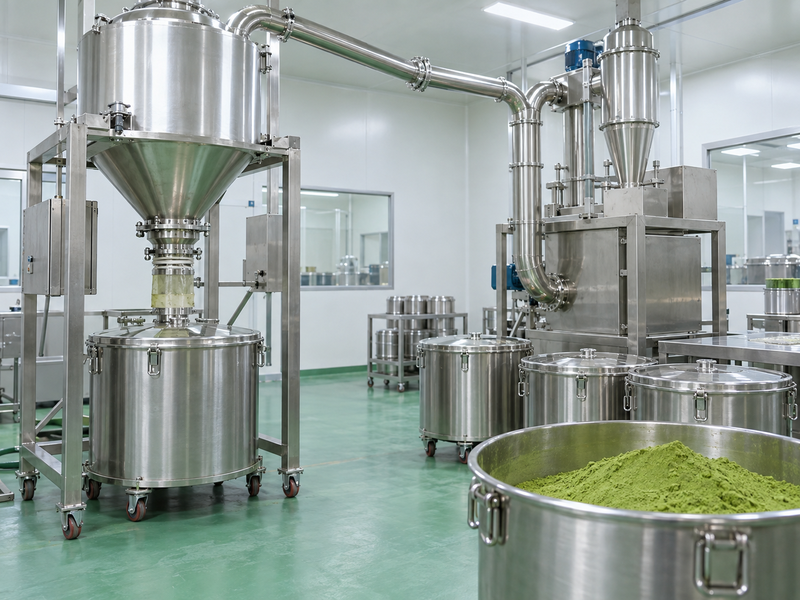
If the supplier identifies a critical control point, ask which hazard it addresses, where it operates and which evidence supports the chosen limit. Request the applicable product and process scope. The buyer should understand the control claim without prescribing a universal limit or assuming that every grinding or packing operation has the same critical control points.
Matcha HACCP review may also include controls managed through prerequisite programs or other parts of the supplier’s system. Ask how the supplier distinguishes them and records responsibility. A short summary should explain where relevant measures sit so reviewers can locate their supporting records. Do not force every useful practice into the critical control point category.
Request the basis for the control. A machine’s presence does not prove its capability in every powder and package configuration. Ask for the relevant operating and verification evidence when a supplier makes a specific performance claim. Have a qualified technical reviewer assess whether the evidence answers your product question.
| Control question | Supplier response needed | Buyer boundary |
|---|---|---|
| Hazard addressed | Named assessment item | No assumed universal hazard |
| Limit basis | Relevant supporting evidence | Technical review |
| Product scope | Covered configuration | Match ordered powder |
6. Which monitoring records should be reviewed?
Select records that answer the control claim
Ask who monitors a named control, what they record and how the operation reacts to a missing or out-of-range entry. The buyer can examine an appropriate redacted record without collecting every production log. Choose a record that represents the ordered product’s process and the current plan revision. Record the sample period and its limitations.
For matcha HACCP, a laboratory report and a production monitoring log serve different purposes. Ask the supplier which activity each document supports. A satisfactory finished powder result does not explain whether staff performed a particular monitoring task during production. Keep that question separate from routine lot acceptance.
Follow one entry through review. Look for product identity, time or sequence, recorded observation and responsible person as relevant to the control. Ask how supervisors review incomplete records and how material status is managed while questions are unresolved. The evidence should connect the documented activity with an authorized decision.
7. What happens when a control deviates?

Trace material status and disposition
Ask the supplier to explain its documented response to a deviation at a relevant control. The answer should identify who restores control, who manages potentially affected material and who authorizes disposition. Request a redacted example if available and appropriate. Do not ask the supplier to invent an incident merely to complete your questionnaire.
Matcha HACCP review should follow the material boundary described in the response. A record that fixes equipment but never identifies affected product leaves a purchasing question unanswered. Ask how the supplier determines the relevant lots or production period. Your technical reviewer should examine that rationale within the actual operation.
Check both process and product decisions. An illustrative document review might follow a missing monitoring entry through investigation and disposition. This is a suggested review exercise, not an account of a supplier failure. Record what evidence the decision used and whether the responsible person signed or otherwise authorized the closure.
| Deviation record | What to locate | Follow-up if absent |
|---|---|---|
| Control response | Action and owner | Ask how control was restored |
| Material boundary | Affected identity | Request scope rationale |
| Disposition | Authorized decision | Keep question open |
8. How should verification be discussed?
Identify the activity behind the term
Ask the supplier what it verifies, how often under its own plan and who reviews the findings. Verification may include different activities, so a reply saying “regular checks” needs detail. Request evidence relevant to the control claim and current process. Preserve the review scope and avoid claiming that one check establishes the entire system’s performance. In a matcha HACCP review, distinguish evidence supporting a control’s capability from evidence that staff operate the plan as intended. FDA describes validation within verification and distinguishes verification from monitoring. FDA HACCP definitions. Ask the supplier to identify the purpose of each document it submits.
Name the question each record answers. A calibration record may address an instrument. A record review may address completion of monitoring. A study may address a process claim. Your approval note should retain those boundaries instead of using the same generic “verified” label for unrelated evidence.
9. How should process changes trigger review?
Link change notices to plan updates
Ask how changes in product, equipment, raw material or site reach the supplier’s technical team. The buyer needs to know when a change may affect previously reviewed evidence. Establish a notice route through the supplier agreement and request revised documents where relevant. Keep the change proposal, review and affected lot identities together.
Matcha HACCP questions should cover a proposed application change at the buyer as well. If development shifts from a baked product to an unheated beverage, send an updated use description. The supplier should state whether its previous assumptions still apply. Your company’s food safety team remains responsible for evaluating its own finished product process.
Update the evidence before release. Ask Matcha Village for the current powder or blend configuration, responsible sites and relevant technical records. A general company capability statement does not establish which assessment applies to your proposed blend or packing arrangement.
| Proposed change | Evidence question | Buyer action |
|---|---|---|
| Different site | Does scope still fit? | Review site responsibility |
| Changed process | Is control evidence current? | Request revised summary |
| New application | Do use assumptions fit? | Technical review |
10. What should the approval file retain?
Make the decision readable later
Keep the product identity, site scope, intended use, process summary and technical review outcome in one indexed file. Identify which records were examined, their revisions and any restrictions on sharing. A later reviewer should understand why your team accepted the evidence without reconstructing months of correspondence. Record open items with owners and dates.
The matcha HACCP approval note should state whether the reviewed configuration is accepted for the specified use. Avoid an unconditional statement about every powder sold by the supplier. Keep routine quality specifications and lot testing requirements alongside the system review, since they answer purchasing questions the plan summary may not address.
Turn open questions into assigned actions. If the supplier has not connected a packing site with the submitted process evidence, ask for that connection. If your own application description is incomplete, assign the missing information internally. Release purchasing approval only through the decision route your company has established.
FAQ
Q1: What should a matcha HACCP review examine?
It should connect the ordered product, sites and intended use with the supplier’s process assessment and relevant control evidence.
Q2: Can a buyer use one generic plan for all suppliers?
A questionnaire can be shared. Each supplier’s answers and evidence must reflect its actual product and operation.
Q3: Does every process step need a critical control point?
The supplier’s hazard analysis determines the control approach. Buyers should request the rationale rather than assign universal points.
Q4: Does a COA replace monitoring evidence?
A COA reports selected sample results. The certificate of analysis guide covers reading those documents. Ask separately for evidence supporting the relevant production controls.
Q5: Who should evaluate technical answers?
Use qualified personnel within your supplier approval process, with purchasing responsible for obtaining the requested information.
Send the supplier a defined product and use description with your process evidence questions. Assign a technical reviewer, record the applicable sites and identify missing answers. Keep the completed review with the specification and change agreement so a later process or application change reaches the responsible people before ordering.