
Matcha heat stability describes quality performance under a defined thermal process. Buyers need trials that reproduce their recipe and product exposure. Record the temperature history and compare agreed endpoints. Green tea pigment research analyzes chlorophyll compounds associated with processing and storage, supporting investigation with laboratory evidence where visual assessment leaves questions.
Table of contents
- What should your matcha heat stability trial answer?
- Which recipe should remain fixed?
- How should you choose the thermal comparisons?
- Where should you measure product temperature?
- How should you record holding and cooling?
- Which color and flavor endpoints should you use?
- How should you compare supplier samples fairly?
- How should matcha heat stability results affect process choices?
- What should a production confirmation include?
- How should you document approval and later changes?
1. What should your matcha heat stability trial answer?
Identify one process and one quality question
Write the product, processing stage and observed defect. A developer may need to compare color after a heating step, assess cooked flavor or select a powder for a baked filling. Choose the endpoint before running samples. A request for “heat stable matcha” leaves suppliers guessing about the recipe, exposure and commercial target.
Define matcha heat stability within your application brief. Send the supplier the actual process question. State whether the powder enters before heating, during a mixing stage or after another approved operation. Include planned dose and finished evaluation conditions. A supplier’s general recommendation needs confirmation in your matrix rather than automatic transfer into your operating instruction.
Assign quality and process owners separately from the sensory panel. The trial examines product quality under conditions your responsible team permits. It cannot establish a food preservation process or replace competent process validation. Keep safety requirements in the approved control plan while development staff compare the quality of candidate powders at the relevant thermal exposures.
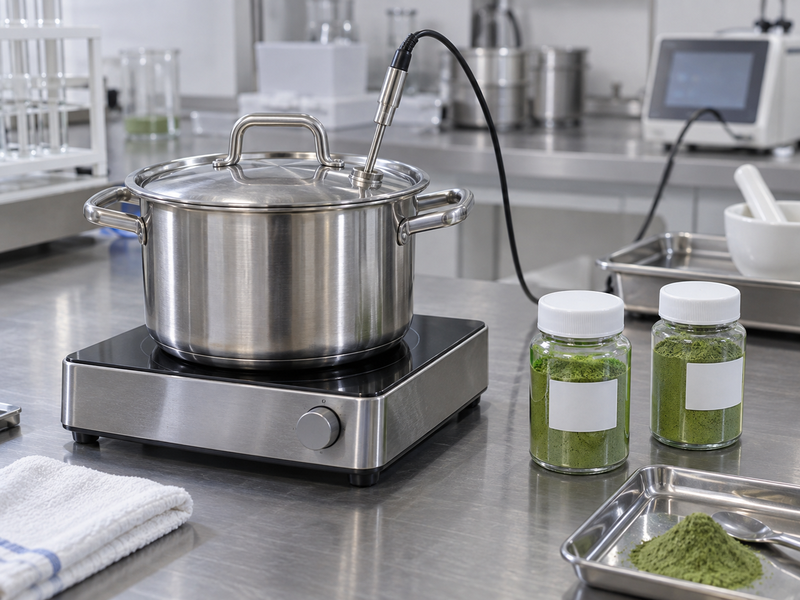
| Application question | Quality endpoint | Process information needed |
|---|---|---|
| Heated beverage | Color after cooling | Product exposure |
| Cooked filling | Flavor in finished filling | Charging and hold |
| Baked product | Finished crumb appearance | Recipe and bake record |
2. Which recipe should remain fixed?
Establish a reproducible formulation control
Record recipe version, ingredient identities, powder dose and mixing order. Measure relevant properties such as pH using a documented procedure. Keep water source and base ingredient codes consistent during initial comparison. If a milk, fruit or sweetener component changes midway, its effect becomes part of the investigation and needs a separate record.
For matcha heat stability, prepare a baseline with the same recipe and a defined comparison history. Hold the matrix constant during screening. Ask the technical team how to prepare and retain that baseline within the site’s safety procedures. Record sample mass and vessel geometry so a later repeat can follow the same preparation.
Give suppliers enough matrix information to recommend suitable candidates without disclosing unrelated commercial details. Explain the base, intended dose and quality target. Keep laboratory water tests separate from recipe confirmation. A powder that performs acceptably in a simple dispersion may behave differently in your commercial product, so shortlist candidates using screening and then evaluate the actual matrix before approval.
3. How should you choose the thermal comparisons?
Use the plant’s process options
Ask process staff which conditions are feasible and permitted for the intended product. Select comparisons that answer an operating question, such as the existing process and an approved alternative. Avoid copying a universal temperature range from a supplier article. Its sample, matrix and timing may be unrelated to your formulation or equipment.
A matcha heat stability plan should identify heating stage, planned hold and cooling arrangement for each condition. Keep safety decisions with the responsible process team. If a proposed change requires additional validation, record that requirement before interpreting a better-looking trial sample as permission to use it commercially. Development observations support quality selection within those constraints.
Use coded conditions rather than vague labels such as “gentle heat.” Define the actual record expected from each run. If your equipment cannot reproduce a chosen comparison, revise the trial with the process owner. Keep failed or interrupted runs identified separately so their results cannot enter a supplier ranking without explaining the deviation that changed the sample exposure.
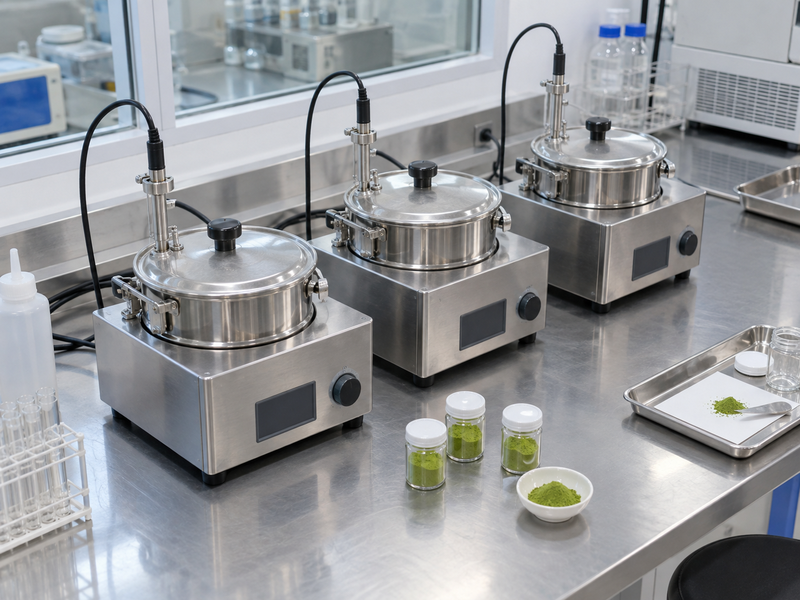
| Thermal comparison | Basis for selection | Trial record |
|---|---|---|
| Existing process | Current approved operation | Measured exposure |
| Feasible alternative | Process team assessment | Defined settings |
| Interrupted run | Documented deviation | Separate interpretation |
4. Where should you measure product temperature?
Distinguish equipment settings from sample history
Ask process staff where a measurement represents the material under review. Choose suitable probes or recording devices and check their condition through the site’s measurement procedure. Record device identity, location and collection interval. A heater setting, oven display or vessel jacket temperature does not by itself describe the full history of your product sample.
Matcha heat stability comparisons need measurements appropriate to the process. Record the product temperature you are comparing. Where a sample has several locations or stages, ask the process team which measurements answer the quality question. Avoid claiming that one convenient reading represents all product exposure without their assessment and supporting record.
Keep probe placement consistent across repeat runs. Note mixing, vessel fill and any interruption affecting measurement. Do not add unsafe manual sampling steps to a running line; use the site’s approved collection procedure. Link recorded temperatures with sample codes immediately. This prevents an attractive finished sample from being assigned the wrong process condition when several trials are evaluated together.
5. How should you record holding and cooling?
Capture delays as part of the process
Record the start and end of each relevant stage. Include waiting before heating, the actual hold and cooling history. Note whether a batch remained in a warm vessel while another operation became available. That delay can distinguish a development run from normal production and should remain visible in the trial report.
For matcha heat stability, use a time record linked with the temperature record. Include cooling in the comparison. A sample photographed immediately after heating and another assessed after a longer cooling interval do not share an observation basis. Agree evaluation temperature and time so sensory and color comparisons describe comparable finished conditions.
Track sample collection and storage after processing. Record covered or open holding, container identity and any transfer. If delays differ, repeat the relevant comparison before assigning the effect to a supplier. Keep the actual sequence rather than rewriting the record to match the plan. Procurement needs a powder recommendation that works under the plant’s realistic timing and equipment arrangement.
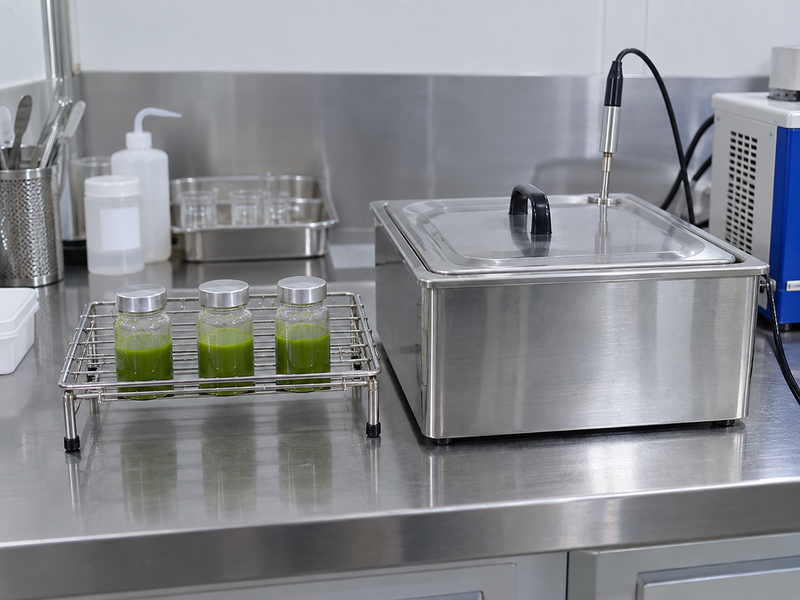
| Stage | Recorded timing | Associated condition |
|---|---|---|
| Pre-process hold | Actual waiting period | Container and exposure |
| Thermal hold | Start and end | Product temperature |
| Cooling | Recorded sequence | Evaluation temperature |
6. Which color and flavor endpoints should you use?
Approve practical assessment methods
Choose a color method with consistent sample presentation, lighting and observation time. Where suitable, use a colorimeter with documented settings and operator procedure. Keep photographs as controlled appearance records. The site’s color measurement article offers a related preparation check. Define acceptable differences against the finished product reference selected by your team.
For matcha heat stability, assess flavor at the intended product condition. Use coded samples at the same evaluation temperature. Record relevant descriptors such as tea character, bitterness or cooked notes with an agreed scale and reference. Keep the panel composition and sample serving procedure consistent. Do not invent a universal score that promises commercial acceptance across products.
If color or flavor changes need chemical explanation, ask the laboratory a focused question using identified samples. Preserve analytical results separately from sensory decisions. A measurable pigment change may still meet the product’s appearance target, while sensory concerns may need another investigation. Record which endpoint failed and who decides the next action before changing the powder dose or supplier.
7. How should you compare supplier samples fairly?
Use matched dose and exposure for screening
Request traceable samples of the selected product codes. Start with the same powder dose, recipe and measured exposure for each candidate. Keep bag opening and preparation procedures consistent. Randomize run or assessment order where practical so one supplier does not always receive a cleaner machine, shorter delay or different observation sequence.
Matcha heat stability screening should distinguish a supplier comparison from dose optimization. Compare equal doses before changing the recipe. A later dose ladder can identify whether another dose meets the target and what it costs per finished unit. Record that as a separate trial with its own conditions rather than mixing its results into the equal-dose ranking.
Ask for independent lot samples when a promising candidate reaches confirmation. Repeat the relevant process comparison with the same endpoints. Keep grade names as supplier descriptions, then use application evidence for selection. A premium label does not establish thermal performance in your matrix. Preserve reports and retained portions so technical staff can investigate a later lot difference on the approved basis.
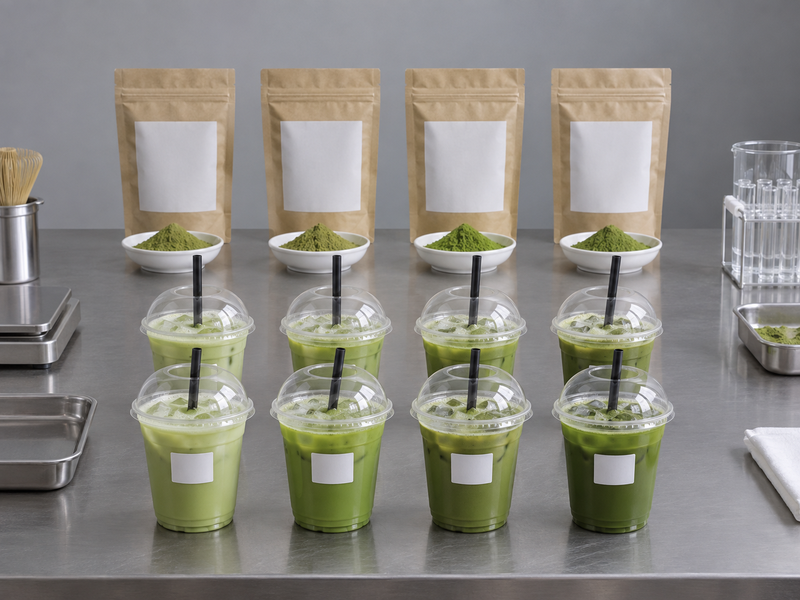
| Trial stage | Fixed condition | Question answered |
|---|---|---|
| Candidate screen | Equal dose and exposure | Which meets the target? |
| Dose optimization | Selected process | What dose is suitable? |
| Lot confirmation | Approved procedure | Is performance repeatable? |
8. How should matcha heat stability results affect process choices?
Evaluate changes with the right owners
Review quality observations with development, process and quality staff. Identify which condition meets the appearance and flavor target and which operating requirements remain unresolved. Keep sample performance separate from process authorization. A trial that looks better may require equipment changes, another validated process or revised operating controls before commercial use.
Use matcha heat stability findings to narrow choices. Confirm each proposed process change before adoption. Document technical review, required validation and any remaining work. Avoid presenting a supplier’s universal heating recommendation as a legal or food safety standard. Your actual product, package, distribution and preservation arrangement determine the competent assessment required.
Consider powder alternatives, dose and charging sequence within the permitted process design. Evaluate their effects separately where practical. A later charging point needs its own suitability and control review; it should never be proposed solely as a way to keep a greener sample. Record why the chosen option works for the approved process and what evidence supports its application quality.
9. What should a production confirmation include?
Reproduce the intended operating arrangement
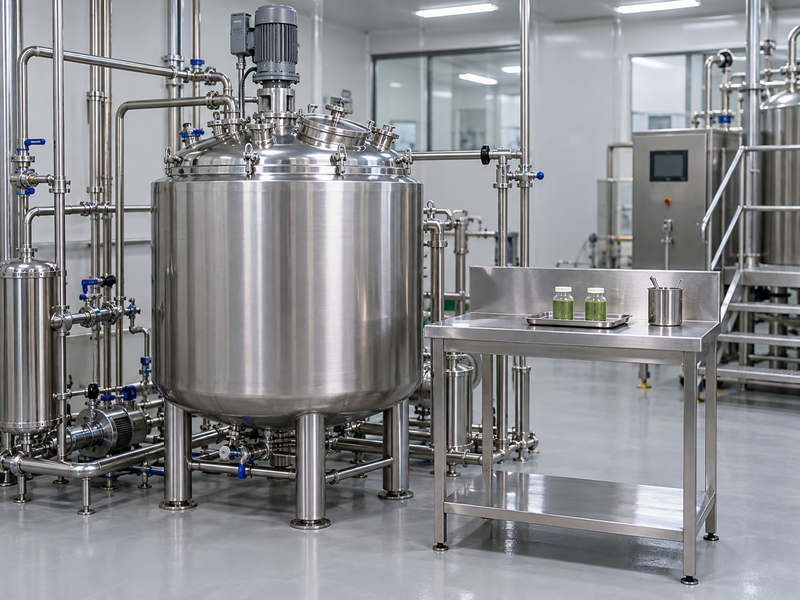
Use equipment representative of the planned production and involve normal operators. Record charge size, mixing, charging point and the measured thermal sequence. Include startup, routine operation and any relevant interruption approved for the trial. Laboratory vessel results help shortlist powders but cannot describe every production transfer, waiting period or equipment arrangement.
For matcha heat stability, collect identifiable samples at the stages needed to answer the quality question. Link samples with the production record. Evaluate the finished product using the approved method and timing. Include package and storage observation where the quality target extends beyond immediate production. Keep actual results and deviations available for supplier discussion.
Calculate ingredient cost using the accepted dose and finished yield observed in the trial. Record extra preparation or operating burden before choosing a candidate solely on powder price. Ask the supplier to review any unresolved application issue with the process record. A useful response should address that defined matrix and exposure rather than repeat a generic promise of thermal resistance.
| Confirmation item | Evidence | Approval owner |
|---|---|---|
| Process exposure | Product measurement record | Process staff |
| Finished quality | Defined color and flavor assessment | Development |
| Supplier selection | Lot and document identity | Procurement and quality |
10. How should you document approval and later changes?
Keep the accepted conditions controlled
Record powder identity, dose, recipe, process exposure, sample procedure and quality endpoints. Name approval owners and keep the accepted reference sample arrangement. Separate development history from the current operating instruction so operators can retrieve the procedure without interpreting several abandoned conditions. Keep unresolved work visible before declaring the product ready for routine production.
Your matcha heat stability agreement should define change triggers. Request review when recipe or process changes. Another base ingredient, package, powder blend, dose or equipment can require a focused confirmation. Give procurement a supplier notification requirement for the selected ingredient code and ask quality staff how later lots will be checked.
Ask Matcha Village about application recommendation and sample support. Buyers can request candidates for a stated recipe and process, with current quality documents and traceable lot identity. Confirm the specific service and commercial terms in writing. Send the approved trial basis with the sample request so the next supplier response addresses the product your team has evaluated.
FAQ
Q1: Is one universal heating temperature suitable for matcha?
Use the actual matrix, exposure and approved process constraints. Confirm quality through a controlled application trial.
Q2: Does a heater setpoint describe product exposure?
Record representative product measurements and timing with process staff. Keep equipment settings as separate information.
Q3: Can a color trial validate preservation safety?
No. Competent quality and process staff must assess and validate the commercial preservation arrangement separately.
Q4: Should supplier screening use different doses?
An equal-dose comparison helps screen candidates. Run dose optimization separately and preserve its own recipe and cost basis.
Q5: When should an approved thermal trial be repeated?
Review changes in powder, recipe, dose, process, equipment or package and confirm the relevant quality endpoints.
Send suppliers the commercial matrix, dose and approved process options. Plan representative product measurements and a coded finished assessment, then confirm shortlisted powders on intended equipment. Approve the operating record only after development and process owners have reviewed quality performance, unresolved validation requirements and the evidence needed for later deliveries.