
Matcha for ice cream manufacturers is an ingredient selected for a particular frozen recipe and process. Buyers need cold product trials before choosing a powder. Fix the base, dose and assessment conditions. A 2026 primary study assessed physical, chemical and sensory properties across matcha concentrations, supporting application-specific evaluation rather than a universal dose recommendation.
Table of contents
- What should matcha for ice cream manufacturers achieve?
- Which base recipe should remain fixed?
- How should you screen powder doses?
- What should an incorporation method comparison record?
- How should processing and aging be recorded?
- What should the overrun comparison measure?
- How should you assess cold flavor and texture?
- How should you evaluate stored frozen product?
- What supplier evidence supports production confirmation?
- How should matcha for ice cream manufacturers be specified?
1. What should matcha for ice cream manufacturers achieve?
Describe the finished frozen product
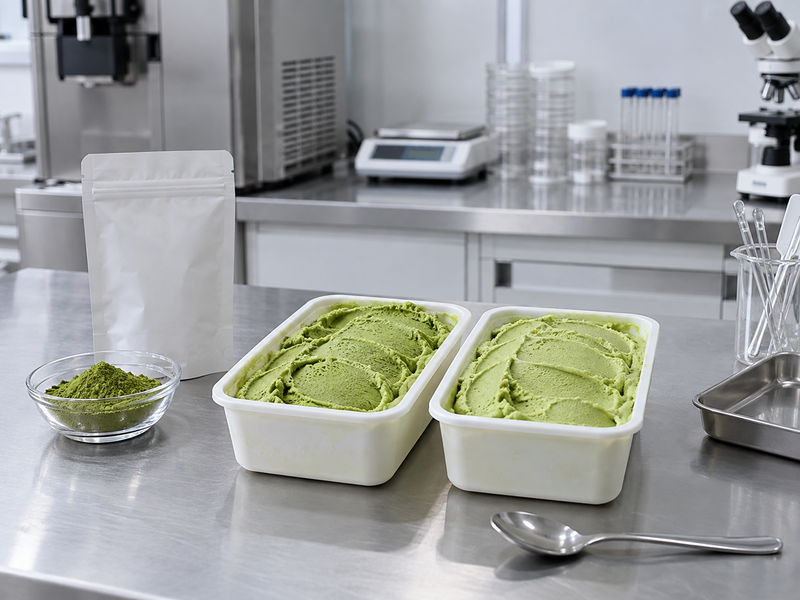
Identify the format, serving arrangement and product target. A dense scooped product, a filled novelty and a layered frozen dessert need different application briefs. Record the base category, package and intended distribution. Give development, quality, process and procurement staff separate responsibilities so ingredient selection connects with the finished product and its approved manufacturing plan.
When selecting matcha for ice cream manufacturers, define color, flavor and texture requirements independently. Choose the finished reference before requesting samples. State how the product will be served and at what assessment condition. A dry powder photograph cannot establish its appearance in the frozen base, and a warm mix tasting cannot establish customer perception after freezing.
Ask the commercial team which attributes drive acceptance and which variation it can tolerate. Keep those decisions concrete, using an identified reference and a documented assessment procedure. Assign safety and process decisions to competent staff. The ingredient trial should answer the frozen quality question while the plant’s established controls govern production, sampling and clearance for sensory evaluation.
| Product format | Trial focus | Reference to retain |
|---|---|---|
| Scooped product | Cold flavor and texture | Accepted frozen sample |
| Filled novelty | Process and filling behavior | Finished unit |
| Layered dessert | Matcha layer performance | Complete product |
2. Which base recipe should remain fixed?
Record the actual formulation
Keep base ingredients, ingredient codes and masses controlled during the initial powder comparison. Include dairy or plant components, sweeteners and other recipe materials. Record matcha dose and preparation order. Preserve the current recipe version and actual charge records so an unexpected difference can be assessed against what operators prepared.
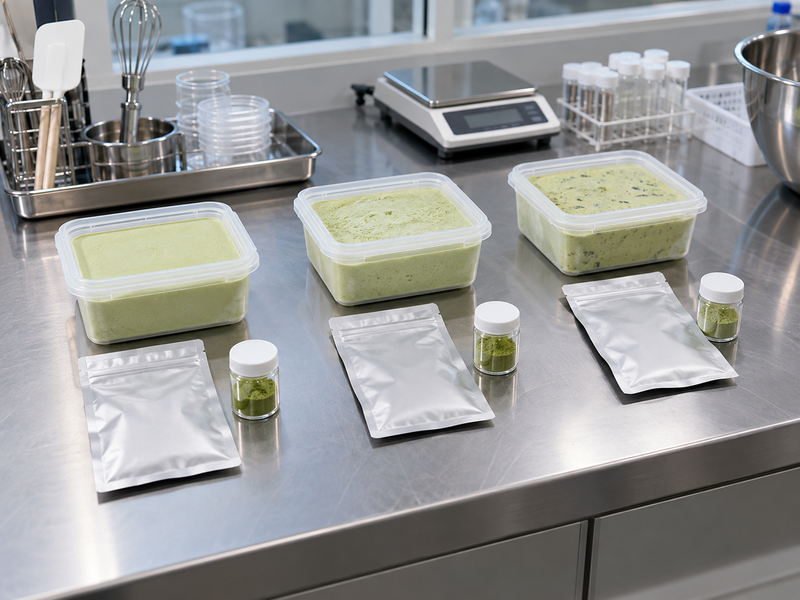
For matcha for ice cream manufacturers, use the intended commercial base for confirmation. Hold the base constant while comparing powders. A supplier may recommend a candidate based on water tasting, but the finished selection needs evidence from your actual frozen formulation. Keep simplified screening separate and identify its limits in the development report.
Ask technical staff which properties of the base require measurement and how those measurements should be taken. Do not assume every milk, cream or plant ingredient performs the same way across product codes. If another base is tested, create another recorded condition. Give suppliers a useful matrix description and quality target so their sample recommendation addresses the product your team plans to manufacture.
3. How should you screen powder doses?
Plan an application-specific dose ladder
Choose trial doses with qualified developers based on the product brief and candidate powder. Keep every level documented as a percentage or mass on a stated recipe basis. Preserve actual weigh records. Avoid importing a dose from another manufacturer’s product or a scientific study as a universal recommendation for your base and process.
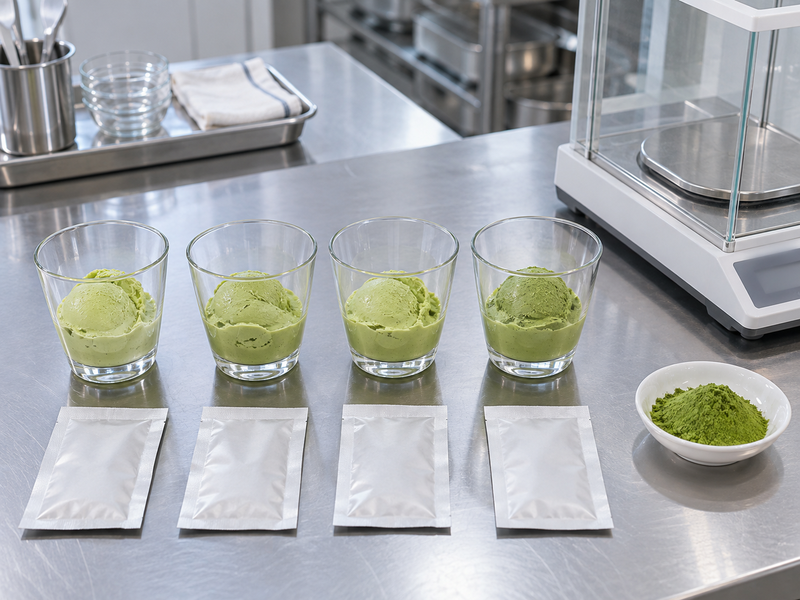
Matcha for ice cream manufacturers should be compared at an agreed common dose when supplier differences are the question. Separate supplier screening from dose optimization. After identifying promising powders, run a controlled ladder with the same base and processing. Record color, flavor, texture and production behavior for each level rather than choosing solely by the greenest sample.
Compare ingredient cost using the accepted dose and finished output. A higher powder price may still require a different dose, but the cost decision needs actual trial evidence. Keep illustrative arithmetic clearly labeled if used in a presentation. Do not invent test results or savings. Procurement should receive the selected dose and its recipe basis alongside the supplier quotation.
| Dose trial stage | Fixed conditions | Decision |
|---|---|---|
| Equal-dose screen | Base and process | Candidate shortlist |
| Dose ladder | Selected powder | Suitable recipe dose |
| Cost review | Accepted finished target | Cost per finished unit |
4. What should an incorporation method comparison record?
Record how powder enters the mix
Define powder preparation, charging point, liquid portion and mixing equipment. Record settings and duration. Compare only methods the responsible technical and process staff permit. Keep any premix stage traceable with its ingredients and masses. An undocumented extra mixing step can make a laboratory candidate look better while leaving production operators with an incomplete procedure.
For matcha for ice cream manufacturers, inspect the prepared mix using agreed observations. Record lumps, residue and texture before freezing. Keep the sample presentation and timing fixed. Where particle size information is needed, use a suitable reporting method and the site’s particle size guide as a related specification check, then confirm application performance in the base.
Reconcile powder left on bags, tools and vessels when dose recovery matters. Ask process staff whether the incorporation method scales to intended equipment and charge size. If another method improves a sample, document its operating burden and any required review. Procurement needs a powder that meets quality targets under a repeatable permitted process, with costs and preparation requirements visible before selection.
5. How should processing and aging be recorded?
Preserve the complete mix history
Record the actual preparation and processing sequence, including relevant product temperatures, timing, transfers and holding. Keep equipment settings separate from measured exposure. Identify the aging arrangement and sample collection point under the site’s approved process. When trials have different waits or handling, preserve the deviation rather than assigning every difference to powder quality.
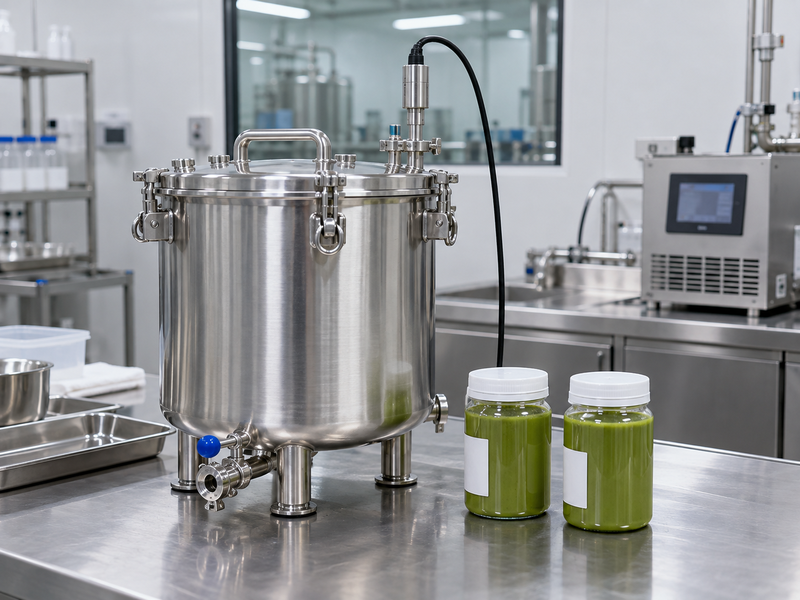
Matcha for ice cream manufacturers needs a process basis that operators can reproduce. Link each frozen sample with its mix record. Ask process staff which measurements represent the intended equipment. A small vessel and a production line can have different exposure and transfer histories. Confirm shortlisted powders under conditions representative of the commercial manufacturing arrangement.
Keep safety validation and process controls with competent quality and process staff. This ingredient trial establishes no universal preservation temperature, aging period or safe process. Development can compare quality under approved conditions, then record any additional assessment needed before a change enters production. Avoid altering an established control solely because a prototype keeps a greener appearance or tastes less cooked.
| Process record | Capture | Interpretation |
|---|---|---|
| Mix preparation | Sequence and actual masses | Recipe identity |
| Thermal exposure | Product time and temperature | Quality comparison |
| Holding | Actual conditions and duration | Frozen sample history |
6. What should the overrun comparison measure?
Use one measurement procedure
Agree the overrun method with technical and operations staff. Record sample collection, vessel volume, weighing procedure and product condition. Where the approved procedure uses equal-volume masses, the calculation needs comparable mix and frozen product measurements. Keep that basis visible and have the technical owner check the formula before results enter a purchasing comparison.
For matcha for ice cream manufacturers, measure overrun alongside the finished quality assessment. Keep freezer settings and collection conditions recorded. A powder comparison becomes difficult when staff change equipment settings without tracking them. Record operating changes as separate conditions, then assess whether the observed product still meets its intended serving and texture target.
Use hypothetical values only to teach arithmetic. Real selection needs actual trial measurements from the approved procedure. Avoid promising that matcha automatically increases or decreases overrun across recipes. The primary study cited above concerns its own formulation and trial design. Your team must assess the selected base, powder dose, freezer arrangement and collection method before writing an application requirement.
7. How should you assess cold flavor and texture?
Serve matched coded samples
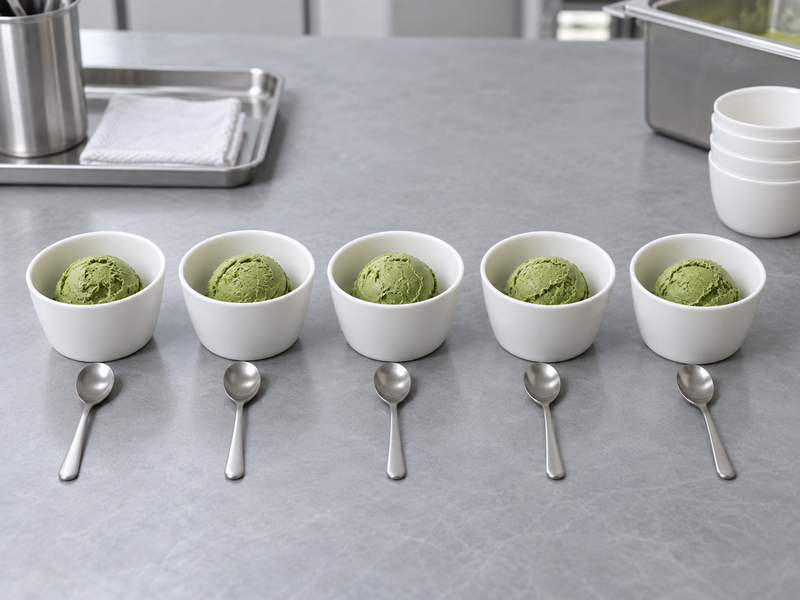
Choose a serving procedure that reflects intended use. Record sample temperature, portion size and time between removal and assessment. Obtain quality clearance for sensory work. Use codes to reduce expectations tied to supplier or grade names. Evaluate relevant descriptors such as tea character, bitterness, sweetness and any gritty or uneven texture using an agreed reference.
Matcha for ice cream manufacturers should be judged in the frozen product. Compare samples at the same serving condition. A sample warming longer than another may present a different texture or flavor. Keep those conditions fixed and document deviations. Avoid describing a warm liquid mix as proof that the finished product will meet the customer target.
Assess the complete product when matcha appears in a filling or layer. Record interactions with other flavors using the actual assembly rather than guessing from isolated components. If a candidate needs a higher dose, repeat the frozen assessment and cost review. Keep sensory acceptance separate from analytical, safety and document requirements so each reviewer can see the evidence supporting their decision.
| Sensory condition | Control | Record |
|---|---|---|
| Serving temperature | Matched procedure | Actual condition |
| Portion | Same presentation | Sample code |
| Assessment timing | Defined interval | Deviation if changed |
8. How should you evaluate stored frozen product?
Test the package and distribution arrangement
Define the intended storage, package and commercial quality period with responsible staff. Plan observation points before filling trial units. Keep enough identified unopened units for destructive assessments. Record temperature history, interruptions and package condition. Avoid converting a short freezer screening into a universal shelf life statement or assuming one household-style freezer represents your distribution.
For matcha for ice cream manufacturers, use the same appearance and sensory procedures at each assessment. Retain the baseline and storage records. If display lighting affects the intended package, include the relevant condition in the quality study. Keep pigment analysis separate when the team needs a chemical explanation for a color change.
Assess texture and other agreed quality endpoints alongside color. A photograph alone cannot establish frozen product suitability. Ask competent quality staff what safety and shelf life evidence the finished product requires. Keep accelerated or stress comparisons identified as screening unless their relationship with intended storage has technical support. Record the conditions that fail and the specific follow-up needed before approving the product.
9. What supplier evidence supports production confirmation?
Request traceable commercial lot samples
Obtain ingredient code, lot identity, current technical sheet and applicable quality documents. Ask whether the sample represents routine commercial supply or a development blend. Request sufficient material for the approved process and storage comparisons. Confirm quantities, format and commercial terms in writing so production staff can schedule a representative run.
Matcha for ice cream manufacturers should receive independent lot confirmation when consistency is part of the brief. Repeat the selected recipe with another identified lot. Keep dose, processing, freezer arrangement and assessment fixed. If a difference appears, share the actual records with the supplier and ask for an explanation tied to that material and application.
Ask Matcha Village about bulk ingredients, application recommendations and sample support. Buyers should confirm the exact candidate and current document scope. Use the site’s certificate of analysis guide as a related document review. Do not assume a commercial grade name establishes a specified pigment concentration, cold sensory outcome or certification coverage for every product and destination.
| Supplier evidence | Required identity | Confirmation use |
|---|---|---|
| Ingredient sample | Product and lot | Application trial |
| Technical sheet | Current selected code | Specification review |
| Quality report | Defined scope and basis | Receiving requirement |
10. How should matcha for ice cream manufacturers be specified?
Connect the ingredient with its accepted application
Record selected powder, dose, recipe, incorporation procedure and finished quality target. Link process, overrun, sensory and storage evidence with their methods. Name approval owners and identify any work still required before commercial release. Keep the accepted reference and its storage arrangement available for later supplier and production comparisons.
Write the matcha for ice cream manufacturers purchasing agreement around confirmed requirements. Define change notification before recurring orders. Another powder code, blend arrangement, base ingredient, dose, process or package may require review. Ask quality and technical staff which confirmation applies. Avoid turning a favorable trial into a broad guarantee covering another frozen recipe or manufacturing route.
Confirm supplier report frequency and receiving checks for future deliveries. Keep a traceable complaint procedure that records product identity, handling and retained samples where available. If a later batch differs, compare the approved procedure with actual operation before changing supplier limits. Procurement should receive a current ingredient document that clearly distinguishes measured powder requirements from process-dependent finished performance.
FAQ
Q1: Can a drinking-grade label select an ice cream ingredient?
Use it as supplier information. Confirm color, cold flavor and texture in your actual base and manufacturing process.
Q2: Is there one recommended matcha dose for every base?
Run an application-specific dose ladder with qualified developers and record the recipe basis and accepted frozen quality.
Q3: Can warm mix tasting replace frozen assessment?
No. Compare the frozen product under a matched serving procedure and quality-cleared sensory conditions.
Q4: Should overrun be recorded during a powder comparison?
Yes, when relevant to your target. Use one approved measurement procedure and retain freezer and collection conditions.
Q5: What should trigger a new confirmation trial?
Review changes in powder, base, dose, incorporation, process, freezer arrangement, package or intended storage.
Send suppliers the base, dose range and finished frozen target. Compare traceable powders under matched processing and serving conditions, then confirm the selected ingredient through production and storage studies. Approve recurring purchase requirements only after technical reviewers have checked the application evidence, current documents and the agreed response to future changes.