
Matcha flavored snacks are easy to list and harder to buy well. A green biscuit, filled chocolate, and chewy sweet have different ingredient costs, storage needs, and reasons for a shopper to choose them. Wholesale buyers need a compact assortment with clear uses and reliable product information, not a shelf filled with similar packs. Start by tasting the exact saleable item and checking its pack and supply terms. Our private-label matcha guide is relevant when a buyer intends to develop a branded format rather than resell an existing one.
Contents
- 1. What job should the snack range do?
- 2. Which formats are worth sampling?
- 3. How much matcha flavor should be present?
- 4. How do texture and sweetness change the choice?
- 5. What should a buyer ask about ingredients?
- 6. How should packaging be tested?
- 7. Which supplier details matter before an order?
- 8. How should tasting samples be compared?
- 9. What does the snack cost at the shelf?
- 10. When should a format stay or leave?
1. What job should the snack range do?
Begin with the shopping occasion
A café might want a small item beside a matcha latte; a gift retailer might need an attractive pack; a grocery buyer may need a repeatable everyday snack. Those tasks call for different serving sizes, pack durability, and price points. Write the intended occasion for each proposed item before viewing supplier catalogs. “Matcha snack” is not a shelf role. A single-serving biscuit and a multi-piece gift box may both belong in a range, but only if they serve distinct shoppers.
Observe what guests already buy and ask staff which questions they answer. Do people want a strong tea flavor or just a sweet treat with a green cue? Do they take it away or eat immediately? Use those answers to limit the first test range. Tsunagu Japan’s souvenir list shows the breadth of Japanese snack formats, but it is a consumer roundup, not a current wholesale inventory or evidence of demand in your store. Local sales and tasting should drive the buy.
2. Which formats are worth sampling?
Pick formats with different operating demands
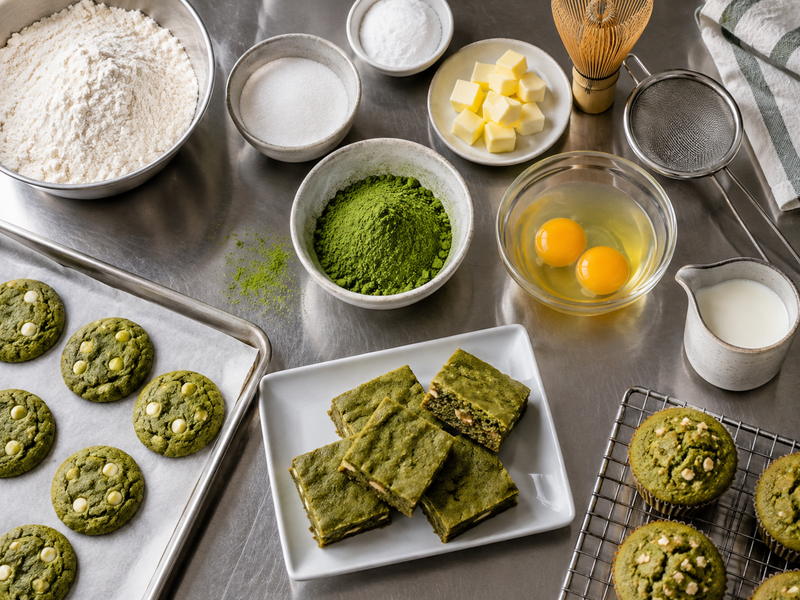
Start with a small set that reveals useful contrasts: a baked biscuit, a chocolate-coated item, perhaps a filled wafer or soft confection. Each presents a different question about texture, temperature, breakage, and matcha visibility. Do not sample ten near-identical cookies and call the range broad. Ask the supplier for the exact SKU and pack that would ship commercially; a loose kitchen sample may taste good but says little about the retail unit after transport.
Create a shortlist with the role of each format, expected customer, case size, and storage instruction. Note whether the product is finished and ready to sell or whether your business must pack, label, or assemble it. The latter is a different operational project. Matcha powder can also be sourced for a house-made snack, but that requires a controlled production formula and local food handling. Separate resale decisions from product development so the buyer is comparing like with like.
| Format | Reason to test | Main risk |
|---|---|---|
| Baked biscuit | Familiar portion | Tea lost in sweetness |
| Coated chocolate | Strong visual cue | Heat and breakage |
| Filled wafer | Texture contrast | Moisture and crushing |
3. How much matcha flavor should be present?
Taste beyond the first sweet bite
Color is a weak substitute for flavor. Taste a full serving, noting when matcha appears and whether it remains after the sweet coating or filling fades. Ask whether the tea is in dough, cream, coating, or more than one component. The ingredient statement and product specification can help explain that structure, but the finished snack is the final test. A faint tea note may be acceptable in an entry sweet; a specialty matcha item should justify its name to the intended customer.
Avoid assuming that a high powder percentage guarantees a good result. In a fatty or sugary matrix, a different grade or dose can change bitterness and aroma. For a private-label prototype, test measured matcha levels with the rest of the formula fixed and compare after normal packing and storage. For resale, request a representative production sample and verify it matches the offered SKU. If a supplier later changes the formula, a brief new taste and label review is warranted before reordering.
4. How do texture and sweetness change the choice?
Evaluate the whole serving
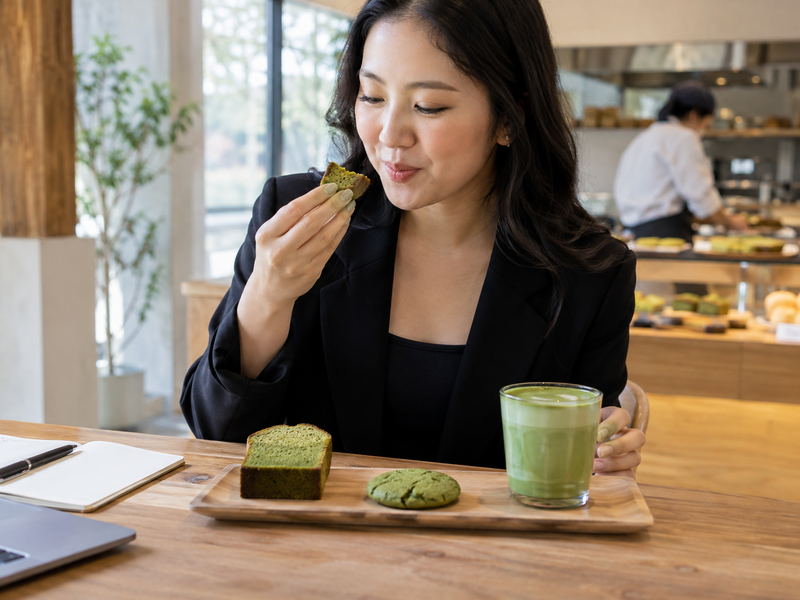
A crisp shell with a soft filling can be appealing, but only if the textures survive the intended channel. A biscuit that crumbles in a handbag may be unsuitable for takeaway even when it tastes good at a sampling table. Sweetness also frames tea flavor. A highly sweet snack can draw first-time buyers, yet it may disappoint customers expecting a clear matcha note. Write a target for each assortment role rather than ranking everything by one “best taste” score.
Test snacks at the temperature and time they will be sold. Chocolate from a chilled sample may eat differently after normal shelf display; a wafer can soften if its package is compromised. Use a simple scorecard for tea flavor, sweetness, texture, portion, and willingness to buy again. Ask a few staff or target customers to taste coded samples before revealing brand and price. This reduces the tendency to prefer the most elaborate package over the most saleable product.
| Sensory check | Ask tasters | Buyer action |
|---|---|---|
| Tea flavor | Can you identify matcha? | Confirm promised role |
| Sweetness | Does it mask the tea? | Adjust assortment position |
| Texture | Is it pleasant after travel? | Review pack and channel |
5. What should a buyer ask about ingredients?
Match copy to the exact SKU
Request the ingredient statement, allergen information, nutrition panel or supporting data as relevant, pack specification, lot identification, and storage guidance for the actual product. A matcha-flavored item may contain plain tea, a tea blend, or a small amount of matcha within a flavored coating. The buyer should know which is true before writing shelf copy. If the product is described as organic, vegan, gluten-free, or otherwise specialized, verify the exact SKU and the destination-market requirements with a qualified reviewer.
Do not carry forward a claim from a related product or a promotional photograph. Chocolate, dairy, nuts, wheat, and sesame may be present depending on format, and a reformulation can change the answer. Keep approved copy in one place for shelf tags and online listings. If your business develops its own snack, the same ingredient review must connect to the controlled formula and production process. A responsible supplier can provide documents relevant to the offered product; the buyer still owns the accuracy of its sales presentation.

6. How should packaging be tested?
Simulate the journey to the customer
Inspect a delivered sample case, not only a single pristine pack handed over by a sales representative. Count crushed pieces, scuffed cartons, weak seals, and packs that cannot stand or face neatly on the shelf. Test how the product looks after ordinary handling from stockroom to display and into a shopping bag. If the snack is sold online, run a parcel trial using the actual shipping pack. A beautiful gift box that arrives damaged is not a successful format.
Check whether pack size suits the shopping occasion and the retailer’s stock rotation. Individual wrapping can protect pieces but adds material and may change cost. A transparent window shows color yet can expose product to light; follow supplier storage instructions rather than assuming visual appeal is free. Verify that date, lot, and required label information remain readable. Packaging should protect flavor, texture, and identity through the sales channel, not merely provide a social-media image.
| Package test | Inspect | Consequence |
|---|---|---|
| Case delivery | Breakage and seals | Saleable yield |
| Shelf facing | Stability and label | Shopper choice |
| Takeaway or parcel | Crushing and scuffing | Returns and waste |
7. Which supplier details matter before an order?
Connect terms to turnover
Confirm the exact product code, case configuration, current available dating, storage instructions, order process, and replenishment expectations in writing. A low unit price does not help if the case size leaves slow-moving stock close to its date. Ask how damage and incorrect shipments are handled. If a product comes from another market, have the importer or compliance team review the destination label and applicable requirements before sale. Do not assume a product listed in a travel article can be purchased wholesale today.
For custom product development, ask which parts can actually be changed: matcha ingredient, sweetness, portion, wrapper, or outer carton. Confirm who owns testing and label approval. Matcha Village can discuss matcha ingredient selection and B2B supply from the company context, but no specific snack production capability, minimum order, or test result should be assumed without a direct quote. Keep sample results and terms together so purchasing can compare commercial offers with the exact snacks tasters approved.
8. How should tasting samples be compared?
Use the intended customer and channel
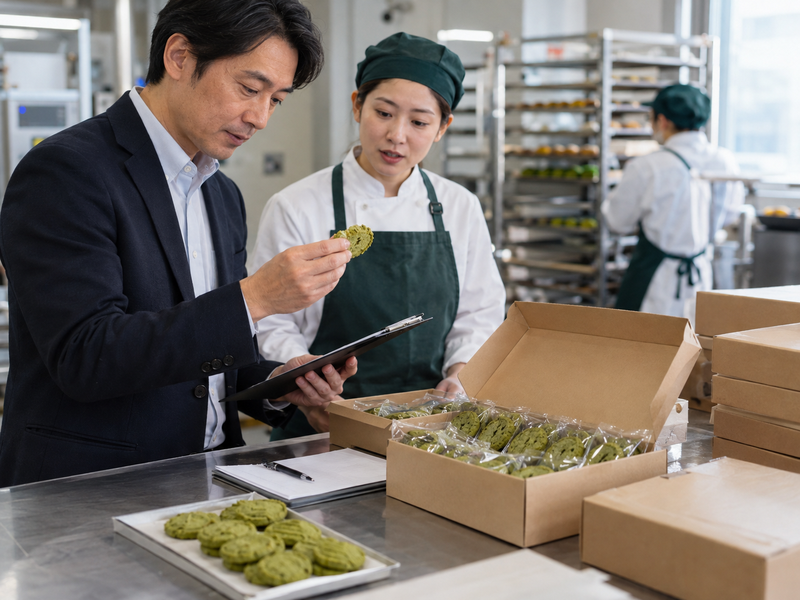
Prepare coded samples from saleable packs. Serve equal portions at the same temperature and ask tasters to score tea flavor, sweetness, texture, appearance, and likelihood of a repeat purchase. Include the pack after the blind taste so packaging can be assessed separately. A staff vote is useful but may not represent shoppers; test with a small group from the intended audience when possible. Keep notes in their words rather than forcing every response into an elaborate flavor wheel.
Then run a limited shelf or café trial with clear prices and placement. Record units sold, questions, returns, and waste, along with any sampling activity. An item that sells only when staff give a free taste may need better shelf explanation or may not fit the channel. Avoid changing position, price, and sign all at once; one controlled adjustment gives clearer learning. Compare formats against their assigned roles, because a premium gift box and an impulse biscuit do not need the same sales rate to be useful.
| Trial phase | Evidence | Decision |
|---|---|---|
| Blind taste | Flavor and texture notes | Shortlist |
| Pack review | Label and handling | Channel fit |
| Limited sale | Movement and waste | Reorder or revise |
9. What does the snack cost at the shelf?
Include losses and the full route
Start with landed cost per saleable unit, including freight, duties where applicable, and damaged or unsaleable pieces. Add shelf or online fulfillment costs under the retailer’s pricing model. If the store samples the snack, include that expense in the trial rather than treating free units as invisible. Calculate margin on the pack customers actually buy. A case with many small pieces may have a different waste pattern from a single large gift box.
Review how pack size and price compare with the role of the item. An entry snack priced like a gift may fail even if its ingredient cost is low. A premium format can support a higher price only if its tea flavor, quality, and pack justify it to shoppers. Track markdowns separately from full-price sales. If dating or breakage repeatedly erodes margin, reducing order size or changing format may help more than negotiating a small discount on the next case.
10. When should a format stay or leave?
Review role, sales, and waste together
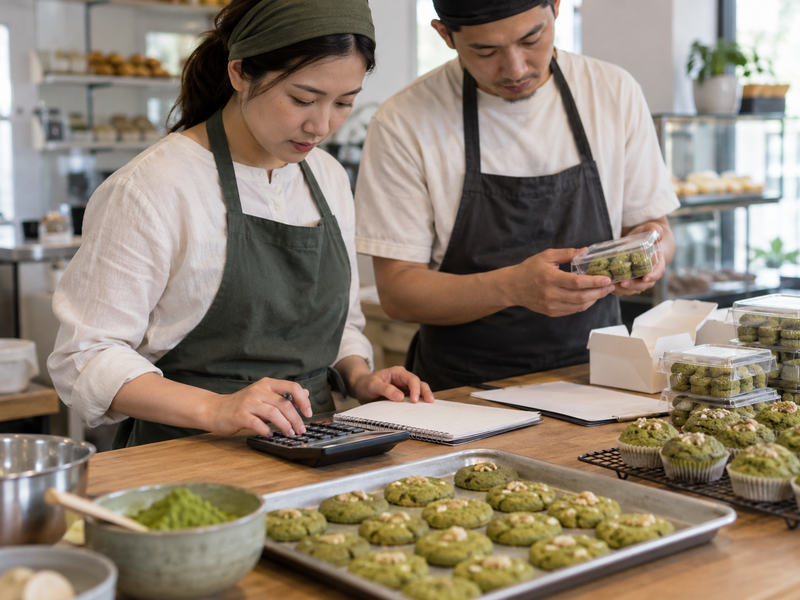
At a regular interval, compare movement, gross margin, stockouts, markdowns, returns, and customer questions by SKU. A snack can earn its place by serving a clear gift or specialty role even at a lower unit volume than an impulse item. Conversely, a frequently sampled product that seldom converts may be taking space from a better fit. Look at season and display changes before drawing a conclusion from a few quiet days.
Retest the product if the supplier changes ingredients, pack, or production source. Keep a short record of why the item was listed and why it was retained or removed. Replace overlapping SKUs rather than endlessly widening the shelf. The buyer’s goal is not to collect every green snack available; it is to build a small range customers understand and that the business can replenish and sell in good condition.
| Review signal | Possible cause | Next step |
|---|---|---|
| Slow movement | Unclear shelf role | Improve explanation or delist |
| High breakage | Pack or channel mismatch | Test protection |
| Strong repeat sales | Good product fit | Confirm supply and rotation |
FAQ
Q1. Must a matcha snack contain a high percentage of tea? The appropriate level depends on format and flavor target. Verify ingredient information and taste the finished unit; do not infer quality from color alone.
Q2. Is a souvenir roundup a wholesale catalog? No. Use it for format ideas, then confirm current SKUs, terms, and destination-market labels with suppliers.
Q3. Which format should a café test first? Start with a product that fits an existing customer occasion and counter workflow, then measure sales and waste.
Q4. Can a retailer reuse supplier health claims? Have claims reviewed for the exact product and market before placing them on shelf or online copy. Ingredient descriptions are often clearer.
Q5. How many products belong in an initial range? Enough to cover distinct shopping tasks without confusing customers or slowing stock rotation. Expand only after a measured trial.
Buy for the shelf, not the photograph
Good matcha flavored snacks make sense in flavor, pack, price, and replenishment. Give each item a role, test the saleable unit, verify its information, and compare movement with waste. A small, deliberate assortment can give customers more useful choice than a crowded display of similar green packs.