
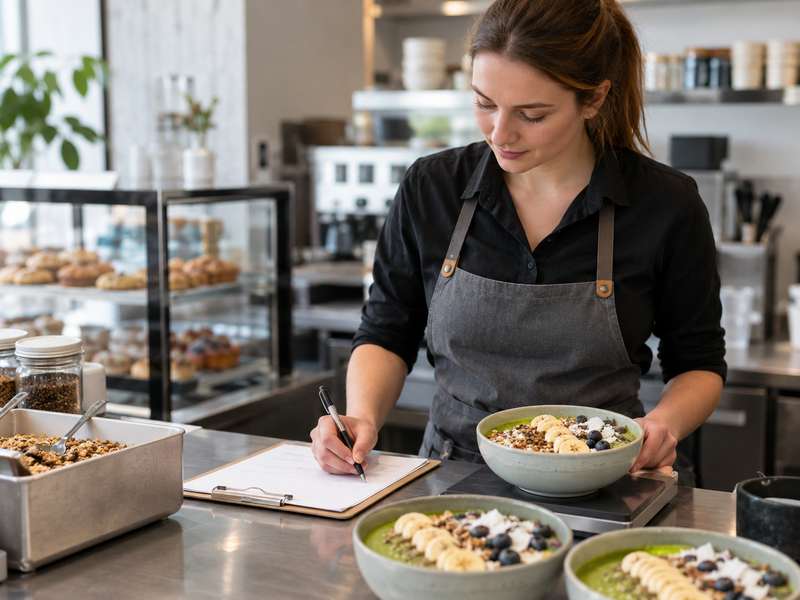
A matcha breakfast bowl can turn into a slow brunch ticket if every fruit cut, yogurt scoop, and garnish is decided after the order arrives. The fix is a measured base and an assembly plan that preserves fresh texture without asking staff to improvise. This guide treats the bowl as a made-to-order café dish: portion it, time it, and test how it eats at the table. For broader food application testing, see our matcha cake guide; the same powder may behave differently in yogurt.
Contents
- 1. What makes the bowl worth ordering?
- 2. Which base holds the toppings?
- 3. How much matcha belongs in the base?
- 4. Which fruit can be prepped consistently?
- 5. How should crunch and sweetness be added?
- 6. What bowl and portion size work?
- 7. Which steps can be prepared before service?
- 8. How should a brunch ticket be assembled?
- 9. What should the cost sheet include?
- 10. How do you review the dish after launch?
1. What makes the bowl worth ordering?
Define a complete breakfast dish
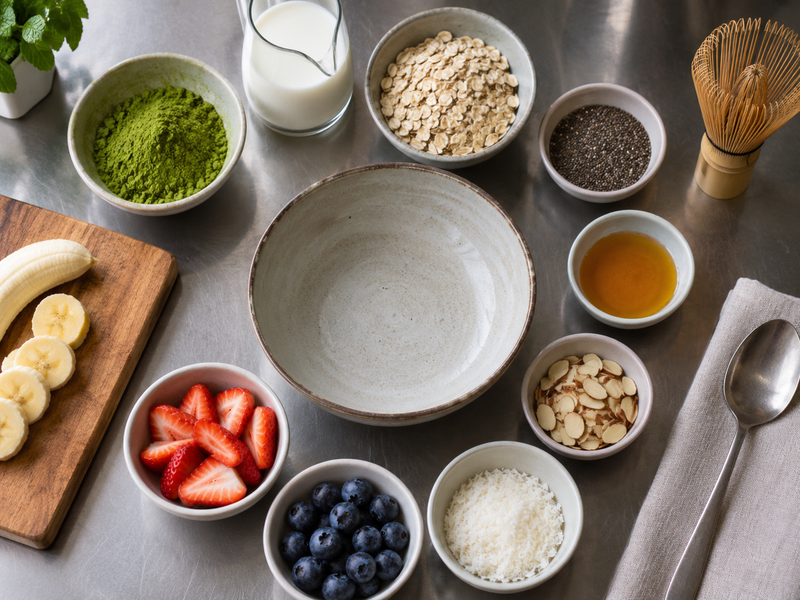
Decide whether the bowl is a light yogurt dish, a substantial oat-based breakfast, or a fruit-forward special. The menu description should tell guests what the main base is and what they will receive, rather than letting the word matcha carry the entire offer. Set a flavor target: tea should be detectable in the base, fruit should provide contrast, and crunch should last until the first several spoonfuls. Photograph a passing plate with the actual bowl and spoon.
Taste the complete dish while seated as a guest would. A ring of attractive toppings can leave a plain middle or an overly sweet last bite. Mix a spoonful of each component to judge the intended balance. Good Food Middle East’s breakfast bowl is a consumer recipe reference; a café needs its own portion, prep, and handoff plan. Avoid repeating any nutrition or wellness language from an example unless it has been reviewed for the exact served dish.
2. Which base holds the toppings?
Choose by texture at the table
Yogurt, blended fruit, overnight oats, and thick porridge create different bowls. For a yogurt-and-fruit concept, compare the exact yogurt products the kitchen can buy at the same serving mass. Look at thickness, acidity, sweetness, and whether toppings sink during a normal wait. A highly sweetened base may make fruit and honey redundant; a very tart base may push staff to add an unmeasured syrup pour. Record the chosen product and approved substitute.
Test the base in the serving bowl, not a small tasting cup. A shallow, wide bowl exposes more surface and can make a thin mixture appear even thinner. If a plant-based yogurt option is offered, evaluate it as its own recipe because texture and sweetness may differ. Check ingredient statements and cross-contact handling for the equipment and toppings used. The food-safety lead should set the storage and prep procedure for perishable components under local rules. Flavor and plating trials do not establish safe holding periods.
| Base option | Strength to test | Common service issue |
|---|---|---|
| Thick plain yogurt | Holds fruit | Tartness or cost |
| Sweetened yogurt | Fast flavor | Too much total sugar |
| Plant-based yogurt | Guest choice | Different body and label |
3. How much matcha belongs in the base?
Weigh the powder before adding toppings
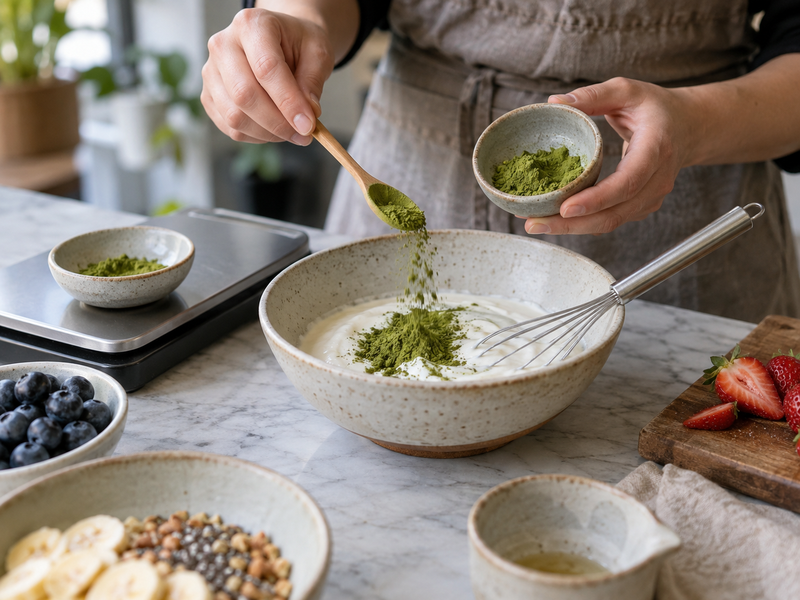
Build a small dose ladder using one yogurt product and the same base mass. Mix a measured matcha amount into a small portion first, then fold it through the rest to avoid dry flecks. Taste the base alone and with the complete fruit and crunch arrangement. An assertive fruit can hide a weak matcha dose, while a high dose can taste rough in a tart yogurt. Choose from the finished bowl, then record grams per serving and per prep batch.
The purchasing team should test the powder that will actually be supplied. A grade name is less useful than a representative sample tasted in the chosen base. If the shop switches from pure matcha to a sweetened mix, sugar and tea amounts both change; it is a new recipe, not a simple mass substitution. Matcha contains caffeine, so the menu should not suggest this bowl is caffeine free. If customers request a number, use product-specific data and the weighed serving, with qualified review before publishing it.
4. Which fruit can be prepped consistently?
Compare prepared yield and appearance
Pick fruit for flavor, availability, portionability, and how it looks after normal prep. Berries, banana, stone fruit, and citrus all demand different cutting and holding. Weigh the fruit after washing and trimming; purchased weight is not the amount reaching the bowl. Cut a small service batch and inspect it after the approved prep interval. If the fruit releases a lot of juice or changes color before the rush, reduce advance preparation or choose a more stable cut.
Write the fruit portion in grams and give staff a simple arrangement to follow. A design that needs twelve individually placed slices may slow service without improving the eating experience. Seasonal substitution should be planned as an approved alternative with its own cost and taste check. Avoid a menu photo showing fruit that is unavailable most of the year. The actual market supply should shape the bowl, while the recipe card protects guests from receiving a different dish whenever one delivery changes.
| Fruit check | Record | Why it matters |
|---|---|---|
| Prepared mass | Grams after trimming | True cost per bowl |
| Cut appearance | At prep and handoff | Menu consistency |
| Juice release | Under planned hold | Base texture |
5. How should crunch and sweetness be added?
Let the toppings keep separate jobs
Granola, toasted seeds, and nuts can add texture; fruit or syrup can add sweetness. Choose one primary crunch and define its portion rather than layering several small toppings that complicate the ticket. Taste the base with fruit before adding syrup. A bowl assembled with sweetened yogurt, ripe banana, coated granola, and honey may be much sweeter than its menu copy suggests. Use a measured sweetener option if the dish needs one.
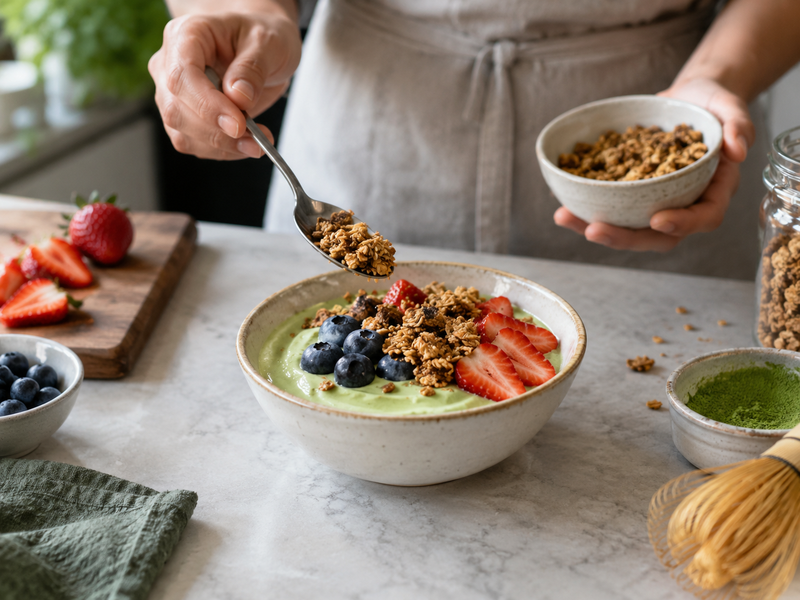
Put crunch on just before handoff unless the kitchen has validated another assembly route. Wet yogurt can soften cereal during a ticket delay. Test how the toppings behave after the bowl waits at pickup and again after a few minutes at the table. Ingredient statements matter: granola can contain nuts, wheat, or dairy, and a “plant-based bowl” may still include honey or shared equipment. Have approved answers ready for guest questions. A tidy topping plan improves both service speed and menu accuracy.
6. What bowl and portion size work?
Cost and plate the same serving
The vessel changes how generous the dish appears and how comfortably it can be eaten. A wide bowl can show a beautiful pattern but exposes more surface and makes a modest base look thin. A deep bowl can hide the fruit under a large yogurt mass. Test actual bowl candidates with the intended grams of base, fruit, and topping. Check whether the spoon reaches every layer and whether a takeaway lid would crush the arrangement.
Weigh several finished dishes made by different staff. If visual plating leads to large portion drift, use a measured scoop or a reference fill line. Record whether the bowl is dine-in only or also available for takeout; the takeout version may need its own container and assembly test. Do not set price from a photo of an oversized sample. The saleable portion, dishware, and service channel belong on the same specification so the cost sheet matches what leaves the pass.
| Vessel test | Guest check | Operator check |
|---|---|---|
| Shallow bowl | Easy topping access | Base spread and plating time |
| Deep bowl | Good spoonful balance | Hidden fruit and fill |
| Takeout cup | Clean travel | Lid, condensation and cost |
7. Which steps can be prepared before service?
Prep components, finish the bowl to order
Matcha yogurt can be mixed in a measured batch, fruit can be washed and cut according to an approved procedure, and dry toppings can be portioned. The bowl itself is best tested as an order-time assembly so fruit and crunch reach the guest in the intended condition. Map what must be done before opening and what belongs on the ticket. If the base separates during the planned prep period, adjust batch size or yogurt selection rather than instructing staff to stir an unidentified tub whenever they remember.
Label prepared ingredients with formula version, lot where relevant, and the information required by the site’s handling rules. The FDA Food Code is a model reference in the United States; local requirements and the complete product govern the actual kitchen procedure. Count prep yield and leftover amounts. A large base batch may look efficient until unsold yogurt becomes waste at the end of service. Size prep to observed orders, not the busiest imaginable morning.
8. How should a brunch ticket be assembled?
Make the work sequence visible
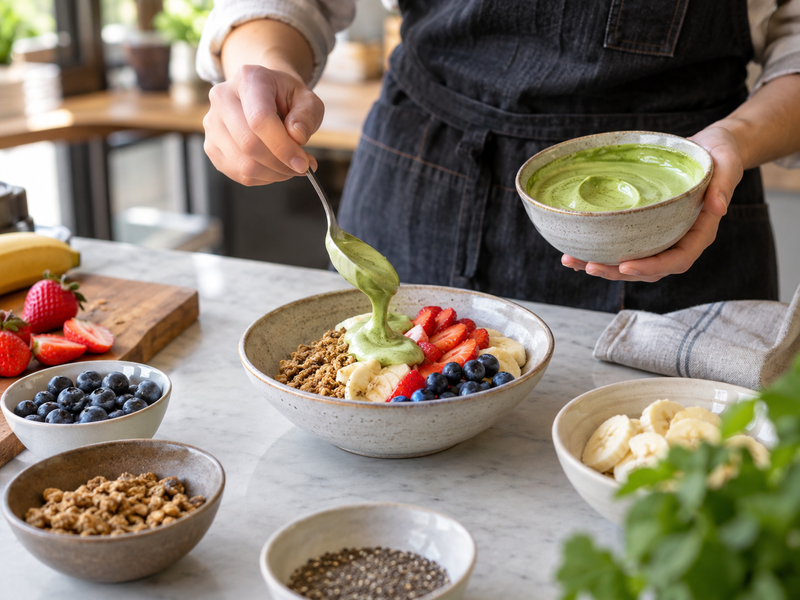
Time a real ticket from order to handoff. A practical sequence may be bowl, measured base, fruit portion, crunch, optional sweetener, final visual check. Arrange tools and ingredients in that order at the station. If a topping requires staff to cross the kitchen, it will delay every bowl at peak. Test several consecutive orders while other brunch items are being made. Watch whether fruit cuts, spoon cleaning, or bowl availability become the bottleneck.
Give staff a passing appearance standard without requiring artful placement on every order. A few defined topping zones can look deliberate and take less time than a precise pattern. Specify the response to a modified order: if granola is removed, does the portion remain otherwise the same, or is an approved replacement offered? Keep the point-of-sale options aligned with what the kitchen can execute. The dish should feel fresh because components were prepared well, not because each ticket becomes an improvised project.
| Ticket step | Standard | If delayed |
|---|---|---|
| Base | Weighed scoop | Check prepared stock |
| Fruit | Prepared portion | Restock within station |
| Crunch | Add at finish | Protect from wet contact |
9. What should the cost sheet include?
Use prepared yield and actual service time
Add the cost of yogurt, matcha, fruit after trimming, granola or other crunch, sweetener, and any garnish. Include the takeaway pack if offered. Calculate from the weighed saleable portion, then add a realistic allowance for prep waste and remakes. Fruit prices and prepared yield may change by season, so update those inputs when the ingredient changes. A premium garnish that adds little flavor can cost more than the tea; the worksheet makes that visible.
Time the build and note labor during peak service. A dish with modest ingredient cost may still block a small bar if it needs elaborate fruit work on every ticket. Compare a simplified plating with the original while keeping portions equal, then ask whether customers notice the difference. Review sales, leftovers, and order modifications after launch. The cost sheet should support operational choices, not only a selling-price calculation.
10. How do you review the dish after launch?
Look at the bowl and the ticket together
Check finished portion weights, ticket time, remake causes, and comments about flavor or freshness. A bowl that sells well but repeatedly slows the line may need a simpler topping arrangement. A bowl that photographs well but comes back half-eaten may be too large or too sweet. Ask staff which step is difficult and watch them make the dish before changing the recipe. The most useful observations identify a particular component and time of day.
Revisit the formula when yogurt, matcha, fruit, granola, vessel, or service channel changes. Change one factor at a time in a controlled trial. Keep a dated recipe card with ingredient products, per-bowl masses, prep responsibilities, and a passing photo. If the bowl becomes a seasonal item, retain the previous version so the next team can begin from known results. The goal is a breakfast dish guests can recognize and the kitchen can assemble calmly during a rush.
| Signal | Possible issue | First test |
|---|---|---|
| Slow tickets | Too many finishing steps | Simplify topping placement |
| Watery base | Product or prep hold | Compare fresh and held base |
| Uneven cost | Fruit or portion drift | Weigh prepared servings |
FAQ
Q1. Is a matcha breakfast bowl the same as a parfait? They can share ingredients, but this guide treats the bowl as a made-to-order dish with plating and ticket-time checks rather than a layered display cup.
Q2. Can the matcha yogurt be prepared ahead? Yes, if the site’s handling procedure permits it and a quality trial shows the base stays smooth through the planned service period.
Q3. Why does matcha taste weak under fruit? A strong or sweet fruit mix can mask the tea. Test measured matcha doses in the complete bowl, not the base alone.
Q4. Should the café use a fixed fruit mix all year? Use an approved seasonal substitute when supply changes, with its own portion, cost, and flavor check.
Q5. How can ticket time be reduced? Prepare and portion components before service, then assemble in a fixed station sequence and measure several real tickets.
Serve a bowl that works at brunch speed
The strongest matcha breakfast bowl is a complete dish with a clear flavor, useful portion, and a fast, repeatable build. Measure the base and toppings, protect fresh texture, and review ticket time alongside sales. A good bowl should be just as practical during a crowded brunch as it was in the test kitchen.