
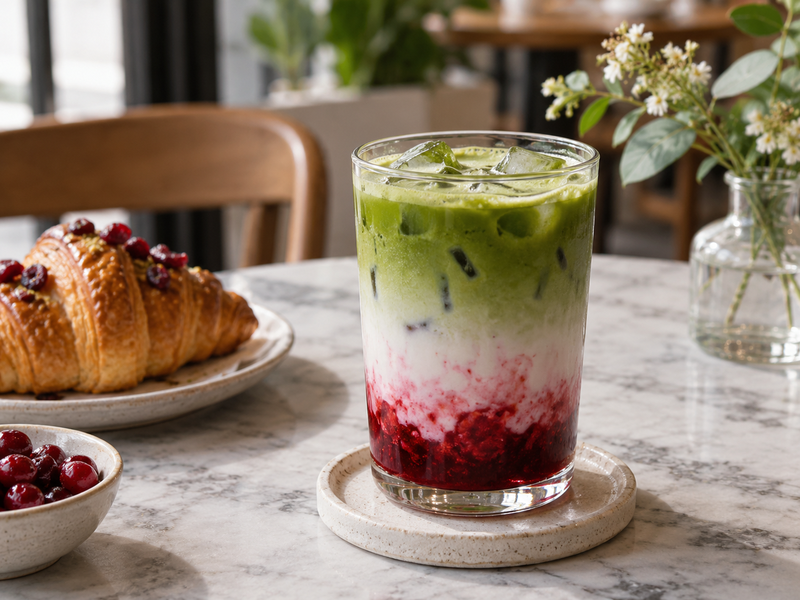
Cranberry matcha gives a café a seasonal red-and-green drink, but the first attractive layer can conceal a sharp or watery cup. Cranberry products vary in sweetness and concentration; matcha can clump or settle; milk may behave differently beside a tart fruit component. A working recipe needs measured ingredients and a carry-time test. Jade Leaf Matcha’s iced cranberry matcha latte provides a useful consumer reference. This guide develops the idea for cafés that must serve the same drink across staff, locations and ingredient deliveries.
Contents
- 1. What should cranberry matcha deliver?
- 2. Which cranberry ingredient should a café test?
- 3. How should the matcha base be prepared?
- 4. How can tartness and sweetness be balanced?
- 5. Should milk be included in the drink?
- 6. How can layers be made repeatable?
- 7. What happens during a normal customer wait?
- 8. How should staff prepare seasonal components?
- 9. What should a menu and cost trial measure?
- 10. What should the purchasing brief include?
1. What should cranberry matcha deliver?
Set a flavor target before chasing stripes
The red fruit layer and green tea layer draw attention, but a customer drinks them together. Define the intended balance: clearly tart cranberry, recognizable matcha, controlled sweetness and a texture that stays pleasant after stirring. A latte may add milk for softness; a sparkling or water-based drink has a different product promise. Choose one format for the first pilot. Jade Leaf’s reference uses an iced latte concept. Your café should test its own fruit input and cup size rather than copying visual proportions without tasting.
Drink from the bottom and top. A syrup-heavy base can make the first sip very sweet and the final sip mostly tea, depending on straw placement. Taste a complete cup both before and after stirring. Record whether the tea remains visible after the red layer diffuses. If the matcha tastes bitter, more cranberry syrup may hide the fault for a moment while pushing the drink beyond the intended sugar profile. Compare a coded matcha control without cranberry and a cranberry control without matcha. Those simple cups show which component needs adjustment.
2. Which cranberry ingredient should a café test?
Compare products by the serving they create
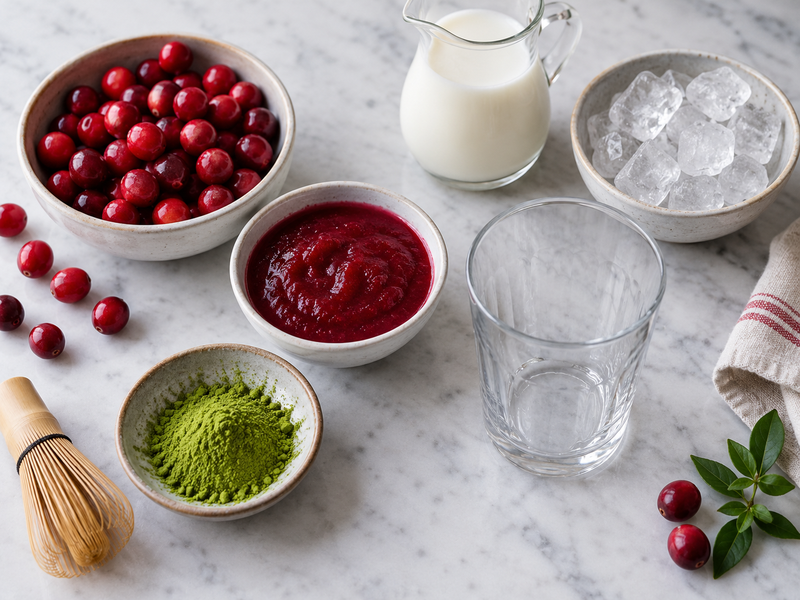
Unsweetened cranberry juice, sweetened juice blend, concentrate, purée and syrup are different ingredients. A sweetened juice blend may contain other fruit; a syrup may provide strong color with little cranberry tartness. Request ingredient and nutrition statements from suppliers and record the product code in each trial. Use a standard cup and matcha base to compare candidates. Equal milliliters do not mean equal sweetness or fruit character, so begin with a sensory target and then cost the amount needed to reach it.
Check what happens when the cranberry component stands in a service bottle and in the final cup. A purée may leave pulp at the bottom; a syrup may pour consistently but concentrate sweetness in a visible layer. If a seasonal supplier changes formulation, the café should retest before substituting it. For a chain, choose an ingredient available in every location or provide a documented alternate. Avoid describing a drink as “fresh cranberry” if it relies on flavored syrup. Label and menu language should match the actual ingredient, with destination-market rules reviewed by the responsible team.
| Cranberry format | Useful property | Trial risk |
|---|---|---|
| Unsweetened juice | Direct tart flavor | Needs sweetness balance |
| Juice blend | Easier drinking profile | Other fruit changes identity |
| Concentrate | Compact storage | Dose errors become obvious |
| Syrup | Fast layering | Sweetness can dominate |
| Purée | Fruit texture | Pulp settling |
3. How should the matcha base be prepared?
Give tea a consistent starting point
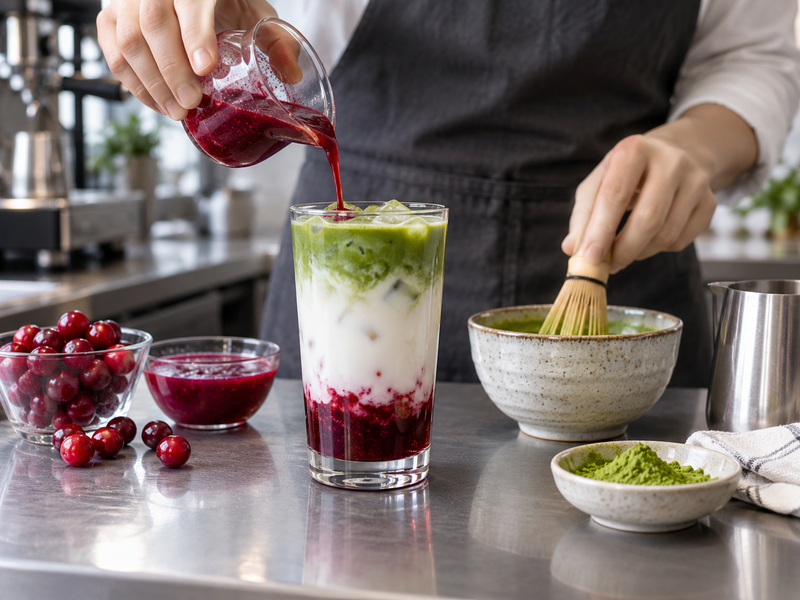
Weigh matcha and wet it with a measured amount of liquid before adding it to the final cup. Sifting and whisking reduce visible lumps. A shaker or mixer may suit a high-volume bar if it produces the accepted texture, but test the first and last cup from a batch. A bright green layer can still feel gritty or taste weak. Use the same powder lot while comparing cranberry ingredients, then compare powder candidates in the winning fruit formula. Changing both components at once prevents a meaningful conclusion.
Record powder grams, liquid amount, temperature, tool and final base volume. Test the base alone and with the cranberry component. Milk, sweet fruit and ice can hide a tea note that seemed strong in water. Matcha Village offers powders for different beverage applications; ask for a representative lot and choose by the finished drink. Japan’s MAFF description of matcha explains the material’s tencha origin, but a product label does not predict which powder will stay clear in a sweet, cold cup. Recheck a new lot against the saved recipe.
| Matcha control | Measure | Failure sign |
|---|---|---|
| Powder | Grams and lot | Changing tea strength |
| Wetting liquid | Volume and temperature | Clumps or thin base |
| Mixing | Tool and time | Grit or excess foam |
| Hold | Time before pour | Settling |
4. How can tartness and sweetness be balanced?
Use a small taste matrix
Cranberry’s tart character can make a drink refreshing, but the amount needed depends on the exact juice or syrup. Build a matrix with one matcha dose and several cranberry doses, then compare one unsweetened version with measured sweetener levels. Taste in the actual cup with the planned ice. A bench sip without ice does not show dilution during service. If one candidate needs so much syrup that matcha vanishes, switch fruit format or powder before adding another sweetener.
Ask tasters to note three separate things: fruit identity, tea identity and whether sweetness lasts after swallowing. A drink can score well for color and poorly for repeat purchase because the finish feels cloying. Record the ratio with weights or milliliters, not adjectives such as “a splash.” If the fruit ingredient already contains sugar, include it in the drink’s total formulation and menu documentation. Two stores using different cranberry products may require different recipes; a standardized procurement item is often easier than teaching staff to correct sweetness by taste during a queue.
5. Should milk be included in the drink?
Test texture and appearance after mixing
Milk can soften cranberry tartness and give the drink a latte body. It can also change color, clarity and texture when combined with an acidic fruit component. Do not assume dairy and every plant drink behave alike. Make small samples with the intended cranberry dose and each milk under consideration. Observe them immediately and after a normal customer wait. If a cup develops visible separation or an unpleasant texture, change the build or choose a water-based concept. Treat the result as specific to those ingredients and conditions.
Compare an honest no-milk version. A cranberry matcha refresher may deliver cleaner fruit and tea notes with fewer stability problems, even if the red-and-green latte has stronger visual appeal. Ask a tasting panel to score both without telling them which concept the marketing team prefers. If a dairy-free substitution is offered, evaluate sweetness and color separately. Milk and nut ingredients also affect allergen handling; FDA’s allergy information is a reference for US teams. Do not use “dairy-free” for a beverage prepared with shared tools unless the business can support the claim under its controls.
| Base | Flavor effect to test | Service check |
|---|---|---|
| Dairy milk | Softens tartness | Separation and allergens |
| Oat drink | Adds body | Sweetness and foam |
| Almond drink | Adds nut note | Flavor clash and allergens |
| Water | Keeps fruit sharp | Tea body and dilution |
6. How can layers be made repeatable?
Separate visual design from final flavor
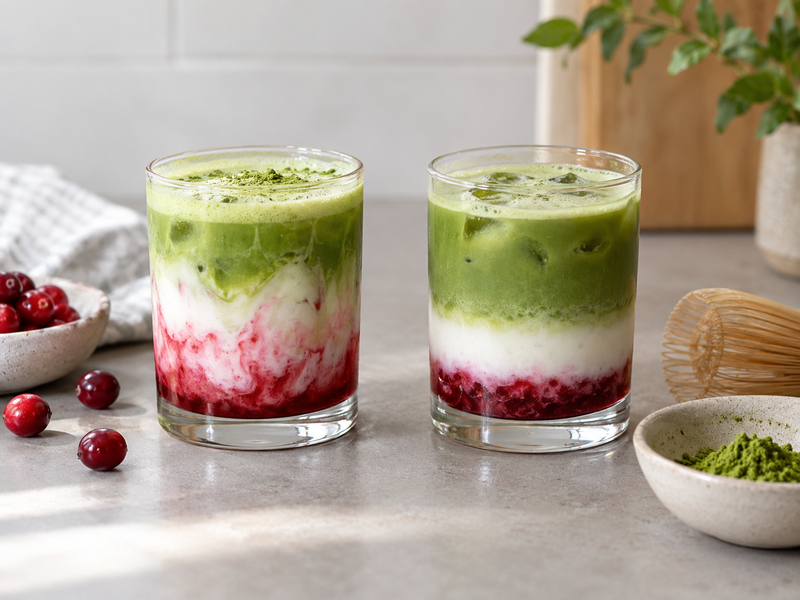
Layering depends on the ingredients’ density, pour order, ice and cup shape. A fruit syrup at the bottom may support a green tea layer above, while a thinner juice can mix quickly. Test with the actual cup and ice used at service. Record ingredient amounts and where the barista pours each one. If a spoon or slow pour is required, measure the added service time. A photograph of a static cup does not show what it looks like after pickup and walking.
Decide whether staff should serve the drink layered with a stir instruction or pre-mixed for consistent flavor. The first creates a visual moment but may give uneven sips; the second may look less distinct but drink better. Test both. Use a simple assembly card with one accepted photo taken under normal counter lighting. If layers vary widely between baristas, focus on dose, ice fill and pour position before blaming their skill. A seasonal special should not depend on one experienced employee being present every shift.
7. What happens during a normal customer wait?
Carry the drink before approving it
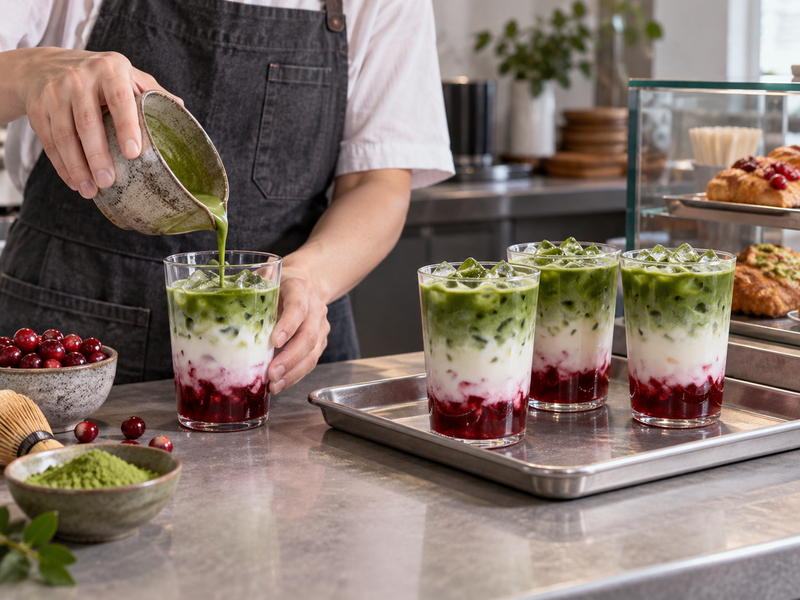
Taste one cup at handoff and another after the time a customer typically carries it away or leaves it on a table. Record color diffusion, ice melt, matcha settling, fruit pooling and any milk texture change. Shake or stir only if the menu or staff will tell customers to do so. A layering method that looks clean at ten seconds may be gone after a short walk; that is not automatically a failure if the mixed drink tastes better. The acceptance test should match how the product will be consumed.
For takeaway, close the actual lid and move the cup in a carrier. Check spills and whether a garnish blocks the lid. If cranberry purée sticks to the base, a wide straw or clear stir instruction may be needed. Do not give a batch-prepared mixed drink an assumed shelf life based on its individual ingredients. For milk and juice service controls, follow the site’s food safety plan; the FDA Food Code is a US model, with local rules and product formulation governing the operation.
| Wait test | Observe | Possible change |
|---|---|---|
| Layer diffusion | Appearance and sip balance | Serve stirred |
| Ice melt | Strength after delay | Adjust ice or base |
| Settling | Powder at bottom | Mixing method |
| Lid test | Leaks and garnish fit | Packaging |
8. How should staff prepare seasonal components?
Give every location the same method
Prepare a station card covering cranberry product code, matcha lot, cup size, ice portion, liquid amounts, mixing order, garnish and any stir instruction. Batch-made cranberry syrup or purée needs a documented preparation, label and discard rule under the café’s food safety plan. Staff should not extend a component’s life because it smells acceptable. If one location makes concentrate while another buys syrup, the chain has two formulas, even if both display the same menu name. Standardizing the ingredient is often easier than correcting each cup by taste.
Run a shift trial with two baristas using only the card. Compare their cups for volume, layer appearance and flavor after stirring. Note any step that takes too long or requires a delicate pour. A measured dispenser may help a fast service line, but test whether pulp blocks it. Keep a simple reject rule: clumped matcha, wrong layer amount, visibly separated milk or a leaking cup should be remade. Train staff to describe the drink accurately, including whether it contains milk, a sweetened juice blend or pure cranberry juice.
9. What should a menu and cost trial measure?
Count accepted drinks and ingredient waste
Prepare a small menu pilot at the intended selling time. Record orders, ingredient use, customer comments, remakes, preparation time and leftover seasonal components. A recipe that performs well in a quiet tasting may slow a crowded afternoon bar. Measure matcha grams and cranberry milliliters in accepted cups, then add milk, syrup, ice, cup and lid cost. Include concentrate left at the end of its approved hold period. A low ingredient price may be offset by waste if the special sells only occasionally.
Compare the drink with a standard matcha latte and a fruit refresher already on the menu. The useful question is whether cranberry matcha adds a distinct reason to order, not merely another color variation. Check how it photographs under ordinary shop lighting, but judge repeat taste first. If different staff produce different sweetness levels, fix the recipe before spending on promotion. Tie the cost sheet and tasting notes to the exact cranberry and matcha lots used; those details matter when procurement reorders mid-season.
| Pilot measure | Capture | Decision supported |
|---|---|---|
| Matcha dose | Grams per cup | Supplier forecast |
| Cranberry dose | Milliliters per cup | Fruit procurement |
| Remakes | Count and reason | Staff or formula change |
| Sales and waste | Cups sold, component discarded | Seasonal viability |
10. What should the purchasing brief include?
Buy against a tested cup
The matcha brief should state the beverage format, target tea flavor after stirring, expected grams per cup, monthly volume, pack size and destination market. Request a representative lot sample, product specification, ingredient statement, storage instructions and relevant quality documents. Matcha Village can discuss beverage-grade options, but approval should follow the finished cranberry drink. Ask the cranberry supplier for the product code, ingredient list, sugar information, packaging and continuity plan. A change from one juice blend to another can alter the recipe even if both cartons say cranberry.
Keep one approved station card, a photo of the accepted cup, the tasting sheet and the cost worksheet. When a supplier changes, make a small coded comparison before placing the substitute in every location. This avoids asking baristas to repair a purchasing change by eye. Launch the drink only after it survives the carry test and remains pleasant after stirring. Send the powder supplier your specific cup target and ask for samples that match it; then train staff on the formula that passed.
Compare the base drink with our matcha latte ingredients guide.
FAQ
Q1: Can a café make cranberry matcha with juice instead of syrup?
Yes. Rebalance sweetness and liquid volume, then retest the finished drink after ice dilution.
Q2: Why does the drink separate?
The fruit component, milk choice, pouring order and time can affect texture. Test those variables in small cups before service.
Q3: Should a layered drink be stirred?
If its ingredients collect at different levels, a stir instruction can give a more even sip. Test both presentations.
Q4: Does cranberry matcha need milk?
No. Compare a latte and a water-based refresher; choose the version that meets flavor and service targets.
Q5: What should a buyer ask from matcha and cranberry suppliers?
Request representative lots, ingredient information, specifications, storage guidance and documents required by the destination market.