
Brown butter gives a cookie a toasted aroma, while matcha offers tea flavor and green color. Both can vary during production. A butter pan taken too far masks the tea; a dough held longer than planned can spread differently; an attractive raw dough may leave the oven brown. Bakeries and private-label manufacturers need a controlled formula rather than a good single tray. The sections below turn brown butter matcha cookies into a repeatable product: define the sensory target, measure the butter loss, qualify powder in the finished cookie, test the line, and set a shelf life that reflects the packed item customers receive.
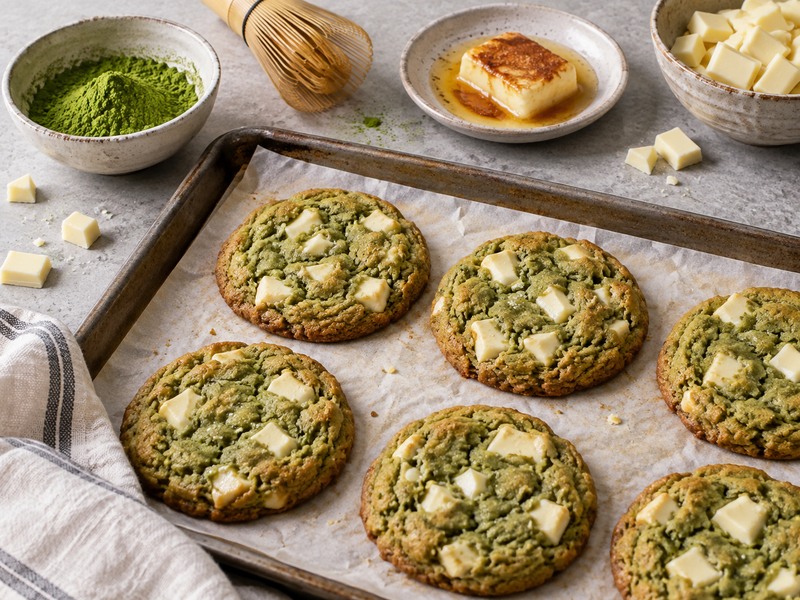
1. What should brown butter matcha cookies taste like?
Set a clear hierarchy of flavors. A customer ordering a matcha cookie should taste tea, while the brown butter adds a warm, nutty note. White chocolate or another inclusion can add sweetness, but it should not make matcha merely a color. Define crispness at the edge, center texture, sweetness, tea intensity, and aftertaste. Also choose the consumption point: same-day café cookie, wrapped grocery unit, or frozen dough baked at stores. Each has a different ideal texture after storage. A pilot sample eaten warm from the tray cannot establish what a customer will find two days later.
How can a tasting panel set a useful target?
Compare a plain butter control, a brown-butter control without matcha, and two measured matcha versions. Let the cookies cool and taste them at the planned sales age. Record whether the toasted note supports or overwhelms tea; ask tasters to describe bitterness separately from flavor strength. Taste the center and edge. They can differ even in the same cookie. Keep a reference photograph, piece weight, and sensory sheet. If a buyer later requests a more vivid green, the bakery can assess whether changing powder or bake profile preserves the approved taste. This is more precise than asking a supplier for “the brightest matcha.”
| Target | How to inspect it | Buyer decision |
|---|---|---|
| Tea flavor | Blind taste at sales age | Powder shortlist |
| Butter note | Compare against control | Browning endpoint |
| Texture | Edge and center test | Bake specification |
| Color | Standard-light photo | Pack presentation |
2. How does browning butter change the formula?
Browning butter removes water and develops toasted milk-solid flavors. The final weight can differ from the starting weight, which matters when a recipe moves from a home pan to a production kettle. Weigh butter before and after the step and record the yield. Decide whether the formula is based on starting butter or finished brown butter; the latter is easier to dose consistently into dough. Keep the browned solids distributed if they are part of the intended flavor. A batch with dark specks clustered in one portion can create uneven cookies.
What should the production instruction specify?
Name the butter SKU, batch size, kettle, target appearance and aroma, agitation, removal point, cooling method, and finished weight. Measure the loss. If production adds the original butter weight after cooking, dough moisture and fat balance can drift. Trial a controlled replacement of lost water only if the formula needs it, and document the result rather than improvising at the mixer. Brown butter should cool to a defined working range before meeting eggs or other heat-sensitive ingredients. Food safety and hot-equipment procedures belong in the plant’s own program. A dated retained sample helps staff compare the intended endpoint without relying on vague terms such as “deep golden.”
3. Which matcha powder survives butter and baking?
A fine powder with a clean aroma can still disappear behind toasted butter and sugar. Screen candidates in identical doughs at the same dose. Compare the cookie after cooling and at the end of its intended life. A powder that tastes strong in water may be costly without improving the finished food; another may become unpleasantly sharp after baking. Ask for a lot-identified sample, specification, storage guidance, and a repeat-supply plan. Supplier grade labels are useful for shortlisting, but finished-cookie performance should make the decision.
How should a bakery structure its powder trial?
Run coded batches with a single butter lot, one dough-rest schedule, and one oven setting. Hold the base steady. Change only the matcha candidate or dose per comparison. Note color, tea aroma, bitterness, graininess, and any speckling after the cookie cools. Repeat the preferred powder in a second batch so an unusually favorable tray does not decide a contract. A pure matcha powder option gives formulation control, while a pre-sweetened blend changes the sugar balance and label. Compare cost per accepted cookie, not only price per kilogram.
| Powder check | At receipt | In baked cookie |
|---|---|---|
| Aroma | Clean, lot-specific sample | Tea remains perceptible |
| Color | Compared under fixed light | Meets pack target |
| Texture | Fine, manageable powder | No gritty pockets |
| Documents | Specification and lot code | Traceable batch record |
4. How should sugar and inclusions be balanced?
White chocolate contributes sweetness and visible contrast. Brown and white sugars can influence spread, moisture, and flavor, so any change deserves a fresh bake trial. If the aim is a matcha-forward cookie, test an inclusion-free version before choosing chips, chunks, or a drizzle. That baseline shows whether the tea powder works. Inclusions also affect portioning: a scoop with several large pieces may weigh differently from one without them. Count piece distribution and review the ingredient declaration, especially milk, soy, or nut components.
When does an inclusion justify its cost?
Taste a complete cookie at the proposed inclusion rate. Check every bite. A dramatic surface chip can look good while most of the cookie tastes plain. Compare the incremental ingredient cost with a blind preference test and the expected shelf price. For a chain, confirm that operators can portion dough without hand-placing pieces; for a wrapped product, check whether chips mark or stick to film. A lower-sugar recipe may expose bitterness that chocolate previously hid. The approved matcha dose and inclusion rate should be treated as one sensory system even though each is measured separately.
5. Why do dough rest and temperature affect spread?
Dough made with warm brown butter may be softer than the same formula after cooling. Rest allows moisture to distribute and fats to firm, changing how a cookie spreads. Set a practical time and temperature window for the dough used in your facility. Compare cookies deposited immediately, after the planned rest, and near the maximum hold. Record diameter, height, weight, and texture after baking. A product that meets its target only when the dough rests exactly one hour may be too fragile for a busy production schedule.
What should a store-bake program test?
If dough is chilled or frozen before stores bake it, test the actual shipping, thawing, and baking procedure. Use the store oven. A bakery laboratory rack may not represent a café’s small oven and crowded tray. Define whether staff bake from frozen or after a controlled thaw; avoid leaving that decision to each location. Record the expected spread range and show a reference tray. A frozen dough program also needs date coding, storage rules, and a lot link from the matcha and butter through each case. Minor handling differences can change color and texture enough to make the brand look inconsistent.
| Dough variable | Measure | If uncontrolled |
|---|---|---|
| Working temperature | Dough temperature | Variable spread |
| Rest time | Start and end times | Uneven hydration |
| Portion mass | Weighed deposits | Cost and bake drift |
| Frozen handling | Thaw or bake state | Inconsistent center |
6. How can a bakery protect green color in the oven?
Matcha color changes with the powder, formula, surface heating, and storage. A vivid raw dough does not guarantee an equally vivid cookie. Compare the interior and surface after a normal bake, then after the proposed sales interval. Document oven setting, actual bake time, tray material, loading pattern, and cooling. Do not chase color by underbaking a product below its validated safety or texture endpoint. If a greener interior is a selling point, the package photograph should show the appearance the production cookie usually achieves, not the best-looking pilot piece.
What is a fair color comparison?
Photograph coded samples under one light source with the same camera settings and background. Cut a representative cookie. The surface may be toasted while the center remains green, which may be acceptable for the concept. Review samples from front, middle, and rear oven positions rather than one perfect tray. If a different matcha improves color but weakens flavor, test dose and recipe options before approving it. The matcha cookies category can suggest positioning; the actual line trial should decide whether a particular powder and process fit the product.
7. What must change between a pilot kitchen and full line?
A large kettle browns butter at a different rate, a mixer disperses powder differently, and an oven loaded with full racks changes heat exposure. Run a plant trial using the proposed batch size and pack format. Reconcile finished brown-butter yield, dough weight, deposited piece count, baked yield, rejects, and matcha usage. Keep small and plant samples for a side-by-side sensory check. Do not assume an adjustment that fixes spread will leave tea flavor unchanged; a longer bake can dull green color and dry the center.
Which controls should operators own?
Give each station a short measurable standard: butter endpoint and weight, dry premix procedure, dough temperature, depositor weight, rest window, bake endpoint, and cooling time. Test the handoffs. If brown butter cools in one room and dough is mixed in another, record how long it can wait and whether solids need redistribution. Quality can set an incoming powder check against a retained sample. Production can track piece weight and diameter. Procurement should notify R&D of a new butter or matcha specification before purchasing substitutes. The plant trial should prove that these controls are realistic during an ordinary shift.
| Line stage | Record | Release question |
|---|---|---|
| Brown butter | Finished yield and endpoint | Matches reference? |
| Mixing | Order and dough temperature | Even color? |
| Depositing | Piece weight and count | Within tolerance? |
| Baking | Time and position | Texture and color? |
8. How should packaging and shelf life be tested?
A warm cookie sealed too soon may create condensation; an unprotected cookie may lose texture or aroma. Trial the intended cooling and packing sequence. Check wrapper contact, breakage, moisture migration, tea flavor, and visual color at defined intervals. The date on a pure matcha ingredient does not determine the cookie’s shelf life. A café cookie sold loose, a wrapped retail cookie, and a frozen dough puck require separate evidence and storage instructions. Quality should set the food safety measures appropriate to the formula and market.
What samples should enter the study?
Use pieces from several positions in a normal plant run, including edge-of-tray cookies and units packed late in the shift. Test the real pack. A cookie kept in a laboratory box does not represent printed film, a display bag, or a clamshell. Include transport vibration if products travel through distribution. Taste and inspect at the proposed end of life, not only on launch day. If the pack includes a moisture-control component or a changed film, repeat relevant tests. Give retail teams handling instructions that match the validated study so a good factory product does not fail on a shelf.
9. Which claims and supplier documents matter?
A cookie sold with matcha, brown butter, white chocolate, or a regional tea claim needs a formula and sourcing file that supports each statement. Check the matcha’s origin, ingredient identity, lot code, and certifications where claimed. Butter, chocolate, flour, and any inclusions bring their own allergen and labeling obligations. A claim about being gluten-free would require a different controlled formulation and market review; ordinary wheat-flour cookies cannot make it. Avoid suggesting a dessert has health effects because it contains matcha.
How can procurement keep the file current?
Request the current specification, lot-linked test information where required, ingredient and allergen declarations, storage instructions, and change notice terms. Tie claims to lots. A new powder source can affect origin wording, flavor, and color even when the product name stays the same. Review packaging artwork against the signed formula before printing. If an import market requires a different label or certification, resolve it before the first commercial batch. Bulk wholesale matcha discussions should begin with the actual application and documents the bakery needs.
| Statement | Evidence | Change trigger |
|---|---|---|
| “Made with matcha” | Formula and batch record | Dose change |
| Tea origin | Supplier traceability | Source change |
| Allergen declaration | Full ingredient list | Inclusion change |
| Best-before date | Finished-pack study | Pack change |
10. When are brown butter matcha cookies ready for sale?
Approve the cookie as a packed, aged, saleable unit. R&D should sign the flavor and texture reference; production should prove yield and repeatability; quality should approve food safety and shelf life; procurement should secure stable ingredient specifications. A small store pilot can show whether staff bake and merchandise the product as intended. Record guest responses about tea strength, sweetness, and value, then revise one variable at a time. A launch photograph cannot replace that operational evidence.
What should the final supplier brief include?
Send the powder’s intended use, target sensory profile, sample quantity, forecast, pack size, destination market, and required documents. Ask for identified lots so the trial can be repeated. Keep the accepted cookie on file. Retain its powder reference, brown-butter endpoint, dough sheet, bake record, and packaging study. Qualify an alternate powder before a supply problem if the SKU will be large. The result should be a cookie whose toasted butter supports a recognizable matcha flavor every time the bakery makes it.
FAQs
Q1. Can a bakery use any culinary matcha in these cookies? No. Compare identified powders in the finished formula after cooling and at the planned sales age.
Q2. Why weigh butter after browning? Cooking changes its mass. A finished-weight standard helps keep dough composition and yield consistent.
Q3. Why did the cookies spread too far? Check dough temperature, rest, portion size, sugar balance, and oven conditions before changing several ingredients.
Q4. Can cookie dough be shipped frozen? Yes, after validating frozen storage, store handling, bake conditions, traceability, and finished quality.
Q5. Does matcha set the cookie shelf life? No. Test the complete baked cookie in its intended package and distribution conditions.