
When was matcha invented? There is no single defensible invention date. Powdered tea prepared with hot water developed in China, and the practice reached Japan during the late twelfth and early thirteenth centuries. Japanese growers and tea practitioners then shaped the shaded, unrolled, finely ground product familiar today. For an overseas buyer, this history matters because a romantic origin story cannot replace a precise product specification or truthful country-of-origin claim.
Contents
- When did powdered tea appear in China?
- When did powdered tea arrive in Japan?
- Did Eisai invent matcha?
- When did Japanese matcha become a distinct product?
- How did the tea ceremony change matcha demand?
- What makes present-day matcha different from ground green tea?
- Can matcha be produced outside Japan?
- How should buyers verify an origin story?
- Which historical claims create marketing risk?
- What should a buyer ask before approving a supplier?
1. When did powdered tea appear in China?
The method has a history, not a birthday
The short answer begins with Song-dynasty China, where powdered tea was mixed with hot water and whisked. That gives historians a period and a preparation tradition, rather than the name of one inventor or an exact year. Modern matcha carries a later Japanese history as well. A label that says “invented in 1191” turns a complex transfer of cultivation and preparation into a false precision.
For buyers, the practical distinction is between the history of a method and the origin of a shipment. A tea powder supplied today may be made in China, Japan, or another growing region. Its current provenance comes from harvest, processing, and lot records, not from the country where a precursor technique developed. The Yamamasa Koyamaen history traces the route from Song China into Japan. The Japan National Tourism Organization also describes the ceremony’s Chinese roots and Japanese development. These are useful starting points for a historically careful product page.
2. When did powdered tea arrive in Japan?
The Kamakura-period transfer
Japanese accounts commonly connect monk Eisai with bringing tea seeds and powdered-tea practice back from Song China around the late twelfth century. Cultivation spread through temple networks and later through growing districts including Uji. This was a transfer and adaptation over time, not an overnight launch of a finished commercial category. The tea that people drank then should not be assumed identical to every powder sold as matcha now.
For a product timeline, keep the verbs precise. Say that powdered-tea practices traveled from China to Japan. Say that Japanese cultivation and tea culture later developed them. Avoid claiming that a dated shipment, a named monk, or a single village “created matcha” unless a source establishes that narrow claim. Buyers who sell both Chinese and Japanese origin products can explain the shared history without making either supply chain appear older than its documentation.
| Period or stage | Defensible statement | Claim to avoid |
|---|---|---|
| Song China | Powdered tea was whisked with hot water | One documented inventor made modern matcha |
| Early Kamakura Japan | Tea seeds and preparation practices arrived from China | A precise year proves the modern product began |
| Later Japanese development | Cultivation and serving traditions changed over centuries | Today’s grades existed unchanged in medieval trade |
3. Did Eisai invent matcha?
Credit a transmission without inventing a patent
Eisai is a central figure in Japanese tea history. He is associated with carrying tea seeds from China and promoting tea in Japan. Crediting him with that role is different from saying he invented powdered tea, established every later processing step, or created a modern commodity specification. There is no reason to make him a sole inventor in B2B marketing copy. The Yamamasa Koyamaen account places his role within a longer history of cultivation and tea practice.
A brand story can still be vivid while keeping its claims narrow. For example, a buyer might explain that Japanese matcha culture grew from powdered-tea customs transmitted from China, with Eisai often named in that transfer. That sentence separates a documented cultural link from an assertion about one current lot. If a private-label pack also says “Japanese matcha,” procurement needs a separate trail showing Japanese leaf and processing origin. Historical context cannot perform the work of a certificate of origin or an accurate ingredient declaration.
4. When did Japanese matcha become a distinct product?
Production and culture developed together
No single date marks a clean switch from “powdered tea” to the full set of practices buyers now associate with Japanese matcha. Cultivation near Kyoto expanded, producers refined leaf handling, and the tea ceremony established a demanding context for preparation. Sen no Rikyū later became a defining figure in tea culture. These events unfolded across centuries. They explain why a modern historical summary needs more than one milestone.
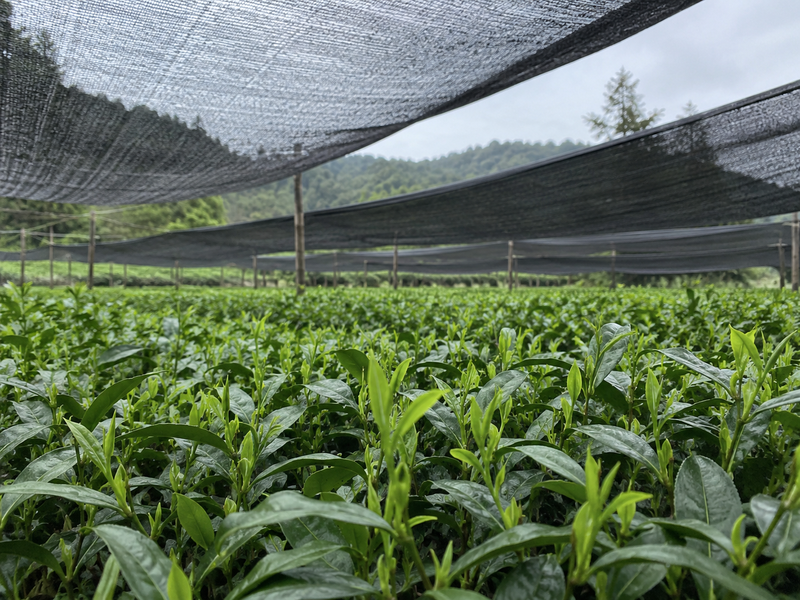
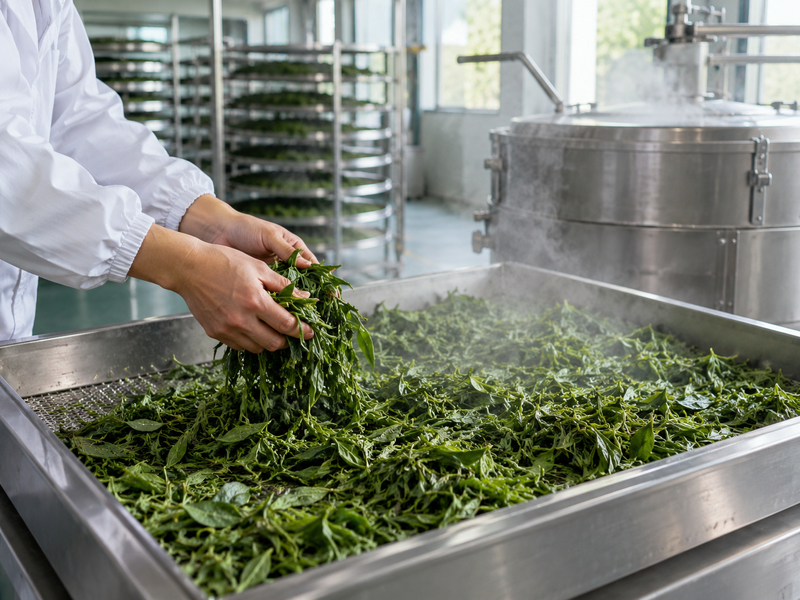
Production also matters. Yamamasa Koyamaen’s processing guide describes covered cultivation, steaming, drying without rolling, sorting, and grinding tencha. A contemporary supplier can document comparable operations, but the existence of an old cultural tradition does not prove that a particular factory uses any given method. Ask for the actual manufacturing flow. A buyer selling a latte blend may require a different color, taste, or cost profile from a buyer selling straight whisked tea. Both can respect the history while writing different purchase specifications.
| Historical element | Why a buyer may mention it | What to document separately |
|---|---|---|
| Song powdered tea | Explains the older preparation method | Current leaf origin |
| Eisai and Japan | Explains transmission of tea practice | Present-day manufacturer |
| Uji tea culture | Explains a Japanese growing tradition | Any protected or geographic claim |
| Tea ceremony | Explains whisked service | Intended foodservice use |
5. How did the tea ceremony change matcha demand?
Ritual service created a different quality question
The Japanese tea ceremony made the sensory quality of a whisked bowl central to the experience. Color, aroma, mouthfeel, bitterness, and preparation all become immediately visible when the powder is served without milk or syrup. The Japan National Tourism Organization’s guide describes matcha preparation as part of chanoyu and notes the importance of the exchange between host and guest. The historical record helps explain why straight-drinking buyers often ask different questions from industrial bakers.
A procurement team should still test for its own use. Tea suitable for an unsweetened bowl may cost more than a bakery needs, while a less expensive powder can perform well in a strongly flavored batter. Conversely, low cost cannot rescue a thin latte that tastes harsh after milk is added. A sample brief should name the finished product, dose, liquid or food matrix, serving temperature, and desired color after holding. Those conditions make the historical distinction between ceremonial service and everyday applications useful in a present-day purchasing decision.
6. What makes present-day matcha different from ground green tea?
Describe the leaf process before the grade
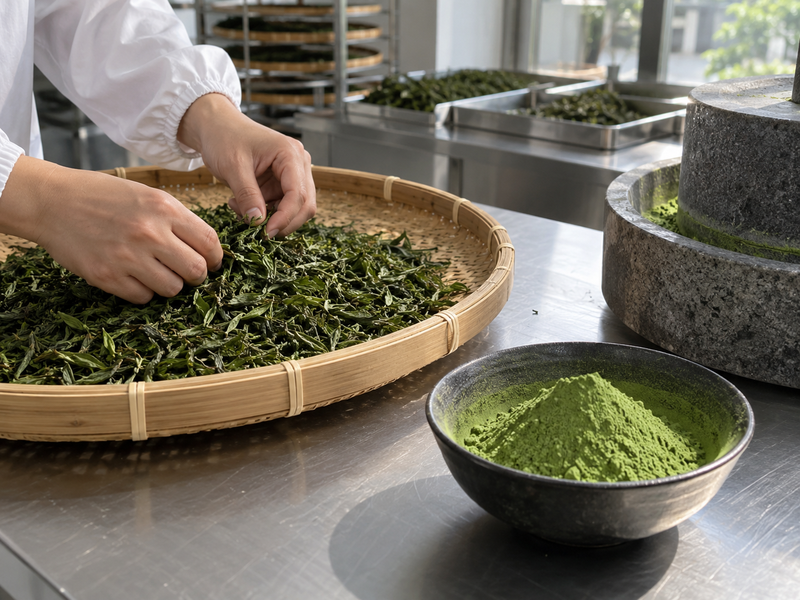
Ground green tea can be a broad phrase. In a conventional Japanese process, matcha comes from tencha: shade-grown leaves that are steamed, dried without rolling, cleaned of stems and veins, then finely ground. The Yamamasa Koyamaen manufacturing description sets out these steps. Its description is a reference for understanding the process, not evidence that every supplier follows it. Other origins and manufacturing methods should be described as they actually are.
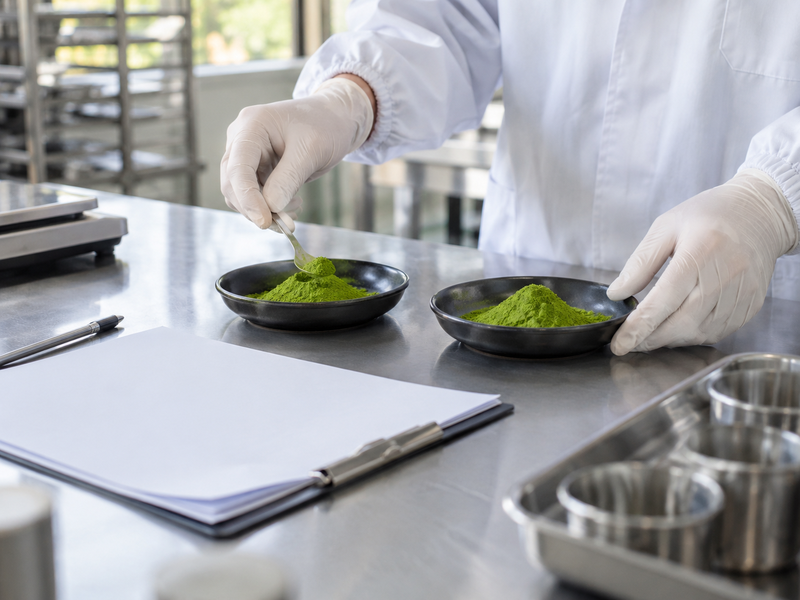
Ask the manufacturer whether the powder is pure tea or a blend. A matcha latte premix can contain sugar, milk solids, or other ingredients. That may be right for a chain seeking a one-scoop beverage, but it is not interchangeable with pure matcha in a nutrition panel or ingredient list. Buyers should also request lot-level sensory checks, particle-size information if relevant to their equipment, microbiological criteria, and a current certificate of analysis. Grade names alone are poor substitutes because sellers may define “ceremonial,” “premium,” and “culinary” differently.
| Product question | Pure matcha | Latte premix or blend |
|---|---|---|
| Ingredient list | Tea powder only, if verified | All ingredients and proportions to be confirmed |
| Sweetness | Set during recipe development | May be built into premix |
| Procurement check | Leaf process and lot specification | Formula, allergens, solubility, lot specification |
| Best trial | Whisked tea plus target application | Finished drink at serving dose |
7. Can matcha be produced outside Japan?
Origin must follow the actual supply chain
Yes. Modern matcha-style tea powder is produced in more than one country. The history of Japanese tea ceremony does not make “matcha” a promise that each package came from Japan. A buyer can source Chinese-origin matcha while accurately discussing the older Chinese powdered-tea tradition and the later Japanese cultural development. What matters commercially is that the label, sales page, and supporting documents describe the actual product and local market requirements consistently.
If Matcha Village supplies a Chinese-origin lot, its sales documents should state that origin clearly. A buyer planning a claim such as “Japanese matcha,” “Uji matcha,” or “grown in Japan” must verify that claim from origin and processing records for the specific SKU. A factory address alone may not settle where the tea leaves were grown. For blends, ask whether all tea components share one origin and whether the finished blend is mixed in a different country. This may affect customs documentation and marketing language. Legal country-of-origin rules vary by market, so importers should review the destination rules before printing a pack.
8. How should buyers verify an origin story?
Build a claim-to-document trail
Start with the exact words proposed for the pack or website. “Inspired by Japanese tea culture,” “Chinese-grown matcha,” and “packed in China” make different claims. Tie each factual statement to records: ingredient specification, manufacturer identity, harvest or procurement traceability, production site, and export paperwork. Marketing should receive the same SKU and lot definitions that purchasing uses. If a supplier offers several origins or grades, avoid carrying one product’s provenance onto another product’s page.
A useful review is a short document match. Confirm that the sample bag, purchase order, certificate of analysis, origin certificate where applicable, and finished label identify the same material. Check that the representative sample came from the production route being quoted. If the supplier cannot connect a narrative claim to the lots offered, remove or narrow the claim. The U.S. FDA food-labeling resources provide a starting point for U.S. product labels; other markets need their own review.
| Proposed statement | Minimum supporting record | Review owner |
|---|---|---|
| “Grown in China” | Tea-leaf sourcing traceability | Procurement |
| “Made in China” | Manufacturing and packing records | Supplier quality |
| “Pure matcha” | Formula and ingredient specification | Regulatory |
| “Organic” | Valid scope and transaction documents | Regulatory and importer |
9. Which historical claims create marketing risk?
Watch for precise dates and borrowed prestige
The most common problem is false certainty. “Matcha was invented in 1191” reads cleanly, but it compresses older Chinese powdered tea, Japan’s introduction of tea, and later Japanese production into one dated event. “This is the tea served by samurai” similarly turns a broad cultural reference into a claim about a present SKU. If you cannot verify a precise date or lineage, write a narrower sentence. Readers interested in history can follow the linked source instead of receiving a polished myth.
Avoid implying that a contemporary Chinese product has Japanese origin because the article discusses Japanese tea ceremony. Equally, do not erase Chinese powdered-tea history to suit a modern export campaign. The clean approach identifies the stage being discussed: earlier method, Japanese cultural adaptation, or present-day factory supply. Health claims present another risk. A historical belief about tea’s benefits is not a basis for saying the current product treats a condition. Keep this article about history, production, and buying evidence; any health or nutrition wording needs a separate legal and scientific review.
10. What should a buyer ask before approving a supplier?
Turn the story into a purchase specification
Ask for the harvest and manufacturing origin, leaf processing sequence, ingredient composition, grade definition, sample-to-lot relationship, and quality documents. Then test samples in the finished format rather than judging dry color alone. A café buyer can compare powders in hot milk and iced milk. A bakery can compare color and flavor after its actual bake. A distributor can check whether labeling and case configuration fit its channels. Document the acceptance standard before negotiating volume, because a lower quoted price does not resolve mismatched taste or provenance.
Matcha Village’s useful role is to supply the matching lot specification, sample, and export paperwork for the product being offered, then clarify what its grade names mean for the application. Buyers can ask for options across pure matcha, latte powders, and blends without assuming one historical story makes every SKU equivalent. A complete inquiry should state destination country, intended product, target sensory profile, projected volume, packaging format, and any certificate or test requested by that market.
| Buyer question | Why it changes the decision | Evidence to request |
|---|---|---|
| Where were leaves grown? | Determines factual origin language | Traceability and origin paperwork |
| How was powder processed? | Affects product definition and sensory profile | Process flow and specification |
| Is this pure tea or a blend? | Changes recipe and label | Full ingredient statement |
| Which lot did we sample? | Links approval with production | Sample and COA lot numbers |
| What is our use case? | Determines whether the powder performs | Application test at actual dose |
For a procurement team, the answer to “when was matcha invented?” should remain a careful historical range. Use the history to write an accurate narrative, then approve the powder through traceable origin, verified composition, and application testing. Send Matcha Village the intended use and destination market when requesting a sample and a lot-specific specification.
FAQ
Q1: Was matcha invented in China or Japan? Powdered tea prepared by whisking developed in China. The Japanese tea tradition then developed matcha cultivation, processing, and ceremonial service over centuries.
Q2: What year was matcha invented? No single year covers both the early powdered-tea method and modern matcha production. Precise invention-year claims should be treated cautiously.
Q3: Did Eisai invent matcha? Eisai is associated with bringing tea seeds and practice from Song China to Japan. He was not the sole inventor of powdered tea.
Q4: Can Chinese-origin matcha be sold as matcha? Products sold as matcha can have different origins. Describe the actual leaf and manufacturing origin accurately and review destination-market labeling rules.
Q5: What history should appear on a B2B product page? Use a brief, sourced timeline, then give buyers the current product’s origin, composition, specifications, and lot documents.