
Ceremonial matcha is finely ground, shade-grown tea selected for a smooth cup when whisked with water. If you're asking what is ceremonial matcha while planning a café menu or retail range, the label can leave you with an expensive powder that tastes harsh in the bowl. Use the cup, the batch details, and the intended recipe to choose a grade you can serve with confidence.
What is ceremonial matcha?
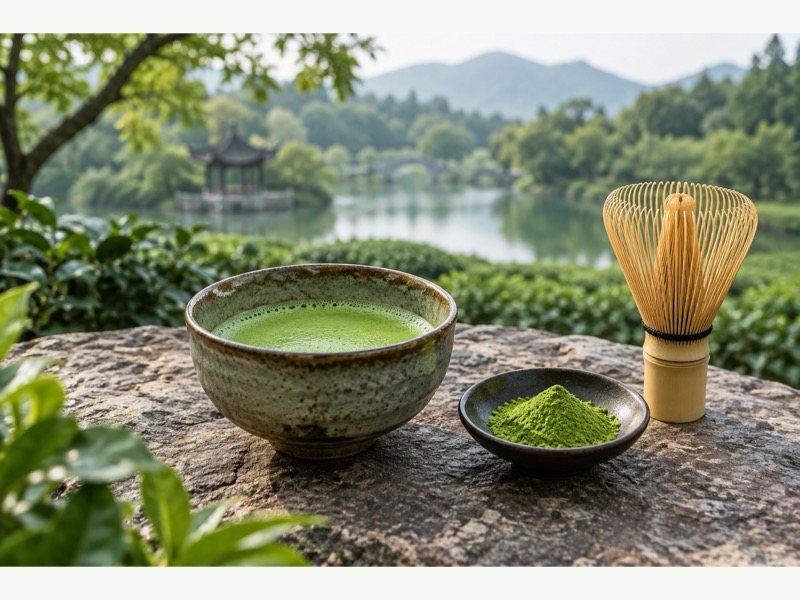
Ceremonial matcha is fine tea powder chosen for drinking with water, where its flavor has nowhere to hide. For buyers asking what is ceremonial matcha, the useful answer includes a pleasant water-only taste, fresh aroma, fine texture, and a clear account of how the tea was made. A printed grade name cannot establish those qualities on its own.
What does the label tell you?
Start with the bowl: whisk a sample in water before you decide how much the label is worth. The term signals a drinking style, but suppliers may apply it to different harvests and flavor profiles. You need a sample that tastes balanced without milk or syrup, plus documents that identify the lot you would reorder.
- Taste it plain before testing a recipe.
- Ask for origin, harvest, and batch details.
- Check that the powder disperses without grit.
| Signal | What it tells you |
|---|---|
| Grade name | Intended market position |
| Water-only tasting | Whether the cup meets your standard |
The tasting result should carry more weight than the name. Key Takeaway: Buy the powder that works in your bowl and can be identified again by batch.
How is ceremonial matcha made?
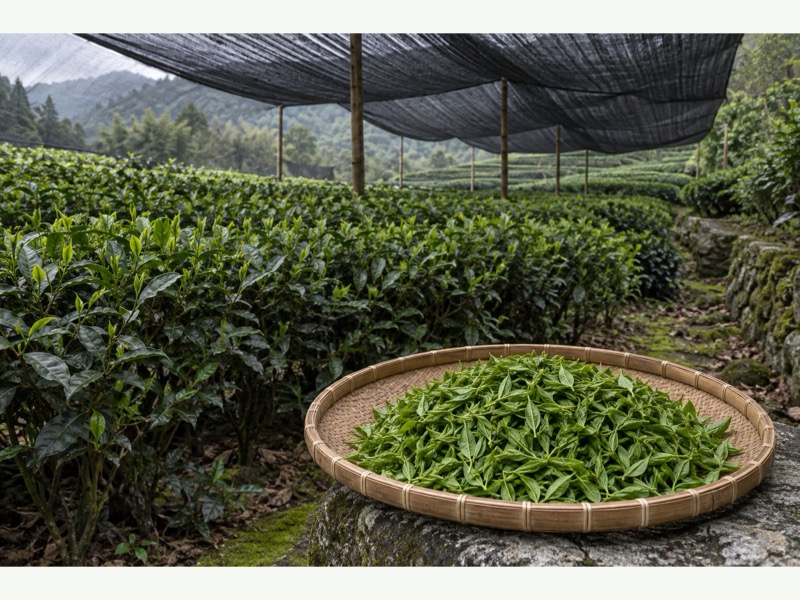
Ceremonial matcha is made by shading tea plants, processing tender leaves into tencha, and grinding them into a fine powder. When you investigate what is ceremonial matcha, ask how long leaves were shaded and how each lot moved through processing. Those details give you a better starting point than a vague promise of tradition.
Which production steps shape the cup?
Follow the leaf: shading changes the leaf's composition, while careful drying and milling protect the color and aroma you taste. Tencha is steamed, dried without rolling, and cleaned of coarse stems and veins before grinding. A supplier should be able to explain its own method without claiming that every good matcha follows one exact recipe.
- Shading influences green color and savory notes.
- Tencha preparation removes coarse leaf material.
- Fine milling affects texture and how the powder whisks.
| Stage | Buyer check |
|---|---|
| Growing and harvest | Ask for origin and harvest information |
| Processing and milling | Ask how batches are tracked |
Each stage gives you a question for a supplier call. Key Takeaway: A traceable production story helps you compare samples and investigate variation between orders.
How does ceremonial matcha differ from other grades?
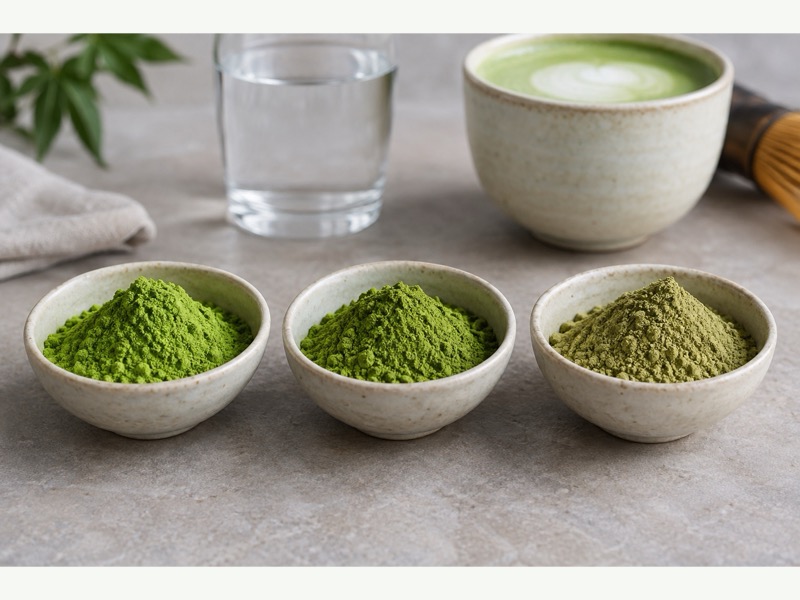
Ceremonial matcha usually favors a gentle water-only cup, while powders sold for lattes or baking often need enough flavor to stand through other ingredients. If you're asking what is ceremonial matcha in a product brief, define the application before choosing a grade. Grade names vary between suppliers, so judge samples against the same recipe and sensory standard.
Which grade belongs in your recipe?
Test the finished drink: a subtle powder can disappear under milk, while a more assertive one may taste too sharp in plain water. For a sweetened café drink, compare your samples with a dedicated matcha latte powder under the same service conditions. Keep color, flavor, cost per serving, and customer expectation in the same decision.
- Plain water exposes bitterness and coarse texture.
- Milk tests whether matcha flavor stays noticeable.
- Baking tests color and flavor after heat.
| Use | Practical starting point |
|---|---|
| Water-only bowl | Smooth, fine drinking matcha |
| Sweetened latte or food | Application-tested powder |
These are starting points, not universal grade rules. Key Takeaway: Pay for the result in your recipe rather than a grade word that may mean something different elsewhere.
What should ceremonial matcha look and taste like?
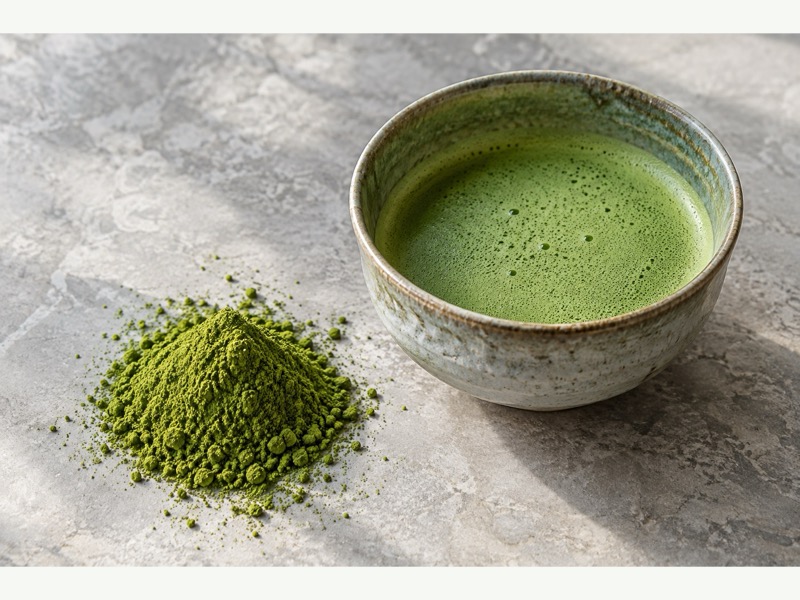
Ceremonial matcha should look fresh and green, feel fine, and taste balanced when whisked with water. To answer what is ceremonial matcha at the tasting bench, assess color, aroma, texture, and finish together. Color alone can mislead you if storage has changed the tea or if an attractive powder tastes rough.
What should you notice in a water-only tasting?
Try two cups side by side: use the same powder weight, water volume, and temperature for each sample. Look for a clean vegetal aroma, a smooth body, and a finish that does not turn aggressively bitter. Fresh tea can have astringency; a flat smell, dull tone, or gritty mouthfeel gives you a reason to ask more questions.
- Compare dry powder and whisked liquid.
- Record aroma, sweetness, umami, and astringency.
- Repeat the test with a second batch when possible.
| Observation | Next step |
|---|---|
| Bright color and clean aroma | Taste and check texture |
| Dull color or stale smell | Review age and storage |
A consistent setup makes your notes useful. Key Takeaway: Sensory records help you defend a purchasing choice and spot changes in later lots.
How much caffeine is in ceremonial matcha?
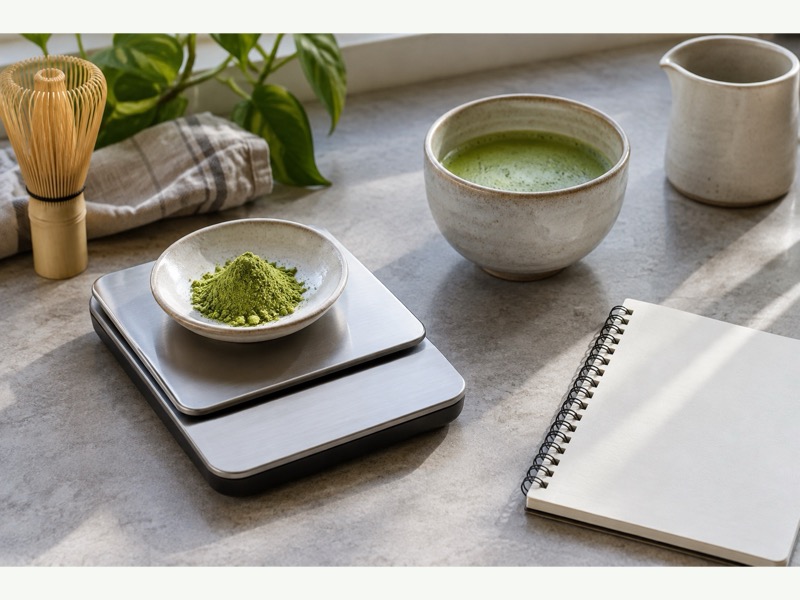
Ceremonial matcha contains caffeine, but the amount in your cup depends on the powder and the serving weight. Asking what is ceremonial matcha does not reveal a fixed caffeine figure, and the grade name cannot substitute for a tested specification. A larger scoop also changes intake even when the powder stays the same.
How should you check a caffeine claim?
Check the serving: record grams of powder per drink before comparing claims from different products. If caffeine is central to your label or menu, request a lab result for the relevant product and calculate the amount at your serving size. People who are sensitive to caffeine may need a smaller serving or a different drink, especially later in the day.
- Define the powder weight used in one cup.
- Request product-specific caffeine data when needed.
- Avoid treating one published range as every batch's result.
| Variable | Effect on your answer |
|---|---|
| Powder composition | Changes caffeine per gram |
| Serving weight | Changes caffeine per cup |
Both variables belong in a responsible product claim. Key Takeaway: Use a measured recipe and product-specific data when you publish caffeine information.
What benefits can ceremonial matcha offer?
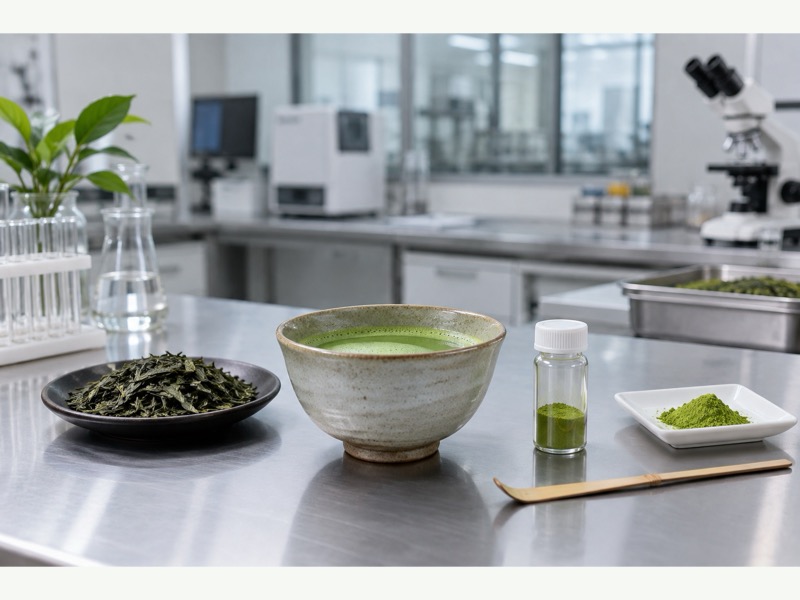
Ceremonial matcha offers caffeine and naturally occurring tea compounds such as L-theanine and catechins. If you ask what is ceremonial matcha from a wellness angle, separate what the tea contains from what a person will feel. The word ceremonial does not prove a stronger health effect or a higher antioxidant level than every culinary powder.
Which claims deserve a closer look?
Read the evidence before the label: studies measure different products, servings, and outcomes, so a broad promise rarely fits every matcha. A small study can suggest an effect without proving that your product delivers it. For consumer copy, describe the ingredients and drinking experience accurately, and check health claims against the rules in each sales market.
- Caffeine can affect alertness and sleep.
- Catechin levels vary between products.
- A grade name is not clinical evidence.
| Claim | Safer way to assess it |
|---|---|
| “Contains caffeine” | Confirm with product data |
| “Better for health” | Require outcome-specific evidence |
The narrower claim is often more useful to customers. Key Takeaway: Lead with verified product facts and avoid promises that a grade label cannot support.
How do you prepare ceremonial matcha?
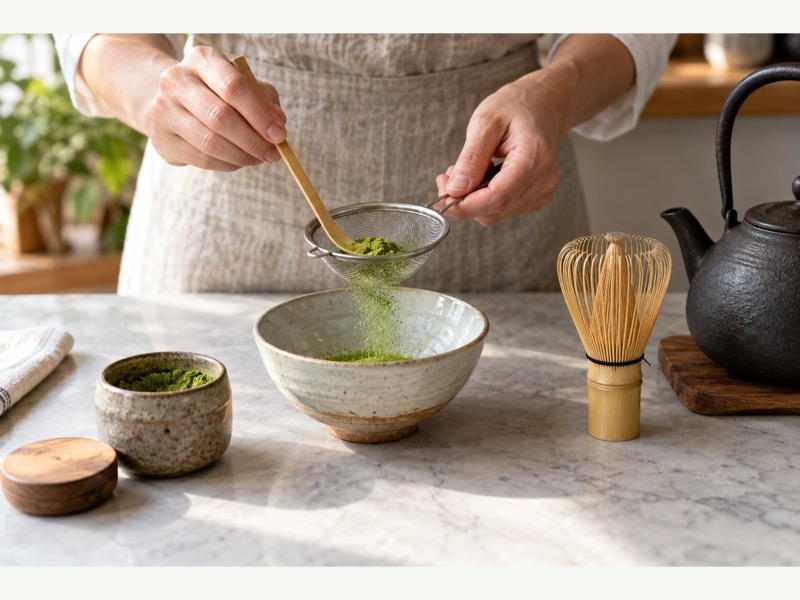
Ceremonial matcha is prepared by sifting powder, adding warm water, and whisking until the drink is smooth. When customers ask what is ceremonial matcha, a good preparation method lets them taste the answer rather than fight clumps or scalded flavor. Start with a modest serving and adjust water to the strength you prefer.
What makes a repeatable bowl?
Set up your station: sift about 1–2 grams into a bowl, add roughly 60–90 mL of water near 80°C, and whisk briskly until the surface looks even. These are starting points, so change the ratio after tasting your powder. If you serve matcha regularly, a consistent bowl, sifter, and bamboo whisk make training easier.
- Sift before adding water.
- Use warm water rather than a rolling boil.
- Whisk and serve while fresh.
| Step | What to watch |
|---|---|
| Sifting | Fewer dry clumps |
| Whisking | Even texture and fine foam |
Consistency makes sample comparisons fair. Key Takeaway: A simple measured method helps you reproduce the cup customers liked during testing.
How should you store ceremonial matcha?
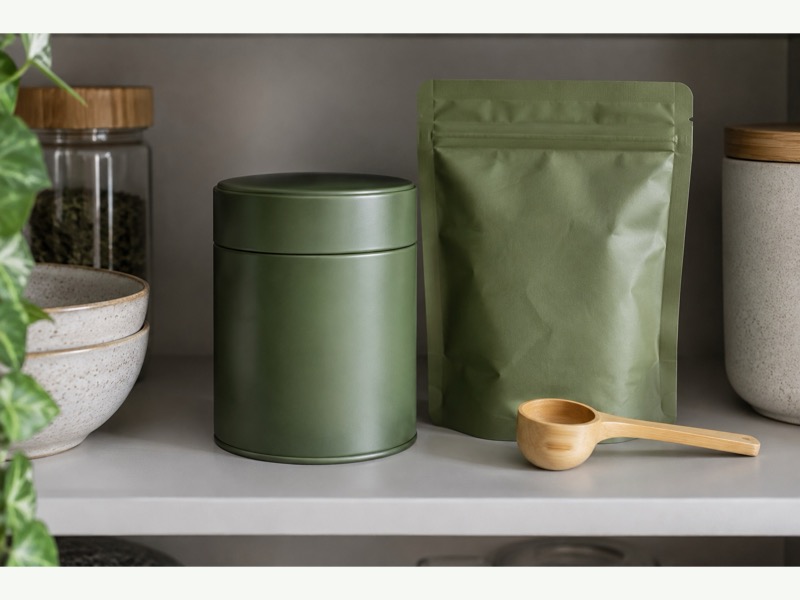
Ceremonial matcha should be kept sealed, dry, cool, and away from strong light and odors. If you're checking what is ceremonial matcha after opening a tin, remember that air and moisture can alter the product you originally approved. Good storage protects flavor as well as the value of your sample evaluation.
What changes once you open the pack?
Before opening a cold tin: let it reach room temperature while sealed, then open it so condensation stays out of the powder. Use a clean, dry scoop and close the package promptly after service. For larger orders, ask how the packaging limits light and air, and keep lot codes visible in your stock area.
- Keep the inner seal intact until use.
- Avoid steam above the scoop or open tin.
- Rotate stock by lot and opening date.
| Risk | Simple control |
|---|---|
| Moisture | Dry tools and a closed container |
| Light and air | Opaque, well-sealed packaging |
Storage rules only help when staff can follow them. Key Takeaway: Protect each opened lot so a good powder still tastes good at service.
How can you check ceremonial matcha quality before buying?
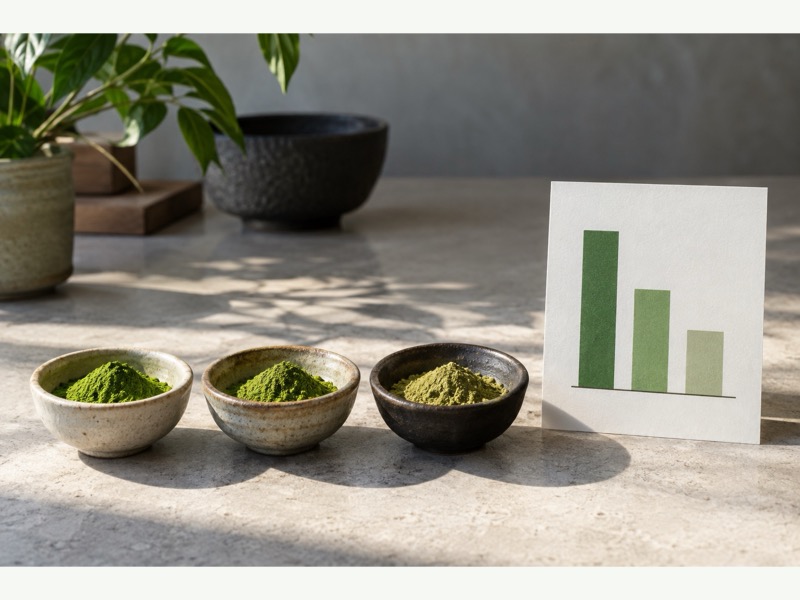
You can check ceremonial matcha quality by pairing a controlled tasting with batch documents and a repeat-order plan. For procurement teams asking what is ceremonial matcha, the useful answer is a measurable standard for color, flavor, texture, and traceability. A photo or grade name alone cannot show whether the next shipment will match the sample.
What should a sample review include?
Ask for the batch: compare samples in water, then request the lot identity and the testing documents relevant to your destination market. Use a short scorecard so several tasters judge the same qualities in the same order. A sample service is most useful when it lets you compare grades in your actual drink or food formula.
- Record recipe, water temperature, and tasting date.
- Review lot, ingredient, and safety documents.
- Agree on acceptable variation before a bulk order.
| Evidence | What it helps you decide |
|---|---|
| Sensory scorecard | Fit for your recipe |
| Batch documents | Identity and compliance review |
Together, these checks turn preference into a specification. Key Takeaway: Keep the approved sample and its lot details as a benchmark for repeat supply.
Which matcha grade fits your menu or product line?
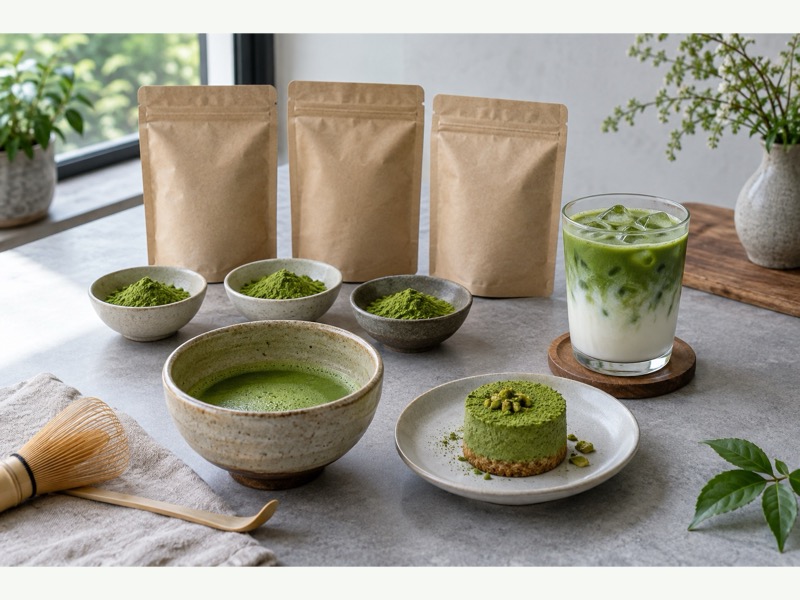
The right matcha grade is the one that meets your target flavor, color, cost, and service conditions. If you're asking what is ceremonial matcha for a buying decision, start with the product your customer will actually receive. A powder that excels in a water-only bowl may be unnecessary in a sweetened drink or baked item.
How do you make the final choice?
Bring your real recipe: test each candidate in plain water and then in its intended application. Ask your supplier for a shortlist, consistent samples, and documents for the market where you'll sell. Compare cost per finished serving, not just the price of a kilogram, and make sure the chosen flavor can be repeated at scale.
- Water-only service: prioritize smoothness and fine texture.
- Lattes: test flavor after milk and sweetener.
- Food production: test color and flavor after processing.
| Decision | Test that answers it |
|---|---|
| Sensory fit | Taste the finished product |
| Commercial fit | Check cost and repeat supply |
The strongest grade choice solves both tests. Key Takeaway: Write a product specification around the drink or food you sell, then order against that standard.
You now have a way to judge the label, check caffeine claims, prepare and store the powder, and choose a grade for your recipe. If you need samples, batch details, or a shortlist for your menu or product range, contact us today and tell us what you plan to make. We believe a matcha grade should earn its place in the cup and on the specification sheet.
FAQs
Q1. Can I use ceremonial matcha in a latte? Yes. It can work, but compare its flavor and cost against a latte-focused powder in your own recipe.
Q2. What's the best matcha for drinking plain? A smooth, fresh powder that you enjoy in water. Taste samples side by side because grade names do not guarantee the same cup.
Q3. How do I know if a ceremonial label is reliable? Check the sample and the lot details. Ask for origin, production information, and the documents needed for your market.
Q4. Can I drink ceremonial matcha every day? Many adults can, depending on caffeine tolerance. Consider the serving size, other caffeine sources, and any advice from your health professional.
Q5. How do I know if my matcha has gone stale? Look for a duller color and flat or off aroma. Storage history matters, so keep the tin sealed and dry.