
Pink matcha is a popular visual idea, but the name can describe a pink botanical powder with no tea at all, or a drink that contains genuine green matcha plus a pink ingredient. Those products differ in flavor, caffeine, labeling and customer expectations. A beverage brand should decide what it is selling before naming the product. This guide explains ingredient options, recipe testing, sourcing and claims for cafés and retail teams. The first decision is simple: identify whether powdered tea from Camellia sinensis is actually present.
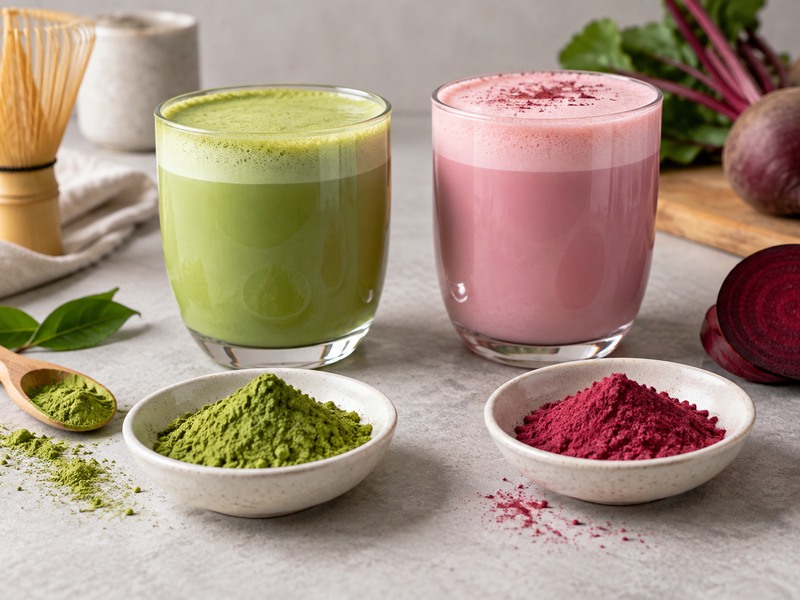
1. Is pink matcha really matcha?
True matcha is powdered tea made from Camellia sinensis leaves. It is green, not naturally pink. A pink powder made only from beetroot, dragon fruit, hibiscus or another botanical is not matcha, even if it is whisked like matcha. A product may legitimately contain both matcha and a pink ingredient; in that case, the formula and description should say so. The distinction matters to a customer who expects tea flavor or caffeine. It also matters to procurement because a botanical powder and matcha require different specifications, safety documents and sensory tests.
What should a buyer check first?
Ask for the full ingredient statement and percentage or dose of each characterizing ingredient. Then prepare the product exactly as the customer will. If no tea appears in the formula, consider a name such as “pink botanical latte powder” rather than asking the consumer to infer that “matcha” is metaphorical. If matcha is included, taste whether it remains identifiable after the pink ingredient is added. A tiny tea dose that contributes neither flavor nor visible character may still need a more precise product name. Record the naming decision before package design begins.
| Formula | Contains true matcha? | Clearer description |
|---|---|---|
| Beetroot powder only | No | Beetroot latte powder |
| Dragon fruit powder only | No | Dragon fruit drink mix |
| Matcha plus pink botanical | Yes | Matcha latte with named pink ingredient |
2. Which ingredients create a pink drink?
Beetroot, dragon fruit, berry and hibiscus ingredients can bring different shades and flavors. Their color behavior depends on the form, processing and finished beverage. A vivid dry powder may turn pale in milk or shift after heat. Some options bring earthy, tart or fruit notes that compete with tea. Ask for a commercial ingredient specification that identifies what a photograph cannot show. Check whether the material is a juice powder, extract, flavored blend or color preparation. Each can have carriers or added ingredients that affect labels and dosing.
How should pink ingredients be screened?
Prepare coded samples at a common serving size in the intended liquid. Record hue at mixing, after a normal hold and after hot preparation if offered. Taste for the botanical’s own flavor, sweetness, acidity and mouthfeel. Then add the approved matcha dose and repeat. A good-looking pink ingredient may make tea taste muddy, while a subtle one may leave room for matcha but produce weak color. Decide which compromise suits the product promise. Request a second lot because botanical color can vary with raw materials and processing.
3. How can matcha be included honestly?
If the concept is a tea drink, specify matcha mass per serving and select a powder that works with the pink component. Taste pure matcha powder in water, then in the full formula. The green tea color and pink color may combine into an unappealing mixed shade. A layered cup can separate them briefly, but customers will stir or carry it. Evaluate the mixed drink as the actual eating experience. If the blend is mostly a pink botanical and matcha appears only as a token ingredient, the name should not imply a tea-led product.
What should the recipe card state?
Record matcha grams, pink component and dose, liquid, sweetener, ice or heat, mixing method and service order. If the components are layered, state how the customer should mix them. For a retail powder, give instructions that ordinary users can follow without a special blender. Keep tea and botanical lot codes tied to the finished product. A change in either ingredient can affect color or flavor. Approve the combined cup, not two separate powders that look attractive on a development bench.
| Recipe question | Reason to test | Acceptance evidence |
|---|---|---|
| Is tea identifiable? | Matcha claim | Blind tasting |
| Is pink visible? | Visual promise | Cup photos under fixed light |
| Is mixed color acceptable? | Real consumption | Stirred-cup test |
| Does it disperse? | Customer preparation | Store or home-use trial |
4. Does a pink botanical powder contain caffeine?
A powder made only from beetroot, dragon fruit or similar non-tea ingredients does not gain matcha caffeine by being called pink matcha. Other ingredients could still contribute caffeine, so check the full formula. A blend containing genuine matcha can contain caffeine, with the amount depending on tea dose and material. Do not copy a generic caffeine figure from a plain matcha drink to a pink blend. If a brand publishes a number, use a defensible calculation or analysis for the actual serving. Staff should be able to tell customers plainly whether the product contains tea.
How should menus handle this difference?
List the principal ingredients in a short, readable description. “Caffeine-free” is a claim that needs review of every component and production context; it should not be assumed from a pink color. “Contains matcha” should mean true powdered tea is present. A customer choosing between a tea latte and a botanical latte can then make an informed choice. For chains, train employees on the exact formula and version. If procurement changes a pink powder or adds a tea component, update menu information before the new stock reaches the bar.
5. What happens to pink color in milk and water?
Color depends on concentration, liquid opacity, temperature, acidity and time. A pink powder may appear strong in water and pastel in oat milk. When matcha is mixed in, green pigments can dull or change the overall look. Layers may give the best initial contrast, but they seldom remain untouched in takeaway service. Run visual trials in the actual cup, lid and lighting. Photograph fresh, stirred and held drinks against an approved reference. Do not guarantee a precise shade from a single styled image when ingredient lots and customer mixing will vary.
What is a sensible visual specification?
Define an acceptable range rather than one exact social-media color. Include the pink ingredient lot, matcha lot, base SKU and preparation conditions in the visual record. For a packaged product, observe color through the intended shelf life and after transport. If a color shift occurs, investigate formula, package and storage before changing the ingredient dose. Adding more botanical powder may increase earthy or tart flavor and alter cost. Visual quality and flavor must be approved together.
| Test condition | What to inspect | Commercial relevance |
|---|---|---|
| Fresh in water | Ingredient’s own hue | Powder screening |
| Fresh in milk | Consumer-facing shade | Café recipe |
| After stirring | Mixed appearance | Drinking experience |
| After travel | Separation and fading | Takeaway suitability |
6. How should a café build a pink matcha drink?
Choose whether tea and pink component are mixed, layered or served as separate foam and base. Fix cup size and measure each ingredient. Disperse powders before adding large amounts of cold liquid to avoid clumps. Use the exact milk or plant base approved for the menu. A strawberry-flavored pink layer may add sweetness that makes separate syrup unnecessary; a beetroot powder may need a different flavor balance. Trial several doses without changing every ingredient at once. The menu should deliver the named flavor across the whole cup, not only in the first sip.
What should a store pilot measure?
Time preparation during a busy shift, weigh portions, count remakes and inspect cups after handoff. Ask customers what they think the drink contains before explaining it. If many expect green tea but the product has none, naming needs work. If they expect a pink fruit drink and receive an earthy beetroot flavor, the description needs work. Track bottom-of-cup sediment and whether a straw can move through any layered puree. The pilot should test customer understanding alongside sensory quality.
7. What must a retail label say?
Ingredient declarations and claims must match the final formula and destination market. A pink powder without tea should not rely on a package name that suggests it is genuine matcha. If matcha is present, state it clearly and review caffeine-related copy. Botanical ingredients may have carriers, sugars, colors or flavorings that need declaration. The FDA food labeling guide can orient U.S. product teams; a qualified reviewer should check each finished pack. Avoid health claims based only on botanical color or popular associations with an ingredient.
How can marketers describe the product precisely?
Use an ingredient-led name such as “dragon fruit latte mix” for a no-tea powder, or “matcha and strawberry latte mix” when both are material ingredients. Explain flavor and preparation rather than promising a wellness result. Do not describe pink as a special matcha cultivar; true matcha’s tea origin does not change because a botanical color is added. Keep artwork tied to a formula version. If a supplier substitutes a fruit powder, recheck both ingredient wording and the cup’s appearance before releasing new packs.
8. Which supplier documents should procurement request?
For matcha, request product specification, origin and processing details relevant to claims, lot-specific analysis and pack information. For the pink component, ask for botanical identity, ingredient declaration, color or sensory range, storage and applicable quality documents. A matcha blends supplier may formulate a combined powder, but the buyer should still know which ingredients create the pink color and whether tea is present. Ask about change notification for raw materials, carriers, color preparation and manufacturing site.
How should lots be approved?
Make the standard finished drink using each new lot and compare it with a retained reference. Review both the pink ingredient and matcha documents, then check the combined color and flavor. A dry-powder photograph alone is insufficient because milk or water changes appearance. Record lot IDs in the product file so a customer complaint can be traced. If the supplier’s color range is broad, agree on an application-based acceptance test rather than rejecting or accepting lots by subjective daylight viewing.
| Document | Matcha component | Pink component |
|---|---|---|
| Ingredient identity | Tea source and product spec | Botanical source and form |
| Lot data | Relevant quality analysis | Color and quality data |
| Storage | Powder pack conditions | Color stability conditions |
| Change notice | Tea material or process | Carrier, source or color process |
9. How do cost and menu positioning interact?
Cost the finished drink or retail serving. Include true matcha dose, pink ingredient, sweetener, milk, packaging, labor and waste. A bright botanical powder may be expensive per kilogram but use a small dose; another may require more to show in milk. If the concept contains no matcha, its cost and customer proposition should not be compared directly with a tea latte. A layered cup may need two mixing steps and extra cleaning. Price it against the experience customers actually receive and the store time it consumes.
Which substitution risks affect margin?
Changing the pink powder can alter color enough to require more grams and change flavor. Changing matcha can alter both tea visibility and mixed shade. If either source is seasonal or scarce, qualify an alternate before a large launch. Run the same sensory and visual test on that alternate; similar names are not enough. Track opened-pack waste in slower stores. A low-volume specialty item may work as a limited feature but leave too much stock for a permanent chain menu.
| Proposed substitution | Retest before use | Copy to review |
|---|---|---|
| New pink botanical lot | Color and flavor | Ingredient origin claims |
| New matcha lot | Tea identity and mixed shade | Matcha description |
| New plant milk | Color and texture | Allergen and vegan wording |
10. When is pink matcha ready to launch?
Launch only after the product name accurately describes its ingredients, the finished drink meets flavor and appearance targets, staff can make it consistently, and the label passes review. If the powder is botanical-only, say so and sell its actual flavor. If it contains true matcha, show how much tea character survives after mixing. Test with target customers, including some who know matcha, and listen for confusion. A visual novelty can attract a first purchase; clear identity and an enjoyable full cup support a second.
What should the next purchase order specify?
List exact component SKUs, formula version, serving method, pack, quality documents and change-notification terms. Keep a retained drink reference and photos at fresh and stirred stages. If a future shipment changes color or tea taste, compare it under the same conditions before releasing it to stores. The practical rule is straightforward: sell a pink botanical as a pink botanical and sell a tea-containing product with enough clarity that customers know what they are drinking.
Frequently asked questions
Q1: Is pink matcha a pink variety of tea? No. Genuine matcha comes from tea leaves and is green; pink usually comes from another ingredient.
Q2: Does a beetroot-only powder contain matcha? No, unless matcha is separately listed in the formula.
Q3: Is pink matcha caffeine-free? That depends on the complete ingredient list. A blend with matcha can contain caffeine.
Q4: Why does a pink drink turn dull when mixed? Pink and green components, milk opacity and concentration affect the final appearance. Test the stirred cup.
Q5: What should a buyer ask a supplier first? Request the complete ingredient statement and confirm whether genuine matcha is present.