
Okumidori matcha attracts buyers looking for a named tea cultivar, but the cultivar name alone does not establish origin, processing quality or fit for a menu. A supplier may offer a single-cultivar product, a blend containing Okumidori or simply a tea described with similar flavor language. These are different purchase decisions. This guide helps importers, matcha brands and cafés ask for traceable evidence, compare samples fairly and write a specification. The goal is to buy the tea in the cup, with a claim the business can support.
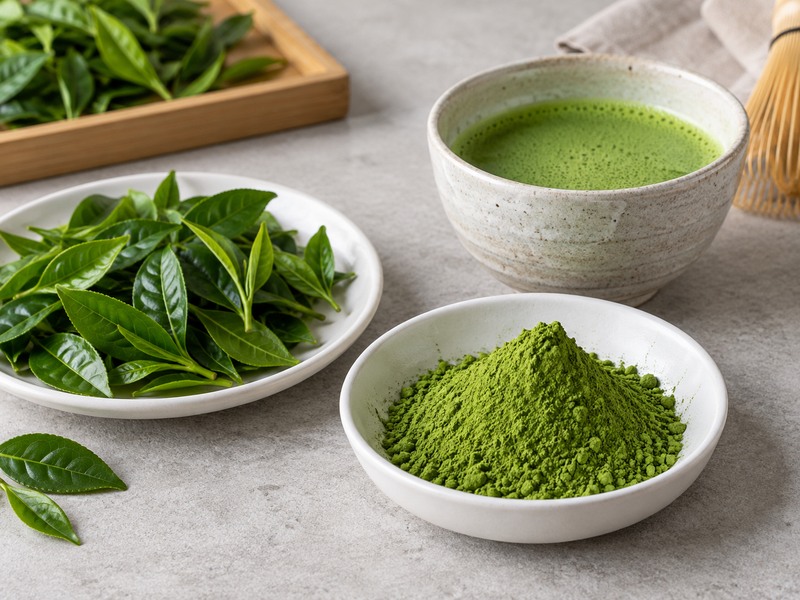
1. What is Okumidori in a matcha specification?
Okumidori is a named cultivar of the tea plant Camellia sinensis. A Japanese tea research record documents it as a registered variety suitable for green tea. A cultivar name identifies plant material; it does not by itself say that leaves were shaded, processed into tencha, ground to matcha, grown in a particular region or certified organic. If a supplier sells “Okumidori matcha,” ask how it defines that phrase and what proportion of the tea comes from the cultivar. A precise definition should precede a sensory or price comparison.
What should the purchase order say?
State whether the requirement is single-cultivar or a blend with an identified percentage. Request origin, harvest or production period, processing details and lot traceability. If the marketing claim names a region, require evidence for that region separately. A premium price based on a cultivar story is difficult to defend without documentation tied to the actual lot. A buyer can still choose a blend for flavor or supply stability, but it should be sold as a blend. Specific wording prevents a useful ingredient detail from becoming an unsupported origin promise.
| Claim | What it actually identifies | Evidence to request |
|---|---|---|
| Okumidori | Tea cultivar | Grower or production records |
| Single cultivar | Entire tea input from one cultivar | Lot and blending records |
| Regional origin | Where tea was grown or processed | Traceability records |
| Organic | Certified production and handling | Market-relevant certificate |
2. Does cultivar alone predict flavor?
No cultivar creates an identical cup in every field and season. Shading, harvest timing, leaf handling, processing, grinding, packaging and storage all affect matcha. Okumidori may have a reputation for a particular balance of flavor and color, but buyers should taste the commercial lot rather than purchase from reputation. A supplier’s tasting note is a starting hypothesis. If your product is a plain bowl, evaluate it in water. If you sell lattes, test it in the actual milk. The best cultivar claim has value only when the tea also meets the intended sensory target.
How should a tasting panel work?
Code samples and prepare them at the same powder mass, water source, temperature, mixing method and serving time. Record aroma, sweetness, savory character, bitterness, astringency, body, color and finish. Repeat on another day and with more than one lot if long-term supply matters. Include a comparable non-Okumidori control. That control reveals whether the named cultivar actually gives your customer a difference worth paying for. Ask tasters to describe the cup before showing cultivar or price. Labels influence expectations more than a buyer may notice.
3. What production details matter beside cultivar?
For matcha, the buyer should ask about leaf material, shading and processing route, then verify how the lot was ground and packed. The exact technical process varies by supplier; the point is to identify what was done to this tea rather than infer it from “Okumidori.” A named cultivar processed poorly may taste rough or lose its color. The supplier should be able to describe the relevant site, lot and quality controls. The record should connect leaf sourcing to the packed powder. Without that chain, a cultivar statement is a marketing phrase rather than a procurement specification.
Which questions uncover weak documentation?
Ask which records identify the cultivar at the field or intake stage, how leaves from different plots are separated, and whether blending occurs before packing. Request an example lot code and show how it maps to a finished pack. Ask what changes between harvests and how customers are notified. A supplier need not disclose every proprietary processing detail to answer these traceability questions. If its story cannot be tied to a particular shipment, avoid printing a single-cultivar claim until evidence is available.
| Supply stage | Traceability question | Possible gap |
|---|---|---|
| Growing | Which records identify cultivar? | Mixed plots |
| Leaf intake | How are lots separated? | Unrecorded aggregation |
| Processing | Which batch made the powder? | Missing conversion record |
| Packing | Which finished packs contain the lot? | Incomplete code mapping |
4. How should dry powder be assessed?
Inspect powder under consistent light in a controlled sample depth. Note color, aroma and any visible clumping, then prepare the tea. Dry color is a useful quality cue but cannot prove cultivar, origin or grade. Particle feel matters in a plain drink, yet it should be evaluated in the cup rather than guessed from appearance. Compare samples soon after opening and store them under the same conditions. If one package has spent weeks on a warm desk, its duller color says little about the supplier’s original lot. Keep a sealed reference for future comparisons where practical.
What should the intake checklist include?
Check pack integrity, lot code, date information, specification, certificate of analysis and any origin or cultivar documentation before sensory approval. Prepare a standard bowl and photograph it under consistent light. Record any grittiness or stale aroma. If the new lot differs from the approved reference, investigate storage and preparation before assuming cultivar is the cause. Matcha quality is multidimensional, so a lot should not pass solely because the powder looks vivid. It should also taste appropriate in the application and meet safety requirements.
5. How does Okumidori perform in different applications?
A plain bowl reveals subtle aroma and texture; milk can soften and obscure them; confectionery processing may make them less noticeable still. Define where the cultivar adds value. A specialty café can present a plain-water tasting and explain the lot. A packaged latte brand may get more customer value from consistent flavor and supply than from a specific cultivar claim. Test the tea in the actual recipe at its intended dose. Compare cost per serving with a non-cultivar-specific powder. If customers cannot perceive the difference in a sweet drink, the premium may belong in another part of the range.
Which application trial is fair?
Use the same recipe, vessel and staff member for coded powders. Include plain water as a control even if the final product is a latte; it helps diagnose tea quality. Then taste in the commercial formula, including sweetener and ice. Score tea recognition, balance, color and finish after a realistic hold. A pure matcha assortment can provide useful comparative profiles, but do not infer that a general product page offers the named cultivar. Confirm the specific cultivar and origin directly with the proposed supplier and lot documents.
| Application | What cultivar may contribute | Test that decides value |
|---|---|---|
| Plain bowl | Distinct sensory story | Blind water tasting |
| Unsweetened latte | Tea aroma through milk | Finished-cup panel |
| Sweet latte | Color and residual tea note | Dose and cost comparison |
| Candy or bakery | Ingredient narrative | Process trial and customer test |
6. What documents support the cultivar claim?
Ask for supplier and grower declarations tied to the lot, production records showing cultivar identity, blending information, origin records, specification and quality analysis. The exact paperwork depends on supply chain structure. A certificate of analysis confirms measured quality attributes but may not prove cultivar; a sales brochure is weaker still. If a supplier uses DNA or other analytical verification, ask what the method can and cannot establish. The buyer’s job is to assemble a reasonable evidence chain for the exact claim it plans to make, then keep that chain with the artwork approval.
How should an importer store the evidence?
Link purchase orders, supplier declarations, batch records, shipping documents and finished-pack codes in one product file. Check that the claimed cultivar proportion and origin remain true after any blending or repacking. Review the chain when a new harvest enters supply. If a retailer asks for substantiation, the brand should be able to produce more than an old email saying “Okumidori.” A clear approval trail also helps resolve a later complaint about taste or color. It shows which lot reached the market and which claim was printed on it.
| Evidence item | Supports | Does not prove alone |
|---|---|---|
| Lot traceability | Source chain | Cup quality |
| Cultivar declaration | Named plant material | Region or organic status |
| Sensory reference | Approved flavor | Cultivar identity |
| Certificate of analysis | Measured quality | Single-cultivar claim |
7. Can a blend include Okumidori and still be useful?
Yes. Blending may support a consistent sensory target or broader supply, provided the seller describes it honestly. A blend containing Okumidori is different from a single-cultivar powder. The product name and detail page should not blur that difference. Ask the supplier for the blend specification and change-control rules. If the blend composition varies to preserve taste, decide whether the cultivar percentage must remain fixed for marketing. A flexible blend can be commercially sensible for café service; a fixed single-cultivar claim requires tighter sourcing and may have a different cost.
What should a blend comparison reveal?
Taste a single-cultivar candidate and a blend in identical conditions. Rate flavor, color, texture, cost and lot availability. Ask whether customers can perceive a meaningful difference in the intended drink. If the blend wins, use precise language such as “includes Okumidori” only when the amount and market rules support it. If the single-cultivar product wins, budget for supply variation and a second-lot approval test. Do not let a romantic cultivar story overrule a poor finished cup.
8. How should price and supply risk be evaluated?
Compare landed cost per saleable serving, including the powder dose. A premium lot may require a smaller dose to deliver the desired tea character; another may be expensive without performing better in milk. Include freight, packaging, tests, stockholding and minimum order. Ask what volume of the named cultivar can be supplied over the period your packaging will be used. If a seasonal tea cannot support a permanent menu, consider a limited release with transparent lot information. Avoid printing large amounts of fixed-origin packaging before the supply plan is confirmed.
Which commercial terms need attention?
Confirm lead time, forecast windows, reservation options, lot-change notice, sample approval and rejection procedure. Request a second lot before signing a long contract. If the supplier cannot guarantee the same cultivar or blend proportion year-round, make the marketing plan flexible. A buyer may approve several lots with defined sensory ranges rather than demand an identical flavor that agriculture cannot promise. The contract should identify who can approve substitutions and what documentation arrives with each shipment.
| Commercial variable | Buyer question | Mitigation |
|---|---|---|
| Seasonal volume | How much is actually available? | Reserve or limit release |
| Lot variation | How wide is the approved range? | Retained reference and panel |
| Lead time | When can a new lot ship? | Forecast early |
| Claim risk | Can documents support the pack? | Approve copy per lot |
9. How can marketing describe the tea accurately?
Separate cultivar, origin, grade and sensory descriptions. “Okumidori” names plant material. A region claim names where the tea was grown or processed according to its wording. “Ceremonial” is often a market grade label rather than a universal standard. A tasting note describes the sample the brand approved. Do not treat one as proof of another. For a retail pack, explain the cultivar in a sentence and give preparation guidance. For a café menu, staff can describe the current lot without making claims the supplier cannot substantiate.
What copy should be avoided?
Avoid universal rankings such as “the best cultivar” or assertions that all Okumidori tastes identical. Do not claim a Japanese region solely from a Japanese cultivar name; the plant can be discussed separately from place. Do not imply organic status without certification. Keep the copy close to observed taste and verified records. If the product is a blend, name it as a blend. Customers who care enough to ask about a cultivar usually value that precision, and accurate copy reduces problems when a new harvest tastes different.
10. When should a buyer approve Okumidori matcha?
Approve a specific lot when the cultivar evidence supports the intended claim, the tea meets sensory and safety specifications, the application test works and the supply terms fit the business. A named cultivar is a reason to investigate, not a shortcut around procurement. Compare it with at least one alternative under blind conditions. Keep a retained reference and a documented acceptance range. If the tea is intended for a seasonal feature, tell customers which lot they are drinking and plan a clear end date or replacement strategy.
What is the next procurement action?
Ask the proposed supplier for two commercial-lot samples and a traceability packet for each. Prepare them plain and in the intended product. Review the documents before finalizing menu or pack copy. If both flavor and evidence pass, issue a purchase order against the agreed specification and change-control terms. If the paperwork is incomplete, keep the product in development even if the sample tastes good. A cultivar story becomes commercially useful when the tea and its records can travel together.
Frequently asked questions
Q1: Is Okumidori a place? No. It is a tea cultivar; origin requires separate evidence.
Q2: Does Okumidori guarantee premium matcha? No. Cultivation, processing, storage and the specific lot still determine quality.
Q3: Can a blend contain Okumidori? Yes, but it should be described as a blend and its composition should support any claim.
Q4: Can a certificate of analysis prove cultivar? It mainly reports measured quality attributes; ask for traceability and production records too.
Q5: Should cafés pay more for a named cultivar? Only when the customer-facing difference, supply and documentation justify the finished-cup cost.