
A matcha unboxing experience begins when a shipped carton reaches a customer. The tea, instructions and tools must survive delivery and make the first cup simple. Send a packed sample through the intended route and ask a new customer to open it unaided. DIRTEA’s unboxing page shows one presentation. For tea selection, see Matcha Village’s sample service; the packed kit still needs its own handling test.
Contents
- 1. What should the customer understand on opening the box?
- 2. Which parts must arrive intact?
- 3. How should the tea pack be protected inside the shipper?
- 4. What should the customer see before lifting the product?
- 5. Which preparation steps belong in the box?
- 6. How can a team test the opening sequence?
- 7. Where do sustainability claims need evidence?
- 8. What should fulfillment staff be able to pack repeatedly?
- 9. Which signals support a second purchase?
- 10. When is the package ready to order at scale?
1. What should the customer understand on opening the box?
Define the first minute
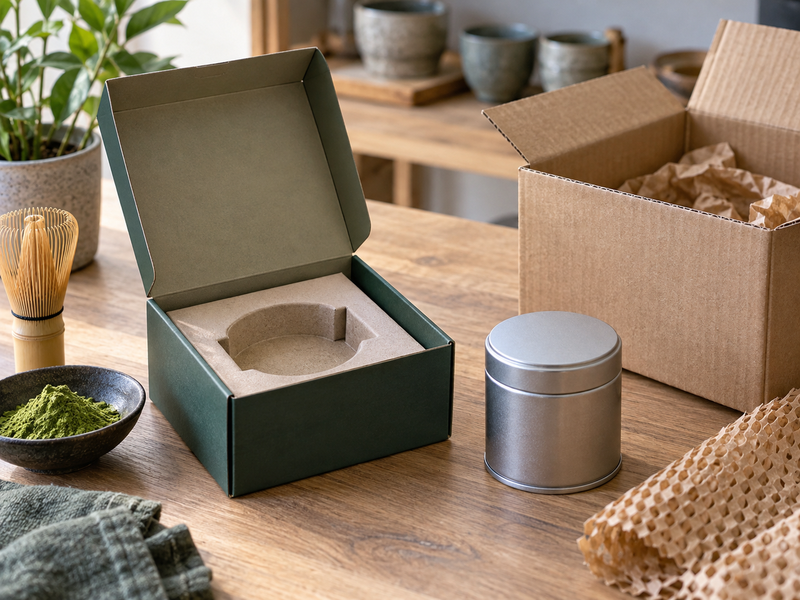
A buyer of a matcha starter set should be able to identify the tea, its pack size and the tools without searching through decorative filler. Decide what the first panel says and what the customer should do next. A retail refill may need little explanation; a kit with a whisk and bowl needs a clear setup path. Lay every item on a table in the order it appears during opening. Ask someone unfamiliar with the brand to say what each piece is and which item they would use first.
Make the intended first cup specific. If the product requires a measured powder dose, water and whisking, provide instructions with units and a picture or simple sequence that works when the phone is elsewhere. Do not fill the opening with unsupported wellness claims or vague brand prose. The customer’s practical question is whether they can make the drink they expected. Photograph the unopened parcel, each layer and the fully unpacked contents during a pilot. Those images reveal confusion that the polished hero shot hides.
2. Which parts must arrive intact?
List the failure points
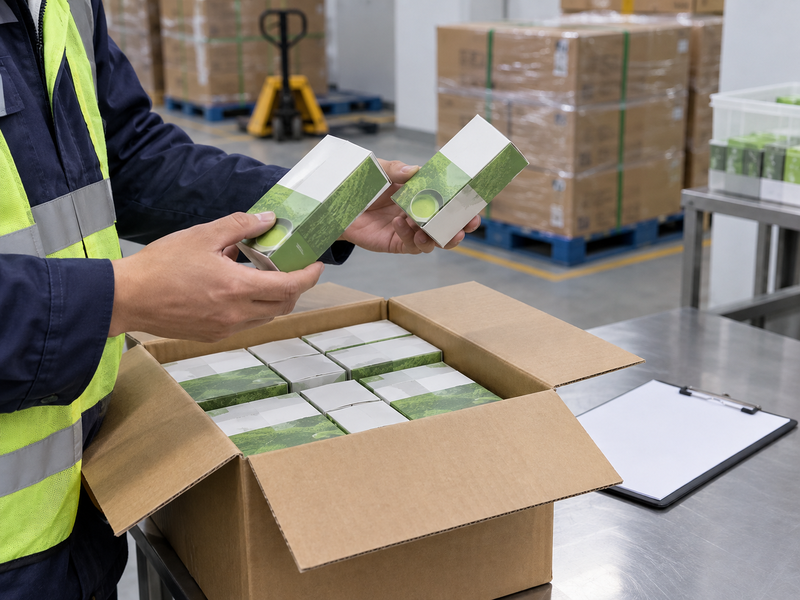
The matcha pack, inner seal, any ceramic or glass piece and printed instructions have different protection needs. Give each item a damage criterion before choosing an insert. A dent in an outer shipper may be acceptable; a cracked bowl or powder around a tin closure is not. Open sample parcels after the carrier route you intend to use. Check corners, lid fit, seal, loose particles and whether a damp carton affected the contents. Record the parcel weight and dimensions alongside the contents.
Run more than one shipment test if the offer contains fragile tools or several pack configurations. A product packed snugly with one tin may move around when a smaller refill is shipped in the same box. Ask fulfillment staff whether they can assemble the insert without forcing items. If a component arrives damaged, identify the item, packing sequence and box size rather than blaming transport generally. The purpose is a pack instruction that protects real orders and can be repeated by another shift, not a single sample that survived a gentle office delivery.
| Component | Check after delivery | Failure response |
|---|---|---|
| Tea tin or pouch | Closure and lot code | Hold affected unit |
| Tool | Chips or deformation | Revise protection |
| Insert | Item movement | Adjust fit |
| Instructions | Legibility and dryness | Change placement |
3. How should the tea pack be protected inside the shipper?
Keep tea protection separate from decoration
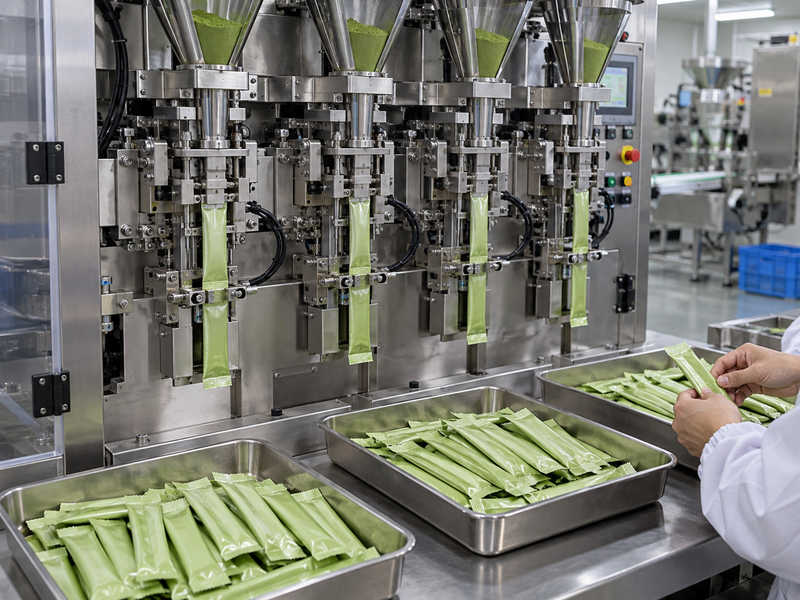
Choose the primary pack for the powder’s product needs, then design the shipping box around it. Ask the supplier for storage guidance, closure details and a lot code that remains readable when the pack is nested in an insert. The outer presentation should not hide a damaged inner seal or require customers to cut near the tea pouch. If a spoon or whisk shares a compartment, check that hard edges cannot abrade a soft pack during transit.
Try a full box drop and handling trial through the intended fulfillment route, following the packaging team’s method. Do not infer a shelf life from how fresh a sample tastes on the day it is packed. Use the supplier’s documented product information and your own label review. Test the pack after storage under the conditions your warehouse and customer are likely to use. If the tea will be supplied by Matcha Village, its company profile describes tins, bags and private-label formats, but the selected material and closure still need a product-specific sample. Protection is only credible when the tea delivered matches the reference the buyer approved.
4. What should the customer see before lifting the product?
Make the reveal useful
The first visible layer can identify contents and guide opening without becoming a pile of printed cards. Decide whether a short preparation card, product name or seal should greet the customer. Avoid covering the tea with so many inserts that the customer has to remove them to understand the purchase. For a refill order, a simple pack and order note may be better than repeating a costly full starter presentation. Use customer testing to settle that choice.
Check legibility under ordinary home lighting and for someone who has not seen the brand’s website. The product label should not rely on an outer card for information that belongs on the pack. If several teas look alike, put the grade and net quantity where customers can distinguish them after unpacking. A presentation choice also affects packing labor: a sleeve that looks neat in a photo may shift or wrinkle at speed. Let a fulfillment worker assemble ten units and note the steps that require extra attention.
| Visible layer | Customer question answered | Production check |
|---|---|---|
| Outer label | Is this my order? | Correct SKU |
| Opening panel | What is inside? | Clear wording |
| Tea pack | Which grade and size? | Readable label |
| Tool card | How do I start? | Short instructions |
5. Which preparation steps belong in the box?
Give the buyer a usable first recipe
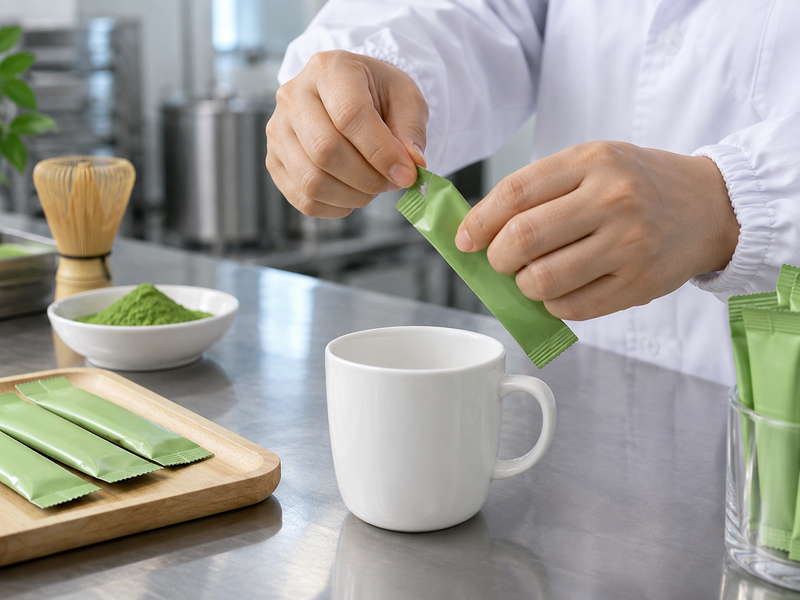
A preparation card should say how much powder and water to use, which tool is needed and what a finished drink should look like. If the kit supports both straight matcha and a latte, give each a separate small recipe rather than blending instructions into a paragraph. Make measurements compatible with the scoop or scale the customer actually has. Avoid claiming one water temperature or whisking duration fits every powder; validate the card with the SKU in the box.
Test the card by handing a sealed kit to someone who has never made matcha. Watch where they pause without explaining the answer. If they cannot identify a tool, change its label or illustration. If the powder clumps under the written method, revise the method or product choice before printing. A QR code can provide longer video guidance, but the physical card should work when scanning is inconvenient. Confirm that any online destination will remain maintained, and keep promotional text separate from the instructions. The first cup is a product experience, not a marketing quiz.
6. How can a team test the opening sequence?
Observe rather than coach
Recruit a small group that resembles the intended buyer: first-time drinkers for a starter set, repeat customers for refills and gift recipients for seasonal boxes. Give each person the packaged item and ask them to open it as they normally would. Record whether they notice the product name, find the tea, understand the tools and make the first drink. Time can be useful, but note where confusion occurs rather than chasing a universal opening speed.
Ask participants to repack the kit or put materials away after use. A box that is easy to open but impossible to store may leave loose tea and tools on a counter. Compare their comments with fulfillment and damage records. One person may like decorative tissue while another sees waste; repeat observations matter more than a single preference. Do not turn feedback into invented customer satisfaction percentages. Keep a short issue log with the observed behavior, proposed change, owner and a second trial. Packaging improves when changes solve a specific problem.
| Observation | Possible cause | Test change |
|---|---|---|
| Tool missed | Hidden under insert | Move or label |
| Tin scuffed | Item movement | Change fit |
| Recipe ignored | Card buried | Move first layer |
| Box discarded | Hard to reuse | Simplify construction |
7. Where do sustainability claims need evidence?
Examine actual materials and disposal routes
If the brand wants to say an insert is recyclable or a box is plastic-free, ask the packaging supplier for material composition and the markets where the claim will appear. Mixed laminates, coated papers and adhesives can complicate an apparently simple statement. The team responsible for packaging claims should review wording for each selling market. A natural-looking brown box does not prove a disposal route. Avoid printing a claim just because the design uses green colors.
Reduce unnecessary components before seeking a slogan. A fitted single-piece insert may protect better than several ribbons, sleeves and fill materials. Weigh the total packaging used for a starter kit and a refill order separately. Ask whether customers can identify which parts to retain or recycle without a long instruction sheet. A smaller box may reduce empty space but must still protect the tea and tools through delivery. Test both outcomes. A credible unboxing experience should let the customer enjoy the product without wondering why so many layers were needed.
8. What should fulfillment staff be able to pack repeatedly?
Convert the design into a work instruction
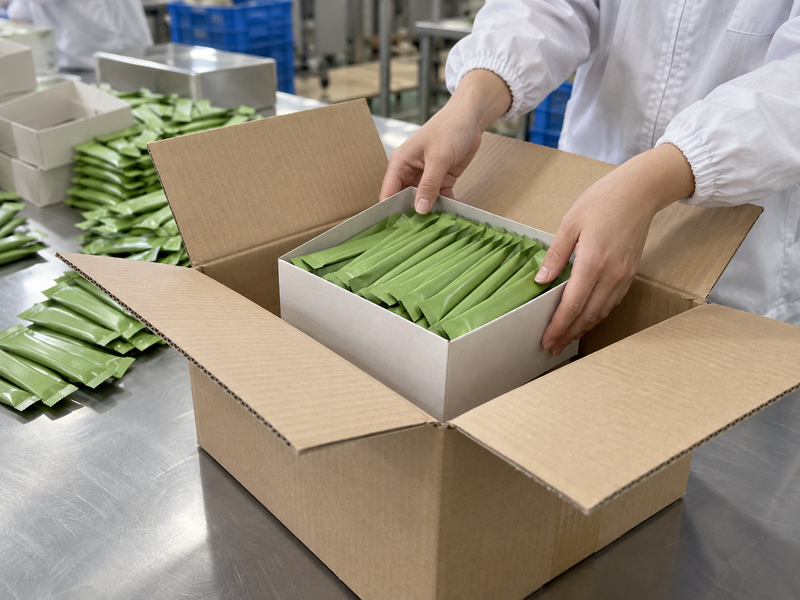
List every component by SKU and pack quantity. Show the direction of the tin, tool, card and insert in a one-page assembly instruction. Run a small timed packing trial with staff who were not part of the design meeting. Count missing pieces, damaged components and rework. If one corner must be folded precisely for the lid to close, consider whether that design is realistic at peak order volume. A beautiful prototype may become expensive when it needs repeated manual adjustment.
Give the team a check point for lot coding and version control. Seasonal cards, recipe changes and different powder grades create opportunities for a wrong insert or label. Decide who releases updated artwork and what happens to old printed stock. If a pack contains a consumable and a tool sourced separately, purchasing should confirm their delivery dates before the launch. The fulfillment line needs a complete, approved set. A clear bill of materials and ordinary trial make the customer reveal repeatable across thousands of boxes rather than one studio sample.
| Packing step | Control | Evidence |
|---|---|---|
| Pick tea | SKU and lot scan | Order match |
| Add tool | Count and condition | Assembly check |
| Insert card | Revision number | Artwork control |
| Close shipper | Fit and seal | Dispatch sample |
9. Which signals support a second purchase?
Make the next decision easy
The customer needs to know what to reorder, which grade they received and where to find the same product. Put the exact product name and size on the tea pack, not only on a disposable outer sleeve. An optional refill note can explain how a new pack differs from a starter kit. Avoid promising that every future harvest or lot will taste identical; keep customer-facing claims within what the supplier can support. If the first cup requires unusual technique, the best repeat-purchase investment may be clearer guidance, not another discount card.
Measure the signal with ordinary records. Track damage reports, missing-item contacts, questions about preparation and whether buyers can find the refill SKU. Compare cohorts only after the team has enough orders for a meaningful observation; do not invent improvement percentages from a small pilot. Ask customer service to tag issues by pack version, so a change can be evaluated. A buyer who feels confident making the tea has a practical reason to reorder. The unboxing should support that confidence while protecting the product and keeping fulfillment manageable.
10. When is the package ready to order at scale?
Approve the physical and operational version
Keep one approved assembled sample with the powder SKU, pack materials, artwork revision and assembly instruction. Review the shipping trial, new-customer opening test and fulfillment trial together. Quality should approve the tea pack and seal, brand should approve claims and artwork, and operations should approve assembly steps. Purchasing can then request a quote for the exact box, insert and print quantities. A rough per-box price is not enough when tooling, freight and rework remain unknown.
Place a small production order if the design has not yet run on the intended packing line. Inspect units from that run before committing to a larger print quantity. Keep a change record when the tin size, insert material or recipe card changes. A matcha unboxing experience succeeds when the delivered item is intact, the customer can make the first drink and staff can pack the next order the same way. That is a concrete launch standard rather than a description of an attractive box.
| Approval gate | Passing evidence | Owner |
|---|---|---|
| Protection | Delivery trial | Quality |
| Understanding | Opening observation | Product team |
| Assembly | Packing trial | Operations |
| Cost | Current itemized quote | Purchasing |
FAQ
Q1: Should a refill use the same box as a starter kit? Test both routes; a smaller refill may need less material while still protecting the tea.
Q2: Can a QR code replace printed instructions? Keep essential preparation steps usable without a phone, then use a link for added detail.
Q3: What should a shipping trial inspect? The shipper, tea seal, tools, labels and printed materials after the intended delivery route.
Q4: Are sustainability claims safe to infer from paper appearance? No. Check material composition and the relevant market’s claim review.
Q5: What identifies the approved packaging version? A retained assembled sample, bill of materials, artwork revision and packing instruction.
Final thought
Send the kit through delivery and let a new customer open it without help. Fix what breaks, confuses or slows packing. Then order the version that protects the tea and helps someone make a good first cup.