
A matcha slushie can leave the blender looking thick and reach the customer as a watery drink. The café needs a measured ice-to-liquid ratio, a repeatable blender load and a melt-rate check in the serving cup. Chalait’s matcha slushie recipe shows the simple home format of matcha, milk, sweetener and ice. A service recipe must also account for queue time, equipment heat and the last cup poured from a batch. Matcha Village’s sample service can support tea selection in the frozen base.
Contents
- 1. What should the frozen drink feel like?
- 2. Which ingredients set the ice balance?
- 3. How should matcha be dispersed before blending?
- 4. What blender load makes consistent portions?
- 5. How can the team test melt rate?
- 6. Which milk and sweetener choices work?
- 7. Is batching useful during a rush?
- 8. How should the drink be served and described?
- 9. What do yield and cost show?
- 10. When is the recipe ready for the menu?
1. What should the frozen drink feel like?
Define a spoon-or-straw target
A slushie may be sipped through a wide straw or eaten with a spoon. Choose the intended result before adjusting ice. Set a target cup size, fill line, texture at handoff and texture after a short wait. A mound of crushed ice that cannot move through the straw is not the same as a smooth frozen drink. Ask tasters to use the actual serving cup and straw, then note whether matcha flavor remains clear as the drink melts.
Compare the slushie with other cold drinks on the menu. If it is essentially an iced matcha latte with a few ice chips, the extra blending step may not earn its station time. If it is a thick dessert, it may need a different price and handoff instruction. Photograph the accepted surface immediately after pouring and after the expected wait. Those two views reveal how quickly a photogenic sample becomes a separated cup.
2. Which ingredients set the ice balance?
Weigh ice as part of the recipe
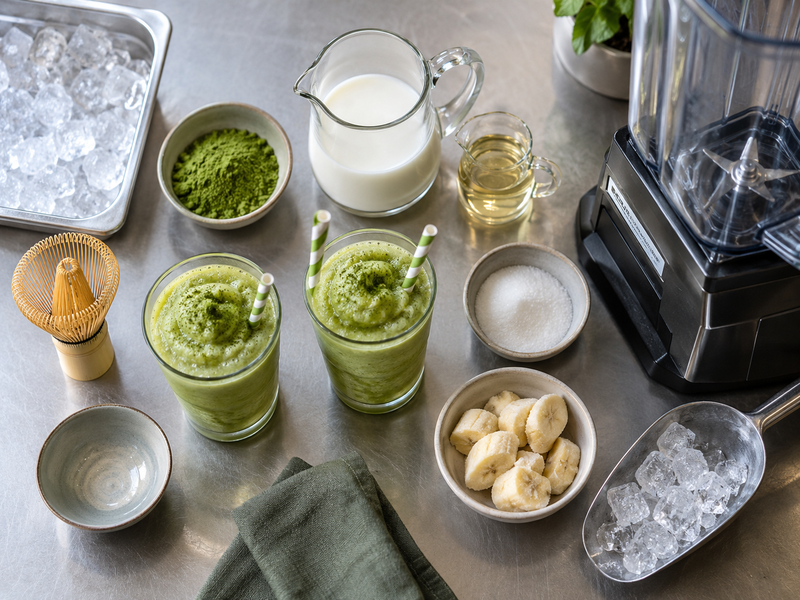
Ice is not an unmeasured garnish here. It determines texture, dilution and final fill. Weigh ice, liquid, matcha and sweetener for the initial trial. Compare two ice levels in the same cup and blender. A high-ice version may look thick but taste weak; a low-ice version may pour easily but lose the slush texture. Ice size and storage condition also matter, so use the café’s normal supply rather than a special test batch.
The Chalait recipe uses simple ingredients and urges immediate service. That is useful direction, but a commercial recipe needs actual weights and a melt test. Record the amount that reaches the cup and the amount left in the jar. Do not fix a weak drink by adding only more matcha; first confirm that ice and liquid were weighed correctly.
| Variable | If increased | What to test |
|---|---|---|
| Ice | Thicker, more dilution later | Flavor after melting |
| Liquid | Easier blending, thinner drink | Handoff texture |
| Sweetener | Softer perceived bitterness | Tea visibility |
| Matcha | Stronger tea note | Balance and cost |
3. How should matcha be dispersed before blending?
Keep dry powder off the jar wall
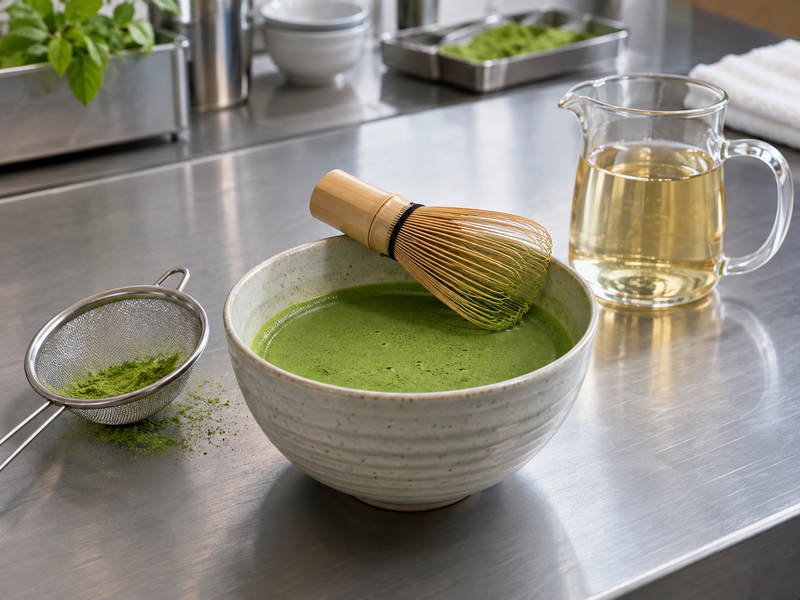
Matcha can cling to the blender wall or form small dark pockets when added directly onto ice. Sift it and make a small smooth concentrate with part of the recipe’s liquid. Add that concentrate with the remaining liquid before ice, or test another sequence that the equipment handles better. After blending, inspect the jar, lid and cup for green residue. Powder left on the jar is paid for but not delivered to the customer.
Compare two candidate powders in the final frozen drink. Cold temperature and milk can mute aroma, while a bitter powder may become more obvious as the ice melts. Taste at handoff and after several minutes. Record supplier item and lot, and rely on current documents for specific origin or grade claims. A fine powder that works in a warm latte may still need a different mixing step with crushed ice.
4. What blender load makes consistent portions?
Test the smallest and largest planned batch
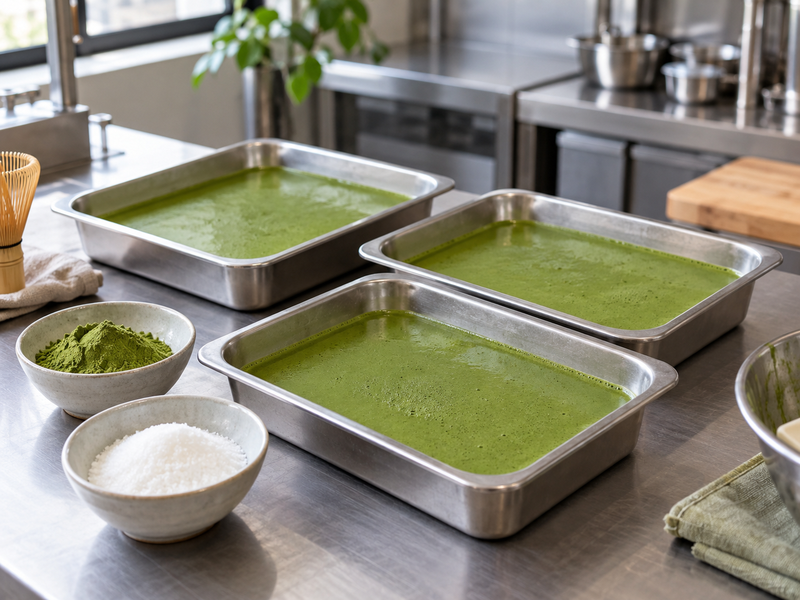
A blender that handles one cup well may stall or leave uncrushed ice when filled for four. Establish a load range for the exact machine, jar and blade. Record ingredient addition order, program or blend time and final texture. Run several consecutive loads to see whether a warm jar or blade changes the result. If staff must shake or scrape the jar mid-cycle, include that step in the station card and service-time estimate.
Pour into measured cups and check whether first and last servings from a multi-cup load have the same ice content. A thick mix can leave more solids for the last pour. If results vary, use smaller loads or a different transfer method. Do not add extra liquid casually to clear the jar; it changes the final formula. Clean equipment according to the café’s plan between allergens or flavors.
Run the load test with an empty blender jar at opening and again after several back-to-back orders. The jar and blade may be warmer later in the rush, and ice can melt while staff wait for a cup or lid. Record the delay between weighing ingredients and starting the blend, as well as the delay before pouring the last serving. If one load produces two cups, weigh each finished cup rather than trusting that an even-looking pour divided the mixture equally. A fixed maximum load and a defined pour sequence are easier to teach than an instruction to fill the jar whenever the queue grows.
| Load test | Record | Pass condition |
|---|---|---|
| Single serving | Blend time and residue | Smooth, full cup |
| Peak-size load | Texture and motor behavior | No large ice |
| Consecutive loads | Jar temperature and result | Similar texture |
| First/last pour | Weight and ice content | Consistent portions |
5. How can the team test melt rate?
Measure the wait customers actually face
Make a cup at the approved recipe and leave it under the same conditions as a customer waiting for a second order. Photograph and taste it at handoff, after a short queue delay and at the likely end of consumption. Record whether ice separates from liquid, whether matcha collects at the bottom and whether the straw still works. This is a quality test, not a claim about safe storage.
Compare cup materials and lid styles. A narrow lid opening may make a thick drink hard to access, while a dome lid may allow a generous top that collapses quickly. Test a takeaway trip in a bag and a dine-in table wait. If the drink fails before the normal queue clears, streamline the build or finish it later in the order sequence. A lower ice ratio may improve sipability but lose the expected frozen identity, so judge all changes against the product brief.
6. Which milk and sweetener choices work?
Balance flavor without hiding the tea
Milk adds body and can make a frozen drink feel creamy. Water gives a lighter result that exposes matcha quality. Plant drinks vary in sweetness and thickness, so a substitution can change blend texture as well as flavor. Test the standard base first, then run any alternative as its own recipe. A syrup may mix more evenly than granulated sugar in a cold blender, but it contributes liquid that belongs in the formula.
Use a small tasting matrix rather than asking staff to add sweetness until the drink “seems right.” Fix matcha and ice, then compare two sweetener levels. Taste after partial melting, because the first sip may be colder and less sweet than the last. If dairy or plant alternatives are offered, obtain current ingredient and allergen documentation and train staff on a repeatable substitution amount. Avoid health or energy claims based on the tea alone.
| Base | Potential benefit | Test |
|---|---|---|
| Milk | Creamier body | Tea flavor and allergen |
| Plant drink | Menu flexibility | Sweetness and viscosity |
| Water | Clear tea note | Ice texture and bitterness |
| Syrup | Easy cold mixing | Liquid balance |
7. Is batching useful during a rush?
Batch the prep, not an unstable finished cup
Pre-weighed matcha portions or a documented liquid base may save time. A completed slushie usually changes texture quickly, so a large finished batch must be tested carefully before being used for service. Compare made-to-order cups with a short pre-batched run at the same handoff time. Measure waste left in the blender and cups discarded because the texture changed. A process that seems fast at peak may cost more in unsold product.
Any prepared milk-containing or sweetened base requires handling under the operation’s food-safety plan. The FDA Food Code is a U.S. model reference; local rules govern the café’s procedures. Label prepared components and avoid topping off an old batch with a fresh one. If the station cannot track a base reliably, weighed made-to-order ingredients may be simpler.
8. How should the drink be served and described?
Make the menu match the cup
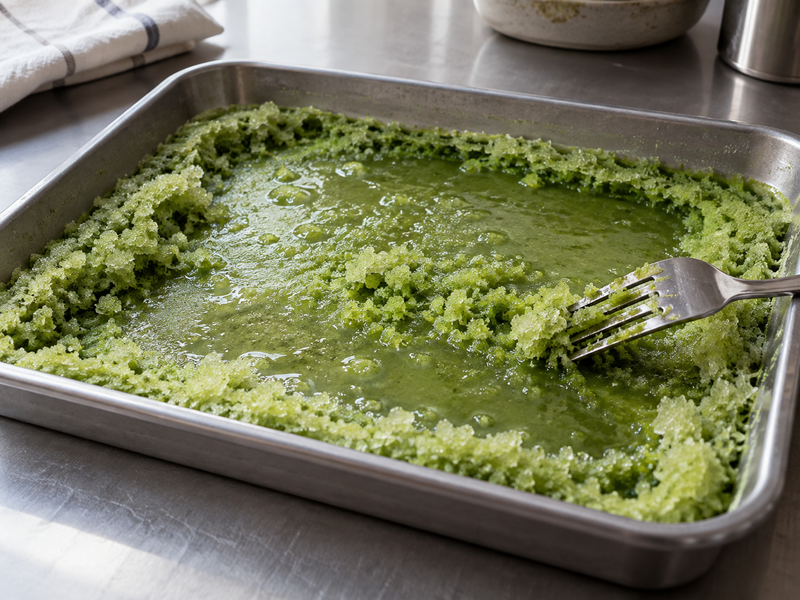
State whether the standard matcha slushie contains milk, what sweetener is used and whether a topping is included. Customers may expect a blended frozen dessert rather than an iced latte. A clear menu line helps avoid remakes. If a wide straw or spoon is needed, provide it at handoff. Check that the lid is secure when the cup is carried; a thick top can push against a flat lid.
Keep topping options limited during the first launch. Whipped cream or a sauce can alter melt rate and hide tea flavor. Test each addition as a separate build with its own cost and allergen review. The FDA major food allergen guide is a U.S. reference for ingredient review; destination rules set disclosures. Give baristas a photo of the approved drink at handoff rather than asking them to judge “enough slush” by memory.
| Handoff item | Check |
|---|---|
| Cup and lid | Fit and fill line |
| Straw or spoon | Works with final texture |
| Menu description | Milk, sweetener, topping |
| Appearance | Matches reference photo |
9. What do yield and cost show?
Cost the cup after blender loss
Include matcha, milk or water, sweetener, ice, cup, lid, topping and labor. Weigh the ingredients entering the blender and the amount delivered to cups. Residue in the jar and over-poured samples are part of the cost. If a multi-cup load gives uneven servings, calculate yield from saleable cups, not theoretical cup volume. The approved texture should set the formula before price decisions.
Observe production during consecutive orders. Time spent rinsing a blender or fetching ice can be more material than the ingredient cost difference between two powders. Compare one- and two-cup batches for speed and consistency. A less expensive matcha that needs a larger dose to remain visible in a frozen drink may not lower cost per cup. Use a short sale trial to measure remakes and waste.
10. When is the recipe ready for the menu?
Repeat it under peak conditions
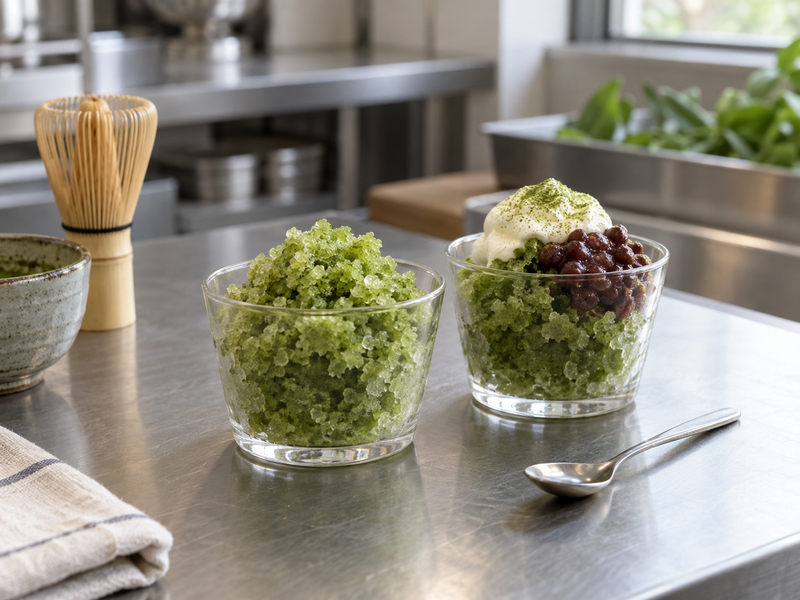
The station card should state powder item and weight, liquid and ice weights, sweetener, blender load range, addition order, program, cup and visual endpoint. Have two baristas make several drinks each. Compare their cups at handoff and after the planned wait. If one worker must add unmeasured liquid to make the blender run, the process needs revision.
During a limited sale, sort feedback: too icy, watery, sweet, bitter or difficult to drink. Each points to a different variable. Track melt-related remakes separately from flavor complaints. A permanent menu slot is justified when ordinary staff can make the same texture repeatedly, the drink survives the usual queue and the ingredient and allergen information is clear.
| Decision | Evidence | Next action |
|---|---|---|
| Launch | Consistent texture and service time | Train shifts |
| Revise | One reproducible defect | One-variable test |
| Hold | Unresolved base handling | Complete review |
FAQ
Q1. Can a matcha slushie be made without milk? Yes, but a water version needs its own flavor and texture test.
Q2. Why does it separate quickly? Ice ratio, blend method and wait time may all matter; measure them in the intended cup.
Q3. Can the café blend a large batch ahead? Test first and last portions and quality at handoff; finished slush often changes rapidly.
Q4. Should matcha go straight onto ice? A small pre-dispersion often reduces clumps; compare it with the station’s method.
Q5. What is the first ratio to document? Weigh ice and liquid separately, then note final cup weight and texture.
Make three consecutive blender loads at the busiest planned batch size. If the last cup still matches the first after a normal queue delay, the recipe is close to a workable service standard.