
Matcha protein pudding often looks smooth in a recipe photograph but turns grainy once a café mixes a larger batch of protein powder. The answer is to choose a texture target, disperse the powder properly and fill cups by weight before making a protein claim. That Vegan Babe’s chia-based pudding is one home preparation. A café can compare that textured format with a blended, smooth cup. Matcha Village’s sample service provides a route for testing tea in the chosen base.
Contents
- 1. What kind of pudding is being sold?
- 2. Which protein ingredient works in a cold cup?
- 3. How should matcha be dispersed?
- 4. What controls thickness without chalkiness?
- 5. How should the cup be assembled?
- 6. How can portion weight and protein be verified?
- 7. What happens during cold holding?
- 8. Which toppings survive the lid and service?
- 9. What belongs in the cost and allergen review?
- 10. When is the recipe ready for the case?
1. What kind of pudding is being sold?
Define the spoon texture
“Pudding” might describe a smooth spoonable cream, a chia cup with visible seeds or a layered yogurt dessert. Those choices are not interchangeable in the customer’s mouth. Decide the texture, sweetness, portion size and intended eating occasion. A breakfast cup can include fruit and granola; a dessert cup might be simpler and richer. Taste a sample chilled with the actual spoon. If it cannot be scooped cleanly or leaves dry protein particles on the tongue, it has not met the brief.
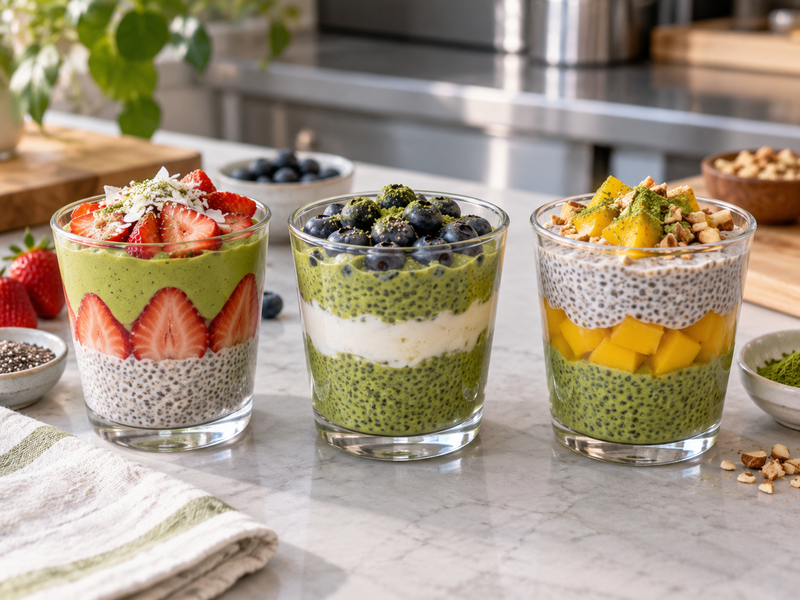
That Vegan Babe combines chia, soy milk, plant protein, oat yogurt, fruit and granola. That shows one textured style, but its stated nutrition belongs to its own ingredients and serving size. The café’s cup needs its own calculation. Photograph the product at fill and after the planned hold. A layered cup should still show distinct layers when a customer buys it, while a smooth cup should not separate.
2. Which protein ingredient works in a cold cup?
Compare powders in the final liquid
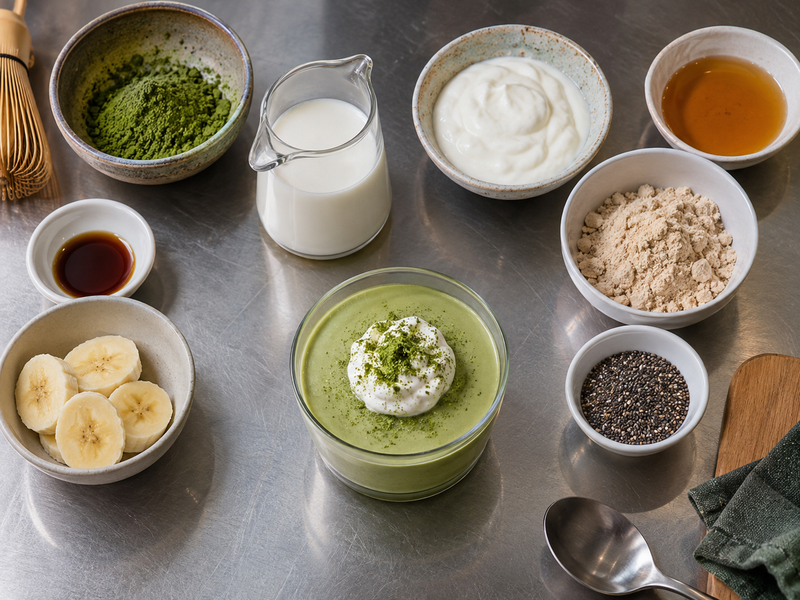
Protein ingredients can behave differently when mixed cold. Some disperse readily; others leave specks, foam or a chalky aftertaste. Use the café’s actual milk or plant drink and compare candidate powders at the same measured protein contribution, not necessarily the same powder weight. One powder may already be sweetened or flavored. Record supplier, lot, ingredient statement, mixing method and texture after chilling.
If the product is sold as high-protein, verify the claim for the finished serving under the sales market’s rules. A scoop size printed on a tub is not a nutrition calculation for a cup with milk, yogurt, chia and toppings. Taste the powder with matcha before adding fruit, which can hide defects. If the base tastes bitter, first determine whether the source is tea, protein ingredient or sweetener. Keep the chosen powder in the specification; substitutions can alter both nutrition and set.
| Protein option | Check in cold mix | Label issue |
|---|---|---|
| Soy | Texture and flavor | Soy allergen |
| Pea | Chalkiness or earthy note | Ingredient declaration |
| Whey | Foam and dairy flavor | Milk allergen |
| Mixed plant blend | Batch consistency | Multiple ingredients |
3. How should matcha be dispersed?
Make a concentrate before the full batch
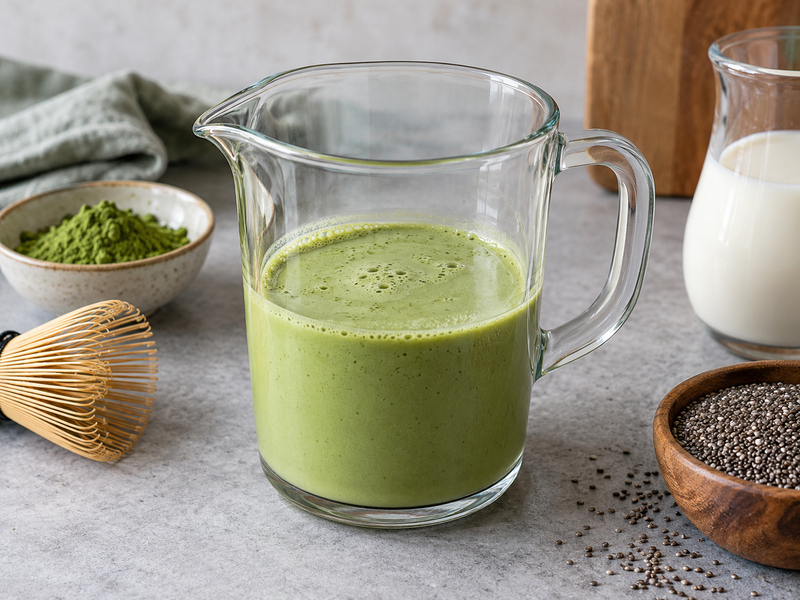
Sift matcha into a small amount of compatible liquid and whisk until no dry pockets remain. Add that concentrate to the protein base while mixing. Dumping powder into a thick pudding can leave bitter green islands that are difficult to remove later. If using a blender, document load size and blending time so foam and heat do not vary from batch to batch. Pull samples from the top and bottom of the vessel before filling cups.
Compare matcha candidates in the complete base after chilling. Dairy, soy and sweetened protein powders change how the tea tastes. A green color is not proof of an adequate tea note. Ask for current item specifications if origin, grade or other supplier claims will appear in sales copy. Record the matcha weight per batch and per saleable cup; extra powder affects taste, color, cost and caffeine but does not automatically improve the product.
4. What controls thickness without chalkiness?
Separate setting method from protein load
Chia swells and creates a seed texture. Yogurt or a prepared pudding base can provide a smoother body. A thickener can make a very different mouthfeel depending on its dose and hydration. Choose one setting route and compare two levels in a small trial while holding matcha and protein constant. A cup should be spoonable at service temperature and remain coherent when carried. It should not become a solid block because more protein powder was added to reach a label target.
Run a timed test: measure the mix at filling, after initial setting and at the intended point of sale. Record spoon trail, liquid separation and mouthfeel. If a chia version has a dry upper layer and wet lower layer, review mixing and rest before adding more seeds. If a blended version becomes gritty, assess the protein powder and hydration. A formula that needs vigorous stirring by the customer may be a poor fit for a lidded grab-and-go cup.
Use two cups from each trial as controls for the next shift. Keep one unopened until the planned sale time; open the other halfway through the hold and check the center, not only the surface. Weigh any liquid that separates if the defect is visible, and note whether a quick stir restores a uniform spoonful. This distinguishes an acceptable soft set from a formula that depends on staff remixing every cup. If a topping is expected to absorb moisture, run the texture trial with and without that topping. The pudding base should stand on its own before a layer of granola or fruit changes the result.
| Texture fault | Likely place to inspect | Controlled trial |
|---|---|---|
| Chalky finish | Protein powder or dose | Compare candidate powder |
| Watery layer | Hydration or separation | Adjust mixing/rest |
| Overly stiff cup | Thickener or protein load | Reduce one variable |
| Matcha specks | Dispersion | Pre-mix the tea |
5. How should the cup be assembled?
Build for spoon access and lid clearance
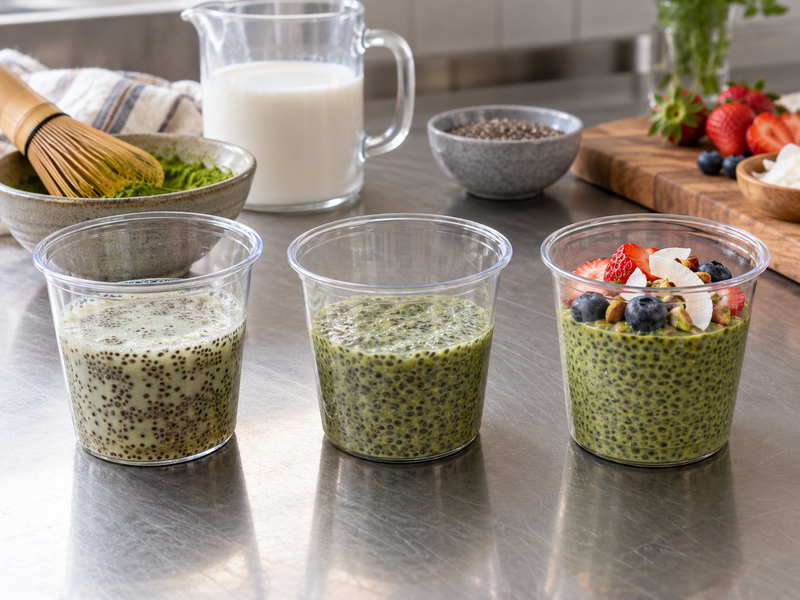
Choose the cup and lid before finalizing layer heights. A deep narrow cup can show attractive stripes but make the bottom hard to reach. A wide cup gives easier spoon access and room for toppings, though layers may appear shallow. Weigh the empty cup, then set a target for base, yogurt, fruit and any crunchy finish. Filling by eye can produce wide variation, especially when staff change piping bags.
For a layered version, deposit the densest component first and test whether the next layer stays distinct after chilling. Clean sidewalls through good nozzle placement rather than laborious wiping. Keep a sample from the first and last cups of one run; the batch may thicken while filling. If topping is added on order, state that clearly in the station card. A sealed retail cup may need an insert or separate topping pack to keep crunch intact.
6. How can portion weight and protein be verified?
Reconcile the batch
Record total weight of prepared base, every topping and the saleable number of cups. Weigh cups from the start, middle and end of filling. A visual fill line is useful only after it has been checked against actual weight. Note mix left in the blender, piping bag and bowl. That loss matters when calculating cost and nutrition per serving. If a staff member adds extra fruit or granola, the final nutrition profile changes.
Use the exact approved formulation for any protein figure. A qualified nutrition calculation or testing method should match the market’s labeling rules; do not copy the reference recipe’s number. Keep the serving weight on the production sheet and review it after any change in cup, protein powder or topping. A menu can simply describe the ingredients while a formal claim is being reviewed.
| Portion record | What to measure | Why |
|---|---|---|
| Base batch | Finished mass | Reconcile ingredients |
| Cup fill | Weight range | Consistent serving |
| Toppings | Weight per cup | Nutrition and cost |
| Residue | Leftover mix | True yield |
7. What happens during cold holding?
Set quality and safety decisions separately
The café should document how the pudding is mixed, filled, labeled, chilled and rotated. Ingredients such as milk, soy drink, yogurt and fruit require review under the actual operation’s food-safety plan. The FDA Food Code is a U.S. model reference; local rules determine the specific controls. A recipe’s “meal prep” description is not a commercial shelf-life study.
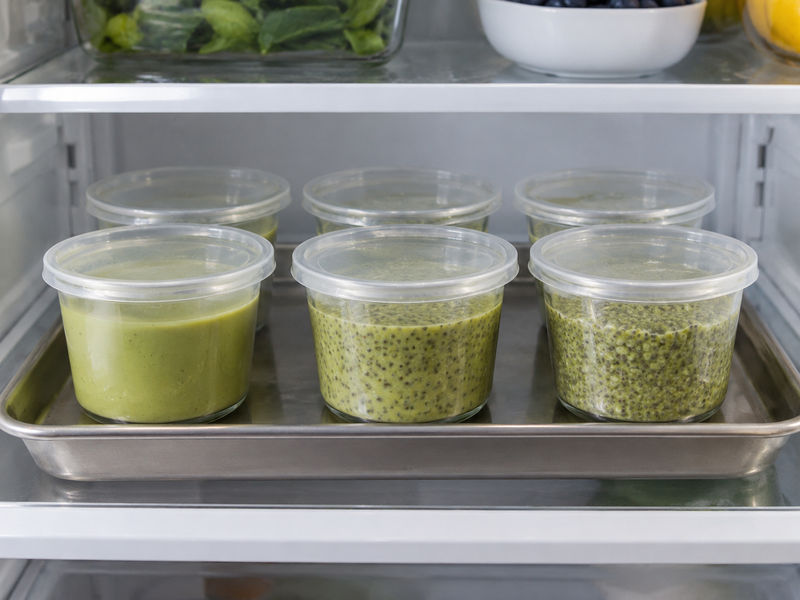
Observe quality over the intended sales interval: color, separation, seed hydration, fruit bleeding and topping texture. Taste a cup from each time point with the final spoon. If the texture changes markedly, make smaller batches or finish components closer to service. Do not extend the holding period because the cup still looks green. If the operation wants distribution beyond its café, commission appropriate shelf-life and packaging validation for the final product.
8. Which toppings survive the lid and service?
Protect the intended contrast
Granola may soften against pudding, while raspberries can bleed color into a pale layer. Test the topping after the exact wait a customer is likely to face. A crunchy component might be packed separately, added at handoff or replaced with something that keeps its texture. Each option has a labor and packaging cost. Do not add a large garnish simply to make the product photograph well; it must be pleasant to eat and fit under the lid.
Check clearance, spoon access and transport. Close the cup and carry it in a bag with a drink, then inspect whether the topping touches the lid or the layers slide. The takeaway label should not hide all visible layers. If nuts or seeds are added, update the allergen review and ingredient statement. A plain pudding cup with a clean matcha flavor may be a stronger product than a crowded cup whose toppings blur the point.
| Topping | Desired effect | Service risk |
|---|---|---|
| Granola | Crunch | Softens against wet base |
| Berries | Acidity and color | Juice bleed |
| Seed mix | Texture | Allergen and label review |
| Matcha dust | Direct tea note | Moisture spotting |
9. What belongs in the cost and allergen review?
Price the complete chilled cup
Cost protein ingredient, matcha, liquid base, setting ingredient, toppings, cup, lid, spoon, labor and rejected portions. A premium protein powder may work at a lower amount; compare finished taste and calculated protein rather than price per kilogram alone. Count how many cups fit in the case and how many sell within the approved period. Unsold cups are part of the commercial yield.
Review current ingredient labels for milk, soy, tree nuts, peanuts, sesame and other relevant allergens. The FDA major food allergen guidance is a primary U.S. reference; disclosure depends on destination market. If a plant-based version uses oat yogurt and soy milk, do not assume it is suitable for every restricted diet. Shared equipment and topping substitutions belong in the review. Keep a written ingredient sheet where staff can reach it.
10. When is the recipe ready for the case?
Repeat it with another shift
The final sheet should list ingredient weights and supplier items, matcha dispersion, mixing equipment, set time under the approved plan, cup and lid, fill weights, toppings and storage route. Include a photograph at filling and at expected sale time. Have another worker produce a full small batch from the sheet, then compare cup weight, texture and tea flavor with the reference. A single successful blender jar does not establish repeatability.
During a limited sale, track comments separately: too sweet, chalky, watery, weak tea or difficult to eat. Change one variable for the next trial. If the product is marketed for its protein content, complete the claim review before printing packs. The cup earns regular case space when it stays attractive and spoonable through its planned service interval and staff can produce a consistent, traceable batch.
| Decision | Evidence | Next action |
|---|---|---|
| Launch | Stable texture and verified label | Train shifts |
| Revise | One clear sensory fault | Targeted test |
| Hold | Unresolved claim or storage question | Finish review |
FAQ
Q1. Is chia pudding the only way to make matcha protein pudding? No. A blended smooth base is another format, with different texture and setting tests.
Q2. Why is the cup chalky? Check the protein ingredient and its dose in the final cold base before changing matcha.
Q3. Can a café reuse a recipe’s protein number? No. Calculate or test the approved formula and serving size.
Q4. Should crunchy toppings be packed separately? Compare texture and labor after the intended hold; separate packing may help.
Q5. What is the best first production check? Weigh cups from the beginning, middle and end of filling, then taste them after chilling.
Prepare one textured cup and one smooth cup at the same serving weight. Their spoon feel, pack behavior and actual yield will identify which version suits the café’s case.