
Matcha powder sifting separates material through a defined screen before production. Buyers need to know whether it improves their process without creating excessive loss. A controlled trial links screen identity, throughput and finished product performance. ISO 3310-1 provides technical requirements for metal wire cloth test sieves, giving teams a precise starting vocabulary.
Table of contents
- Where should matcha powder sifting enter your process?
- How should you identify the screen?
- Which powder samples should you compare?
- How should you control feed and operating conditions?
- What should you do with retained material?
- How should you calculate matcha powder sifting yield?
- How should you check cleaning and screen condition?
- Which downstream results justify the operation?
- How should you compare production costs?
- What belongs in the approved operating record?
1. Where should matcha powder sifting enter your process?
Map the actual powder route
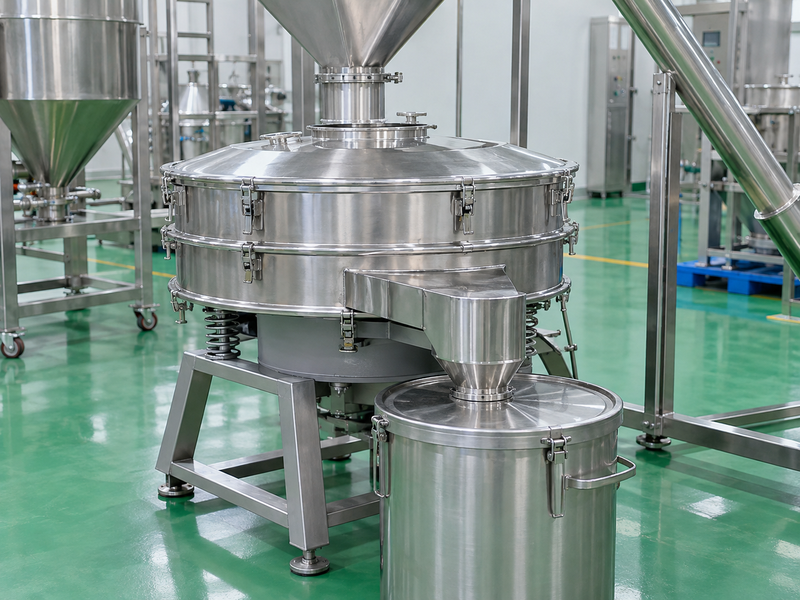
Draw the route from sealed bag to mixer, depositor or packing hopper. Mark every opening, transfer and holding period. Choose a trial location that matches production. A screen above a laboratory bowl cannot establish how a larger machine will perform during a full ingredient charge.
Start matcha powder sifting with a defined problem. Perhaps operators see persistent lumps during liquid charging, reject material at a filling head or spend time scraping a mixer. Record that problem before buying equipment. Write the defect you intend to reduce. Include its location, frequency and current response. Use photographs of actual production observations where your site permits them.
Ask operations and quality staff whether this step has an assigned control purpose. A deagglomeration trial and a foreign material control require different evidence. Quality staff must assess any safety control separately. Keep a sample of unsifted powder for comparison and retain the same downstream recipe. Otherwise, several changes could explain an apparent improvement.
| Trial location | Question to answer | Record to keep |
|---|---|---|
| Before a liquid mixer | Does dispersion improve? | Mixing observations |
| Before a dry blender | Does charging become repeatable? | Charge sequence |
| Before powder filling | Does filling behavior change? | Fill interruptions |
2. How should you identify the screen?
Record aperture and construction
Ask for nominal aperture, wire diameter, screen material, construction and identification number. A mesh number alone leaves too much room for interpretation. Obtain the equipment supplier’s definition and identify any standard used. Keep a photograph of the installed screen beside its technical sheet, with procurement records linked to that identity.
For matcha powder sifting, choose candidate screens with your equipment supplier and trial team. Avoid selecting an opening from an online drinking recipe. The purpose, powder condition and operating equipment differ. Confirm the screen identity before comparing results. Inspect seals and installation because powder passing around an opening gives a misleading impression of throughput.
Separate a production screen specification from a particle size measurement. A screen trial describes passage under its operating conditions. It does not establish a complete particle size distribution for fine powder. If mouthfeel requires another measurement, request a suitable laboratory method using the particle size comparison guide as a related check. Have the laboratory state preparation, reporting units and instrument settings before using that result in supplier selection.
3. Which powder samples should you compare?
Preserve the condition that reaches your plant
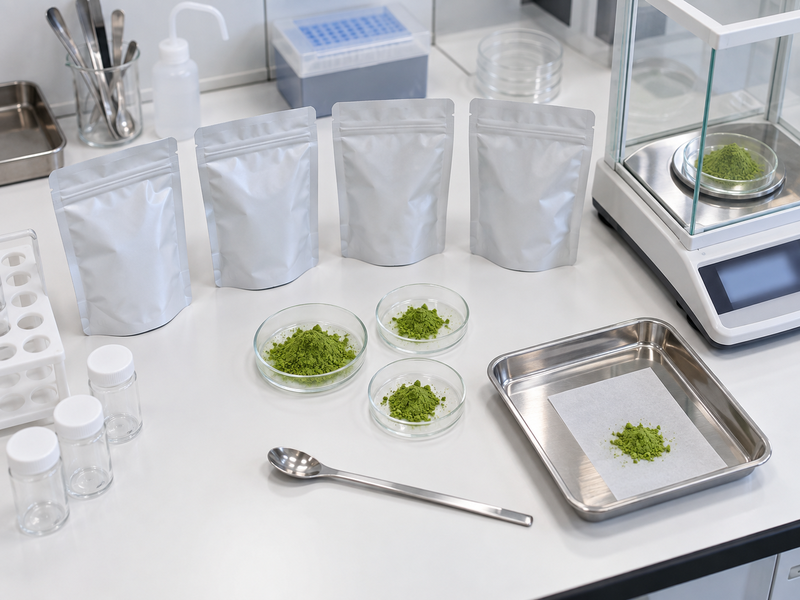
Request traceable samples from candidate supply lots. Record bag condition, batch code, receipt date and storage history available from the supplier. Use enough material for repeated runs, retained material review and downstream testing. An untraceable spoonful can show appearance but cannot support a production decision tied to future deliveries.
Keep matcha powder sifting comparisons on the same handling basis. Open samples at a planned time and record exposure before testing. Where the plant uses chilled storage, have quality staff define the opening procedure. Record ambient conditions rather than assuming every sample arrived at the same temperature or moisture condition. Test the powder as your operators will handle it.
Use a split of one lot when comparing screens. Use several identified lots when checking supplier consistency. These answer different questions. Randomize run order where practical, so the last supplier tested does not always encounter a warmer machine or a screen carrying residue. Reserve sealed material for follow-up investigation if a result differs from the supplier’s initial sample.
| Sample detail | Why record it? | Comparison rule |
|---|---|---|
| Lot code | Connect result with supply | Preserve identity |
| Opening time | Track exposure | Use a planned interval |
| Storage history | Explain condition differences | Document exceptions |
4. How should you control feed and operating conditions?
Fix the procedure before timing runs
Write a repeatable charging procedure with input mass, feed arrangement, machine setting and stopping rule. For manual trials, define the tool and handling method. For powered equipment, record settings that operators can retrieve. Do not introduce extra pressure midway through a difficult run without recording the intervention and its reason.
Measure throughput over a stated period. Distinguish active screening time from setup, charging, collection and cleaning. Matcha powder sifting may appear fast during steady feeding yet require substantial time between small charges. Time the complete production task. Note bridging, dust release, blockage and any operator adjustment alongside the mass processed.
Use the same input mass for direct screen comparisons unless capacity itself is under investigation. Repeat a promising condition after cleaning and reassembly. If operators cannot reproduce the result, review the procedure before attributing the difference to powder quality. A supplier needs a description of your feed conditions to propose another powder or packaging format. Share those records with the sample request.
5. What should you do with retained material?
Identify material before deciding its disposition
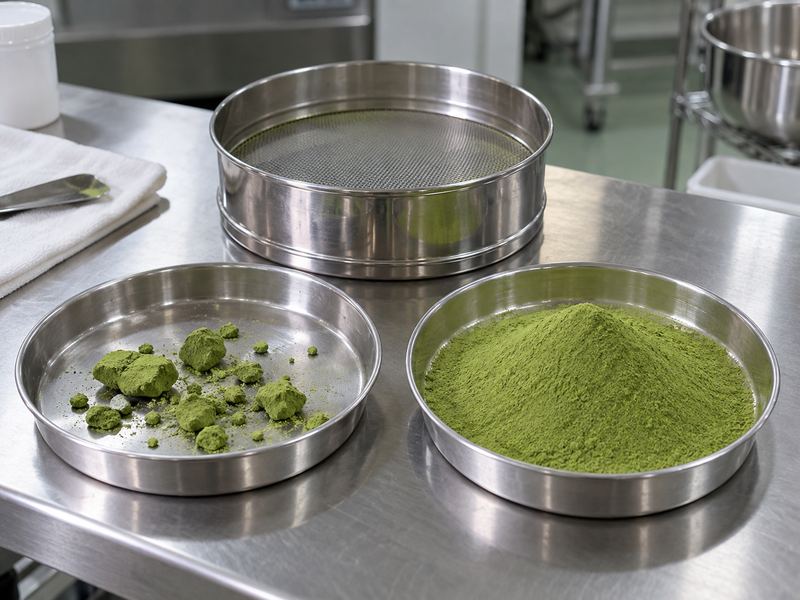
Collect retained material into a separate, identified container. Photograph it under fixed lighting and record its mass. Describe visible features without guessing their cause. Soft agglomerates, firm lumps and suspected foreign material require different review. Keep suspect material under your plant’s hold procedure and ask quality staff to decide how it should be examined.
During matcha powder sifting, never assume everything retained can return to production. Reworking material changes the trial and may conceal a problem. Agree the retained material decision with quality staff. If a controlled repeat pass is permitted, record it separately. Keep original retention and repeat-pass recovery in different fields.
Ask the supplier to review unusual retention using sample identity and handling records. A photograph alone rarely explains whether material changed during transit, storage or processing. Request another traceable sample when needed. Avoid imposing an arbitrary retained percentage before observing representative lots. Set a provisional trial target, examine the material and then decide whether a supplier specification needs a retention test.
| Retained observation | Immediate action | Evidence needed |
|---|---|---|
| Loose green agglomerates | Keep a separate sample | Mass and photographs |
| Firm unidentified pieces | Hold for quality review | Identification result |
| Suspected foreign material | Follow site hold procedure | Investigation record |
6. How should you calculate matcha powder sifting yield?
Account for every collected fraction
Weigh input, passed powder, retained material and recovered residue using a suitable balance. Include container tare values. Report unaccounted mass separately instead of calling it retained material. Powder remaining on equipment, powder collected during cleaning and powder lost during transfer can have different causes and commercial consequences.
For an illustrative calculation, suppose a trial charges 10.00 kilograms and collects 9.70 kilograms of passed powder. Passed yield equals 9.70 divided by 10.00, multiplied by 100, or 97%. These numbers are hypothetical. They describe arithmetic and establish no expected performance for matcha powder sifting. Reconcile the mass before accepting the yield.
If retained material weighs 0.20 kilograms, another 0.10 kilograms remains unaccounted for in that example. Investigate balance resolution, collection method and equipment residue. Record accepted recovery and rejected material separately. Finance staff can then calculate cost per usable kilogram using your observed yield. A favorable powder price becomes less useful if a trial discards a substantial fraction that cannot enter the finished product.
7. How should you check cleaning and screen condition?
Use the site’s approved cleaning method
Review screen access, disassembly, collection points and drying requirements with sanitation staff. Follow the site’s approved cleaning procedure and equipment instructions. A consumer recommendation to wipe a small tea sifter does not establish a cleaning method for production equipment. Ask which surfaces contact powder and how staff verify readiness for another run.
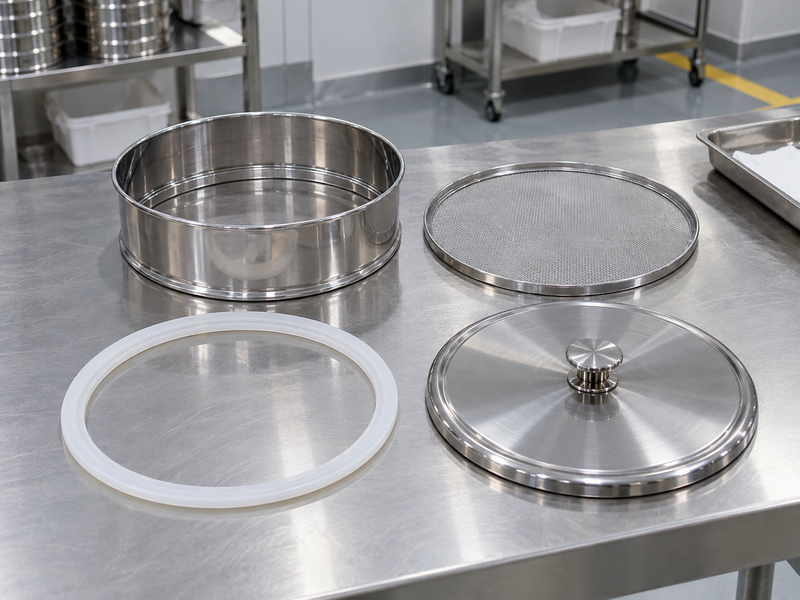
Inspect screen integrity before installation and after removal. Record damage, distortion, blocked areas and seal condition. Include machine identity and inspection owner. Matcha powder sifting records should connect powder results with a screen that remained in acceptable condition throughout the run. Stop and document any screen damage. Quality staff should determine product disposition after an integrity concern.
Measure cleaning and reassembly time during the pilot. Ask operators to perform the task using normal access and available tools. Check whether small components can be controlled during disassembly. If the operation serves several recipes, include the relevant changeover in your evaluation. Procurement needs these observations before choosing an attractive machine that creates a difficult daily cleaning task.
| Inspection point | Before the run | After the run |
|---|---|---|
| Wire cloth | Record acceptable condition | Check damage and blockage |
| Seals | Confirm correct installation | Check displacement |
| Contact surfaces | Confirm release for use | Record cleaning needs |
8. Which downstream results justify the operation?
Compare the product you intend to sell
Produce a downstream control using unsifted material from the same lot where your quality procedure permits it. Keep powder dose, liquid base, mixing sequence and observation time consistent. Compare defects that prompted the trial. Choose practical endpoints such as visible lumps after mixing, interruptions during filling or a defined texture assessment.
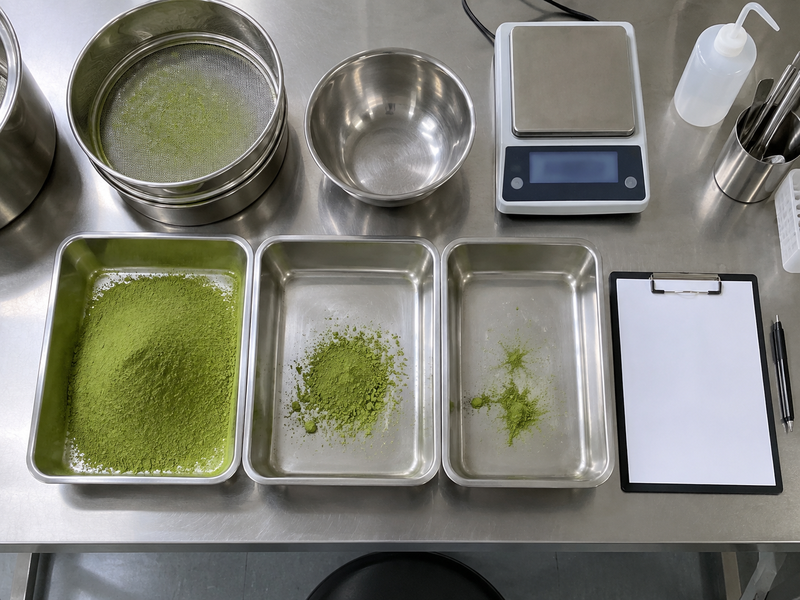
Matcha powder sifting deserves approval when measured production benefits support its operating burden. A looser powder pile in a photograph is insufficient evidence. Compare both samples in the finished recipe. Record the observer, sample code and evaluation conditions. Blind codes can reduce expectations associated with a supplier name or grade label.
If a downstream difference disappears during normal mixing, reconsider the need for screening at that location. If it persists, repeat the comparison with another identified lot. Keep sensory and appearance decisions separate from safety testing. Sifting cannot establish residue compliance, microbial status or product suitability for a destination market. Those requirements belong in the supplier quality documentation and the plant’s control plan.
9. How should you compare production costs?
Price the usable output and operating task
Build a small cost worksheet using observed pilot data. Include powder charged, accepted output, operator time, cleaning time and equipment requirements. Ask finance staff how they want to treat recovered material and waste. Keep capital expenditure separate from recurring cost so teams can compare another screen, powder format or process location fairly.
Use the same finished product target for every matcha powder sifting option. One candidate may pass more powder but still require longer mixing or cause more filling interruptions. Another may retain more material yet reduce a downstream defect. Calculate cost against acceptable finished output. Use your recorded observations rather than promising a universal saving.
Ask suppliers whether a packaging or powder handling change could address the observed issue. A smaller bag might suit your charge size, while a larger bag might reduce openings. Either choice needs a plant trial. Include minimum order quantities and available formats in the commercial discussion, but keep unconfirmed offers out of the operating specification until procurement receives a written quotation.
| Cost input | Use your own evidence | Decision it supports |
|---|---|---|
| Accepted yield | Reconciled mass record | Usable powder cost |
| Operator time | Complete task timing | Staffing estimate |
| Cleaning time | Observed changeover | Production scheduling |
10. What belongs in the approved operating record?
Connect supplier samples with plant settings
Create a controlled record containing powder identity, screen identity, charging procedure, machine settings, mass balance and downstream acceptance criteria. Include inspection and cleaning responsibilities. Name the person who approves exceptions. Keep the initial trial report separate from the routine operating instruction so operators can find current settings without reading development history.
Agree how later deliveries will be checked. Matcha powder sifting results from one sample do not cover every future lot. Select a receiving check suited to the observed risk and production need. Define when a fresh trial is required. Possible triggers include another powder specification, changed bag format, different screen construction or revised mixing equipment.
Ask Matcha Village about application samples and bulk ingredient support. Buyers can request candidate powders with traceable lot details and current technical documents. Confirm the specific service, quantity and commercial terms in writing. Send your supplier the approved test procedure so responses address the same production question. Keep unresolved deviations on hold until the responsible quality and operations staff decide their disposition.
FAQ
Q1: Does sifting establish a powder’s particle size distribution?
No. Passage reflects a specified screen and procedure. Ask a laboratory for a suitable particle size method when that measurement is required.
Q2: Can retained matcha return to the mixer?
Only under an approved disposition or rework procedure. Identify the retained material and record any permitted repeat pass separately.
Q3: Should a buyer specify mesh number alone?
Request aperture, construction and the supplier’s mesh definition. Link these details to the installed screen’s identification record.
Q4: Is a small laboratory trial enough for production approval?
Use it to choose promising conditions. Confirm feed, throughput, collection and cleaning on equipment representative of your intended process.
Q5: What should a supplier receive before recommending a powder?
Send the process location, screen details, handling conditions, retained observations and finished product acceptance criteria.
Prepare a one-page trial request with screen identity, input mass and downstream recipe. Obtain traceable samples, schedule the operator and quality review, and retain every collected fraction. Approve matcha powder sifting only after the mass record and finished product comparison support a repeatable operating instruction for your plant.