
Matcha nutrition facts are easy to misread because the serving is small and products sold under the same name can be very different. A spoonful of plain tea powder is not the same product as a sweetened latte mix or a café drink with milk and syrup. Buyers need to know which product a number describes, how the serving was chosen and whether a claim is supported by current data.
Contents: Product · Serving · Powder · Blends · Caffeine · Lab · Claims · Markets · Checks · Use
1. Which Product Do the Numbers Describe?

Start with the ingredient list
The phrase “matcha nutrition facts” may refer to pure ground tea, an instant sweetened powder or a prepared drink. Each needs its own data. Plain matcha has one ingredient: tea powder. A latte mix may contain sugar, milk solids, creamer or flavoring. A prepared beverage adds the nutrition of its liquid and any toppings. Comparing their panels without checking the formulation creates a false impression of what the tea itself contributes.
Ask for the exact SKU, recipe revision and package size behind every specification. A supplier’s certificate for pure powder does not validate a café menu item. Likewise, a panel for a vanilla latte mix does not describe unsweetened matcha. Keep an approved ingredient statement beside the nutrition panel so a later recipe change triggers review. This simple document pairing prevents an old panel from following a new product into print.
| Product | What the panel covers | Common mistake |
|---|---|---|
| Plain powder | Powder at stated serving | Treating it as a whole drink |
| Sweetened mix | Tea plus other dry ingredients | Attributing added sugar to tea |
| Prepared drink | All ingredients in the served recipe | Ignoring milk or syrup |
| Ready-to-drink bottle | Finished beverage | Reusing a dry-powder panel |
2. Why Does Serving Size Change the Panel?
Read the amount before the percentages
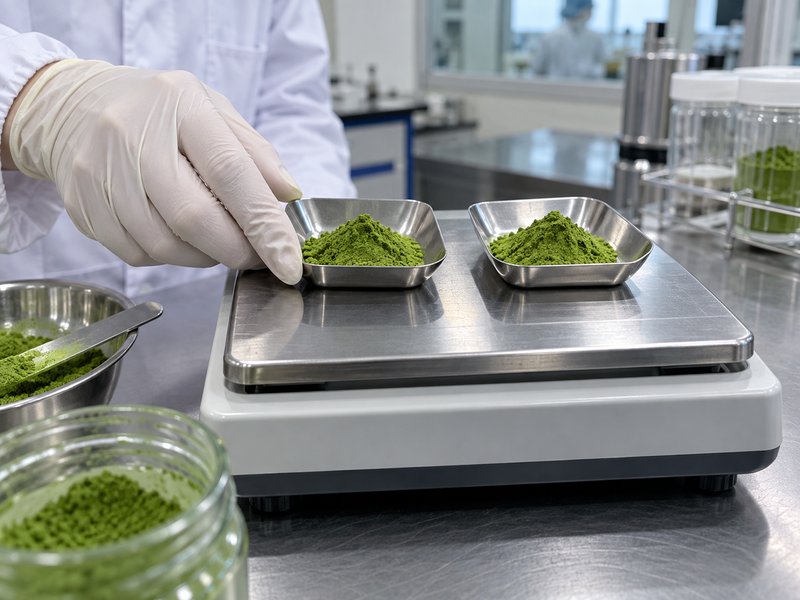
Nutrition numbers are stated for a defined amount. A panel for one gram and a panel for a larger scoop can look different even when both describe the same powder. The FDA explains that serving size on a Nutrition Facts label reflects the amount people customarily consume, rather than a recommended amount. Do not treat the printed serving as advice on how much matcha to drink.
For product development, write the serving in grams and identify the scoop or sachet used in production. “One teaspoon” can vary with powder density and how the utensil is filled. If a café changes from a weighed dose to a heaped scoop, the serving behind its nutrition calculation may no longer match what staff prepare. Confirm the local labeling rules for the destination market before choosing a declared serving, then test that staff can actually reproduce it.
| Data point | Why it matters | Buyer action |
|---|---|---|
| Grams per serving | Basis of all values | Verify with a scale |
| Servings per pack | Affects consumer reading | Match fill weight and declared serving |
| Preparation liquid | Changes finished drink | Specify water or milk |
| Optional additions | May change totals | Show separately where required |
3. What Is on a Plain Matcha Powder Label?
Avoid copying a generic online chart
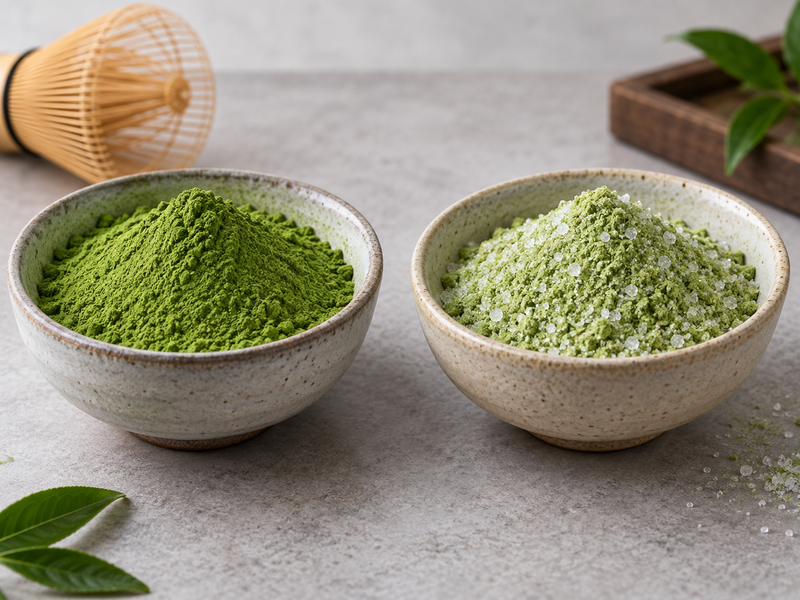
Plain matcha is a dry tea powder, but a nutrition panel still needs a defensible basis for the actual material and applicable labeling rules. Values from a different origin, cultivar, harvest or analytical method may not describe the lot being sold. Small serving sizes can also make rounded label numbers appear to be zero. A printed zero does not establish the complete absence of a nutrient. Ask the supplier what source, sampling plan and calculation method support the panel.
Tea also contains compounds that ordinary nutrition panels do not fully convey. Catechins, theanine and caffeine are often discussed in marketing, yet amounts can vary and may require separate testing if a brand wants to make a quantitative statement. A plain-powder panel should not be stretched into a claim about how a person will feel or perform. Keep the label focused on the required facts and review any additional statements with qualified regulatory staff.
4. How Do Blends Change the Nutrition Facts?

Separate formulation from tea characteristics
A powdered mix can be formulated for sweetness, fast dispersion or a creamy texture. Those choices may matter more to its nutrition panel than the tea dose. If sugar is the first ingredient, the mix’s sugar content tells a different story from a container of pure matcha. Milk solids, fats and flavor systems may also change allergen statements and the total values per serving. Read the formula before comparing competing mixes.
For private-label work, request a panel calculated for the final recipe and final serving, then verify it after ingredient substitutions. A change to creamer or sweetener can invalidate old numbers even if the matcha source stays the same. Prepared drinks need a second calculation using the specified liquid, syrup and cup size. The product team should record both the dry-mix dose and the complete beverage recipe so the label and café execution do not drift apart.
| Change | Likely panel effect | Record to update |
|---|---|---|
| More sweetener | Changes carbohydrate/sugar | Formula and panel |
| Different milk powder | Changes fat, protein and allergens | Ingredient and allergen review |
| Larger serving | Changes declared quantities | Serving statement |
| New café liquid | Changes finished drink | Menu calculation |
5. Where Does Caffeine Fit In?
Measure the product, then consider the complete day
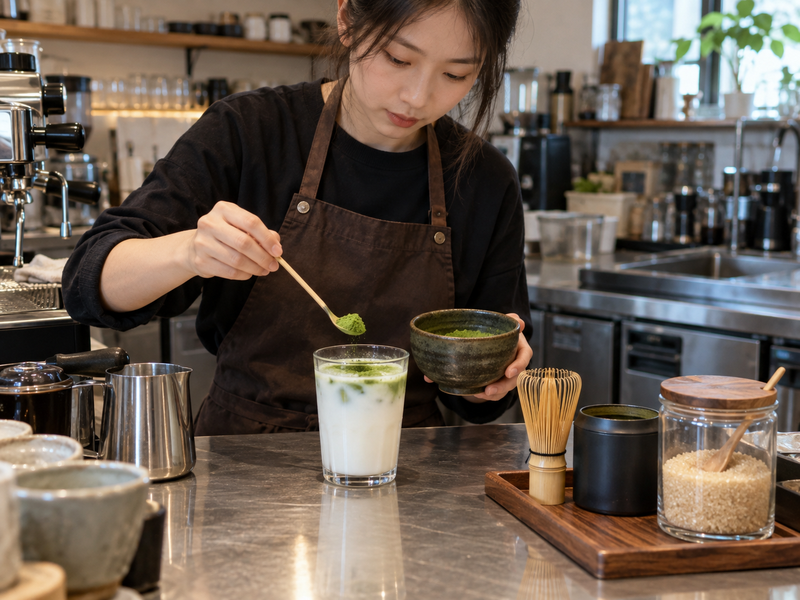
Caffeine is an important purchasing question, but a generic “caffeine per cup” figure is unreliable without the powder weight and the lot’s caffeine content. The same tea served at different doses produces different amounts. A latte mix may contain less matcha per scoop than a pure-powder serving; a large café drink may contain more than one scoop. Ask for analytical results or a defensible specification range tied to the product sold.
The FDA says 400 milligrams of caffeine a day is an amount not generally associated with dangerous effects for most healthy adults. That is a general reference, not a matcha serving recommendation. Individual sensitivity, medication, pregnancy and other health factors can change what is appropriate. A manufacturer should avoid turning an average into a universal consumption instruction. If caffeine is stated on a label or sales sheet, retain the method and assumptions used to support that number.
6. When Should a Buyer Request Lab Data?
Match the test to the claim
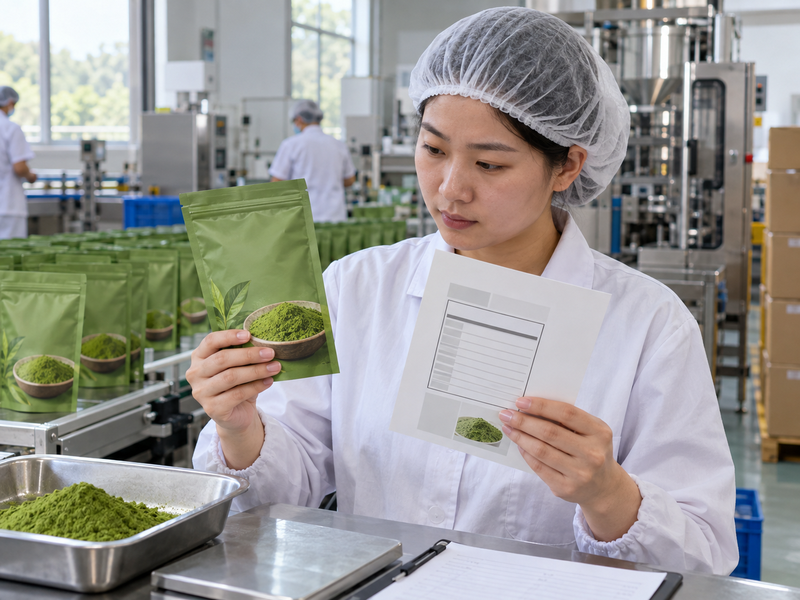
Routine specifications and label calculations can use different evidence, depending on the product and market. Ask for lab data when a value is central to a product claim, when supplier data do not describe the actual formula, or when a significant process or ingredient change occurs. Specify the analyte, method, sample type, laboratory and reporting units. “Tested matcha” is not enough information to review a caffeine or nutrient figure.
Samples should represent the material the buyer will receive. A single showcase sample from a different lot cannot guarantee every future shipment. Set an agreed sampling frequency and acceptable range where variability is expected. Keep certificates with batch identifiers and dates. The FDA’s guidance on nutrition-labeling databases is a useful starting point for understanding how data sets may support labeling; a brand still needs to review whether its own product and market are covered.
| Question | Weak answer | Useful evidence |
|---|---|---|
| Which product? | “Our matcha” | Named SKU and lot |
| What was measured? | “Nutrition tested” | Analytes and methods |
| In what units? | Unlabeled number | Units and serving basis |
| How current? | Undated sheet | Date and revision |
7. Which Nutrition Claims Need Extra Care?

Keep benefits separate from measured composition
Words such as “high,” “low” and “source of” may have defined legal meanings. A small amount of a nutrient in a tea powder does not automatically qualify a finished beverage for a nutrient-content claim. Nor does a detected plant compound establish a health outcome. Review proposed claims against the destination market’s rules and the finished product’s actual data before putting them on a package, online listing or sales deck.
Avoid implying that green color proves a specific nutrient level. Color varies with raw material and processing, and a photo can be altered by light or editing. Marketing teams may also want to repeat a claim from a competitor’s website; that is not evidence for a different formula. A practical review chain is product data, proposed wording, regulatory check and final artwork approval. Keep those records together so the same claim is not quietly expanded in later campaigns.
8. Can One Panel Be Used in Every Market?
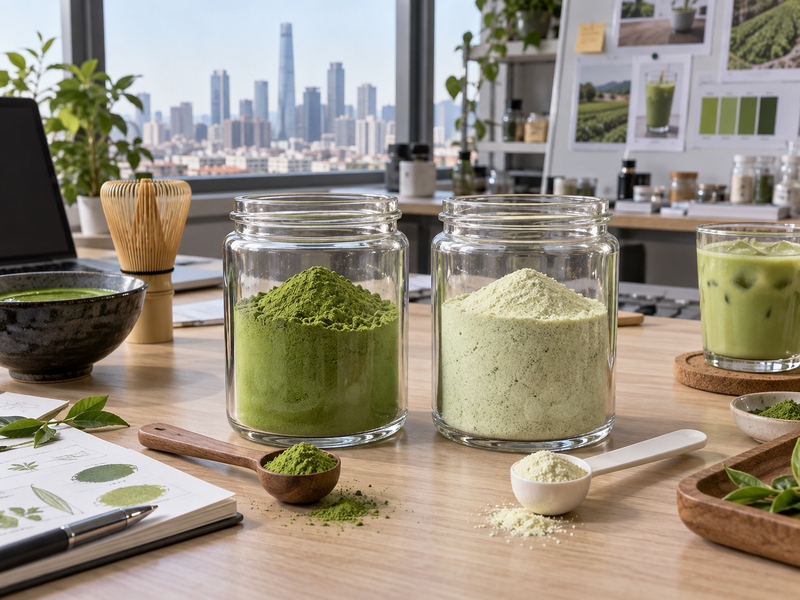
Check the destination before printing
Label format, required nutrients, units, serving conventions, language and allowable claims can differ between markets. A package designed for one country should not be assumed ready for another. This is especially relevant for private-label matcha produced in China and sold through several distributors. The physical powder may be the same while the artwork and supporting documentation need to change.
Before production, define who is responsible for the destination-market review. The manufacturer can supply ingredient and test data; the brand owner or importer should confirm the legally required panel and statements. Lock the approved artwork version to the product revision and shipment. If the recipe changes, repeat the label review. A translated panel is not automatically compliant simply because each word is accurate; the required layout and declaration basis may also differ.
9. How Can a Buyer Check a Supplier Panel?

Reconcile three documents
Put the ingredient statement, product specification and nutrition panel side by side. The product name and serving should match. If the specification says pure tea but the panel is for a sweetened premix, stop the approval. Check the currency of the data, units, rounding and the link to the finished package. Ask who calculated the panel and whether it came from laboratory analysis, a recognized database or a documented combination.
Then perform a real serving check. Weigh the amount a staff member or consumer is likely to use with the supplied scoop and compare it with the declared serving. For a café product, prepare the drink to the official recipe and account for all ingredients. A clear change-control process matters more than a perfect-looking PDF: the supplier should tell the buyer when a formula or source change calls for a nutrition review.
| Document | Match against | Stop if |
|---|---|---|
| Ingredient statement | Formula revision | Ingredients differ |
| Specification | SKU and dose | Wrong product basis |
| Nutrition panel | Serving and units | Basis is missing |
| Lab report | Lot and method | Unrelated sample |
10. How Should a Cafe Use the Data?
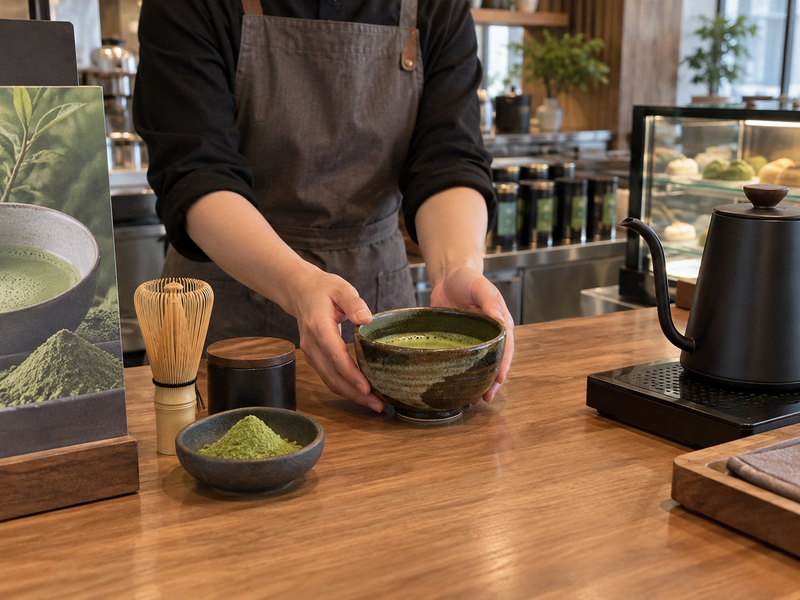
Make the recipe measurable
A café controls more than the tea. Cup size, milk, syrup, topping and the number of matcha scoops determine the prepared drink. Standardize a weighed matcha dose and write each optional addition into the recipe. If customers can choose different liquids, maintain separate calculations where the business needs to present nutrition information. Train staff to level or weigh doses consistently and audit a sample of drinks during service.
For a new menu, start with the tea supplier’s data, but verify the information required for the complete beverage. Keep the calculated values connected to the exact recipe version. When a chain changes cup sizes or switches milk, update the figures. Matcha Village describes its manufacturing and private-label options in its own materials; a buyer should still request current product-specific documents rather than applying general brand statements to every SKU. For broader formulation choices, see our matcha drinks guide.
Frequently Asked Questions
Q1. Does a matcha nutrition panel tell me how much to drink?
No. A serving is the basis for declared values. It is not a personal intake recommendation. Consider the product’s caffeine amount and seek individual medical advice when needed.
Q2. Why do two plain matcha labels show different numbers?
They may use different serving weights, source data, testing methods or rounding rules. Compare the basis before treating the difference as a product-quality finding.
Q3. Is a latte mix’s sugar part of matcha itself?
Added sugar belongs to the mix formula. Check the ingredient statement and compare it with a plain-powder product if you want to understand the tea component.
Q4. Can a café reuse the dry powder’s panel for a prepared drink?
No. The prepared drink includes its liquid and additions. Calculate it from the complete, standardized recipe under the rules that apply to the café.
Q5. What should a buyer request first?
Request the final SKU’s ingredient statement, serving weight, current nutrition panel and the data basis used to produce it. Those four items make later checks much easier.