
Matcha mochi donuts should be judged on their own texture: a springy, chewy center with a finish that still tastes of tea. That result does not come from coloring an ordinary wheat donut green. Matcha.com’s recipe uses tapioca flour with a smaller amount of bread flour and fries piped rings. A bakery needs to choose its starch system, set a ring weight, compare fry or bake performance, and test the glaze through the sales window. Matcha Village’s sample service offers a route to compare tea candidates in the finished donut.
Contents
- 1. What texture should the donut deliver?
- 2. Which starch and flour system fits the target?
- 3. Where should the matcha flavor go?
- 4. How can dough consistency be controlled?
- 5. What makes a repeatable ring shape?
- 6. Should the bakery fry or bake the product?
- 7. How should the matcha glaze be applied?
- 8. What happens during case holding?
- 9. How should yield, cost and allergens be recorded?
- 10. What trial makes the donut ready to sell?
1. What texture should the donut deliver?
Compare the bite with the menu promise
A mochi-style donut is expected to be springier and chewier than a conventional raised wheat donut. Define the target more precisely: how much resistance should the first bite have, whether the center should pull slightly, and how crisp the exterior should feel just after finishing. Taste at the intended sale temperature and after the likely case interval. A donut that is delightful hot but rubbery an hour later may be better suited to a timed batch than all-day display.
Choose a size and form before adjusting the recipe. A small ring may cook evenly but feel skimpy in a café case; a large one may need a process that prevents a gummy center. Cut and photograph an approved sample. Do not make “mochi” a claim about ingredient purity or gluten-free status. The term describes an intended chewy style here, while the actual ingredients must be shown clearly.
2. Which starch and flour system fits the target?
Identify the ingredient doing the work
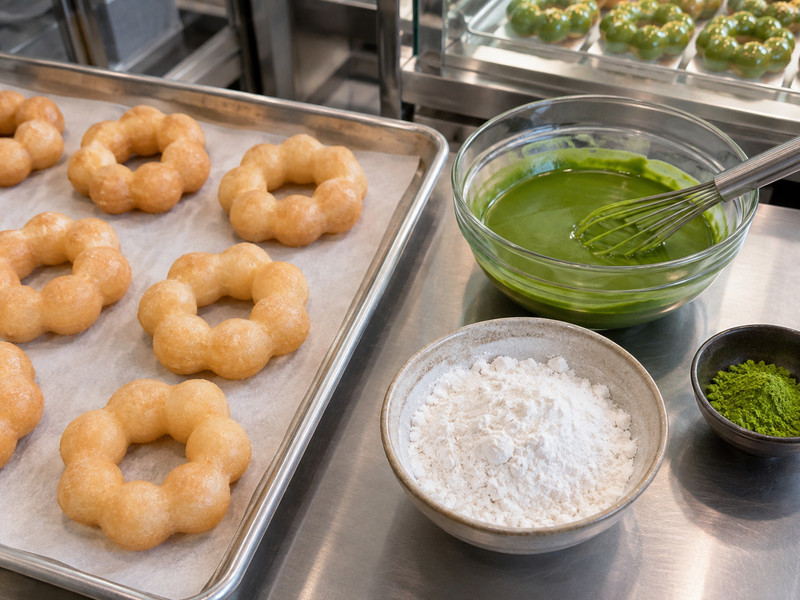
The Matcha.com reference recipe combines tapioca flour with bread flour. Tapioca supplies much of the springy chew, while wheat flour contributes structure in that particular formula. Other mochi-style recipes may use glutinous rice flour or different starch mixes, but they should be treated as separate formulations. Do not swap tapioca, sweet rice flour and ordinary rice flour by volume and expect the same dough.
Run a small comparison using ingredient weights and the same ring size. Observe dough handling, fry or bake behavior and cooled texture. A more elastic dough may hold shape yet feel too dense; a softer one may puff attractively but collapse in a box. Ask suppliers for current ingredient and allergen documents. The Matcha.com formula contains bread flour, so that version is not gluten-free. If the bakery wants a gluten-free product, it needs a new formula and a full cross-contact review.
| Base choice | Likely role | Trial question |
|---|---|---|
| Tapioca-rich hybrid | Springy chew | Does it stay tender after cooling? |
| Sweet rice flour formula | Different mochi-style bite | Does it pipe and cook evenly? |
| Wheat-heavy control | More familiar donut texture | Is the chew still distinct? |
3. Where should the matcha flavor go?
Compare dough and glaze separately
Matcha in the dough gives flavor through the bite, but heat can dull its color and aroma. Matcha in a glaze reaches the tongue first and may look brighter, though a thick sweet coating can hide the tea. Matcha.com uses both placements; a bakery should first test each at a measured dose and then decide whether combining them improves the finished product. Taste a glazed bite and an unglazed cut piece so the contribution of the dough remains clear.
Sift the powder before mixing into starch or glaze. Small clumps create bitter spots and uneven color. Compare powder candidates in the actual donut, not only as a drink. A tea with pleasant water flavor may not remain clear after frying and a sweet coating. Obtain current product documentation before claiming a specific origin, grade or certification for the selected matcha. Record the lot used in trials so a later color change can be traced.
4. How can dough consistency be controlled?
Set a visible endpoint for the mixer
A starch-rich dough may be sticky and pipeable rather than kneadable like raised wheat dough. The Matcha.com method heats milk, oil and sugar, then mixes in flour and matcha before adding egg. That sequence is specific to its formula. Record ingredient weights, liquid temperature, addition order, mixing tool and dough appearance. A larger kettle or mixer can change how the starch hydrates, so scale with a controlled pilot rather than multiplying the home recipe without observation.
The dough should leave the piping bag in a continuous ring and hold enough shape for transfer. If it tears, is hard to squeeze or slumps flat, record the exact fault before changing liquid. Ingredient substitution can also change the result: two tapioca products may not behave identically, and egg size by count varies. Weigh the egg component if it is part of the approved formula. Letting the dough rest should be tested deliberately, because its consistency may shift while staff prepare the fryer.
| Dough observation | Possible cause to inspect | Next test |
|---|---|---|
| Too stiff to pipe | Hydration or cooling | Recheck weights and sequence |
| Slumps after piping | Soft dough or warm hold | Compare deposit and rest |
| Grainy appearance | Poor starch mixing | Review incorporation |
| Uneven green | Matcha clumps | Sift and disperse |
5. What makes a repeatable ring shape?
Use a guide and weigh deposits
Piped rings need a consistent diameter, hole size and dough weight. Mark a reusable guide under parchment or use a production jig that matches the chosen serving size. Check the first few deposits on a scale. A ring with a nearly closed center may cook unevenly and look like a bun; a very thin ring may dry before the center develops the desired chew. Staff should know the acceptable diameter and weight range.
The reference recipe pipes onto parchment squares for transfer to oil. Trial that method with the bakery’s fryer and safety procedures, including how the paper is removed. Do not assume every parchment product behaves the same way near hot oil. If baking, test a suitable mold or tray separately rather than forcing the fried shaping method into the oven. Record how many usable rings are made per bag and how much dough remains in the bag and nozzle.
6. Should the bakery fry or bake the product?
Choose the method by the finished bite
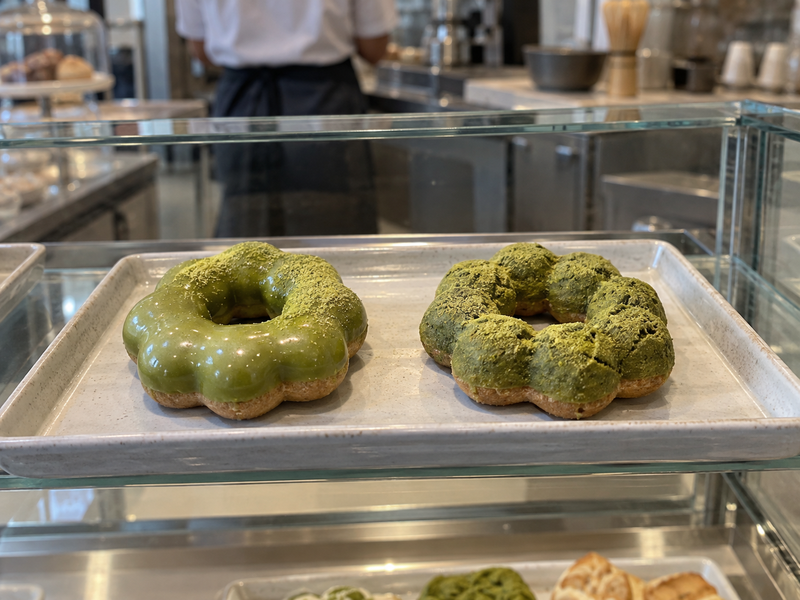
Frying and baking are different development paths. Frying can create a crisp surface around a chewy center, as in the Matcha.com recipe. Baking may simplify some equipment needs but can produce a different exterior and moisture profile. Do not label one method a direct substitute for the other until both have been tasted at sale time. Keep dough weight and intended final size comparable when running the trial.
For a fried version, log oil condition, load size, temperature behavior and a cut-center check. A browned exterior alone is a weak endpoint for green dough. For a baked version, document mold, oven load, bake cue and post-bake release. Make several consecutive batches with ordinary staff. If the first batch is crisp and later batches turn greasy or dense, the process is not controlled. Oil management and equipment safety follow the bakery’s documented procedures and applicable rules.
| Route | Check immediately | Check after holding |
|---|---|---|
| Fried | Crust, center and oil impression | Chew and surface softening |
| Baked | Release, center and shape | Drying or toughness |
| Both | Matcha flavor and color | Glaze compatibility |
7. How should the matcha glaze be applied?
Match coating to donut temperature
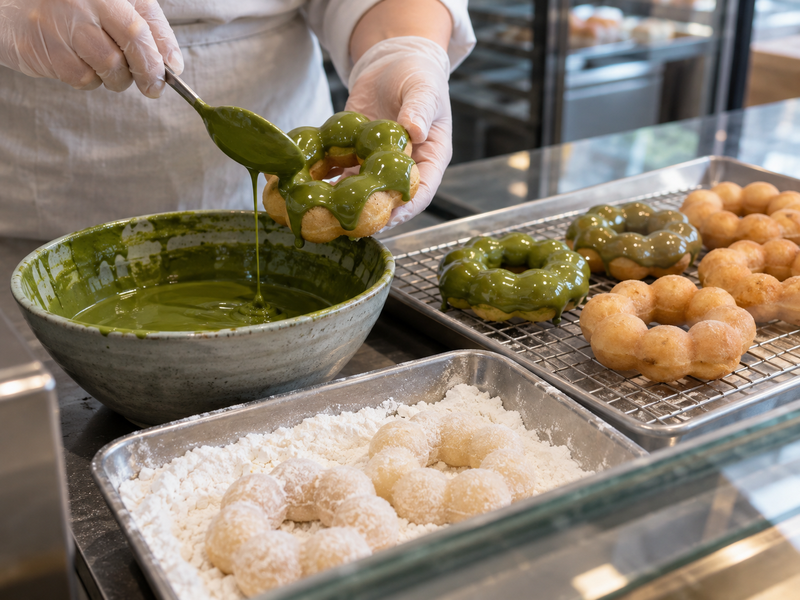
Matcha.com describes a white-chocolate and matcha glaze. That combination can give a clear green finish, but its sweetness and set need testing in the bakery’s case. Weigh glaze ingredients, sift the tea and record working temperature. Dip only when the donut is cool enough that the coating does not run off. Compare a thin and thicker application at the same donut weight. A thick coat may look premium yet drown the tea in sugar.
Set glazed donuts on the intended rack or liner and inspect the underside for pooling. Note how long the glaze takes to set before boxing. If the case lighting warms the coating, test its appearance and hand feel there. A glaze that looks neat at the bench but marks every bag is unsuitable for takeaway. Keep a plain, unglazed sample in each trial so staff can decide whether a flavor problem comes from the dough or the finish.
8. What happens during case holding?
Test the window customers will buy from
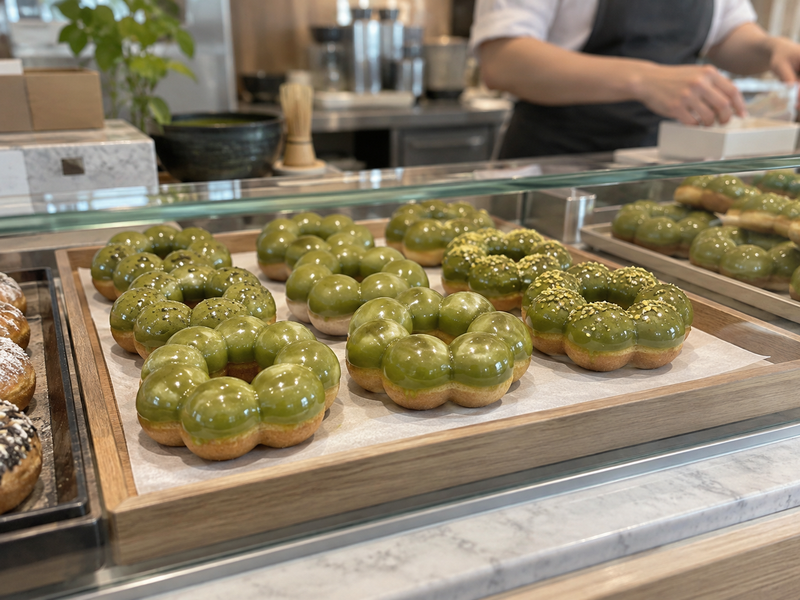
Take samples from one batch and inspect them at handoff, during the expected peak and near the proposed end of sale. Taste the crust, interior chew, matcha finish and glaze. A starch-rich donut may change texture as it cools, while glaze can pick up moisture or become marked by packaging. Use the real case, not a covered plate in a quiet test kitchen. Record when the product falls below its approved standard.
A quality window is not a safety declaration. If the formula uses milk, egg or other ingredients requiring controls, follow the bakery’s approved food-safety plan and local rules. The FDA Food Code is a U.S. model reference. If quality drops quickly, smaller timed batches may work better than trying to hold a large morning production run. Tell customers when fresh batches are available rather than leaving a tired donut in the case.
| Hold observation | What it suggests | Possible change |
|---|---|---|
| Tough center | Moisture or formula shift | Shorter sale window or retest |
| Soft exterior | Humid case or pack | Change holding setup |
| Sticky glaze | Coating not set or warmed | Adjust timing or formula |
| Faded tea note | Dose or powder fit | Compare dough and glaze separately |
9. How should yield, cost and allergens be recorded?
Cost the saleable ring
Calculate from actual saleable donuts, including dough left in bags, distorted rings, frying or baking loss, glaze left in the bowl and damaged packaging. Cost starches, flour, matcha, dairy, egg, oil, white chocolate, labor and pack as applicable. A larger ring may attract attention but reduce count per batch and need a bigger box. Compare the finished product’s contribution with its station time and case space.
Build allergen information from the exact formula and current supplier labels. The Matcha.com version includes wheat, milk, egg and white chocolate ingredients that may carry milk or soy; the final list depends on the products actually used. The FDA’s major food allergen guidance is a U.S. reference, and destination rules govern declarations. Do not call a mochi-style donut gluten-free because it contains tapioca or rice starch when the formula also uses wheat or shared equipment.
10. What trial makes the donut ready to sell?
Repeat it on the intended station
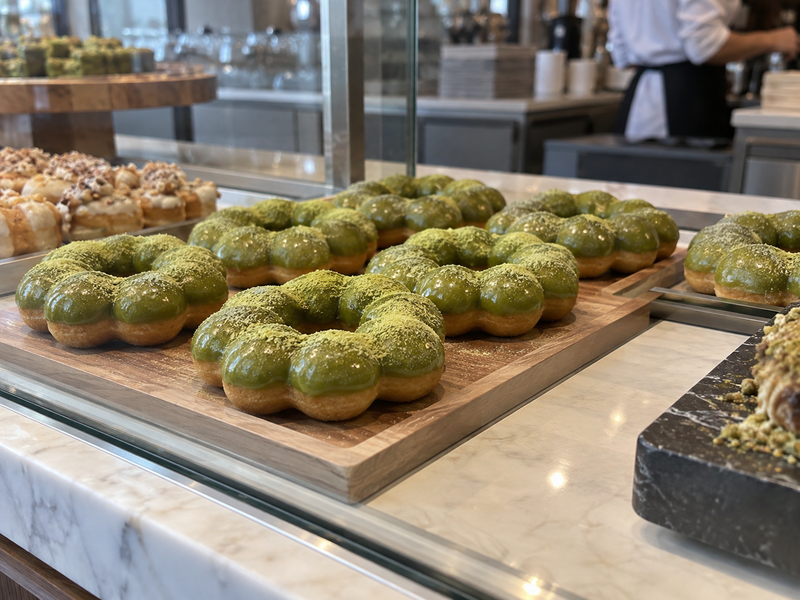
Write the final sheet with ingredient weights and supplier items, mixing sequence, dough endpoint, piping guide, target ring weight, chosen fry or bake process, cooling, glaze amount, pack and case window. Include a photo of an approved cut center and finished top. Have another baker make a full batch from the sheet. Compare the first and last rings for shape, chew, tea flavor and coating.
Run a limited sale and record the specific comments. “Rubbery” may point toward the starch system or hold; “oily” calls for a fry-process review; “too sweet” may sit in the glaze rather than the dough. Count rejects by reason instead of hiding them in a theoretical yield. The donut deserves a regular slot when it keeps its distinctive chew through the sales period and the staff can make rings of consistent weight without slowing the rest of the pastry line.
| Decision | Evidence | Next action |
|---|---|---|
| Launch | Repeatable chew, shape and yield | Train and schedule |
| Revise | One traceable formula or process fault | Change one variable |
| Hold | Unresolved allergen or handling issue | Complete review |
FAQ
Q1. Are matcha mochi donuts automatically gluten-free? No. Some formulas, including the cited reference, contain wheat flour.
Q2. Is tapioca flour the same as sweet rice flour? No. They behave differently and need separate formula trials.
Q3. Can a fried recipe be baked unchanged? Do not assume so. Test baked texture, structure and holding as a separate route.
Q4. Why does the glaze slide off? The donut may be too warm or the coating too fluid; check temperature and application weight.
Q5. What is the strongest launch check? Compare first and last rings from a full batch after the planned case hold.
Start with one starch system and one ring size, then compare the finished bite soon after production and at the expected sale time. That test will reveal whether the donut’s chew survives the bakery’s actual workflow.