
A matcha martini is a cocktail that uses matcha as a flavor and visual ingredient in a martini-style serve. The name covers several formulas, from a creamy vodka drink to a sharper spirit-led cocktail. A bar should decide which one it means before buying powder or printing menus. Jade Leaf’s Matcha-tini combines matcha, vodka, vanilla syrup and milk in a home recipe. A professional version needs a repeatable shake, controlled dilution and a flavor that still makes sense after the green foam settles.
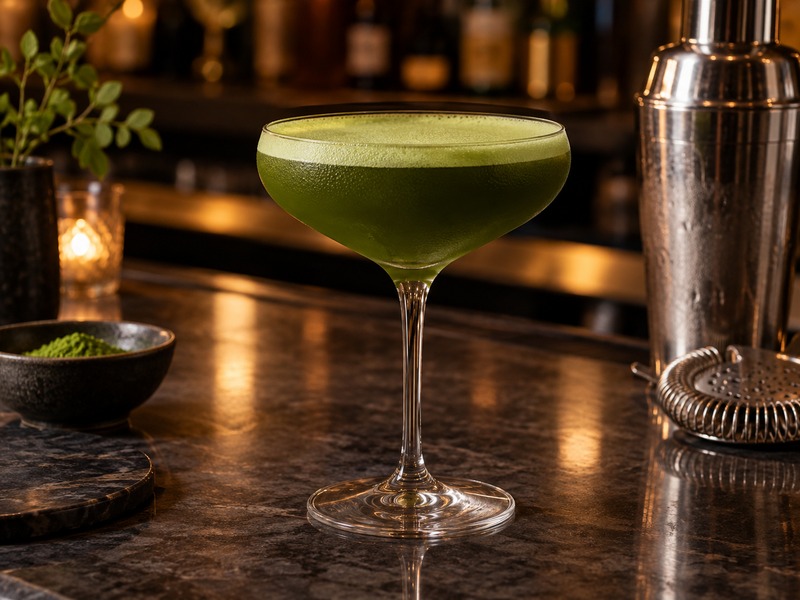
This guide is for bar operators, beverage developers and ingredient buyers. It treats the reference as a concept, not a ready-made production specification, and assumes the business will follow all local rules for alcoholic drinks and service.
1. What kind of martini is the guest ordering?
Define the style on the menu
“Matcha martini” can suggest a dry, spirit-forward drink to one guest and a sweet green dessert cocktail to another. Decide whether the house style is creamy, citrus-led or clean and vodka-forward. State the base spirit, sweetness and dairy status clearly enough that a guest can choose. The glass and green color create expectations, but they should not substitute for a flavor brief. The drink should offer discernible tea aroma rather than rely on matcha only as a colorant.
Taste without the garnish. Serve a sample in a plain glass and ask tasters to identify the dominant flavors. If vanilla or coconut overwhelms the tea, reduce those inputs or choose a more suitable matcha. If a dry version tastes powdery, revisit dispersion before adding sugar. A clear style decision also narrows equipment and allergen handling. A creamy cocktail may need a separate milk station; a spirit-led version may fit the existing bar more easily.
| Style | Guest expectation | Main development risk |
|---|---|---|
| Creamy vanilla | Dessert-like, soft | Tea gets buried |
| Spirit-led | Crisp alcohol and tea | Powder feels harsh |
| Citrus-led | Bright and green | Acid can fight matcha |
2. Which matcha works in an alcoholic drink?
Select for cold dilution and a short finish
Alcohol can sharpen bitterness and expose a rough powder. Compare matcha candidates in the exact spirit, syrup and milk or other mixer. Prepare measured samples with equal powder mass and identical shake time. Taste immediately and after the foam drops. A powder that performs in a hot latte may settle visibly in a chilled cocktail. Ask for supplier lot records and realistic repeat availability, especially if the drink will be on a permanent menu.
Judge cost per accepted serve. A low-price matcha that needs extra grams to remain noticeable may increase sediment and per-drink cost. A very delicate powder may add little benefit under vanilla and vodka. Find the dose that produces tea identity without a dry aftertaste. Keep an approved sample and photo under consistent bar lighting. New powder lots should be trialed in the finished cocktail because the guest sees the green drink, not the dry ingredient in a tin.
3. How should the matcha be dispersed?
Make a small smooth base before shaking
Dry matcha added to a cold shaker can stick to ice, the tin wall or the glass as dark specks. Jade Leaf’s example first whisks matcha with water. That is a sound architecture to test, but the bar needs its own measured water dose and mixing method. The water is part of total cocktail dilution. Too much makes the drink thin; too little can leave clumps. Trial a single-serve slurry against a short prepared batch if order volume justifies it.
Inspect the tools. After straining, look inside the shaker and fine strainer for trapped powder. If much matcha stays behind, the guest receives less tea than the recipe sheet implies. Check the last sip for sediment and the rim for gritty marks. A fine strainer may improve appearance while stripping desirable foam, so choose the presentation after tasting. Give bar staff a visible endpoint for the prepared matcha base rather than “whisk until smooth,” which different people interpret differently.
| Preparation route | Speed | Risk to test |
|---|---|---|
| Fresh slurry | High control per order | Extra station time |
| Short batch | Faster during rush | Settling and hold validation |
| Dry powder in tin | Fewest steps | Clumps and inconsistent dose |
4. How much spirit should the formula carry?
Balance alcohol warmth with tea
The spirit choice changes how matcha tastes. Vodka provides a relatively neutral frame; gin botanicals can compete; a flavored spirit may add sweetness or aromas not obvious from its name. Trial one base spirit at a time and keep final serve size constant. The alcohol level should be specified and reviewed under local rules. Do not increase spirit just to make the drink feel more like a martini if that pushes tea into a bitter, short finish.
Record dilution alongside flavor. A colder, harder shake can soften the alcohol’s edge by adding water, but it can also mute tea. Weigh or measure the finished drink after shaking to understand the actual yield. If a creamy ingredient is used, check whether alcohol causes separation or a thin ring at the top after a short wait. The drink should remain pleasant through ordinary service, not only in the first sip poured straight from a shaker.
5. Where should sweetness and cream enter?
Keep the drink from becoming a green milkshake
Vanilla syrup and milk can make a vodka-matcha combination approachable. Both can also erase tea aroma. Develop them independently: fix the matcha and spirit, then adjust syrup, then test milk. If coconut milk is used, decide whether the coconut note is part of the menu name or only a background texture. Review ingredient and allergen statements for the exact product. A guest expecting a dairy-free cocktail should not learn at the table that a vanilla cream component contains milk.
Taste the lower-sugar version. Reducing syrup may expose rough alcohol or tea, but it reveals whether the core formula is sound. A drink requiring heavy sweetness to be palatable may need a different powder or spirit. Check that the selected cream or milk withstands shaking and looks attractive under the bar’s lighting. A smooth white-green drink can be more convincing than a dramatic layered cocktail that separates before delivery to the table.
| Component | Benefit | Common failure |
|---|---|---|
| Vanilla syrup | Softens edges | Masks tea |
| Dairy milk or cream | Rounded texture | Allergen and separation |
| Coconut drink | Distinctive aroma | Competes with matcha |
| No cream | Cleaner tea profile | Sharper bitterness |
6. What shake and strain method can staff repeat?
Specify ice, time and finish
The reference recipe gives a simple shake-and-strain approach. A bar program needs an exact build order, ice amount or standard fill, shake duration and strain method. Different ice size changes dilution and texture. A weak shake can leave milk and tea uneven; an excessive shake may create a tall foam that quickly collapses. Trial several bartenders making consecutive drinks. The approved cocktail should not depend on one person’s strength or a particular decorative pour.
Use the correct service glass. A chilled coupe can show the color and foam, but it also exposes sediment on the bottom. Check the drink after a short table wait. If the glass is very large, a modest liquid volume may look underfilled; changing the glass may be better than increasing all ingredients. Decide whether the garnish adds aroma or merely slows the station. A powder dusting can create a harsh first sip and green marks on a guest’s face, so test it before adopting it for a photograph.
7. What happens after the drink leaves the bar?
Watch settling, foam and temperature
Matcha remains suspended rather than dissolved. Foam from a fresh shake may hide settling for a minute, then reveal a dark ring or powder on the glass. Milk-based versions can separate as they warm. Serve test cocktails at realistic table distances and observe them after the likely conversation delay. Taste the last third. A drink that requires immediate consumption may be appropriate for some venues, but the menu and service team should know its limits.
Define rejection criteria. Distinguish a natural fine tea haze from gritty clumps or a split cream phase. Photograph an accepted cocktail at handoff and after a short wait, plus a failed sample. Do not casually batch a milk-and-spirit component for later use; any prepared mix needs validated storage and handling under the business’s food safety procedures. If the concept is intended for bottled distribution, it becomes a separate processing and regulatory project.
| Observation | What it suggests | Next check |
|---|---|---|
| Powder ring | Poor dispersion or strain | Inspect slurry and tool |
| Collapsed foam | Shake or formula issue | Compare ice and time |
| Split cream | Ingredient compatibility | Rework dairy or alcohol balance |
| Bitter finish | Dose or dilution | Blind comparison at fixed yield |
8. What should a buyer verify with suppliers?
Keep the cocktail formula traceable
For matcha, request specifications, lot-linked analysis and traceability records required by the venue or group. For syrup and milk, collect ingredient and allergen information. Spirits must be bought and sold through appropriate licensed channels under local rules. Ask how the matcha supplier handles lot or blend changes. A new green shade or bitterness level can be conspicuous in a cocktail with few components.
Test substitutes before service. A replacement vanilla syrup may have different sweetness; a new plant milk may split; a new matcha may foam differently. Keep the accepted formula and sensory reference. When an ingredient is unavailable, the bar manager should have a tested alternative or remove the drink temporarily. Quiet improvisation turns one menu item into several unpredictable drinks and makes complaints difficult to trace. A short finished-cocktail comparison is a practical procurement control.
| Input | Evidence | Finished-drink decision |
|---|---|---|
| Matcha | Lot and sensory records | Tea presence and color |
| Syrup | Formula and sweetening data | Balance |
| Milk or cream | Ingredient and allergen data | Texture and claim |
| Glassware | Size and handling trial | Presentation and yield |
9. How should the cocktail be priced?
Count the actual pour and remake rate
Use the approved grams of matcha, milliliters of spirit, syrup and milk, plus ice and garnish. Measure finished yield after shaking and product left in tins and strainers. A powder that sticks heavily to equipment raises both cost and inconsistency. Include bar labor and glasswashing. During a timed trial, note remakes caused by clumps, split cream or uneven fill. A visually novel cocktail may earn a menu premium, but a slow build can erode that margin in a crowded service.
Compare with the venue’s cocktail set. The matcha martini should have a reason to sit beside the bar’s other premium drinks: tea flavor, visual appeal or a distinctive texture. Avoid pricing from ingredients alone or from a competitor’s photo. One serving size and one tested formula simplify training. If a nonalcoholic companion drink is planned, develop and price it separately; removing vodka from the alcoholic recipe changes dilution and flavor, not merely ABV.
10. What would a responsible launch pilot include?
Prove taste and execution across a shift
Shortlist matcha and spirit options, then fix the formula for a blind tasting. Have several bartenders prepare repeated orders with the proposed station setup. Measure build time, finished volume, powder loss, flavor at handoff and appearance after a short table wait. Check allergen communication and responsible alcoholic service procedures for the market. Use the intended glass and garnish, not a tasting cup that conceals visual defects.
Release a precise bar card. State ingredient brands or specifications, weights and volumes, slurry method, ice, shake, strain, glass, garnish and reject examples. When a result fails, change one variable and re-taste. The first order should support a limited menu run with feedback from service staff and customers. Broad rollout should follow a cocktail that remains recognizable and pleasant when made by ordinary bartenders during a real shift.
Reference
Jade Leaf, “Easy Matcha-tini Recipe” gives a home example using matcha, vodka, vanilla syrup and milk. The bar controls above are proposed service checks.
FAQ
Q1: Is a matcha martini always creamy?
No. Choose and describe a creamy, spirit-led or other defined house style.
Q2: Why are there green specks in the glass?
Check matcha dispersion, powder storage and whether powder remains in the shaker.
Q3: Can the bar use a plant milk?
Yes, after testing texture, separation, flavor and allergen communication.
Q4: Can this drink be prebatched?
Only with a validated formulation and handling plan for the exact ingredients and service conditions.
Q5: What should be rechecked after a powder change?
Tea flavor, color, sediment, foam and cost per accepted drink.