
Matcha lemonade combines suspended green tea powder with an acidic citrus drink. It can look sharp and refreshing, but the first test cup may hide a sour finish, green sediment or a flavor that disappears behind sugar. A café needs a measured formula and a way to keep it consistent through service. Ahrefs shows “Matcha Lemonade (Starbucks copycat)” as an Article in the top ten US results. That page did not load in the source check, so no recipe details from it are assumed below.
For beverage developers and café buyers, the product decision is whether lemon sharpness and matcha character can coexist in a drink that staff can assemble quickly and customers can finish happily.
1. What should the finished drink deliver?
Set a tea-and-citrus balance
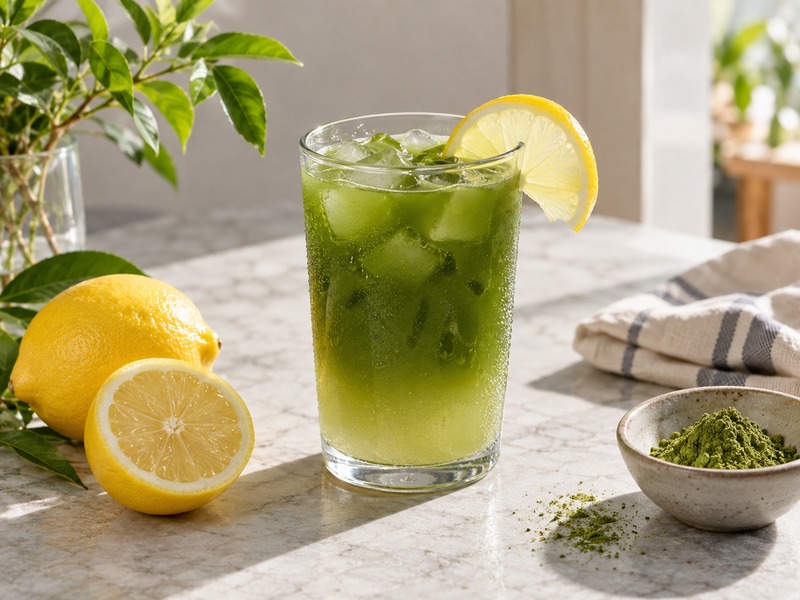
The customer should recognize both matcha and lemon. A lemonade that overwhelms tea with acid is a green citrus drink, while a high-dose matcha base can make the finish bitter and drying. Write a target description for the first sip, middle and last third. Decide whether the drink should be cloudy and integrated or deliberately layered. Both can be appealing, but each needs different mixing and service instructions. The appearance should honestly represent the flavor; bright green color alone is a poor acceptance test.
Taste after dilution. Ice changes the drink during a normal purchase and carry interval. Compare the fresh cup with one held for the expected customer wait. Note whether sourness softens, whether tea sediments and whether sweetness becomes flat. Use the proposed cup and straw or sip lid, because they determine whether the guest drinks lemon or matcha first. Record accepted flavor in plain terms that store teams can recognize instead of “premium” or “refreshing,” which do not help them diagnose a failed cup.
| Sensory point | Target to set | Typical failure |
|---|---|---|
| First sip | Clear lemon and tea | Acid hits without tea |
| Middle | Balanced sweetness | Drink becomes syrupy |
| Last third | Clean tea finish | Dense green sediment |
2. Which lemon source is practical for the menu?
Compare juice, concentrate and prepared lemonade
Fresh lemon juice can taste vivid, but fruit size, yield and prep labor vary. A specified juice product gives repeatability if its acidity, flavor and handling suit the formula. Concentrate saves storage space but introduces a dilution step. A prepared lemonade may already contain sugar and flavorings, reducing the freedom to balance matcha independently. Test candidates at the same final cup volume and a comparable sourness target rather than the same milliliters of input.
Record the open-pack reality. Ask suppliers for ingredient statements, pack sizes, storage instructions and any consistency measure relevant to the product. Weigh usable juice from fresh lemons and calculate actual labor. At low-volume stores, a larger pack may create more waste than it saves in purchase price. Check whether a lemon product leaves visible pulp that interferes with the desired matcha suspension or straw. Keep a retained taste sample or written standard to evaluate later lots.
| Lemon input | Advantage | Buyer check |
|---|---|---|
| Fresh juice | Bright fresh aroma | Variable yield and labor |
| Specified juice | Fast portioning | Pack handling and acidity |
| Concentrate | Compact stock | Dilution control and cooked notes |
| Prepared lemonade | Quick service | Hidden sugar and lower flexibility |
3. How should the matcha powder be chosen?
Select in the acidic finished drink
Matcha that tastes gentle in a latte may seem harsh beside lemon. Compare candidate powders in the actual lemonade, at a measured dose and with the chosen lemon source. Review aroma, bitterness, color and mouthfeel after a short hold. Acid can alter how green pigments look over time; a bright first minute is not enough for a takeaway menu. Grade names alone do not predict performance in this application. The selected powder should retain tea identity at a dose the business can buy and serve consistently.
Check cost per accepted cup. A low-cost powder that needs a larger dose may create more sediment and erase its price advantage. Ask for lot-linked specifications and the records required by the buying program. Test at least two lots when repeat supply is important, or define a procedure for approving each new lot. Keep the same light and glass when taking reference photos. A visible shift in the drink’s green tone can trigger customer complaints even if the dry powder looked similar in the pouch.
4. What is the best way to disperse matcha?
Hydrate the powder before the cold lemon base
Dry matcha added directly to iced lemonade can form rafts and clumps. Prepare a small measured matcha slurry with water using a whisk, shaker or other validated tool, then combine it with the cold base. The process should remove dry pockets without producing so much foam that the cup looks inconsistent. Keep the water amount in the formula: it is part of total dilution. Test whether the station can prepare one serving quickly and whether any short batch remains uniform until it is poured.
Inspect the last sip. Matcha is a suspension, so a little settling may occur; a sludge-like layer is a different problem. Compare stirring or shaking methods and note how long the cup remains acceptable. If a powder consistently clumps, review storage moisture, handling and supplier variation before adding a labor-heavy sifting step at every store. Document a visible mixing endpoint, not just “mix well.” The staff member should know what a fully dispersed base looks like before lemon and ice make defects harder to see.
| Mixing route | Useful for | Watch for |
|---|---|---|
| Small water slurry | Measured single serve | Extra station step |
| Shaker | Fast integration | Excess foam and leakage |
| Pre-dispersed batch | Rush service | Settling and hold controls |
5. Where should sweetness come from?
Change acid and sugar separately
Sugar can soften both lemon acid and matcha bitterness, but an overly sweet drink loses the sharp quality that made lemonade appealing. Build a small trial matrix with one fixed matcha dose and several lemon and sweetener levels. Change only one variable at a time. If the lemon input already contains sugar, include it in the calculation. A flavored syrup may add a pleasant note, yet it can push the drink toward a different menu concept and obscure the tea.
Evaluate the whole serving. Taste through a straw and from the cup, because a layered version can deliver components in a different order. Note whether the final third is too sour after ice melt or too sweet when the matcha has settled. If a low-sugar version is planned, test it as its own formulation and review any claims through the relevant local process. Do not assume a consumer’s “less sweet” request is solved by simply halving syrup; that change can expose bitterness and acidity that the original balance concealed.
6. Should matcha lemonade be layered or fully mixed?
Choose a service promise the drink can keep
A green matcha layer over pale lemonade can make a strong menu photo. It may also disappear as the cup is handed over or after a short walk. A fully mixed drink looks less dramatic but may taste more even. Run both presentations at the same formula and let a blind taste test sit beside the visual review. If the layered version is selected, specify ingredient temperatures, ice fill and pour technique. A fragile layer that only one developer can create is unsuitable for a chain rollout.
Watch customer behavior. Do guests stir on their own, drink through the bottom with a straw, or sip from the top? The final product should taste acceptable through the ordinary behavior, not require an instruction hidden in a social caption. If a store serves delivery, test the cup after transport; a shaken layered drink may need to taste good as a mixed lemonade. Use the sales route to decide the presentation, rather than letting a studio image decide for operations.
7. What can fail in storage and takeaway?
Measure change after assembly
Ice melt, matcha settling and citrus oxidation can alter the drink’s appearance and flavor. Test the exact cup, lid and route at several realistic checkpoints. Inspect a prepared base separately from the finished iced drink if stores intend to batch. Do not assign a shelf life from a home recipe or from another beverage. The quality team should validate the final formulation, handling temperature and any safe-use period under the destination market’s rules.
Create a reject example. Photograph a cup with unacceptable sediment, severe color change or leakage so staff can recognize a real failure. Keep sensory notes alongside photos; a cup may still look green after its lemon aroma has faded. For takeaway, check whether the lid permits an ordinary stir without spilling. If a suspended powder and lemon base separate quickly, a short “shake before drinking” instruction may help only if the pack can be shaken safely and the customer’s experience remains pleasant.
| Checkpoint | Observe | Decision |
|---|---|---|
| At handoff | Color and clumps | Release or remake |
| After expected wait | Settling and sourness | Service window |
| After delivery | Lid, leak and taste | Channel suitability |
| End of cup | Sediment | Powder or process change |
8. What evidence should a buyer request?
Connect supplier paperwork to the cup
Request matcha specifications, lot-linked analysis and traceability information required by the company and destination market. For lemon products, request ingredients, relevant composition data, storage directions and change notification. Sweetener suppliers should provide ingredient and allergen information where applicable. These documents make the formula reviewable, but an incoming sample still needs a finished-cup trial. A lemon lot that meets its own specification can shift the drink’s balance enough to require attention.
Avoid silent substitutions. An alternative juice, syrup or powder may be cheaper yet change color and taste. Define who can approve substitutions and what retest they trigger. Keep one accepted formula card and retained sensory reference. If a store reports bitter cups, check matcha dose, lemon input and dispersion before blaming the supplier. A change record with dates and lots will make the diagnosis possible. Buying and operations should share the same definition of an acceptable matcha lemonade.
| Input | Document | Finished-cup check |
|---|---|---|
| Matcha | Lot specification and analysis | Flavor, color, sediment |
| Lemon | Ingredient and composition record | Sourness and aroma |
| Sweetener | Formula and label data | Balance and dissolution |
| Packaging | Cup and lid specification | Transport and stirring |
9. How should the drink be priced?
Count fruit, powder and remake cost
Cost the accepted serving using actual matcha grams, lemon yield, sweetener, water, ice and packaging. Add the labor for making the matcha slurry and the waste from opened lemon packs. During a pilot, record drinks remade for clumps, leaking lids or poor layer appearance. The most expensive-looking input may not be the largest cost if a cheaper alternative increases rework. Compare service time with the café’s standard iced drinks, because a slow station can constrain sales during the hours when lemonade is most popular.
Price the experience customers get. If the product is a distinct tea-citrus drink with a reliable flavor, a premium position may be possible. Validate that through the brand’s own price and sales work; the formula alone cannot prove willingness to pay. Consider one cup size first. Multiple sizes multiply dose and dilution decisions, and the largest cup can taste weakest if staff scale only the water and ice. An approved cost model should show contribution margin at ordinary store volume, not a perfect bench yield.
10. What would a useful launch trial prove?
Move from a pretty cup to repeatable service
Shortlist matcha and lemon inputs, then run controlled trials with a fixed cup, ice and mixing method. Ask several staff members to prepare the drink from a draft card while a developer observes rather than coaches. Measure preparation time, remake rate, matcha dispersion, full-cup taste and quality after the expected wait. Test the intended takeaway package if the channel matters. Keep the reference cup and an unacceptable example in the training materials.
Write the next purchase brief. It should name the selected matcha and lemon specification, dose, water, sweetness, sequence, packaging, supplier records and safe-handling requirements. If the drink fails, adjust one factor and repeat. The first order should support a limited menu pilot with enough volume to expose ordinary operator and lot variation. Once stores can deliver a consistent drink without the developer nearby, purchasing can plan broader supply.
Reference
Ahrefs listed Unbound Wellness, “Matcha Lemonade (Starbucks copycat)” as an Article in the US Google SERP on 2026-09-27. Its contents were unavailable during this source check, so this guide does not attribute recipe details to it.
FAQ
Q1: Can matcha be mixed directly into lemonade?
It may clump. Test a measured water slurry or another validated dispersion method first.
Q2: Why does matcha lemonade turn dull?
Ingredient choices and holding conditions can change color; compare timed samples under consistent light.
Q3: Should a café use fresh lemons?
Choose after comparing flavor, yield, prep labor and consistency with a specified juice product.
Q4: Can the finished drink be delivered?
Only after testing the actual cup, lid, route, sediment and safe handling.
Q5: How can a buyer compare powders?
Taste each at a measured dose in the final lemon formula and calculate cost per accepted serving.